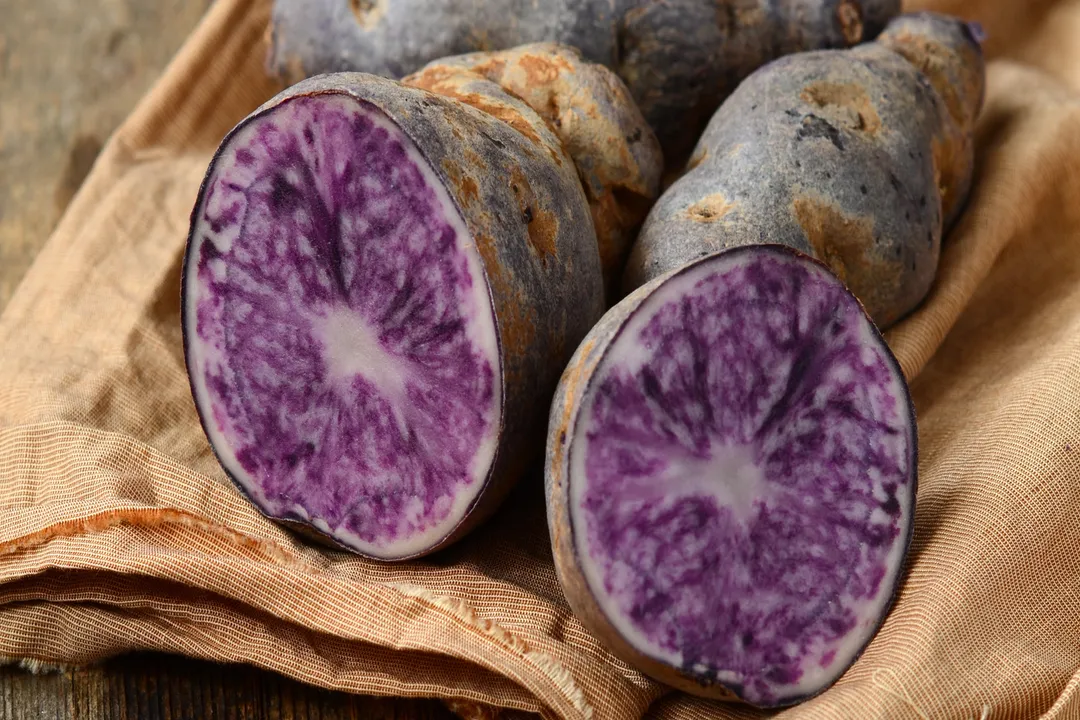
When resistant starch from Vitelotte travels to the large intestine, what vital short-chain fatty acid (SCFA) is produced through fermentation by beneficial gut bacteria?
Butyrate
The Vitelotte potato, like other potatoes, contains resistant starch, a specific type of fiber that resists digestion in the small intestine and proceeds to the large intestine. Once in the large intestine, this resistant starch serves as a crucial substrate for fermentation by the resident beneficial gut microbiota. This fermentation process is responsible for generating short-chain fatty acids (SCFAs). Of these metabolic byproducts, butyrate is highlighted as being particularly vital for gut health. Butyrate functions as the primary energy source fueling colon cells, which is essential for maintaining their structure and function. Furthermore, adequate butyrate levels are implicated in supporting the repair of damaged colon lining and are associated with a reduced likelihood of developing bowel cancer.