Health Benefits of Purple Kale
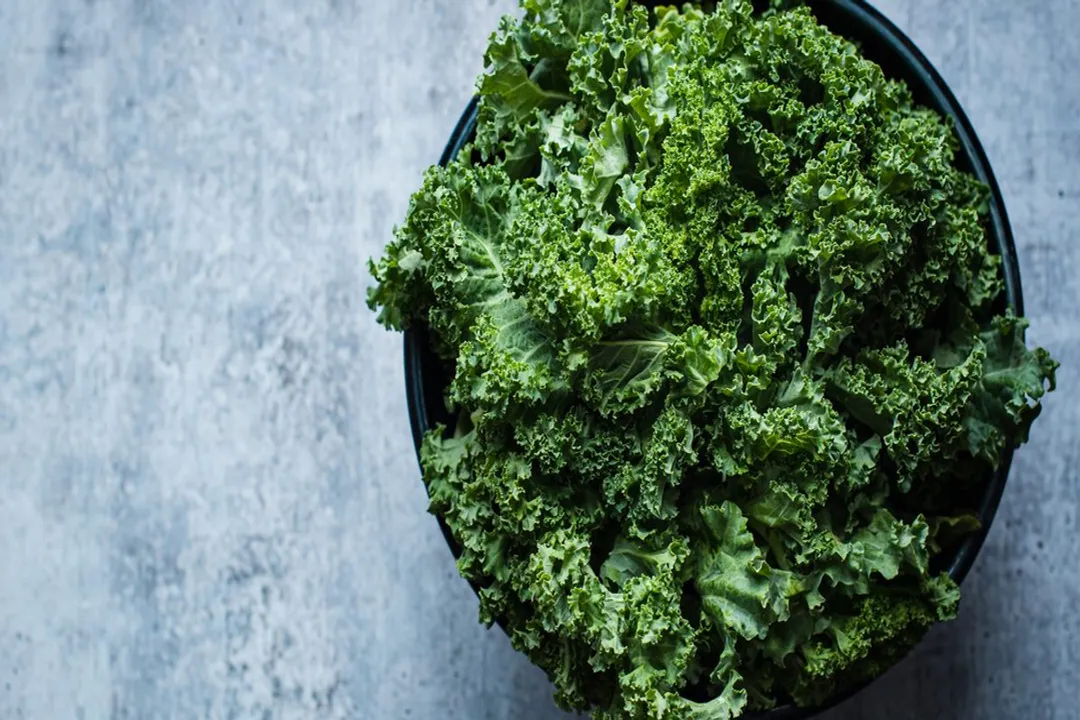
That deep, jewel-toned green tinged with violet is what catches the eye first. While kale has enjoyed its moment as a dietary superstar for years, the purple variety offers a distinct visual appeal that often makes it the first choice for shoppers looking to add some drama to their plate. Beyond just looking attractive in a salad mix or resting next to other greens in the produce aisle, this deeply pigmented cruciferous vegetable packs an arsenal of nutrients that support nearly every system in the body, making it much more than just a pretty face. [3][4]
# Pigment Power
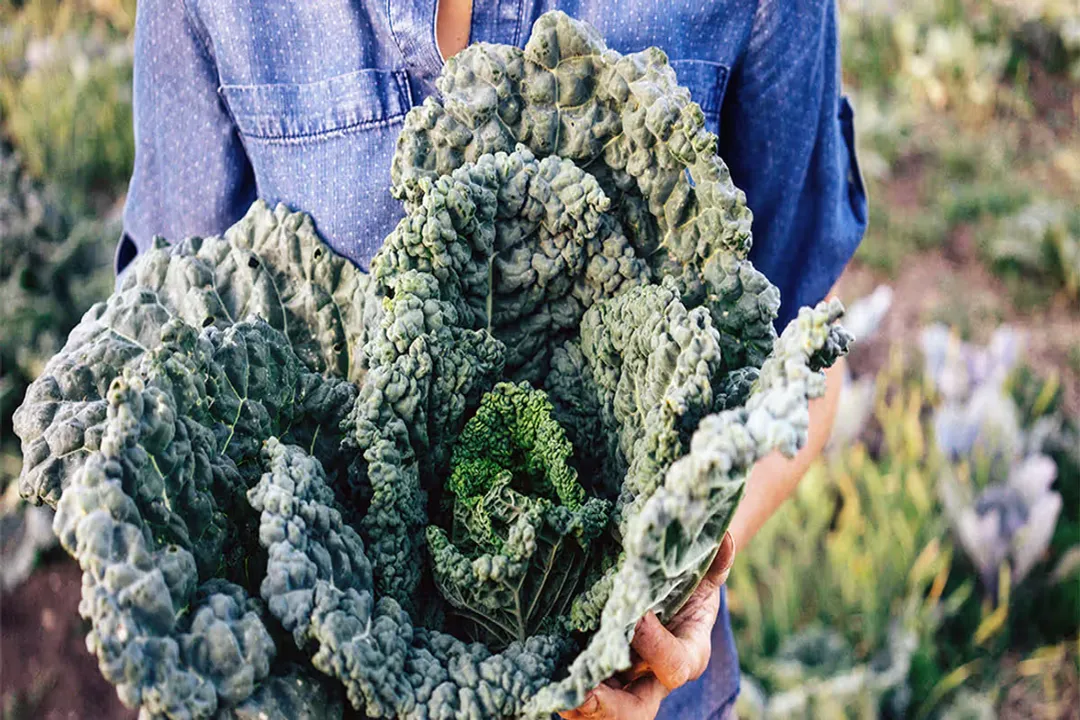
The difference between standard green kale and its purple cousin lies, quite literally, in the color. Purple kale owes its striking hue to the presence of anthocyanins. [3] These compounds are the same powerful antioxidants found in blueberries and cranberries, lending purple kale an edge in terms of sheer antioxidant strength compared to its green counterpart. [3]
It is important to note that while this color is a visual marker of extra antioxidant activity, it is also delicate. When you prepare purple kale for cooking—say, roasting it into crispy chips—that beautiful purple shade often retreats, yielding an interesting mix of green and orange. [3] This transformation brings up a fascinating point for home cooks: the immediate visual reward of purple kale is maximized when eaten raw, but its structural benefits, like fiber and binding agents, remain even after heat application. [2][3] Choosing how to prepare it is a trade-off between maximizing certain phytonutrients that are sensitive to heat and enjoying a satisfying texture or flavor profile. [3]
# Antioxidant Shield
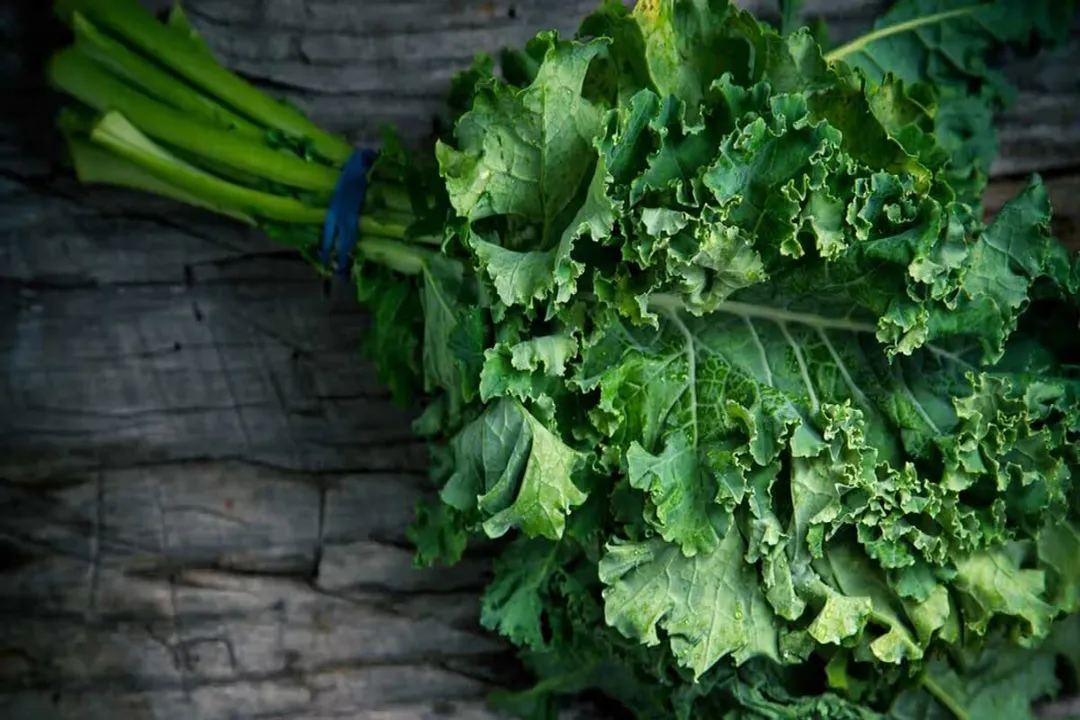
Kale, in general, is recognized as a superfood because it is exceptionally dense in health-promoting nutrients. [1] Both green and purple varieties are loaded with substances that help counteract oxidative damage by neutralizing free radicals, which are implicated in the aging process and many chronic conditions. [2][5]
For instance, kale is an excellent source of Vitamin C, often containing about three times the amount found in spinach or collard greens. [2] This essential water-soluble antioxidant is required for the body to synthesize collagen, the most abundant structural protein. [2] Furthermore, kale provides high levels of beta-carotene, which the body converts into Vitamin A, essential for maintaining all body tissues. [2][5] Alongside these, you find flavonoids such as quercetin and kaempferol, which studies suggest may support heart health and possess anti-inflammatory attributes. [2] This collective group of compounds helps the body manage the constant stress of free radicals. [2][1]

# Vision Protection
The benefits for eyesight are particularly noteworthy in kale. It is rich in two specific carotenoid antioxidants: lutein and zeaxanthin. [4][5] These compounds are critical because they actively filter out harmful blue light, offering a degree of protection against age-related macular degeneration (AMD) and cataracts. [1][2][5] When you consider that vision tends to decline naturally with age, regularly consuming foods rich in lutein and zeaxanthin, like purple kale, becomes a proactive step toward maintaining visual health over the long term. [5]
# Heart Support
A diet including kale can contribute positively to cardiovascular well-being through several mechanisms. First, kale contains nutrients like potassium, which health organizations recommend increasing to help maintain a healthy blood pressure. [4][5] Second, kale has specific substances capable of binding to bile acids in the digestive system, preventing their reabsorption. [2] Since the liver uses cholesterol to make these bile acids, reducing their recycling lowers the overall amount of cholesterol circulating in the body. [2] Evidence from studies suggests that regular consumption, even in powdered form, can lead to a significant reduction in LDL (bad) cholesterol levels. [2] Even when the kale is juiced or steamed, these cholesterol-binding advantages are believed to persist. [4]
# Cell Defense Compounds
As a member of the Brassicaceae family, which includes broccoli and cabbage, kale is celebrated for its anti-cancer properties derived from unique molecules. [1][4] Two notable compounds are sulforaphane and indole-3-carbinol (or its breakdown product, diindolylmethane), which are believed to help prevent cancer by blocking its formation at the molecular level and supporting the breakdown of nascent cancer cells before they multiply. [2][4] While laboratory and animal studies show great promise, confirming these effects in human trials remains an area of ongoing research, but the presence of these protective agents is a key feature of cruciferous vegetables like purple kale. [1]
# Digestive Health Boost
For gut wellness, kale offers a dual benefit. It is high in both fiber and water, both key components for promoting regularity and easing mild constipation. [5] More specifically, kale supplies prebiotics—these are non-digestible fibers that serve as food for the beneficial bacteria making up your gut microbiome. [1] A thriving gut microbiome is linked not only to better digestion but also to a stronger immune system, reduced inflammation, and improved mental health. [1] One study even specifically indicated that kale consumption helped improve bowel movements in women dealing with constipation. [5] This leads me to consider the fibrous stems that many recipes instruct us to discard. Rather than composting them immediately, which is certainly an option, you could blanch and freeze these tough stems. They are perfect for tossing into a slow-simmered vegetable stock base during the colder months, extracting their fiber and mineral content into a liquid form that is easier to digest than eating them raw or heavily cooked. [3]

# Bone Structure Support
Strong bones rely on a balance of minerals and vitamins, and kale is well-equipped to assist. It is a good source of plant-based calcium, which is vital for bone and tooth strength, especially for those avoiding dairy. [4] Importantly, kale has low levels of oxalates, a natural compound that can otherwise hinder the body's ability to properly absorb calcium. [4] Furthermore, kale is an outstanding source of Vitamin K (specifically K1), which is essential for blood clotting and works alongside Vitamin D to support healthy bone metabolism. [2][4]
# A Look at Micronutrients
To put its nutritional density into perspective, comparing a standard serving size of raw kale to recommended daily intake gives a clearer picture of its impact. [2][5]
| Nutrient | Amount (Approx. per 1 cup raw) | Benefit Contribution |
|---|---|---|
| Vitamin K | ~68% DV [2] | Blood clotting, bone health [2][4] |
| Vitamin C | ~22% DV [2] | Antioxidant, Collagen synthesis [2] |
| Fiber | 1g [2] / 5.72g (Cooked) [5] | Digestive support, weight management [2][5] |
| Calcium | ~4% DV (Raw) [2] / 354mg (Cooked) [5] | Bone density [4] |
| Potassium | Not listed raw [2] / 485mg (Cooked) [5] | Blood pressure regulation [4] |
When comparing it to spinach, kale has significantly more Vitamin C, and it also supplies selenium, along with better ratios of other key nutrients relevant to immunity. [4] While it is high in the precursor to Vitamin A (beta-carotene), it is not as high in preformed Vitamin A as some other foods. [2]
# Preparation and Consumption
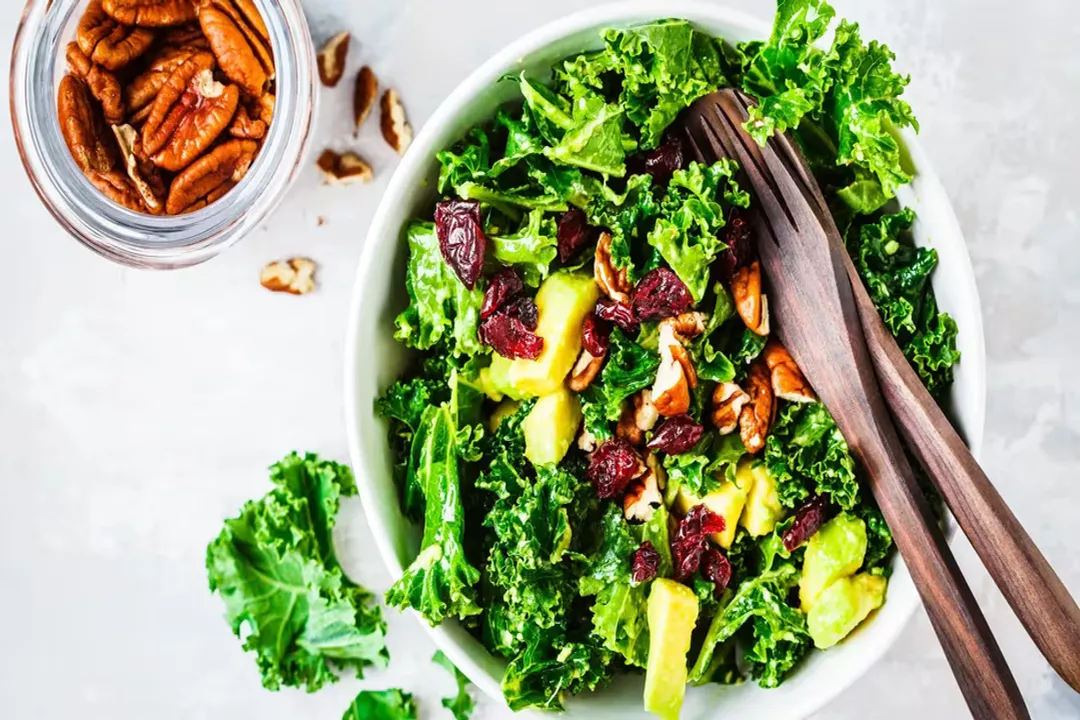
Whether you prefer it crisp or blended, kale’s versatility allows it to fit into various eating patterns. [1][5] For those who enjoy it raw, the texture can sometimes be slightly tough or bitter. A simple technique to improve digestibility is to briefly scrunch the leaves in your hands before adding them to a salad or wrap; this gentle action helps break down some of the fibrous structure. [5]
Making kale chips is a popular snack method. The secret to achieving that desirable crunch, even when the purple pigment disappears, lies in ensuring the leaves are thoroughly dried after washing, often best achieved with a salad spinner, followed by patting them dry. [3] When spreading them on the tray for baking, keeping them in a single layer without overcrowding is another critical step for crispness. [3] For those whose palates resist the flavor when eaten alone, blending it into a smoothie with fruits and other vegetables is an effective way to ingest all the nutrients without significantly altering the overall taste. [1][2]
# Cautionary Notes
While kale is safe and beneficial for most people, a few considerations warrant attention due to its high concentration of specific nutrients. [1][4]
First, because kale is an excellent source of Vitamin K, individuals taking anticoagulant medications, commonly known as blood thinners like Warfarin, must maintain a consistent intake. [1][4] A sudden, drastic increase or decrease in Vitamin K can interfere with how effectively the medication works to prevent clotting. [1][5] It is essential to consult a physician before making significant dietary changes. [4]
Second, due to its high potassium content, those managing chronic kidney disease should moderate their consumption, as compromised kidneys may struggle to excrete excess potassium safely. [1][5] Similarly, people taking certain medications like beta blockers for heart disease can experience increased potassium levels in the blood, meaning high-potassium foods like kale should be consumed in moderation unless advised otherwise by a doctor. [5]
Finally, like many leafy greens, kale can sometimes harbor pesticides if not sourced carefully, so thorough rinsing under cold running water before preparation is always recommended. [1][5]
Incorporating this vibrant vegetable into your regular rotation means you are choosing a food dense with compounds that actively work to reduce inflammation, support vision, aid digestion, and potentially lower cholesterol. The purple variant simply gives you a head start on the antioxidant front thanks to those beneficial anthocyanins. [3]
Related Questions
#Citations
9 Health Benefits of Kale - Healthline
Why purple kale is better than green kale Archives - Swoon Food
Kale: What It Is, Nutrition and Benefits - Health Cleveland Clinic
Kale: Health benefits, nutrition, eating, and risks - Medical News Today
Top 5 health benefits of kale - BBC Good Food