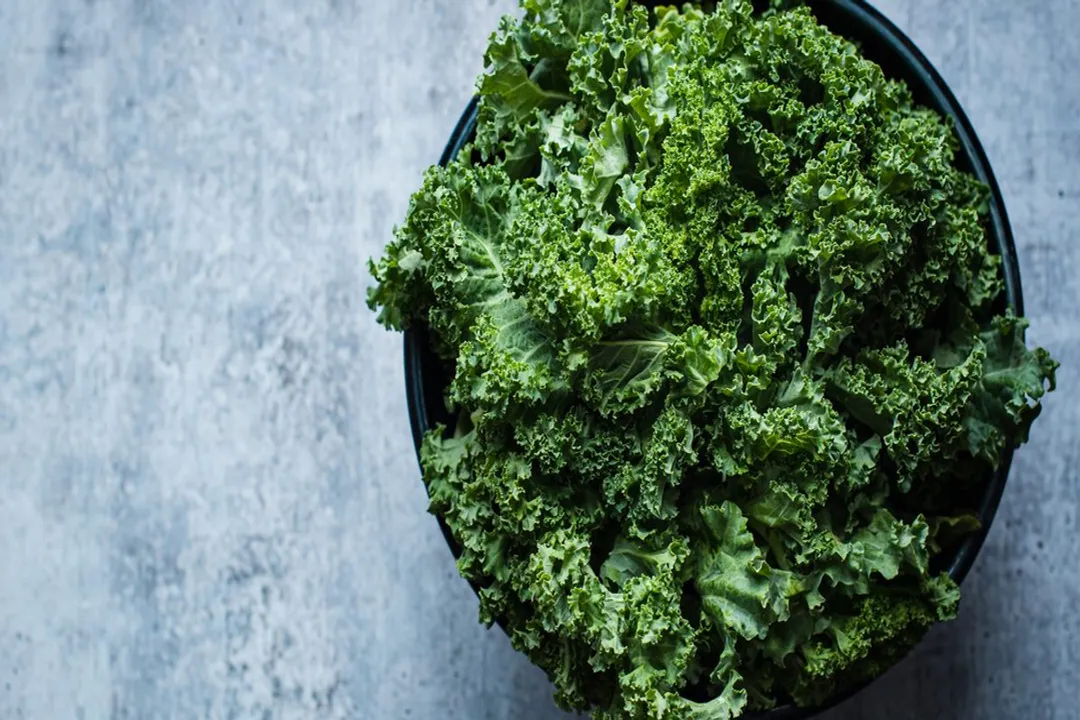
Which two compounds derived from kale's Brassicaceae membership help prevent cancer by blocking formation?
Sulforaphane and indole-3-carbinol
As a member of the Cruciferous vegetable family, Brassicaceae, kale is noted for containing unique molecules celebrated for their potential anti-cancer properties. Two of the most notable compounds identified are sulforaphane and indole-3-carbinol (which can break down into diindolylmethane). These molecules are hypothesized to exert their protective effects by intervening early in the cellular processes, specifically by blocking cancer formation at a molecular level. Furthermore, they are believed to support the body's natural mechanisms for breaking down nascent, newly forming cancer cells before they gain the opportunity to multiply uncontrollably. While research involving human trials is still evolving, the presence of these specific protective agents is a defining characteristic of cruciferous vegetables like kale.