Health Benefits of Kale

Kale, often hailed as the reigning monarch of the leafy green vegetables, has earned its reputation as a genuine superfood through an incredibly dense nutritional profile. Moving beyond its sometimes bitter flavor profile, this cruciferous powerhouse offers tangible support for numerous bodily systems, ranging from eye health to bone integrity. For those looking to substantially increase their intake of vital micronutrients without adding significant calories, incorporating kale regularly into the diet presents a highly effective strategy. Its popularity isn't merely a trend; it stems from a foundation of impressive, well-documented nutritional contributions.
# Vitamin Richness
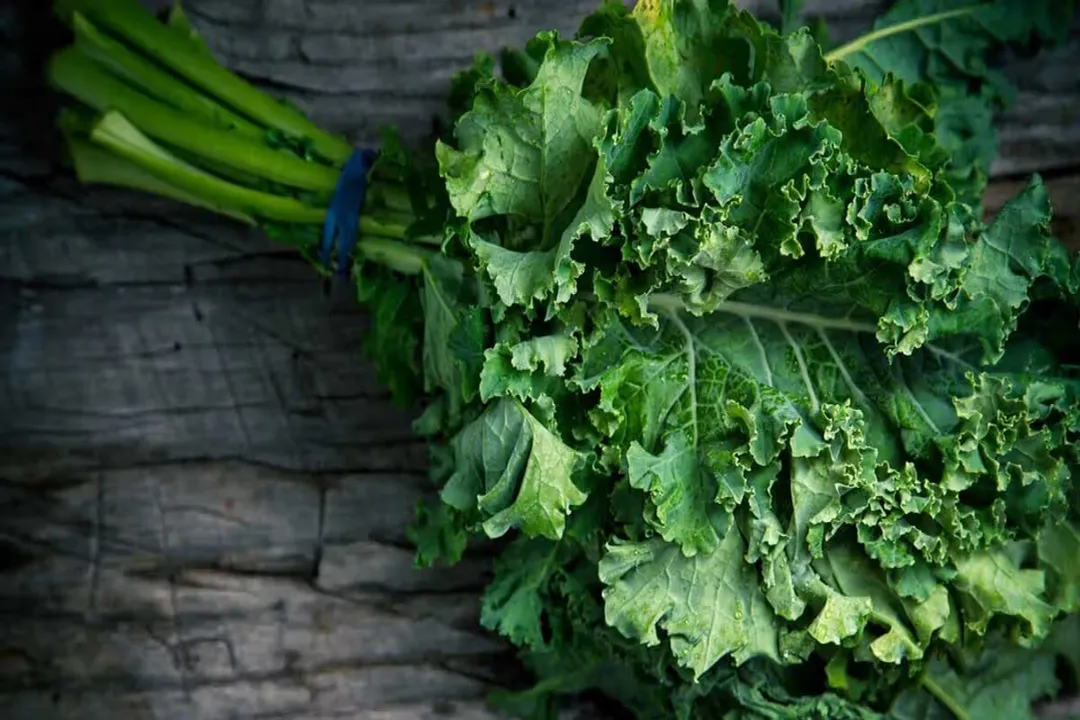
The sheer concentration of vitamins found in even a modest serving of kale is remarkable. It stands out particularly for its staggering Vitamin K content. A single cup of raw kale can easily supply several times the daily recommended intake of this crucial vitamin, making it one of the best dietary sources available. Beyond Vitamin K, kale is also an excellent source of Vitamin C, often containing more per serving than many commonly cited sources like oranges. Vitamin C is essential for immune function and acts as a powerful antioxidant. Furthermore, kale is packed with Vitamin A, primarily in the form of beta-carotene, which the body converts into the active form of the vitamin. This vitamin is fundamental for maintaining good vision and supporting healthy cell growth.
# Antioxidant Load
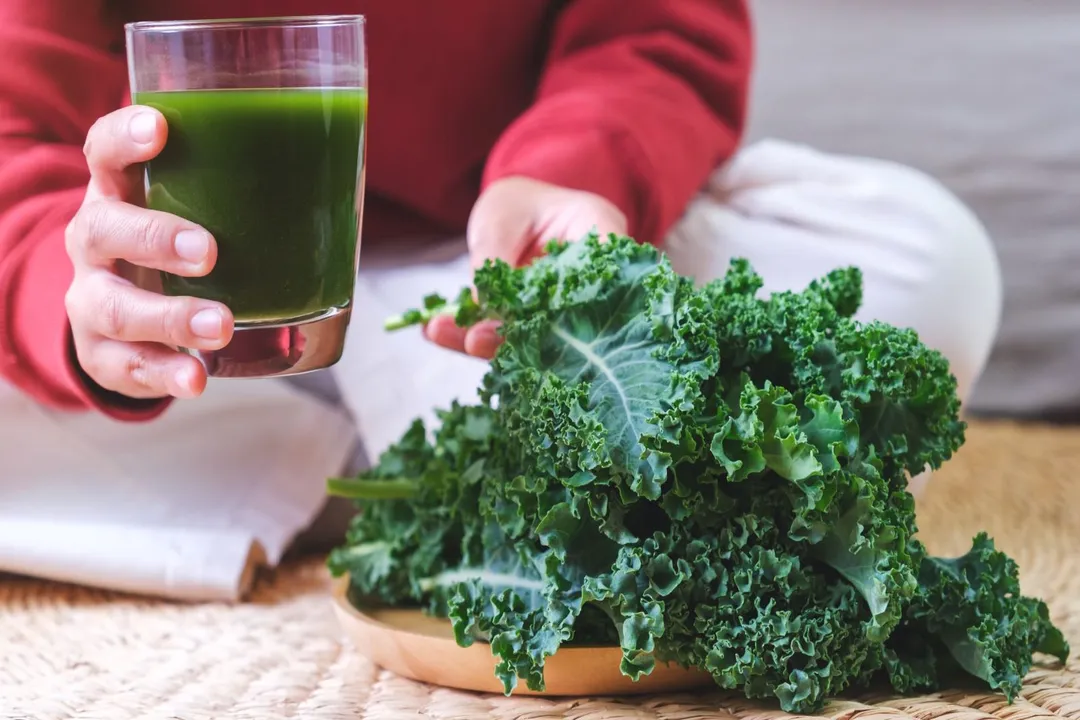
The protective capacity of kale extends well beyond basic vitamins due to its high content of various antioxidants. These compounds work within the body to neutralize harmful free radicals, unstable molecules that can contribute to cellular damage and chronic illness. Among the most notable antioxidants present are quercetin and kaempferol. Studies suggest that kale contains significantly higher amounts of these specific compounds compared to many other common vegetables. For instance, kale often harbors over five times more quercetin than spinach. These flavonoids are linked to various protective effects, including potential anti-inflammatory actions within the body. Considering the cumulative effects of these various protective agents, a regular intake helps build internal resilience against oxidative stress.

# Cardiovascular Support
Maintaining a healthy heart involves managing several key factors, and kale contributes positively to this balance. Its fiber content plays a significant role, as dietary fiber helps bind with bile acids in the digestive tract, encouraging the body to use up existing cholesterol to produce more, thereby helping to lower overall blood levels of LDL (often termed "bad" cholesterol). Additionally, kale provides essential minerals like potassium, which is vital for blood pressure regulation because it helps balance the negative effects of sodium. Some research also suggests that certain compounds in kale may help reduce the risk of heart disease by improving cholesterol profiles. When preparing kale, remember that adding a small amount of healthy fat, such as a drizzle of olive oil, not only improves the flavor but also enhances the absorption of fat-soluble vitamins like Vitamin A and K. This simple pairing technique, often overlooked in casual preparation, effectively maximizes the nutritional return on the vegetable you are consuming.
# Bone Strength
The relationship between diet and skeletal health is often associated primarily with calcium and Vitamin D, but Vitamin K is an equally silent superstar, and kale delivers it in spades. Vitamin K is necessary for the activation of proteins involved in bone mineralization, most notably osteocalcin. Without sufficient activated osteocalcin, the body cannot properly deposit calcium into the bone matrix, potentially leading to weaker bones over time. Because one cup of raw kale can provide well over the daily adequate intake of Vitamin K, regularly including it is a proactive step for maintaining bone density as one ages. To put this massive contribution into perspective, a single serving of kale can often provide a quantity of Vitamin K that is many times greater than the general daily requirement, far exceeding what is found in staples like milk or eggs.
# Vision Protection
Protecting the eyes from damage caused by blue light and oxidative stress is an area where kale truly shines, largely due to its carotenoid content. Specifically, kale is rich in lutein and zeaxanthin. These two carotenoids are highly concentrated in the macula, the central part of the retina responsible for sharp, central vision. Regular consumption of foods rich in lutein and zeaxanthin has been scientifically associated with a reduced risk of developing age-related macular degeneration (AMD) and cataracts, two common vision impairments. Ensuring a steady intake of these specific pigments through greens like kale can be a simple, dietary measure to support long-term sight quality.
# Gut Health
A happy digestive system relies heavily on consistent intake of dietary fiber, and kale is a commendable source of this often-underconsumed nutrient. Fiber adds bulk to stool, which aids in promoting regular bowel movements and preventing constipation. Furthermore, the fiber found in vegetables like kale feeds the beneficial bacteria residing in the colon. This process of feeding the gut microbiome produces short-chain fatty acids, which are important for colon health and may play a role in systemic inflammation management. Incorporating kale into meals helps ensure you are meeting your daily fiber goals without relying solely on processed grains.

# Kale Types
Not all kale is created equal in terms of texture or flavor, offering consumers several excellent options for culinary exploration. The common variety, often labeled as Curly Kale, has tight, ruffled leaves and a slightly bitter taste that mellows when cooked. Lacinato Kale, sometimes called Dinosaur or Tuscan kale, features dark, bumpy, flatter leaves and is often prized for having a milder, sweeter flavor profile compared to its curly cousin. Then there is Red Russian Kale, which has flat, broad leaves with reddish-purple stems, generally offering a sweeter and more delicate taste. Understanding these differences allows cooks to select the best variety for a specific dish, whether a hardy sauté or a lighter salad base.
# Preparation Methods
While raw kale is exceptionally nutritious, preparing it correctly can make a significant difference in both palatability and nutrient bioavailability. Massaging raw kale—literally rubbing the leaves with a bit of oil, lemon juice, or vinegar for a few minutes—helps break down the tough cellular structure, making it significantly less tough and easier to chew and digest. This mechanical action tenderizes the leaves beautifully for salads. When cooking, steaming or lightly sautéing kale is generally preferred over boiling, as boiling can cause water-soluble vitamins, like Vitamin C, to leach out into the cooking water. For those struggling with the mineral density of kale, especially the presence of oxalates which can bind minerals like calcium, a quick blanching step—boiling for just 30 seconds and immediately plunging into ice water—can significantly reduce oxalate levels while retaining a high percentage of heat-stable vitamins like Vitamin A and K. This small adjustment in technique ensures that your body can absorb the maximum available goodness from the leaf structure.
# Detoxification Support
Kale belongs to the cruciferous family of vegetables, which are famous for containing compounds that support the body’s natural detoxification processes. These vegetables contain glucosinolates, sulfur-containing compounds that the body converts into biologically active compounds like isothiocyanates. These isothiocyanates have been the subject of extensive research due to their potential role in aiding the liver's phase I and phase II detoxification pathways, which are essential for neutralizing and eliminating environmental toxins. While the body manages detoxification naturally, diet plays an important supportive role, and including cruciferous vegetables like kale is a recognized dietary strategy in this area.
# Weight Management
For individuals focused on maintaining a healthy weight, kale is an excellent addition to the plate because it provides a high volume of nutrients with very few calories. It is extremely low in energy density. This means you can consume a substantial amount of kale—filling your stomach and promoting satiety—without contributing many calories to your overall daily intake. This feeling of fullness, driven by the combination of water and fiber content, can naturally help moderate appetite throughout the day.
#Videos
Kale: Benefits of a superfood powerhouse - Mayo Clinic Health System
Related Questions
#Citations
9 Health Benefits of Kale - Healthline
Kale: Discover Superfood Secrets - Mayo Clinic Health System
5 Reasons to Eat More Kale | St. Vincent's Medical Center
5 Amazing Health Benefits of Kale: Dr. Fernando Membreno
Kale: What It Is, Nutrition and Benefits - Health Cleveland Clinic
Kale: Benefits of a superfood powerhouse - Mayo Clinic Health System
Improving the Health-Benefits of Kales (Brassica oleracea L. var ...
Health Benefits of Kale - WebMD