Which color variation of bell pepper represents an unripe stage with substantially lower levels of Vitamin A and C?
Answer
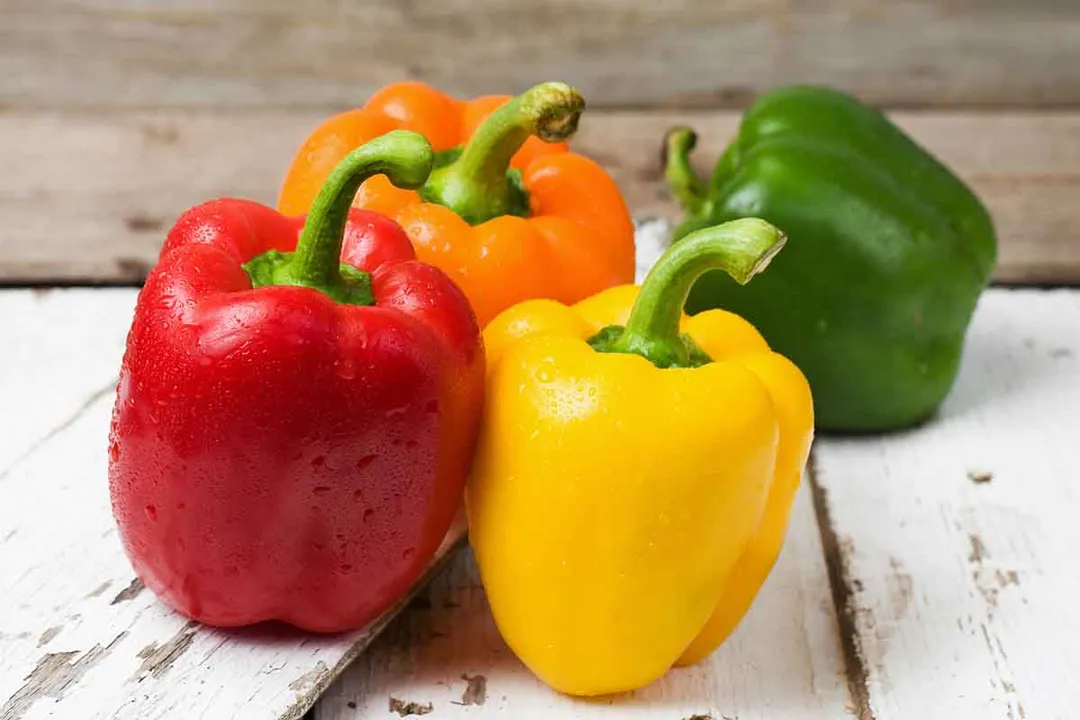
Green bell pepper
The color of a bell pepper directly correlates with its maturity level and, consequently, its nutritional profile. Green bell peppers are structurally the same fruit but represent the initial, unripe stage of development. As the pepper matures, it progresses through color stages, usually reaching yellow or orange before finally ripening to the deep red hue. This ripening process involves a dramatic shift in nutrient concentration. Specifically, a fully ripened red bell pepper contains substantially greater amounts of key vitamins, notably Vitamin A (as beta-carotene) and Vitamin C, compared to the same quantity of its green, undeveloped counterpart.
Related Questions
What structural protein requires Vitamin C synthesized from red bell peppers for healthy skin and ligaments?Which specific carotenoids found in red bell peppers accumulate in the eye's macula to potentially decrease long-term ocular risks?How does consuming Vitamin C alongside plant-based iron sources, like lentils or spinach, benefit nutrient absorption?Which color variation of bell pepper represents an unripe stage with substantially lower levels of Vitamin A and C?Which B vitamin, found adequately in red bell peppers, is necessary for synthesizing the mood-regulating neurotransmitter serotonin?Which specific carotenoid is primarily responsible for bestowing the distinctive, vibrant red color upon ripened bell peppers?How does the elevated potassium content found in red bell peppers support overall cardiovascular function?To maximize the intake of water-soluble Vitamin C, what preparation method is recommended for red bell peppers?What nutritional component present in red bell peppers becomes more bioavailable when the peppers are subjected to cooking processes?How does the nutritional profile of a ripe red bell pepper compare to an average orange in terms of ascorbic acid content?