What key nutritional component increases dramatically as bell peppers transition color from green to red?
Answer
Beta-carotene levels
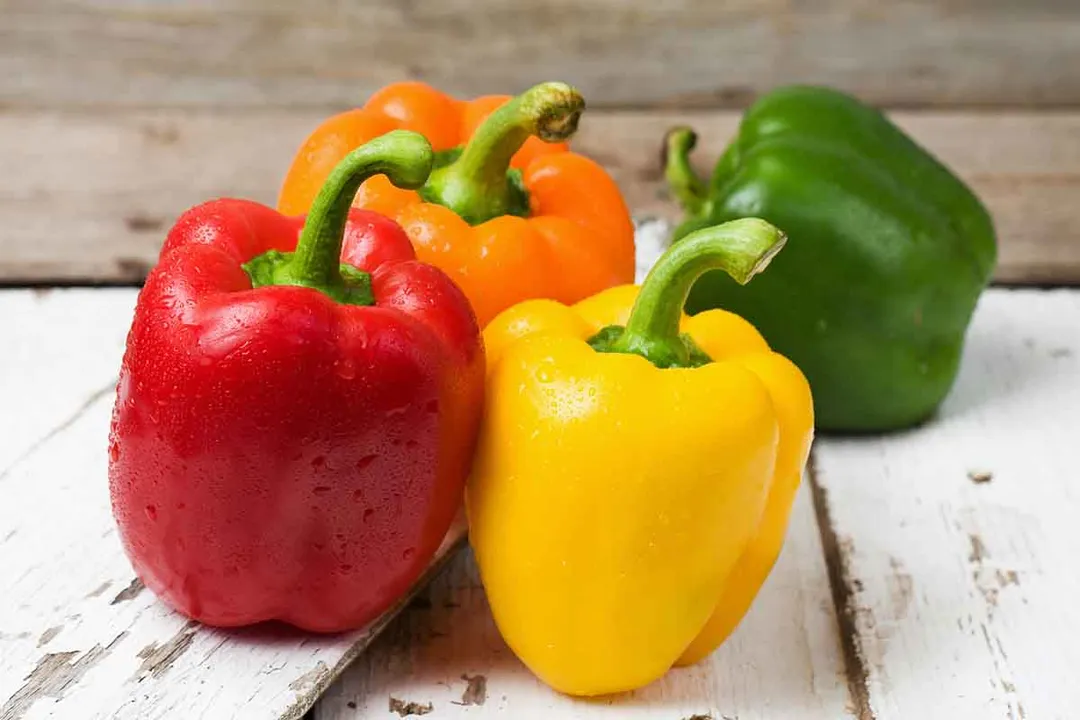
The maturation process of a bell pepper, signified by its color change from green to yellow, orange, and finally red, corresponds directly with a significant surge in its beta-carotene content. Beta-carotene is an essential precursor molecule, meaning the body converts it into active Vitamin A. Vitamin A plays fundamental roles in maintaining proper immune system function, ensuring good vision health, and facilitating normal cell growth throughout the body. Therefore, the shift to deeper colors visually signals a substantial increase in the potential for Vitamin A delivery from the vegetable.
#Videos
Bell Peppers 101-Nutrition Facts & Health Benefits - YouTube
Related Questions
What percentage of RDI for Vitamin C can a medium red bell pepper easily provide?Which two specific carotenoids found in bell peppers are concentrated in the macula for eye protection?What key nutritional component increases dramatically as bell peppers transition color from green to red?Why is consuming bell peppers raw generally ideal for achieving maximum Vitamin C intake?Besides immune system support, what specific role does Vitamin C play in nutrient absorption from plant foods?What specific antioxidant pigment is responsible for the deep red color in red bell peppers?How does the nutritional profile of green bell peppers typically compare to their yellow/orange or red counterparts?What physiological function is associated with Vitamin B6 found in bell peppers?What nutritional advantage might result from lightly sautéing bell peppers instead of boiling them when targeting carotenoid absorption?What specific eating strategy are the low caloric density (30 to 40 calories) and high water content of raw peppers conducive to?What is the botanical family name for bell peppers, which differentiates them from hot chili peppers?