Health Benefits of Blood orange

This vibrant citrus fruit, distinguished by the spectacular crimson streaks that paint its flesh, offers far more than just a unique visual appeal. Often overshadowed by its common cousins, the blood orange presents a particularly concentrated package of health-promoting compounds, stemming largely from the very pigments that give it its memorable name. While sharing the foundational goodness of other oranges, the presence of anthocyanins sets it apart, leading researchers to describe it as taking the healthy game to a new level. Getting familiar with these unique benefits means understanding the specific components working beneath that reddish-orange rind.
# Pigment Power
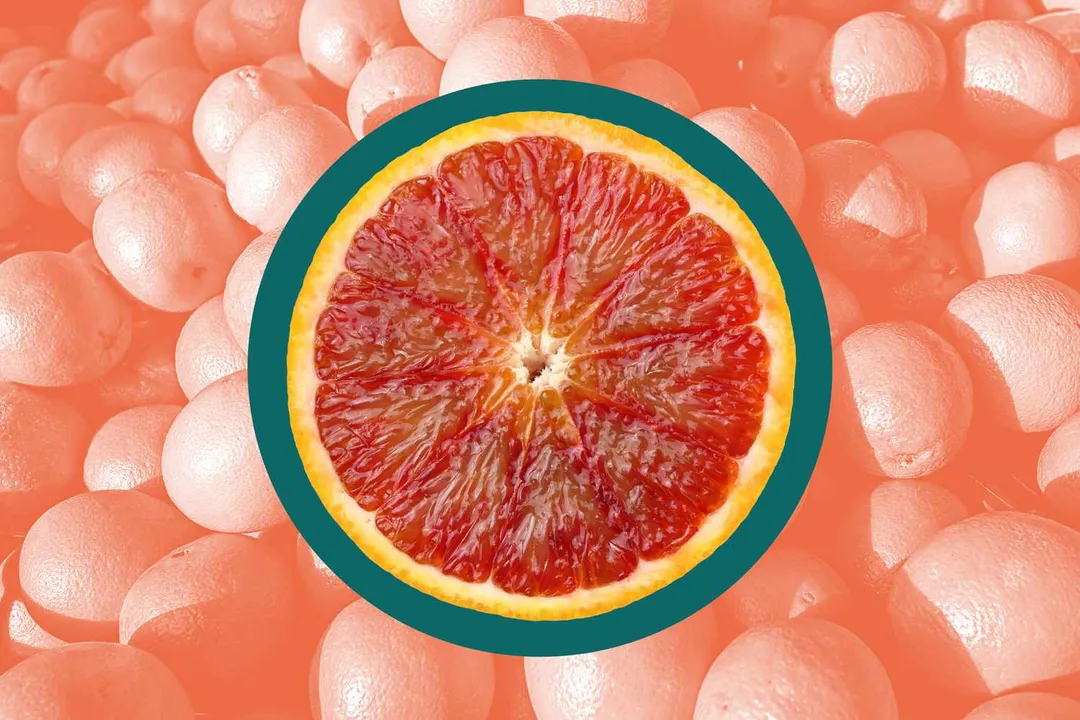
The striking, almost bruised-looking color of a blood orange is its most immediate identifier, and this visual marker points directly to its nutritional advantage. This deep red, purple, or crimson hue is derived from anthocyanins, which are flavonoid pigments typically found in high concentrations in berries and flowers, but rarely within the citrus family. In the world of antioxidants, anthocyanins are considered particularly potent, with the main component often identified as cyanidin-3-O-β-glucoside (C3G).
The concentration of these compounds is substantial enough to deliver a significant nutritional punch. One source suggests that the high level of anthocyanins in blood oranges provides nine times the antioxidant impact compared to a standard navel orange. To put that into perspective, one would need to consume nearly five pounds of a typical orange to equal the effect delivered by a single blood orange concerning these specific pigments. This makes the blood orange an incredibly cost-effective way to consume high levels of these powerful compounds when compared to other, pricier anthocyanin-rich options like blueberries or cherries.
It is important to note that the overall antioxidant efficiency of red orange juice is often attributed significantly to its total phenols, with ascorbic acid (Vitamin C) playing a seemingly lesser role in that overall measure. These antioxidants work by neutralizing unstable molecules called free radicals, which are responsible for oxidative stress and cell damage, contributing to aging and degenerative conditions.
Given that anthocyanins are relatively unstable under certain conditions, and processing like pasteurization can lead to a remarkable loss of their antioxidant power, integrating the fruit when it is at its peak—either fresh or as a freshly pressed juice—is the ideal way to capture the full benefit of these delicate compounds. For instance, incorporating raw, juicy slices into a mixed green salad or whipping up a cold, fresh juice maximizes the delicate balance of tartness and sweetness while preserving the unique anthocyanin structure.
# Immune Support
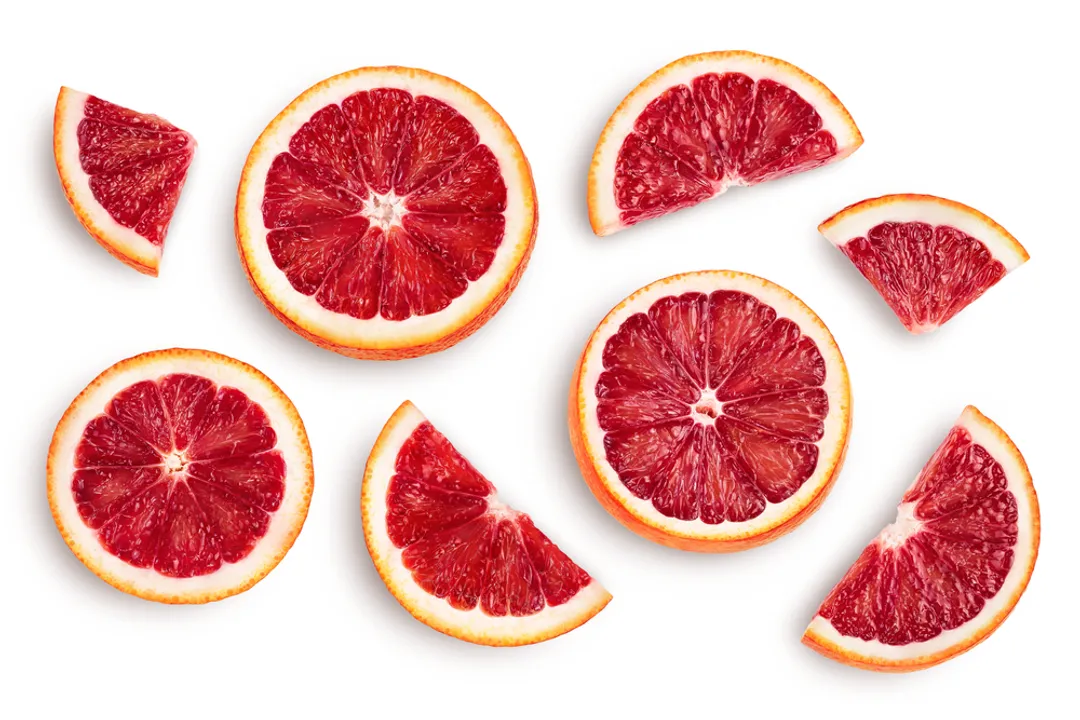
Like all oranges, the blood orange is an exceptional source of Vitamin C (ascorbic acid). This essential micronutrient is water-soluble, meaning the body doesn't stockpile it, necessitating regular replenishment through diet. A single medium blood orange can supply a significant portion of the average adult’s daily Vitamin C requirement.
Vitamin C’s role in health is multifaceted. It acts as a foundational antioxidant, helping to neutralize harmful free radicals and reduce inflammation, which in turn may help ward off cellular damage associated with chronic issues like cancer and diabetes. Furthermore, Vitamin C is crucial for the production of collagen, the primary component of connective tissues, which aids in wound healing and maintains the structural integrity of blood vessels and skin. From an immune perspective, adequate Vitamin C intake is vital for keeping the body's primary infection fighters, the white blood cells, operating efficiently, especially when the body is under stress or fighting an infection. Studies suggest that supplementing with Vitamin C may shorten the duration and lessen the severity of upper respiratory infections.
It is fascinating to observe that while Vitamin C is a powerful antioxidant, specific studies have shown that a single serving of red orange juice provides early protection against DNA damage in blood cells that a supplemental drink containing only the same amount of Vitamin C did not offer. This suggests that the complete profile of phytochemicals working together is what maximizes the immediate protective effect, rather than just focusing on the ascorbic acid content alone.

# Gut Health
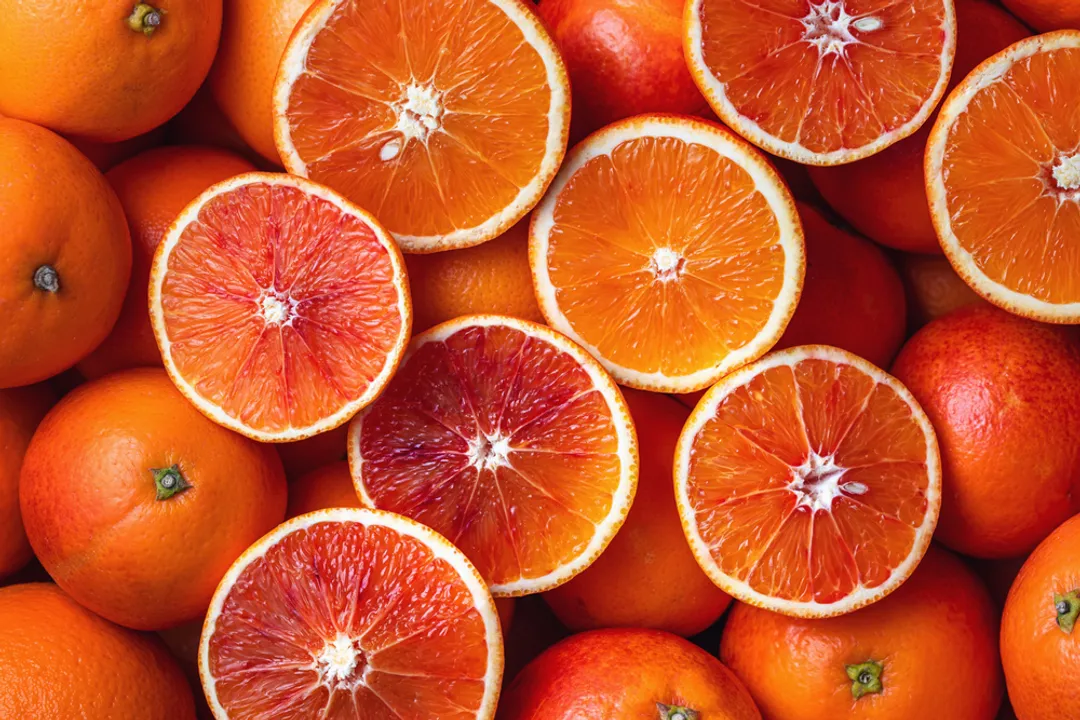
A key nutritional profile component shared across all citrus fruits, which blood oranges maintain well, is dietary fiber. A medium blood orange delivers close to 3 grams of this indigestible carbohydrate. Fiber is essential for maintaining digestive regularity; it softens stool and adds bulk, actively preventing issues like constipation.
In the digestive tract, fiber performs two important tasks. The soluble form dissolves in water to create a gel-like substance in the stomach, which can help slow down the digestive process, promoting a longer feeling of fullness, which can be helpful for weight management. Insoluble fiber works as a prebiotic, essentially feeding the beneficial communities of bacteria in your gut microbiome. Research underscores the importance of a healthy gut microbiome, noting its involvement in overall digestion, immune system regulation, and heart health. For those trying to manage their system, adding more fiber through foods like blood oranges can be a natural path toward better digestive function.
# Heart Focus
The compounds concentrated within the blood orange appear to offer notable support for the cardiovascular system through multiple avenues, largely attributed to their anti-inflammatory and antioxidant capabilities.
Flavonoids, which are abundant in citrus juices, have been shown in studies to influence cholesterol levels by helping to lower "bad" LDL cholesterol and potentially raising the "good" HDL cholesterol. Furthermore, consuming Vitamin C regularly has been associated with significant reductions in LDL cholesterol in some research. The flavonoids may also contribute to healthy blood pressure regulation and overall protection of the endothelium (the inner lining of blood vessels).
More compellingly, in studies involving healthy subjects and those at higher cardiovascular risk, consuming red orange juice has been demonstrated to improve endothelial functions, specifically by improving flow-mediated dilation and reducing systemic inflammation markers. Additionally, the flavonoids in these fruits may contribute to reducing the risk of ischemic strokes, particularly in women, according to recent findings. Considering that many of these beneficial compounds, like anthocyanins, protect biomembranes and combat oxidative damage that contributes to conditions like atherosclerosis, regular intake forms a natural defense strategy.
# Pregnancy Nutrients
Expecting mothers can benefit from the specific nutrient composition of blood oranges. These fruits are a notable source of folate (Vitamin B9), a nutrient recognized as vital for preventing neural tube defects and supporting healthy fetal neural development. Folate is so critical that women are frequently advised to ensure adequate intake during pregnancy.
Beyond folate, the high Vitamin C content also plays a role in supporting healthy fetal and infant growth, as suggested by some research examining maternal fruit intake during pregnancy. Moreover, the fiber content may assist in preventing pregnancy-related issues such as constipation, preeclampsia, and diabetes. In an interesting observation, some studies indicated that children whose mothers consumed more citrus fruits during pregnancy experienced lower incidences of hyperactivity and behavioral concerns later in childhood.
# Skin Care
While the health benefits derived from eating blood oranges are vast, the fruit also has specific advantages for maintaining skin health, primarily when consumed internally. The Vitamin C content is a major player here, as it is essential for the body to produce collagen, which maintains skin elasticity, firmness, and hydration, helping to minimize the appearance of sagging skin. Vitamin C can also contribute to a brighter complexion and help diminish dark spots related to sun exposure.
The powerful anthocyanins provide their antioxidant strength to the skin by neutralizing the free radicals generated by environmental stressors like pollution and UV rays, thereby protecting against oxidative stress. Furthermore, the presence of folic acid (Vitamin B9) supports the regeneration and repair of skin cells, which can aid in healing minor wounds and improving overall texture.
It is crucial, however, to understand the difference between consuming these nutrients and applying them topically. Experts suggest that the skin acts primarily as a defense organ, often eliminating external antioxidants rather than absorbing them efficiently for systemic benefit. Therefore, while the skin may benefit from topical extracts, the most pronounced and scientifically supported advantages for skin health are realized when the fruit’s components are metabolized through diet. A practical application here is realizing that because blood oranges are rich in water content, consuming them is also a simple way to contribute to overall skin hydration.
# Metabolic Balance
For those focused on managing their weight or maintaining healthy metabolic markers, blood oranges present an appealing option due to their nutrient density relative to their caloric load. They are relatively low in calories and contain virtually no fat, while delivering a respectable amount of fiber. As mentioned, the fiber prolongs digestion, enhancing satiety and potentially reducing overall caloric intake by curbing hunger pangs.
The sugars present in blood oranges are offset by the high fiber content, resulting in a generally low glycemic index (reported between 30–50). This profile suggests that the energy from the fruit is released slowly, allowing the body to process it more efficiently rather than causing a sharp sugar spike which might otherwise be stored as fat.
Beyond general weight management, specific research focusing on the Moro variety has shown promising effects in animal models. Consumption of Moro juice has been observed to limit weight gain, improve insulin sensitivity, and decrease levels of serum triglycerides and total cholesterol in mice. These anti-obesity effects are thought to be mediated by the synergistic action of multiple components, including the anthocyanins, which display insulin-like effects. If you are concerned about adding fruit to a controlled diet, balancing your intake is key; if a medium standard orange provides X amount of sugar, a blood orange provides a similar sugar load but comes with a significantly higher package of unique, protective anthocyanins. Prioritizing the blood orange when available ensures you gain that extra antioxidant concentration without substantially altering your macronutrient goals.
# Cultivar Notes
The term "blood orange" actually encompasses several distinct varieties, each with slight variations in flavor, texture, and pigmentation intensity, which can impact their specific nutrient profiles.
- Moro: This is often cited as the most intensely colored, described as a "deep blood orange" with flesh ranging from ruby to vivid crimson, sometimes nearly black. It is reported to contain the highest concentration of the beneficial anthocyanins. Its flavor often carries a distinct hint of raspberry.
- Tarocco: This variety is frequently referred to as "half-blood" because its red pigmentation is less pronounced than the Moro's. It is generally regarded as the sweetest and most flavorful of the main types.
- Sanguinello: Similar in characteristics to the Moro but often slightly less intense in color and flavor.
The variety grown matters, as studies comparing juices have found that cultivars like Moro contain higher levels of specific anthocyanins compared to others.
# Storage Science
An area of emerging interest involves how the environment after the fruit is picked influences its final nutritional value. Researchers have investigated post-harvest storage temperatures to see if they can naturally enhance the fruit’s already impressive properties.
One study demonstrated that storing blood oranges for 60 days at cooler temperatures, specifically in the range of (), proved most effective for preserving physicochemical qualities while significantly boosting anthocyanin accumulation, phytochemical content, and overall antioxidant activity. This is particularly relevant for blood oranges grown in warmer, tropical, or subtropical regions where the cool nighttime temperatures needed for anthocyanin development do not naturally occur before harvest. The finding suggests that by using optimized, cold storage regimens post-harvest, farmers can naturally enhance the fruit’s health benefits and visual appeal before it reaches the market. This presents a simple, natural strategy to maximize nutrient density, especially for fruit sourced from areas that don't naturally favor pigment development.
It is also worth considering that organically grown red oranges have been shown in some cell culture systems to possess higher total antioxidant activity, correlated with elevated levels of total phenolics, anthocyanins, and ascorbic acid when compared to their conventionally grown counterparts. This comparison highlights the potential benefit of seeking out organically cultivated fruit when possible for the highest possible concentration of beneficial bioactives.
#Videos
Benefits of blood oranges with Nutritionist Jen Avis - YouTube
Related Questions
#Citations
The benefits of blood oranges on the skin - Hunimed
Health Benefits of Blood Oranges - WebMD
7 Unique Benefits of Blood Oranges - Healthline
6 amazing blood orange benefits for skin - UpCircle
Red Orange: Experimental Models and Epidemiological Evidence of ...
Are Blood Oranges Good For You? - Dracula Citrus USA
Discover the Health Benefits of Red Oranges
Scientists Found a Way to Make Blood Oranges Even Healthier
Benefits of blood oranges with Nutritionist Jen Avis - YouTube