Health Benefits of Saskatoon berry
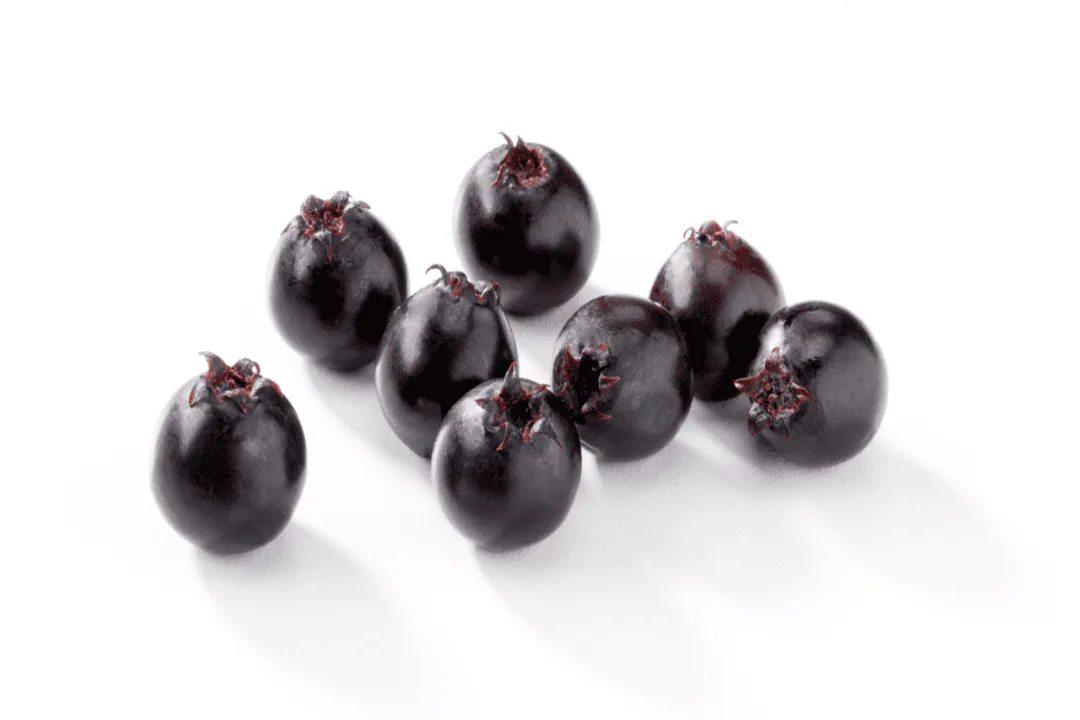
The Saskatoon berry, native to the western regions of North America including the Canadian Prairies and northwestern U.S. states, presents a compelling case for inclusion in the daily diet, far beyond its pleasant, sweet, nutty, and sometimes acidic flavor profile. Often mistaken for a blueberry due to its similar appearance—round, reddish-purple, deep blue, or black when ripe—the Saskatoon berry, scientifically named Amelanchier alnifolia Nutt., is botanically closer kin to the apple, belonging to the Rosaceae family. Indigenous peoples utilized this fruit, sometimes referred to as a Juneberry or serviceberry, for centuries, even incorporating it into Pemmican as a staple survival food, and traditionally brewing teas from its twigs and leaves to address ailments like diabetes.
# Rich Nutritional Profile

Saskatoon berries are celebrated for their high nutritional density, offering an impressive array of vitamins, minerals, and fiber in a relatively low-calorie package. A standard 100-gram serving contains about 85 calories, with just 1 gram of protein and 1 gram of fat. Carbohydrate content is around 19 grams, but importantly, only 11 grams of that is sugar, making them appealing for those monitoring glucose intake. The total dietary fiber content is notably high, registering around 8 grams per 100 grams, equating to about 20% of the recommended daily intake.
When comparing these small fruits to the common blueberry, Saskatoon berries demonstrate clear advantages in certain micronutrients. They contain approximately twice the amount of Vitamin C and seven times the amount of calcium found in blueberries. Essential vitamins present include Vitamin A, which supports vision and the immune system, and Vitamin E, known for its antioxidant properties. Furthermore, they are excellent sources of B-vitamins, specifically Riboflavin (B2), Folate (essential for new cell growth), and Biotin (Vitamin B7). A single 100g serving can supply about 67% of the daily recommended intake for Biotin.
The mineral composition is equally significant. Saskatoon berries are particularly rich in manganese, which is crucial for bone health, connective tissue formation, and serving as a co-factor for enzymes involved in carbohydrate and cholesterol metabolism. Some sources suggest a 100g serving can provide up to 70% of the daily recommended value for manganese. They also supply ample iron, vital for oxygen transport via hemoglobin, helping to guard against fatigue and anemia, and potassium, which helps balance sodium levels to maintain healthy blood pressure and counteract hypertension, offering support against stroke and heart disease.
# Phytochemical Complexity
The true depth of the Saskatoon berry's health potential lies within its high concentration of polyphenolic compounds, which are thought to be the primary functional components. These polyphenols are generally responsible for the fruit’s dark color and are found predominantly beneath the skin. The most abundant of these are the flavonoids, which are categorized into seven subclasses, including flavanols, flavonols, and anthocyanidins.
# Anthocyanins Lead the Color
Anthocyanins are the water-soluble pigments that give the berries their characteristic blue and purple hues. Saskatoon berries are reported to be among the richest sources of anthocyanins found in any fruit, with total levels comparable to wild blueberries and higher than raspberries or strawberries. The principal anthocyanins identified are cyanidin-3-glucoside (C3G) and cyanidin-3-galactoside (C3Ga), with C3G levels in ripe fruit being notably higher than in many other common berries.
These anthocyanins are powerful antioxidants. Specifically, research indicates that they possess anti-inflammatory properties that may mimic those of non-steroidal anti-inflammatory drugs (NSAIDs) like ibuprofen and aspirin, as they function as cyclooxygenase (COX) inhibitors. By inhibiting COX enzymes, they reduce the formation of prostaglandins, the compounds responsible for pain and inflammation signaling. Furthermore, C3G has been shown in cellular studies to suppress the production of inflammatory cytokines like TNF-, IL-1, and IL-6, by interfering with signaling pathways such as MAPK and NF-B.
# Flavonols and Phenolic Acids
Another significant flavonoid subclass present is the flavonols, with quercetin and its derivative rutin being key examples. Quercetin is associated with improving cardiovascular health and reducing inflammation. Rutin demonstrates potent anti-inflammatory action by inhibiting the protein PDI, which is involved in thrombosis (blood clot formation), and by inhibiting HMGB1, a protein central to triggering inflammation.
Beyond these, Saskatoon berries contain several notable hydroxycinnamic acids, including caffeic acid, chlorogenic acid, and ferulic acid. Caffeic acid is being researched for its anti-cancer properties, shown to induce programmed cell death (apoptosis) in cancerous cells through molecular domino effects. Chlorogenic acid, also found in coffee, is linked to anti-diabetic activity by delaying glucose absorption in the gut and promoting glucose uptake in muscle cells via the AMPK enzyme. Meanwhile, ferulic acid has demonstrated the ability to mitigate the damaging effects of UV radiation on skin, including reducing collagen degradation.
# Cardioprotective Potential
The wealth of bioactive compounds translates directly into measurable support for the cardiovascular system. The high antioxidant content counters oxidative stress, which is a major contributing factor to the development of heart disease. Specifically, anthocyanins like C3G, C3Ga, and D3G have been shown in vascular endothelial cell studies to counteract the negative effects of glycated LDL (glyLDL) and oxidized LDL (oLDL), which typically increase reactive oxygen species (ROS) production and disrupt mitochondrial function.
The soluble fiber component in Saskatoon berries also plays a direct role in cholesterol management by binding to cholesterol in the digestive system, aiding its removal from the body. Coupled with their potassium content, which aids in blood pressure regulation by balancing sodium levels, these berries offer a multi-pronged approach to heart health. Interestingly, when comparing the fiber content per 100g, Saskatoon berries (5.7g) fall neatly between raspberries (6.5g) and blueberries (2.4g), yet their overall antioxidant capacity (ORAC value) dramatically outpaces both, measuring 7,570 compared to around 4,669 for blueberries and 5,065 for raspberries.
When sourcing Saskatoon berries for maximum cardiovascular benefit, it is worth noting that different cultivars, such as 'Smoky', 'Nelson', and 'Thiessen', exhibit variations in their total anthocyanin content. If purchasing from a local farm that lists the variety, understanding the specific cultivar might offer a clue as to the potential concentration of these protective compounds, although human validation of these cultivar-specific benefits is still forthcoming.
# Metabolic Regulation and Diabetes
The historical use of Saskatoon berries by the Blackfoot Indigenous group to treat diabetes is now being supported by contemporary, albeit largely animal-model, research. Bioactive ingredients, especially polyphenols, show promise in reducing blood glucose levels and regulating glycogen storage, suggesting they could serve as a valuable alternative or supplement to conventional diabetes treatments.
A key mechanism explored involves the inhibition of aldose reductase, an enzyme strongly associated with the development of diabetic complications like neuropathy and cataracts. The nonpolar fraction of Saskatoon berries demonstrated significant inhibition against this enzyme. Furthermore, leaf extracts and subfractions have been shown to potently suppress mammalian -glucosidase activity, which is the enzyme responsible for hydrolyzing bonds to release glucose into the blood. In mouse models fed a high-fat diet, the berry extract significantly lowered postprandial (after-meal) blood glucose concentrations.
In studies using diabetic mice (db/db models), the addition of 5% Saskatoon berry powder to the diet led to a substantial drop in blood and urine glucose levels—the 5% inclusion resulted in the most significant reduction compared to other dosages. These findings suggest the berries can interfere with the molecular pathways underpinning diabetic symptoms, including mitigating endoplasmic reticulum (ER) stress in cardiovascular tissue, which is often linked to insulin resistance.
# Enhancing Gut Ecosystems
Dietary fiber is a cornerstone of digestive health, and Saskatoon berries provide a notable amount. This high fiber content acts as a prebiotic, which means it feeds the beneficial bacteria, or gut flora, essential for efficient digestion and overall well-being. This bulk-forming action helps promote regular bowel movements, reducing the risk of constipation and related digestive issues like diverticulitis. The fiber also contributes to slowing sugar absorption, aiding in blood sugar control.
Research in mice fed high-fat, high-sucrose diets revealed that supplementing with 5% Saskatoon berry powder improved the overall profile of the gut microbiota. Specifically, the addition of the berry powder significantly decreased the ratio of Firmicutes to Bacteroidetes—a ratio often elevated by such diets and linked to increased fat accumulation—and resulted in a 40% increase in the abundance of the S24-7 family of bacteria, which are considered beneficial members of the Bacteroidetes phylum. This shift in microbial balance appears correlated with improvements in metabolic markers, including lower glucose, insulin resistance (HOMA-IR), body weight, and inflammatory markers in the mice.
# Anti-Inflammatory Support and Cellular Defense
The consistent theme across much of the research on Saskatoon berries is their capacity to fight inflammation and oxidative stress, which are underlying drivers of numerous chronic conditions. Oxidative stress occurs when harmful free radicals overwhelm the body’s protective defenses, leading to cellular damage. The berry’s antioxidants, including flavonoids and phenolic compounds, neutralize these free radicals, supporting cellular defense mechanisms.
The anti-inflammatory action extends to joint health, where the compounds may offer natural relief for pain and discomfort associated with inflammation, such as in cases of arthritis. Beyond the chemical pathways involving COX enzymes mentioned earlier, the presence of Vitamin E and Manganese further supports the body’s natural anti-inflammatory response. By reducing chronic inflammation, which is often a precursor to serious illness, these berries act as a general wellness shield.
# Anti-Tumor Activity
The protective potential of Saskatoon berries is also being examined in the context of cancer prevention and therapy. The high concentration of anthocyanins, particularly C3G and D3G, is a focus of this research. Studies involving C3G have indicated mechanisms that could inhibit cancer progression, such as attenuating the STAT3/VEGF pathway, which is key to angiogenesis (the formation of new blood vessels that feed tumors). Furthermore, other research suggests that certain compounds within the berry can promote the production of enzymes that cause cancer cell death, known as apoptosis, or increase reactive oxygen species (ROS) within cancer cells to damage their DNA.
In laboratory studies, D3G was observed to inhibit lipid accumulation and cellular senescence in a human liver cancer cell line, effectively reversing the expression of certain markers back toward levels seen in healthy hepatocytes.
Given the intense interest in utilizing these berries as a functional food year-round, understanding the impact of processing is important. While fresh berries lose their flavor relatively quickly after picking, one report indicates that freeze-dried Saskatoon berries, if stored correctly, can maintain their nutritional content for up to 25 years. For home preservation, processing a fresh harvest immediately into a powder or freeze-dried format is a practical strategy to lock in the peak flavor and nutrient profile before natural degradation occurs.
# Culinary Texture and Versatility
The sensory experience of eating Saskatoon berries is distinct from other common small fruits. They are frequently described as having a unique flavor that blends blueberry notes with an added almond or nutty undertone. From a culinary perspective, one of their most valued traits, especially for bakers, is their structural integrity.
Chefs and home cooks often note that unlike blueberries, which can become soft and mushy when heated, Saskatoon berries tend to maintain their form and texture after cooking, while their flavor persists. This structural stability makes them an excellent candidate for pies, tarts, muffins, and baked goods where texture integrity is desired.
This versatility allows them to be incorporated widely: fresh in salads or with yogurt, dried for snacking, or processed into jams, juices, wines, and even beers. Their relatively low sugar content compared to other fruits means they can often replace sweeter options in recipes without significantly increasing the glycemic load of the final dish.
# Looking Ahead
The scientific community has dedicated considerable energy to unraveling the complex chemistry behind the Saskatoon berry's health potential, confirming its status as an antioxidant and anti-inflammatory powerhouse rich in essential minerals and unique flavonoids. Traditional uses relating to metabolic health are now being investigated through molecular pathways involving enzymes and signaling cascades.
However, despite the promising results generated from in vitro studies and animal models, a significant gap remains in the existing knowledge base. As noted by researchers, verification through long-term, large-population, placebo-controlled human clinical data is the next essential step needed to firmly establish safe dosages and confirm the beneficial effects observed in non-human subjects. Furthermore, as the berry is seasonal, optimizing storage conditions and determining the best format—whether fresh, frozen, or extracted—for chronic disease supplementation remains a focus for future work. For now, enjoying the berry in its fresh or preserved state represents a delicious way to incorporate a high concentration of unique, health-promoting phytochemicals into one's regular diet.
Related Questions
#Citations
Bioactive Components and Health Benefits of Saskatoon Berry - PMC
What Are Saskatoon Berries? - WebMD
5 Nutrient-Packed Reasons to Eat This Superfruit - Prairie Berries
Saskatoon Berry Nutrition Facts and Health Benefits
Report on Saskatoon Berry - FooDB
Nutritional Value of Saskatoon Berry - Words You Want To Hear
Bioactive Components and Health Benefits of Saskatoon Berry