Health Benefits of Purple Brussels Sprout
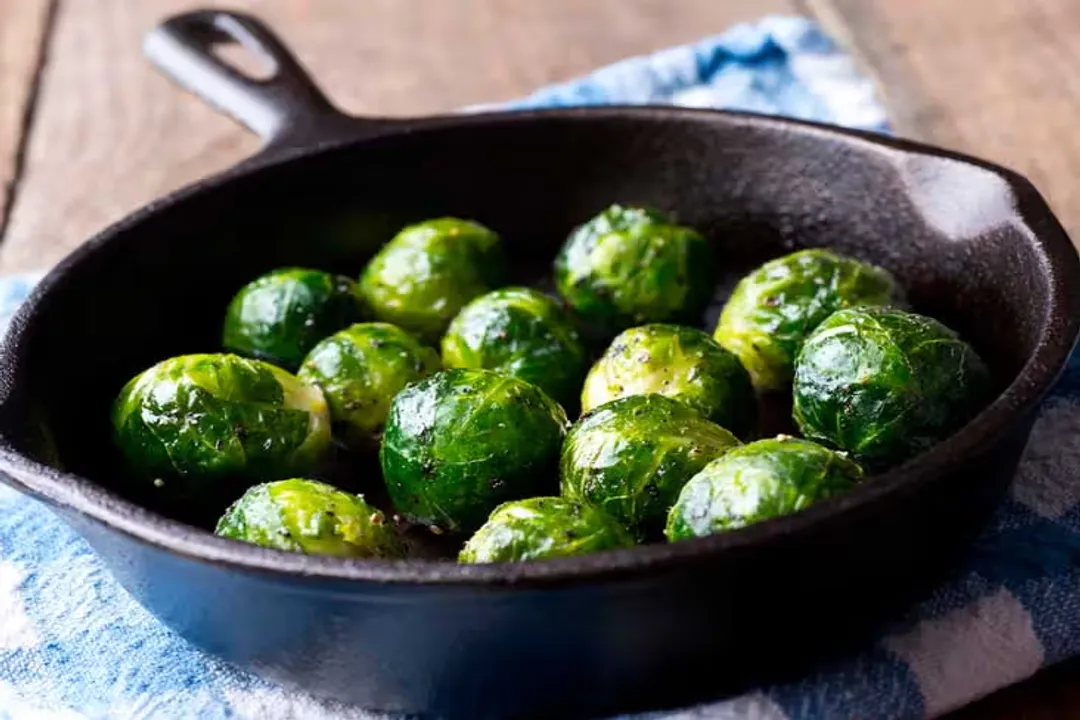
This unassuming little vegetable, often overlooked or relegated to the side of the plate, holds a vibrant secret in its darker hue. Purple Brussels sprouts offer much of the nutritional punch expected from their green counterparts, yet they bring an added layer of health advantages derived directly from their striking coloration. [2][3] These sprouts are essentially miniature cabbages that boast a unique profile, making them an excellent addition to any health-conscious diet. [3]
# Pigment Presence
The most immediate difference between the green and purple varieties lies in their appearance. The deep, reddish-purple coloring is not merely for show; it signals the presence of specific beneficial compounds. [2][3] This pigmentation is due to anthocyanins, which are powerful antioxidants. [2][3] These are the very same compounds responsible for the deep reds, blues, and purples found in foods like blueberries, red cabbage, and grapes. [2][3] Therefore, when selecting your sprouts, the purple ones visually confirm the inclusion of this extra class of beneficial phytonutrients. [3]
# Antioxidant Density
The presence of anthocyanins significantly boosts the antioxidant capacity of the purple sprout compared to the standard green one. [2] Antioxidants are essential because they help combat unstable molecules in the body known as free radicals, which can contribute to chronic diseases and aging. [1][4] While green Brussels sprouts are already known for containing antioxidants like kaempferol, isorhamnetin, and quercetin, [1] the addition of anthocyanins in the purple variety provides an additional line of defense. [2] If you think about common purple-pigmented fruits, like blackberries or Concord grapes, which are often lauded for their high antioxidant content, the purple sprout provides a cruciferous vegetable source of similar protective pigments, offering a savory alternative for daily intake. [2]
The overall antioxidant activity present in these cruciferous vegetables, green or purple, stems largely from compounds called glucosinolates. [1] When sprouts are chewed or chopped, these compounds convert into biologically active compounds, such as isothiocyanates, which support the body’s natural detoxification processes. [1][7]
# Digestive Support
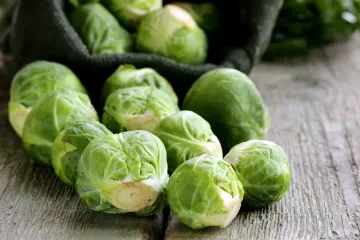
A foundational benefit of eating Brussels sprouts, regardless of color, is their outstanding fiber content. [1][4] These small orbs pack a substantial amount of dietary fiber into a small serving. [4] Fiber is critical for maintaining a healthy digestive system, promoting regular bowel movements, and preventing constipation. [1][6] Moreover, the fiber in sprouts acts as a prebiotic, feeding the beneficial bacteria in your gut microbiome. [7] A well-fed gut biome is linked to improved overall health, including better immune function and mood regulation. [7] For instance, a half-cup serving of cooked sprouts can contribute significantly to the daily recommended fiber intake, an amount often difficult to achieve through less dense foods. [1]
# Micronutrient Profile
Purple Brussels sprouts inherit the excellent vitamin and mineral profile characteristic of the entire Brassica family. [4][7] They are particularly noteworthy sources of Vitamin K and Vitamin C. [4][7]
# Vitamin K Importance
These sprouts are exceptionally high in Vitamin K. [4] Vitamin K plays a vital role in bone health by helping the body process calcium, thereby supporting bone density and strength. [4][7] Beyond bone structure, Vitamin K is also necessary for proper blood clotting mechanisms. [4] If you regularly consume leafy greens or cruciferous vegetables, you are likely meeting your needs, but the sprouts offer a dense, concentrated source. [4]
# Vitamin C Content
Vitamin C is another standout nutrient in Brussels sprouts. [4] This essential vitamin is a potent antioxidant in its own right, supporting the immune system and aiding in collagen production for healthy skin, blood vessels, and connective tissues. [4][7] A single serving can often provide more than the recommended daily intake of Vitamin C, which is particularly valuable during colder months. [4]
# Other Key Elements
In addition to these major vitamins, purple sprouts supply necessary minerals such as manganese, which is involved in metabolism and antioxidant defense systems. [1][6] They also contain folate (Vitamin B9), important for cell division and the production of genetic material. [1][7]
# Chronic Disease Defense
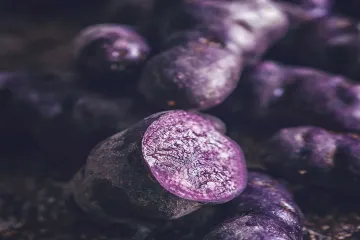
The nutrient composition of Brussels sprouts suggests they are protective against several chronic health issues, primarily through their anti-inflammatory and antioxidant actions. [1][4]
# Heart Health Connection
The combination of high fiber and compounds that help manage cholesterol levels contributes to better cardiovascular function. [1] Fiber binds to cholesterol in the digestive tract, preventing its absorption, which helps maintain healthier blood lipid profiles. [1] Furthermore, the Vitamin K content assists in preventing the calcification (hardening) of arteries, keeping blood flow efficient. [4]
# Blood Sugar Regulation
For individuals concerned with managing blood sugar, Brussels sprouts can be a beneficial dietary choice. [1] The high fiber content slows down the rate at which sugar enters the bloodstream, preventing sharp spikes after meals. [1] Studies have suggested that these vegetables can support glucose management, making them a wise selection for a low-glycemic diet. [1]
# Cooking for Color and Nutrients
How you prepare purple Brussels sprouts directly impacts both their aesthetic appeal—the retention of that vibrant purple—and the final concentration of certain heat-sensitive nutrients like Vitamin C and the anthocyanins themselves. [2]
# Anthocyanin Sensitivity
Since the lovely purple hue comes from anthocyanins, which are somewhat fragile, cooking methods matter. [2] Boiling vegetables often leaches water-soluble vitamins and pigments into the cooking water, which is then discarded. [7] If the goal is to maximize the intake of these specific purple-pigment antioxidants, short cooking times using minimal water are advisable. [2]
# Preparation Comparison
Consider this comparison when deciding how to cook your next batch:
| Cooking Method | Time (Approx.) | Impact on Anthocyanins | General Texture |
|---|---|---|---|
| Steaming | 5-7 minutes | Moderate loss, better than boiling | Tender-crisp |
| Roasting (400°F/200°C) | 20-30 minutes | Some degradation, but concentrated flavor | Crispy edges, tender center |
| Sautéing | 10-15 minutes | Good retention if fat is used | Slightly charred, caramelized |
An analytical approach to preparation suggests that roasting, while requiring longer heat exposure, results in the concentration of sugars and flavors, often leading to a superior taste experience that encourages greater overall consumption—a practical benefit even if it slightly reduces the raw antioxidant content compared to a quick steam. [7] If you are pairing them with a healthy fat, such as olive oil for roasting, you are also indirectly aiding the absorption of fat-soluble nutrients present in the sprouts, like some carotenoids, even though the primary focus here is water-soluble anthocyanins. [7]
To maintain the brightest color and highest nutrient count, quick blanching or steaming until just tender, followed by a quick toss in lemon juice (acid can help stabilize some anthocyanins), might be the optimal balance between texture and nutritional retention. [7]
# Culinary Integration
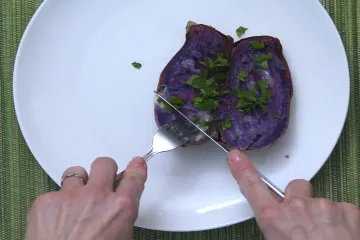
Moving beyond the health facts, incorporating these vibrant vegetables into your routine is surprisingly simple. [9] While they share the peppery, slightly bitter notes common to their green relatives, some find the purple varieties to be slightly milder or sweeter once cooked. [3][9] They can be used in any recipe calling for standard Brussels sprouts. [9]
For a simple enhancement, try shaving them very thinly, almost like slaw, and serving them raw with a light vinaigrette. This approach fully preserves all heat-sensitive compounds. Conversely, if you prefer a warmer dish, halving them and roasting them until the outer leaves are deeply caramelized and crisp provides a satisfying textural contrast to softer meals. [9] This textural variation, from raw crunch to roasted crisp, is a key element to making vegetables a staple rather than an obligation in the diet. [9]
Related Questions
#Citations
8 Ways Brussels Sprouts Benefit Your Health - Healthline
Pruple Brussels Sprouts: Helen Yuan, RD, Explains Health Benefits
Purple Brussels Sprouts Information and Facts - Specialty Produce
Top 5 health benefits of Brussels sprouts - BBC Good Food
Brussels sprouts have a fascinating history and health benefits
Brussels Sprout | Superfood - Allergy Associates of La Crosse
The Health Benefits of Brussels Sprouts - AANMC
Brussels sprouts | Health Topics - NutritionFacts.org
10 Health Benefits of Brussels Sprouts (with Recipes)