Health Benefits of Bean Sprout

Bean sprouts, often seen as little more than a crunchy addition to Asian-inspired dishes, possess a surprising nutritional profile that warrants a closer look. These germinated seeds, frequently mung beans, undergo a transformation during sprouting that unlocks or significantly increases certain vitamins and minerals, offering distinct health advantages over their unsprouted counterparts. [9] They are a low-calorie food, meaning you can add volume and texture to meals without significantly increasing the energy count. [1][5]
# Nutrient Density
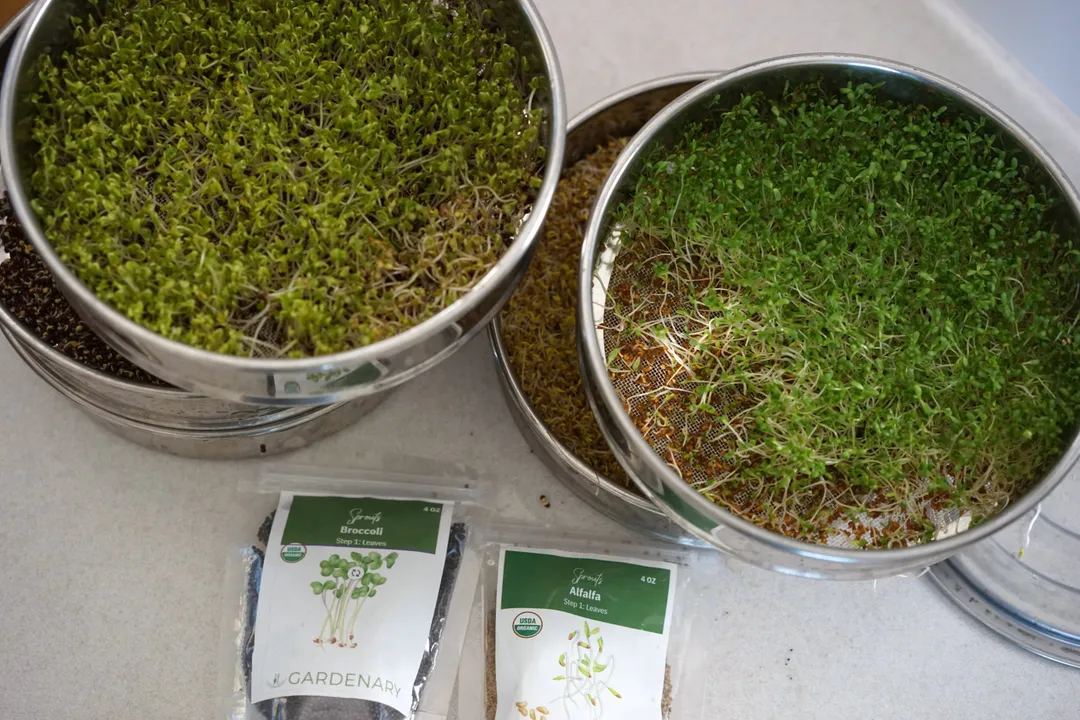
The small size of a bean sprout belies its concentration of essential micronutrients. When you consume a serving of sprouts, you are taking in a valuable source of several key vitamins, including Vitamin C and Vitamin K. [1][2] Folate is another significant component found within these tiny shoots. [1]
Sprouting is a process that essentially "wakes up" the seed, making its stored nutrients more bioavailable. For instance, mung bean sprouts are particularly noted for their Vitamin C content, which is crucial for immune function and acting as an antioxidant. [6][7] Furthermore, they provide essential minerals such as iron, manganese, and magnesium. [2][5] This collection of vitamins and minerals contributes significantly to overall wellness, supporting numerous bodily functions from blood clotting (Vitamin K) to energy production (magnesium). [2]
A useful way to visualize this nutritional boost is to consider the density. If you were preparing a large salad, substituting a cup of lettuce with a cup of bean sprouts would drastically alter the micronutrient contribution, typically increasing the Vitamin C and K content while keeping the caloric load very low. [1][2] This makes them an excellent food choice for those focused on nutrient-per-calorie ratios.
# Weight Support
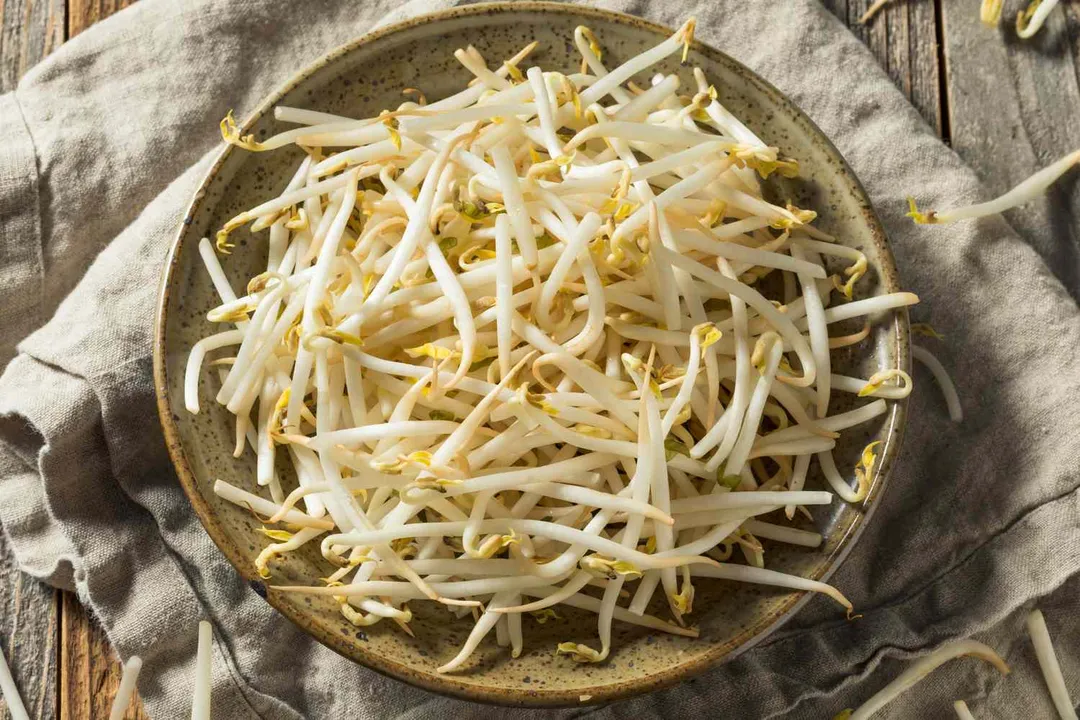
For individuals managing their weight, bean sprouts present an almost ideal vegetable companion. They are inherently low in calories, which is a major benefit when trying to maintain a caloric deficit. [1][5] The low-calorie nature stems from their high water content, typical of many fresh vegetables. [10]
However, being low in calories does not mean they lack substance. They contain dietary fiber, which aids in promoting feelings of fullness, or satiety. [2][10] When you add fiber-rich, low-calorie foods to a meal, you are naturally helping to manage appetite and reduce the likelihood of overeating later. [2] A plate piled high with bean sprouts in a stir-fry adds satisfying bulk without undermining dietary goals, a key characteristic that differentiates them from denser, higher-calorie ingredients. [9]
# Gut Health

The fiber present in bean sprouts plays a direct role in digestive wellness. [2][10] Dietary fiber, both soluble and insoluble, is essential for maintaining regular bowel movements and preventing constipation. [2] By adding roughage to the diet, sprouts help keep the digestive tract moving efficiently. [10]
Moreover, the process of sprouting can slightly alter the composition of the bean, sometimes making certain nutrients easier for the body to process compared to eating the hard, dried bean directly. [9] While not a probiotic food in the same way as fermented products, the health of the gut microbiome benefits indirectly from the regular intake of fiber-rich vegetables like sprouts. [2]
# Heart Function
The impact of bean sprouts extends to cardiovascular health, primarily due to their mineral profile and low saturated fat content. Mung bean sprouts, for example, often contain potassium, a mineral that is well-known for its role in regulating blood pressure by counteracting the effects of sodium. [1][7] A diet that balances sodium with adequate potassium intake is often recommended for maintaining healthy blood pressure levels. [8]
Furthermore, sprouts are naturally very low in cholesterol and saturated fats, components that, when consumed excessively, are linked to increased risk factors for heart disease. [1][5] Incorporating more plant-based foods rich in vitamins and minerals, like bean sprouts, aligns well with established dietary patterns that support a strong heart. [8]
# Immune System
A significant health advantage attributed to bean sprouts is their contribution to immune defense, largely due to their Vitamin C content. [1][6] Vitamin C is a potent water-soluble antioxidant that assists the body in fighting off damage from free radicals and supports various cellular functions of the immune system. [7]
When you consider that the sprouting process can increase the Vitamin C level substantially compared to the original dry bean, eating fresh sprouts becomes an effective strategy for boosting intake of this critical vitamin, especially during seasons when other fresh produce might be scarce or lower in quality. [9] Think of them as tiny, readily available packages of immune support, easily tossed into soups or salads near the end of cooking to preserve the heat-sensitive vitamin. [1]
# The Sprouting Difference
Understanding why sprouts are beneficial often comes down to contrasting them with the seed they originated from. As mentioned, the transition from a dormant bean to an active sprout involves metabolic changes that enhance nutrient availability. [9]
For example, while the original mung bean is nutritious, the sprout form is often lower in calories and higher in specific vitamins. [9] This difference is fascinating because it shows that preparation method matters significantly in nutrition. If you compare the nutritional load of 100 grams of dried mung beans versus 100 grams of fresh mung bean sprouts, the sprouts will have a much higher water content, leading to a far lower calorie count per gram, while simultaneously showing an increase in certain water-soluble vitamins that were not as concentrated in the dry state. [9]
It is this transformation that gives sprouts their unique standing. They offer the goodness of legumes but in a much lighter, easier-to-digest form that requires minimal cooking, if any. [3] For those who find whole beans difficult to digest due to their complex starches, sprouts can be an excellent compromise, delivering protein and fiber without the same level of digestive load. [9]
# Integrating Sprouts Daily
The versatility of bean sprouts is an often-overlooked aspect of their health profile. Their crisp texture and mild flavor make them suitable for incorporation across various meals, not just wok-cooked dishes.
One practical way to maximize their health contribution is by treating them as a raw topping. If you enjoy savory bowls, such as chili, lentil soup, or even lean ground meat tacos, adding a generous handful of raw sprouts right before serving provides an immediate textural contrast and a shot of nutrients that survive heat exposure. [3] For those looking to hide an extra serving of vegetables, consider briefly blending a small amount of blanched sprouts into homemade dressings or hummus; their neutral taste profile blends in well while adding fiber and vitamins without altering the desired texture too dramatically. [10] This is an easy way to increase intake without altering familiar recipes significantly.
Another approach, particularly useful for a quick lunch, is to use them as the base or primary filling for wraps or sandwiches instead of relying solely on bread or heavy ingredients. Layered with lean protein and a light spread, the sprouts provide volume, crunch, and vital nutrients without the density of traditional fillings. [3]
# Safety Considerations
While the health benefits are clear, it is imperative to address the safety aspect of consuming sprouts, especially when eaten raw. Because the warm, moist conditions ideal for growing sprouts are also ideal for bacterial growth, there is an associated risk of foodborne illness if proper sanitation is not maintained during cultivation. [2]
To mitigate this risk, always source sprouts from reputable suppliers or, if growing them at home, ensure meticulous cleanliness of equipment and seeds. [2] If you have a compromised immune system, or if you are preparing food for young children, the elderly, or pregnant individuals, it is generally recommended to cook sprouts thoroughly until they are steaming hot rather than eating them raw. [1][2] A quick blanch or steaming for just a minute or two is often enough to kill potential pathogens while retaining much of the desirable crunch. [10] This simple step allows you to reap the nutritional rewards with a significantly lower risk profile.
The decision to consume sprouts raw versus cooked often involves balancing the desire for maximum uncooked nutrient retention—like Vitamin C—against the imperative of food safety, a trade-off that merits conscious consideration depending on personal health status. [9]
Related Questions
#Citations
Health Benefits of Bean Sprouts: Nutritional Facts and Uses - WebMD
Bean Sprouts Benefits and How to Use Them Safely - Verywell Health
Health Benefits (and Risks) of Eating Sprouts - Gardenary
Does beans sprouts actually serve a purpose other than being filler?
Health Benefits of Bean Sprouts - The Joint Chiropractic
Bean Sprouts
10 Impressive Health Benefits of Mung Beans - Healthline
Tiny sprouts provide big nutrition - American Heart Association
What are the benefits of eating bean sprouts regularly as opposed to ...