Health Benefits of Alfalfa Sprouts
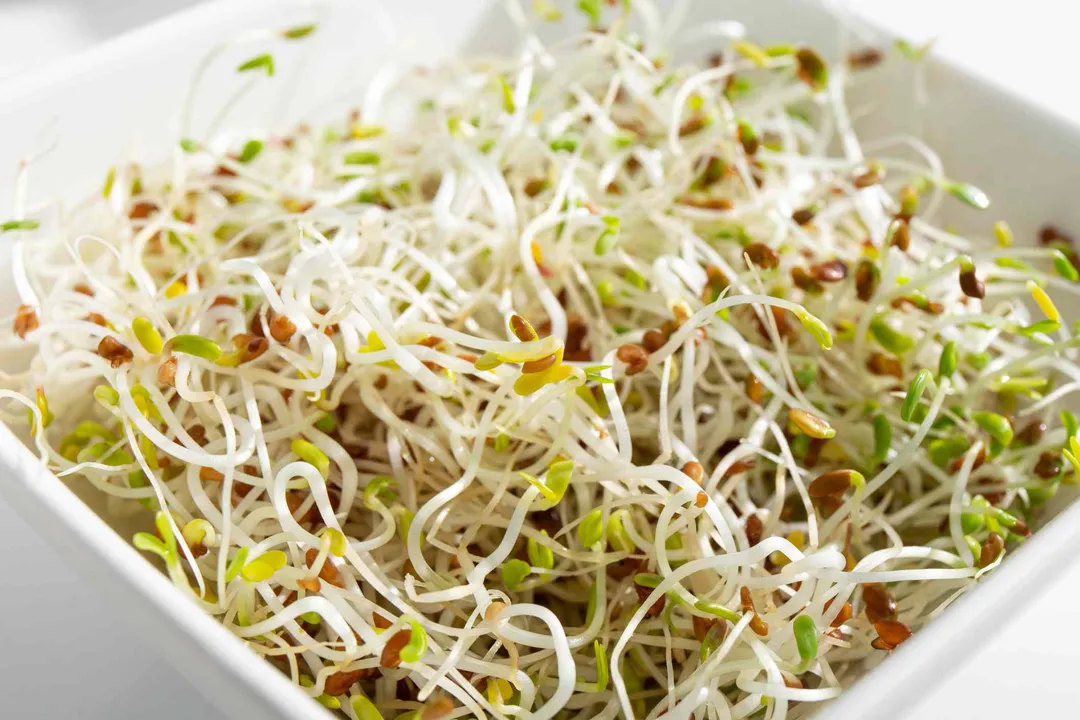
Alfalfa sprouts, the young shoots of the Medicago sativa plant, have long been recognized in natural health circles for their concentrated nutrient profile, often appearing as a vibrant, crunchy addition to salads and sandwiches. While they may seem like a simple garnish, these tiny greens pack a significant nutritional punch, offering a spectrum of vitamins, minerals, and bioactive compounds that may contribute positively to overall well-being. Understanding their composition is the first step to appreciating why they earned their "superfood" status among many health practitioners.
# Rich Nutrients

The general nutritional density of alfalfa sprouts is quite high, especially considering their low caloric content. A single serving provides notable amounts of several essential micronutrients. For instance, they are particularly noted for their high Vitamin K content, which is vital for blood clotting and bone health. Beyond Vitamin K, alfalfa sprouts supply decent amounts of Vitamin C, which supports the immune system, and folate (Vitamin B9), important for cell division.
When examining the mineral profile, these sprouts are a source of iron, necessary for transporting oxygen in the blood, and magnesium, which is involved in hundreds of bodily processes. They also contain copper. Furthermore, they offer a modest amount of dietary fiber and protein relative to their size, contributing to satiety and digestive health. Some sources emphasize that the bioavailability and concentration of these nutrients increase during the sprouting process compared to the mature plant seed.
# Heart Support
One of the most frequently cited advantages of including alfalfa sprouts in the diet relates to cardiovascular wellness, largely due to their unique bioactive compounds. The sprouts contain compounds called saponins, which some research suggests may help lower elevated blood cholesterol levels. This mechanism often involves binding with cholesterol in the digestive tract, preventing its absorption into the bloodstream. While this area requires further human clinical trials for definitive conclusions, the presence of these compounds presents a compelling area of interest for heart-healthy eating patterns.
The dietary fiber present also plays a supporting role here, aiding in overall lipid management. By providing essential vitamins like Vitamin K, which helps regulate arterial calcification, the sprouts contribute to maintaining flexible, healthy blood vessels. If you are looking to boost your intake of foods that actively support lipid profiles, adding a half-cup serving of raw sprouts to your daily lunch salad might be a simple, low-effort strategy to increase your consumption of heart-conscious nutrients.
# Menopause Relief
For women navigating the changes associated with menopause, alfalfa sprouts have gained attention due to their phytoestrogen content. Phytoestrogens are plant-derived compounds that can mimic the action of the hormone estrogen in the body, although they are significantly weaker. Specifically, alfalfa contains coumestans, which fall into this category.
The theory behind their use is that these compounds might help mitigate some of the common symptoms associated with declining natural estrogen levels, such as hot flashes. While this application is popular in traditional and naturopathic contexts, it is important to note that the evidence is not as strong as for pharmaceutical hormone replacement therapy. Individuals considering this approach should discuss it with their healthcare provider, especially if they have a history of hormone-sensitive conditions.
# Inflammation Defense
Chronic inflammation is a root cause for many modern ailments, making foods with anti-inflammatory properties valuable additions to the diet. Alfalfa sprouts contain various antioxidants and phytochemicals, including flavonoids, which are known for their ability to help neutralize harmful free radicals and reduce oxidative stress in the body. By reducing this systemic stress, the sprouts may contribute to a lower overall inflammatory burden. This general protective effect is one reason why numerous traditional medicine systems have long incorporated sprouts into regimens aimed at promoting vitality and longevity.

# Kidney Function
Alfalfa has historically been valued for its diuretic properties, which means it can encourage increased urine production. This action can be beneficial for flushing out excess fluid and potentially supporting kidney health by promoting regular cleansing. Furthermore, the presence of compounds that may possess anti-inflammatory qualities could also extend protective benefits to the delicate tissues of the kidneys. As with any food used for a specific therapeutic effect, it should complement, not replace, prescribed medical care for kidney issues.
# Digestive Health Benefits
The inclusion of fiber in alfalfa sprouts contributes directly to a healthier digestive tract. Fiber adds bulk to stool, which helps regulate bowel movements and prevents constipation. Moreover, fiber acts as a prebiotic, feeding the beneficial bacteria in the gut microbiome, which is increasingly understood as central to overall health, immune function, and even mood. While sprouts aren't as high in fiber as some whole grains or legumes, every bit of plant-based roughage helps build a diverse and thriving internal ecosystem.
It is fascinating to observe the transformation from a hard, dormant alfalfa seed to the highly perishable sprout. The germination process essentially activates complex enzymes, converting stored starches into more easily digestible sugars and boosting the concentration of easily accessible vitamins. This rapid metabolic change is why the resulting sprout is so nutritionally dense, yet fragile; it is captured at a peak moment of growth potential.

# Contamination Risks
Despite the wealth of potential health advantages, consuming alfalfa sprouts requires a significant note of caution, primarily concerning bacterial contamination. Because the warm, moist conditions necessary for sprouting seeds are also ideal for the growth of harmful bacteria, sprouts can sometimes harbor pathogens like Salmonella and E. coli.
This risk is inherent to the sprouting process itself, regardless of how carefully the seeds are grown or handled afterward. Because of this recognized food safety concern, certain vulnerable populations are strongly advised to avoid eating raw sprouts entirely. This high-risk group includes young children, the elderly, pregnant individuals, and anyone with a compromised immune system, such as those undergoing chemotherapy or living with chronic illnesses.
For those who are healthy and wish to consume them, the recommended mitigation strategy is to cook the sprouts thoroughly before eating. Lightly steaming them, rather than eating them completely raw in dishes like salads or sandwiches, significantly reduces the microbial load and makes them safer for consumption. While you can buy pre-packaged sprouts in the produce aisle, remember that contamination can occur before packaging, which is why cooking remains the most reliable safety measure.
# Utilizing Sprouts
Alfalfa sprouts are incredibly versatile in the kitchen, bringing texture and freshness to many meals. They are most commonly used raw, mixed into green salads for added crunch, layered into turkey or veggie sandwiches, or sprinkled over soups just before serving. They can also be blended into smoothies or used as a garnish for avocado toast or wraps.
If you are purchasing them from a market, look for sprouts that are crisp, bright, and stored in a refrigerated case. Avoid any that look slimy, smell musty, or appear wet. Back home, keep them refrigerated and use them quickly.
When you decide to sprout your own at home, you gain greater control over the process, though the risk of contamination from the seed source remains. A practical tip for home sprouters is to use treated or certified organic seeds specifically sold for sprouting, and to thoroughly rinse the sprouts several times a day with clean, filtered water during the growth cycle, ensuring no standing water remains between rinses to inhibit bacterial growth. This active management of moisture is key to maximizing safety outside of a commercial sterilization environment.
# Alfalfa Comparison
It is worth drawing a distinction between the health benefits associated with the sprout and those often claimed about the mature alfalfa plant. Much of the literature discussing alfalfa as an animal feed focuses on the mature leaves, which are dried and processed into pellets or hay. While the mature plant has its own nutritional profile—being high in protein and minerals for livestock—the concentrated vitamins and the specific balance of coumestans and saponins discussed here are most prominent in the young, germinated sprout. Therefore, when seeking the specific benefits like those related to cholesterol or menopausal support mentioned earlier, it is the fresh sprout, not the dried meal, that is generally being referred to in human nutrition literature. This difference highlights why the preparation method (raw vs. cooked sprout, or dried leaf meal) critically alters the final nutritional impact of what you consume.
Related Questions
#Citations
Health Benefits of Alfalfa - WebMD
Alfalfa: Benefits, Nutrition Facts & Side Effects - Healthline
Alfalfa Sprouts
4 Health Benefits of Alfalfa - Health Cleveland Clinic
Alfalfa Sprouts Benefits, Nutrition and How to Grow - Dr. Axe
11 Fascinating Benefits of Alfalfa Leafs & Sprouts - Verve
Alfalfa Sprouts - Dr Earth
Superfood Alfalfa Sprouts: 6 Health Benefits - Tata 1mg Capsules
The Health Benefits of Sprouts | AANMC
Alfalfa: Benefits, Uses, Side Effects, and More - Health