Health Benefits of Brussels Sprout

This humble, miniature cabbage, often overlooked or relegated to a side dish, packs an astonishing nutritional punch that rivals many more celebrated vegetables in the produce aisle. Belonging to the Brassica family, alongside broccoli, cauliflower, and kale, Brussels sprouts are cruciferous vegetables known for their sulfur-containing compounds and dense nutrient profile. They are remarkably low in calories, with a full cup of cooked sprouts often containing fewer than 60 calories, making them an extremely efficient way to consume vital micronutrients.
# Vitamin Content
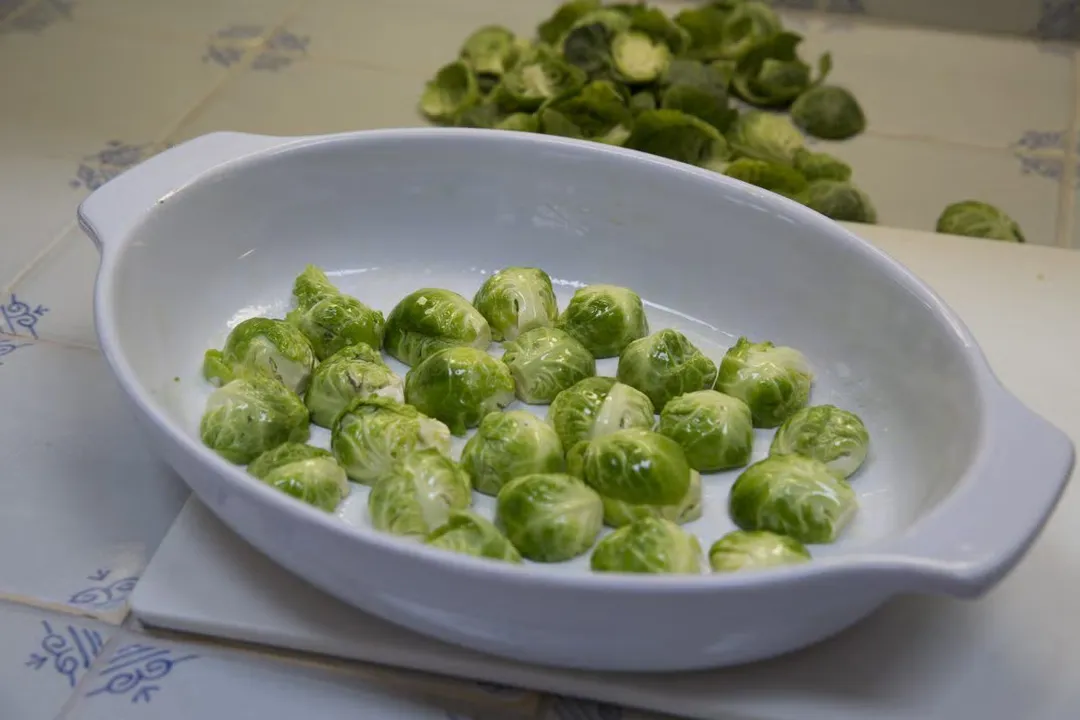
The most frequently highlighted benefit centers on their exceptional vitamin content, particularly Vitamins C and K. One cup of cooked Brussels sprouts can deliver more than the recommended daily intake of Vitamin C, a potent antioxidant essential for immune function and collagen production. Interestingly, some data suggests that a serving of these sprouts can provide as much, if not more, Vitamin C than an average orange.
Equally significant is their Vitamin K content. Vitamin K is crucial for the body’s blood clotting process and plays a significant role in bone health by helping regulate calcium in the body. Just a single serving provides several times the required daily amount of Vitamin K, underscoring their importance for maintaining strong skeletal structure and proper coagulation. Beyond these two heavy hitters, sprouts are a good source of Vitamin A, folate, and manganese.
For those trying to maximize nutrient absorption, considering the preparation method is key, as vitamins C and K are fat-soluble or water-soluble, respectively. If you are roasting or sautéing them quickly in a small amount of healthy fat like olive oil, you are primarily preserving the Vitamin K while potentially losing some Vitamin C to heat or leaching. Conversely, if you steam them briefly—say, for under five minutes—you retain much more of the water-soluble Vitamin C, though prolonged boiling will cause it to leach into the cooking water. A practical approach for daily intake could involve alternating between quick steaming and moderate roasting across the week to get a balanced profile of both vitamin types.
# Antioxidant Power
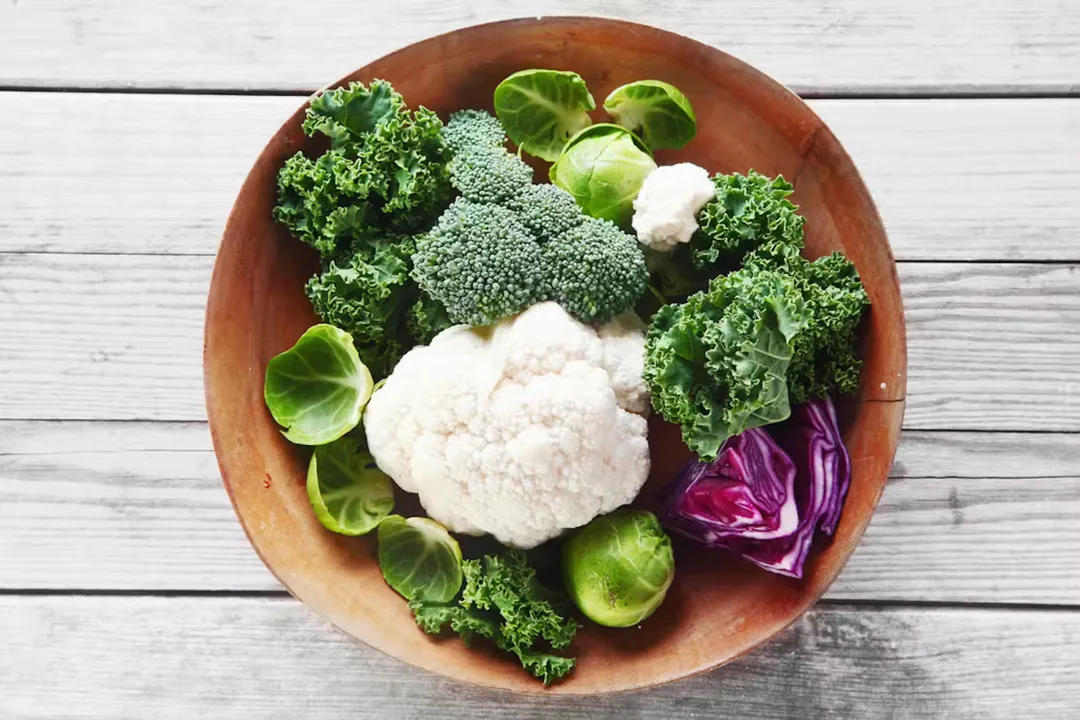
Brussels sprouts are rich in various antioxidants, compounds that help neutralize harmful free radicals in the body, thereby reducing oxidative stress that contributes to chronic diseases. A prominent antioxidant found within these greens is kaempferol. Research indicates that kaempferol may help inhibit the growth of certain cancer cells and offers protection against heart disease and damage to blood cells.
Another important class of compounds, common to cruciferous vegetables, are the glucosinolates. When sprouts are chopped or chewed, these compounds break down into biologically active substances, most notably isothiocyanates. These isothiocyanates, such as sulforaphane, have been studied extensively for their potential cancer-fighting properties, particularly in supporting the body’s natural detoxification processes. This chemical process, triggered by chewing or chopping, is what gives many cruciferous vegetables their characteristic slightly sharp or sulfuric taste, a flavor signal that beneficial compounds are being released.

# Gut Health
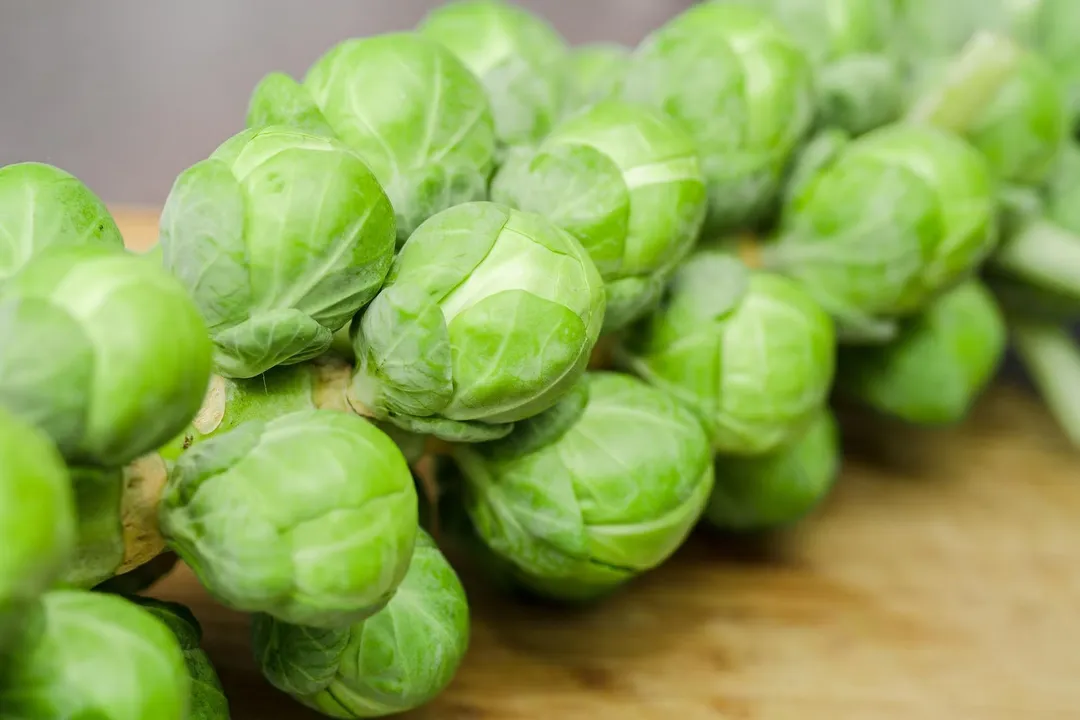
The substantial fiber content in Brussels sprouts offers significant advantages for the digestive system. Fiber is essential for maintaining regular bowel movements and preventing constipation. Brussels sprouts contain both soluble and insoluble fiber.
Insoluble fiber adds bulk to stool, helping food pass more quickly through the digestive tract. Soluble fiber, on the other hand, dissolves in water to form a gel-like substance in the gut. This soluble fiber plays a key role in feeding the beneficial bacteria in the colon—acting as a prebiotic—and has been shown to help modulate blood sugar levels and lower LDL ("bad") cholesterol. When the gut bacteria metabolize this fiber, they produce short-chain fatty acids (SCFAs), which are vital for maintaining the integrity of the intestinal lining. A well-fed microbiome contributes significantly to overall wellness, suggesting that sprouts are not just good for regularity, but for systemic health via the gut axis.
While fiber is excellent for gut motility, individuals new to high-fiber vegetables often experience temporary gas or bloating. Introducing sprouts gradually, perhaps starting with just a quarter cup of lightly cooked portions a few times a week, allows the gut biome to adjust to the increased load of fermentable carbohydrates.
# Inflammation Control
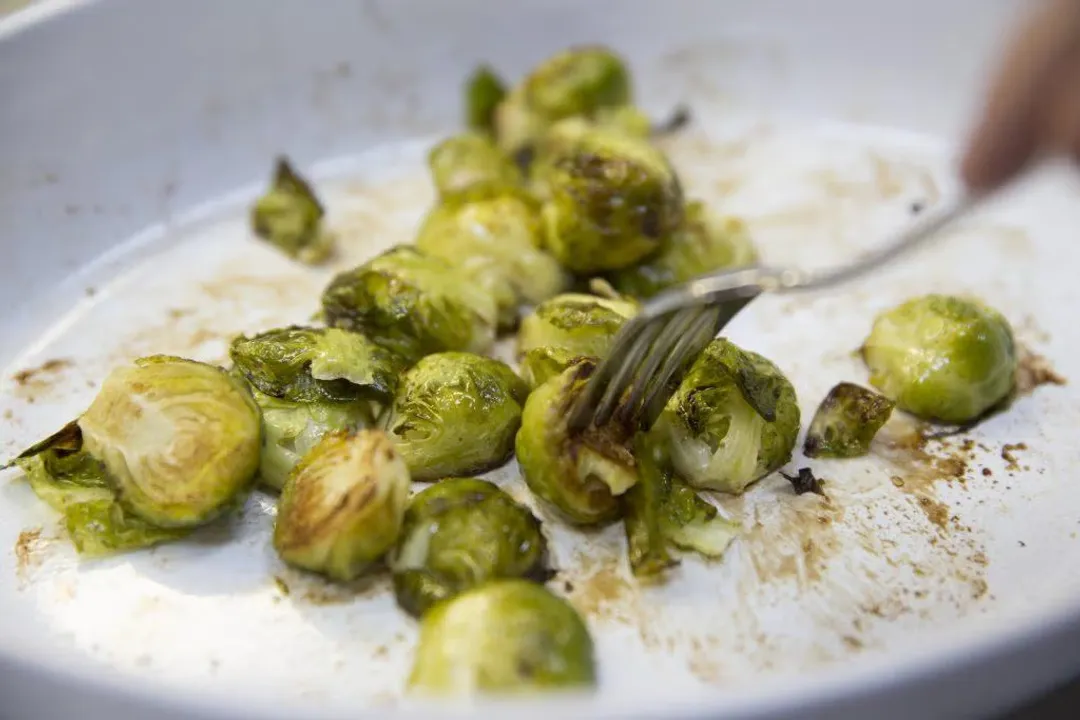
Chronic, low-grade inflammation is now recognized as a key underlying factor in many modern illnesses, including heart disease, diabetes, and arthritis. Brussels sprouts contain compounds that actively work to moderate the body's inflammatory responses.
The presence of antioxidants like kaempferol, mentioned previously, directly combats the oxidative stress that drives inflammation. Furthermore, the glucosinolates and their isothiocyanate breakdown products possess anti-inflammatory characteristics. By reducing overall systemic inflammation, the consistent consumption of these vegetables may contribute to pain reduction and better management of chronic inflammatory conditions. For someone managing joint stiffness or general aches, incorporating these sprouts regularly aligns with dietary strategies aimed at supporting the body’s natural anti-inflammatory pathways.

# Heart Benefits
The nutritional composition of Brussels sprouts supports cardiovascular wellness through several mechanisms. Their high fiber content is beneficial for heart health because it can bind to bile acids and cholesterol in the digestive tract, preventing them from being reabsorbed into the bloodstream, thus helping to lower overall LDL cholesterol levels.
Additionally, the presence of Vitamin K is important for arterial health, as it helps prevent calcium from depositing in the arteries, a process linked to hardening of the arteries. Potassium, another nutrient found in these sprouts, is critical for maintaining healthy blood pressure by counteracting the effects of sodium.
# Blood Sugar Stability
For individuals concerned with maintaining stable blood sugar levels, Brussels sprouts offer an excellent dietary component due to their fiber and low carbohydrate profile. The soluble fiber slows down the digestion and absorption of carbohydrates, which results in a slower, more controlled release of glucose into the bloodstream, avoiding sharp spikes. Studies have even pointed to the specific effect of sulforaphane on glucose control; some research suggests that compounds derived from glucosinolates can help improve insulin sensitivity, which is a key factor in preventing and managing Type 2 diabetes.

# Preparation and Flavor
Understanding how to prepare Brussels sprouts can significantly impact how often they make it onto the dinner plate. While often associated with a bitter taste, which is a sign of the beneficial glucosinolates, modern preparation techniques can greatly mitigate this.
A common issue readers face is overcooking, which leads to a mushy texture and a strong sulfuric odor. A quick pan-sear or roasting at high heat often yields a superior result, caramelizing the natural sugars on the outer leaves and creating a pleasant, nutty flavor.
Consider this quick method comparison:
| Preparation Method | Average Cook Time | Primary Texture Outcome | Flavor Profile Enhancement |
|---|---|---|---|
| Roasting (400°F/200°C) | 20–30 minutes | Tender inside, crispy outer leaves | Sweet, nutty, concentrated |
| Sautéing/Pan-Searing | 8–12 minutes | Tender with slight bite (al dente) | Bright, allows for added fats/acidity |
| Steaming | 5–8 minutes | Very soft | Milder, but higher water-soluble vitamin loss |
When roasting, cutting the sprouts in half and tossing them with a high-heat oil, salt, and pepper ensures maximum surface area contact with the heat, leading to better browning and less steaming in their own moisture. Adding a touch of acid, like a squeeze of lemon juice or a drizzle of balsamic vinegar after cooking, can also perceptibly balance any lingering bitterness.
# Mineral Profile
While vitamins often take the spotlight, the mineral contribution of Brussels sprouts is noteworthy. They provide manganese, which is involved in enzyme activation and metabolism. They also contain respectable amounts of iron, important for oxygen transport in the blood, and magnesium, which supports hundreds of biochemical reactions in the body, including muscle and nerve function. Though not the highest source, the combination of these minerals alongside the high fiber and antioxidant load contributes to their status as a nutrient-dense whole food.
# Historical Context and Consumption
As part of the Brassica group, these vegetables have a long agricultural history, dating back to Roman times, although the modern variety resembling what we eat today was cultivated much later in Belgium (hence the name). Their inclusion in the diet is supported by organizations focused on cancer prevention because of their anti-carcinogenic compounds. Eating them raw, thinly shaved into slaws, offers the maximum concentration of the enzyme myrosinase, which is necessary to convert glucosinolates into isothiocyanates, though this preparation is more intense in flavor. The ability to consume them cooked or raw, and prepared in ways that suit different palates, makes them a versatile addition to any eating plan focused on long-term health.
Related Questions
#Citations
Are Brussels Sprouts Good for You? - Health Cleveland Clinic
8 Ways Brussels Sprouts Benefit Your Health - Healthline
Health Benefits of Brussels Sprouts - WebMD
Brussels Sprouts: Their Health Benefits Relating To Inflammation
Brussels Sprout | Superfood - Allergy Associates of La Crosse
The Health Benefits of Brussels Sprouts - AANMC
Health benefits of Brussels sprouts. - YouTube
Top 5 health benefits of Brussels sprouts - BBC Good Food
Brussels Sprouts - The Nutrition Source
Brussels sprouts have as much vitamin C as oranges