What dietary component is responsible for Sockeye salmon's deep, vibrant red hue?
Answer
Astaxanthin consumed in the wild
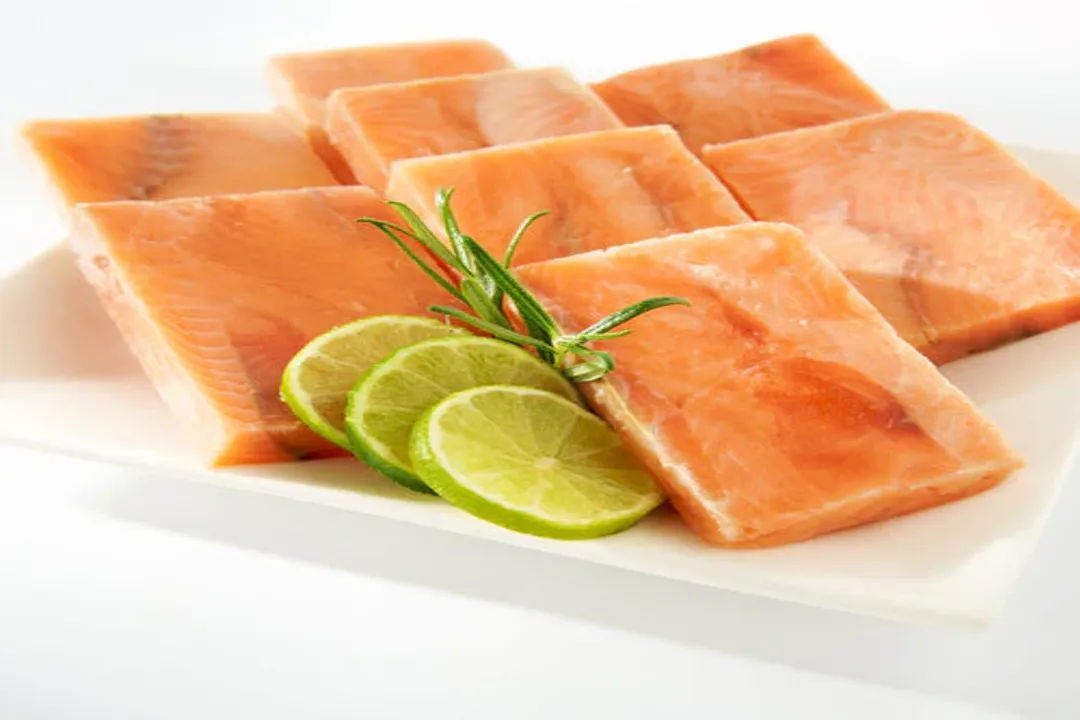
The vibrant, deep red color characteristic of Sockeye salmon is directly attributed to its diet when living in the wild, which is rich in astaxanthin. Astaxanthin is a powerful antioxidant pigment that the salmon ingests, leading to the striking coloration of its flesh. Pink salmon also consumes sources containing astaxanthin, like krill and shrimp, but generally in smaller quantities, resulting in a much paler pink or orange flesh tone. This high concentration of the carotenoid pigment is what makes Sockeye visually distinct.
#Videos
How to Pick the Healthiest Salmon: Avoid Toxins and Make Smart ...
Related Questions
What dietary component is responsible for Sockeye salmon's deep, vibrant red hue?Which salmon species generally possesses higher levels of beneficial omega-3 fatty acids?How is the flavor profile of Sockeye salmon generally described compared to Pink salmon?Due to its milder flavor and softer texture, what preparation methods often favor Pink salmon?Which salmon variety generally results in lower overall calories per serving?Why does Sockeye salmon frequently command a premium price in the market?Besides imparting color, what functional benefit does the pigment astaxanthin provide in salmon flesh?If the goal is maximizing omega-3 intake per serving, which salmon holds a slight advantage?Which salmon variety maintains a moister texture even if slightly overcooked due to its oil content?How is the flesh color of Pink salmon typically described in contrast to Sockeye?