What is healthier to cook with ceramic or stainless steel?
The moment you decide to upgrade your cookware to support a healthier diet, the focus tends to land squarely on the food itself—the organic vegetables, the lean proteins, the low-mercury oils. Yet, the vessel holding that nourishment matters just as much. Determining whether ceramic or stainless steel is healthier for your daily cooking involves looking past marketing claims and into material science, expected longevity, and how each responds to the heat required for safe and nutritious meal preparation. Both materials represent significant departures from traditional PTFE-based non-stick surfaces, which is a positive first step away from chemicals linked to off-gassing and health concerns when overheated. [2][3]
# Material Composition
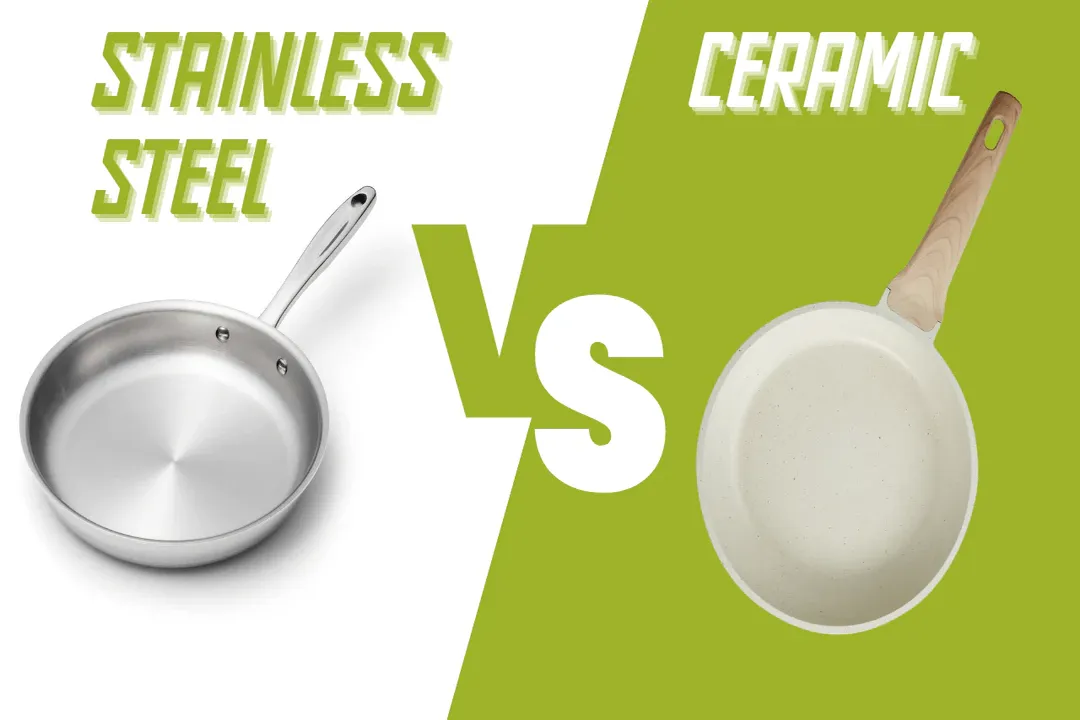
To understand the health implications, one must first understand what constitutes these modern cooking surfaces. Ceramic cookware, despite the name, is typically a metal pan—often aluminum—coated with a silicon-based material, which creates a naturally slick, non-stick surface. [2][4] This is the modern answer to avoiding older toxic non-stick chemistries like PFOA or PTFE. [3] High-quality versions may use Thermalon, which is derived from sand and contains silicon dioxide, mimicking a natural glass coating. [3]
Stainless steel, conversely, is an alloy—a blend of metals that primarily includes iron, carbon, chromium, and often nickel. [2][3] Quality stainless steel cookware, especially those favored by professionals, often employs a clad construction, where an aluminum or copper core is sandwiched between layers of stainless steel (e.g., 5-ply construction). [2][4] This layering is critical: the exterior steel provides durability and heat compatibility (like induction), while the core metal improves heat conductivity, as steel alone is not the best conductor. [2][4] Crucially, in high-quality clad pieces, the food-contact surface is pure stainless steel, meaning it is not touching the aluminum core. [2][4]
# Ceramic Surface Safety
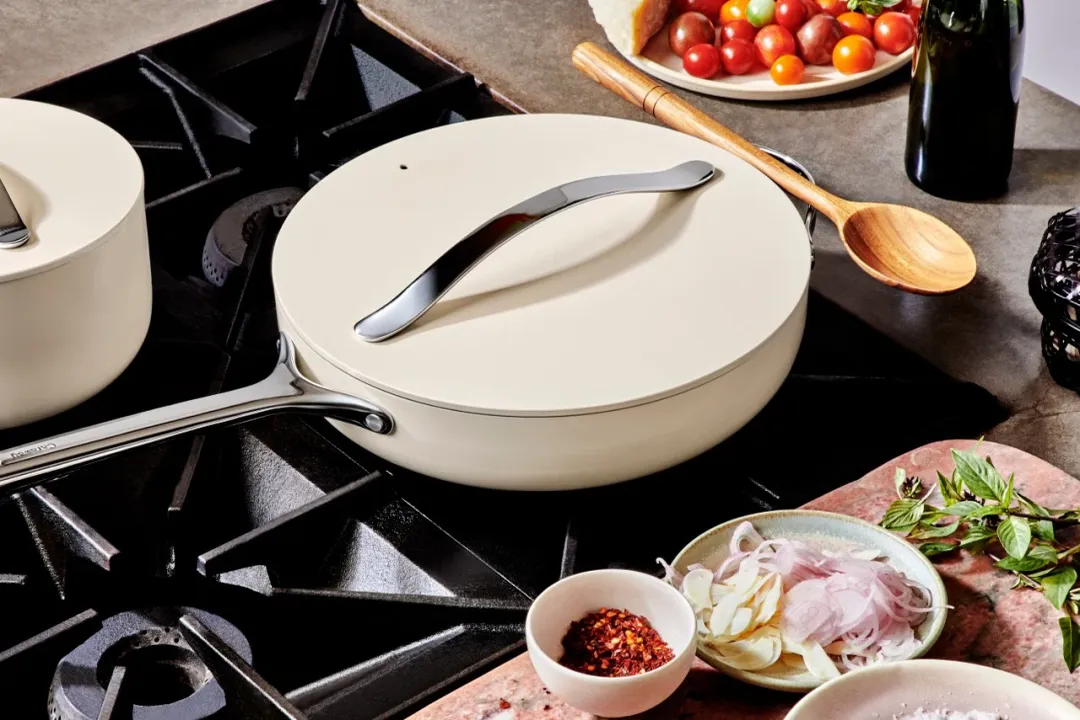
The primary health appeal of modern ceramic cookware lies in its promise of non-stick convenience without the controversy of fluorinated chemicals. [2][3] Since the coating is essentially a mineral-based layer, it is non-reactive, which is a major advantage when preparing acidic dishes like slow-simmered tomato sauces or lemon-heavy reductions. [2][3] In these scenarios, ceramic allows the cook to maintain food integrity without worrying about the base material reacting with the ingredients. [3]
However, the very nature of a non-stick coating introduces a different set of health considerations tied to durability. Ceramic coatings, even the best ones, are inherently self-sacrificing. [2][4] With regular use, especially with the heat cycling involved in cooking, the slick surface wears down. [2][4] Manufacturers often state these surfaces last only a few years, sometimes as little as one year for heavy users, before the non-stick properties diminish. [2][3] As the coating degrades, there is an inherent risk of the coating chipping or flaking, meaning ceramic particles could potentially end up in your food. [2][4] Therefore, a crucial step for health-conscious users is rigorous vetting: one must confirm that the ceramic cookware is explicitly labeled as being free of lead and cadmium, in addition to the expected PFAS avoidance. [3]
# Steel Leaching Concerns
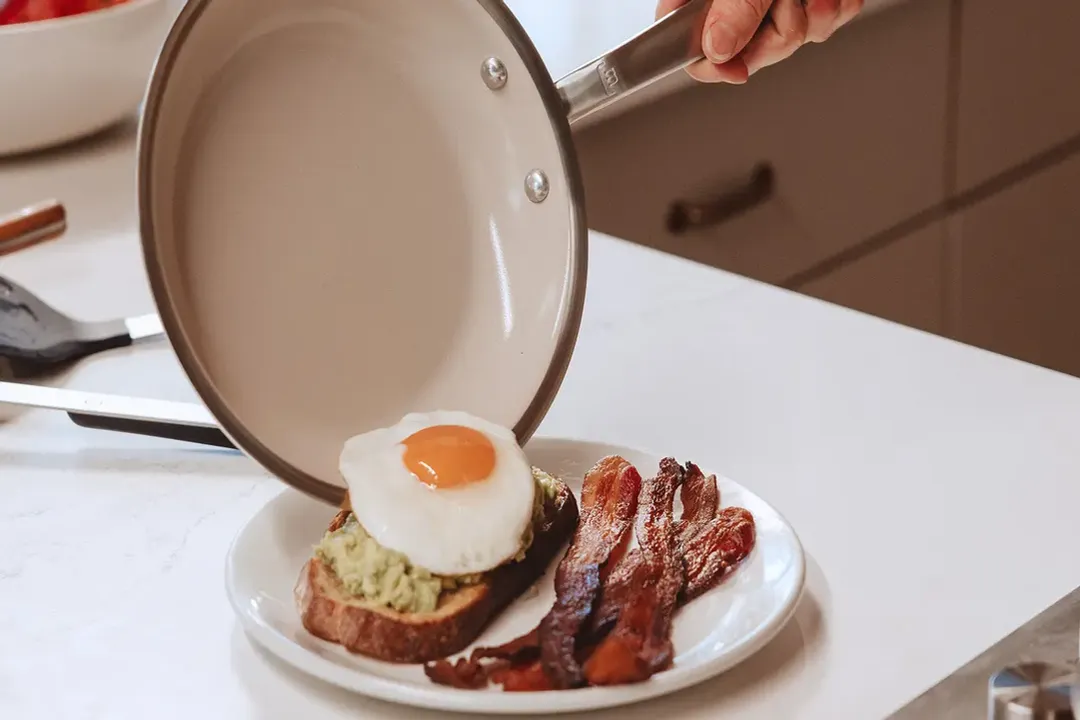
Stainless steel’s health profile centers on its longevity and lack of a coating to wear away. Because there is no surface layer to flake off, a high-quality stainless steel pan offers a consistent, inert surface for decades, not just a few years. [2][4] This durability means less frequent replacement and less exposure to new materials over time.
The chief health concern historically associated with stainless steel is the potential for the constituent metals—specifically nickel and chromium—to leach into food. [3] While some sources note that high-grade stainless steel (like or ) is non-reactive enough to handle acidic foods without noticeable leaching or flavor alteration, [1][4] others advise caution. [3] The consensus leans toward limiting prolonged cooking of highly acidic items, such as long-simmering chili or citrus marinades, in steel cookware to minimize any measurable transfer of these heavy metals. [3] For everyday cooking, however, stainless steel is often cited as one of the safest and most reliable options available. [3]
# Durability and Replacement Cycles
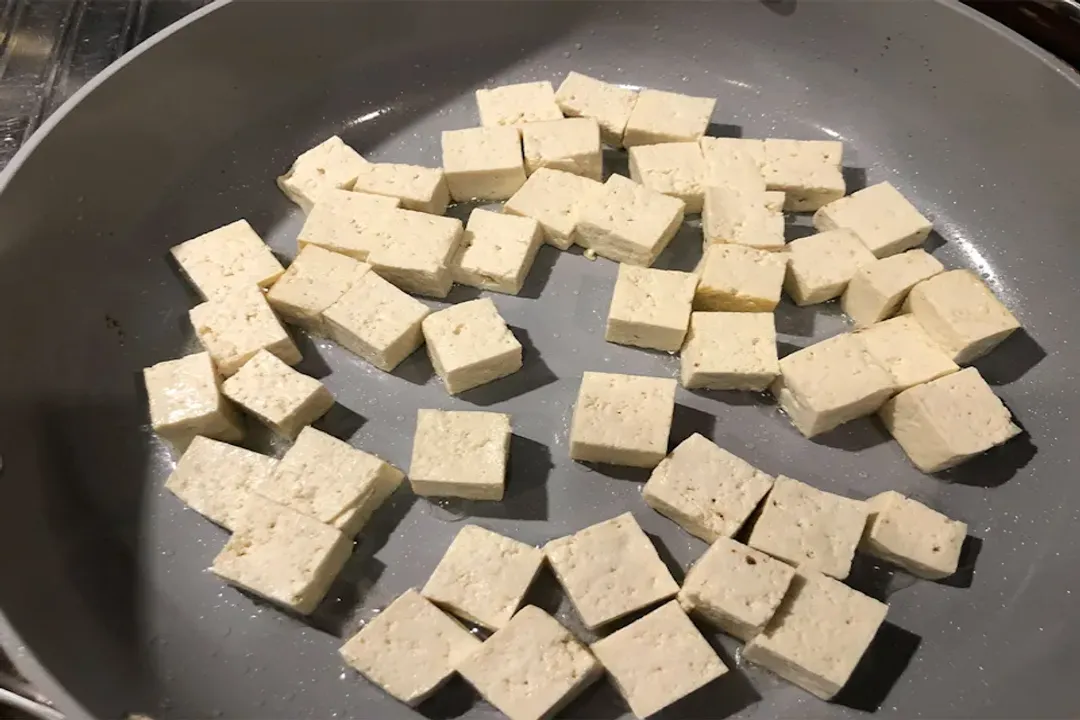
A vital, yet often overlooked, aspect of cookware health is the material's expected lifespan and what happens when that life ends. This is where an original insight comes into play: The frequent replacement cycle of ceramic cookware inherently introduces a continuous introduction of new—and potentially less scrutinized—coating chemicals into your kitchen. A high-quality stainless steel set, often referred to as "heirloom quality," can last decades, perhaps even being passed down through generations. [2][4] This means a single, vetted, high-quality investment maintains a known, safe material composition over a long period. In contrast, the ceramic user might replace their pans every two to three years when the non-stick fails. [2] Even if the replacement pan is "PFAS-free," the constant process of manufacturing, curing, and eventually disposing of these specialized coated pans adds an environmental layer to the health consideration, and forces the consumer to re-evaluate the coating’s safety profile with every purchase. [2]
# Heat Management Trade-Offs
The way heat interacts with the material has direct health consequences, both for the pan and the food being cooked. Ceramic coatings have heat limitations; they perform best at low to medium heat and can break down faster under high temperatures. [1][2] Overheating a ceramic pan not only damages its longevity but also pushes the coating closer to its thermal tolerance limits. [2]
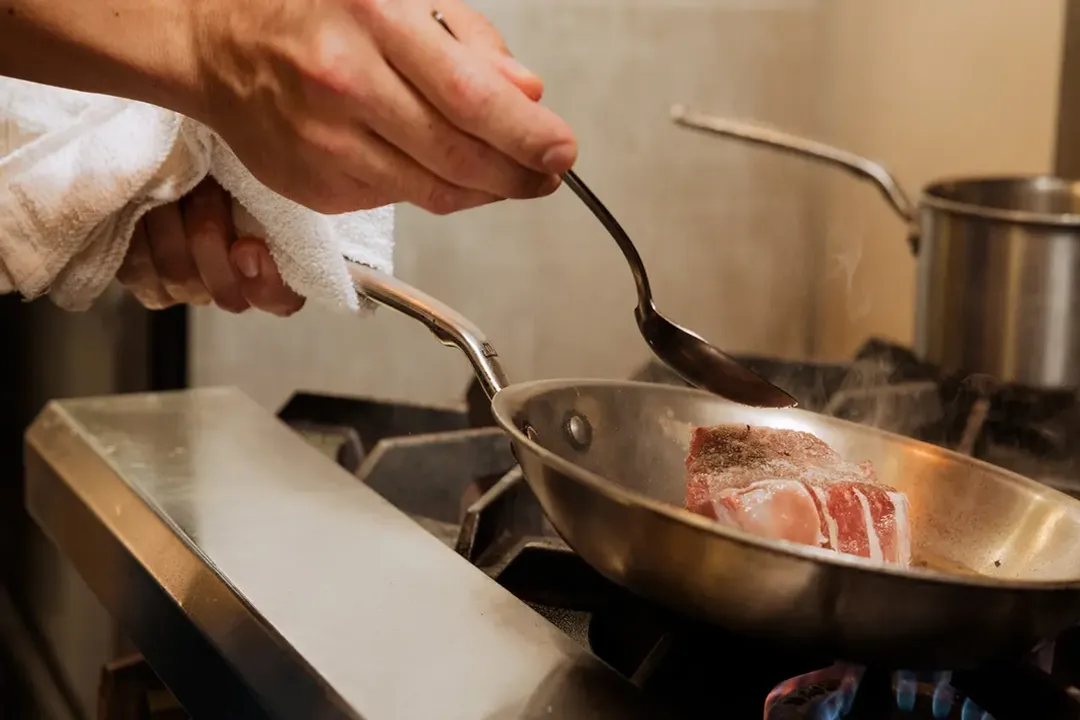
Stainless steel, conversely, is a workhorse for high-heat cooking, making it ideal for searing proteins, which requires a rapid temperature spike to achieve the Maillard reaction. [1][4] This difference in thermal performance creates a practical challenge for health-focused cooks. My second observation is that the need for high heat (e.g., for proper searing to seal in juices and create desirable crusts) must be balanced against the material's integrity; stainless steel allows for proper technique without material degradation, whereas ceramic forces a compromise by suggesting lower heat for all methods. A professional approach often involves using stainless steel for tasks requiring intense, direct heat, which stainless handles safely without leaching (if high-grade) or warping, and reserving ceramic or a dedicated non-stick pan only for delicate, low-temperature items like eggs. [3] When cooking meat, ensuring it reaches a safe internal temperature is paramount, a task stainless steel handles with greater ease and consistency than a medium-heat-limited ceramic pan. [3]
# Cooking Acidity and Metal Exposure
The interaction with acidic foods provides the clearest material-specific health distinction between the two.
| Ingredient Type | Ceramic Cookware Reaction | Stainless Steel Cookware Reaction |
|---|---|---|
| Acidic Foods (Tomato, Citrus, Vinegar) | Non-reactive. Coating prevents interaction, making cleanup easy. [2][3] | Can cause minor leaching of nickel/chromium upon prolonged exposure. [3] High-grade steel may be non-reactive, but caution is advised. [1][3] |
| Delicate Foods (Eggs, Fish) | Excellent performance due to non-stick surface, often requiring little to no oil. [2][3] | Can cause sticking unless proper heating and fat/oil management techniques are mastered. [2][3] |
Choosing ceramic for a simmering marinara sauce means you are cooking toxin-free and easily, whereas using the same sauce in a lower-grade stainless steel pan for an extended time might lead to minor metal content in your meal. [3] However, if you invest in high-quality, multi-ply stainless steel, this risk is significantly mitigated, leading to a highly versatile and safe pan for all applications, including acids. [1]
# Maintenance and Utensil Safety
The way we clean and handle our pans also affects their long-term safety profile. Ceramic cookware demands gentle care: only non-metal utensils (silicone or wood) should be used, as metal spatulas can scratch the delicate coating. [2][3] Furthermore, harsh dishwasher detergents can erode the silica surface. [2] Sudden temperature shock—like running cold water into a hot ceramic pan—can cause warping or cracking of the finish. [2] Any scratching or flaking from improper care immediately compromises the non-toxic layer.
Stainless steel, conversely, is chemically and physically tougher. It can handle metal utensils without immediate coating damage, and most high-quality stainless steel pieces are safe for the dishwasher. [1][2][4] If food does stick severely to stainless steel, boiling water can loosen residues before scrubbing gently. [2] This inherent ruggedness makes stainless steel less susceptible to user error, which indirectly supports a more consistent, safe cooking surface over many years. [4]
# Practical Choice Synthesis
When weighing ceramic against stainless steel solely through the lens of "what is healthier," the answer is not absolute but conditional on quality and cooking style.
If your priority is easy, guaranteed non-stick for everyday, low-to-medium heat tasks (like eggs or delicate fish) and you are comfortable with a finite lifespan, high-quality ceramic cookware that is certified free of all heavy metals remains a strong, non-reactive choice. [2][3]
If your priority is longevity, high-heat versatility (searing, high-temp baking), and minimal material replacement cycles, high-grade, clad stainless steel is superior. [4] For those concerned about leaching, the key is purchasing stainless steel constructed with a proper alloy (often ) and an insulating core, ensuring the food only contacts the steel, and reserving acidic, long-cook recipes for when you are sure of your steel’s grade or opting for ceramic/cast iron for those specific meals. [1][3]
The truly health-optimized kitchen often reflects user experience, suggesting a mixed arsenal. Many experienced cooks lean toward stainless steel for stocks, boiling, and sauces, using cast iron or carbon steel for searing, and keeping one dedicated ceramic or high-quality non-stick pan solely for very delicate tasks like eggs where sticking is unavoidable without high fat use. [3] This hybrid approach minimizes the risks associated with both materials: you avoid leaching by using stainless for acids, and you protect the delicate ceramic coating by reserving it for low-intensity cooking, thereby maximizing the safety and lifespan of every piece you own.
Related Questions
#Citations
Ceramic Cookware vs. Stainless Steel: Which One Is Better?
Ceramic or Stainless? : r/Cooking - Reddit
Ceramic vs. Stainless Steel Cookware: Which Is Best for Your Kitchen?
Ceramic vs. Stainless Cookware: What's the Difference? - Made In
Stainless Steel vs Ceramic Cookware
Ceramic vs. Stainless Steel Cookware: Which Is Better?