Is hydroponic food healthier?
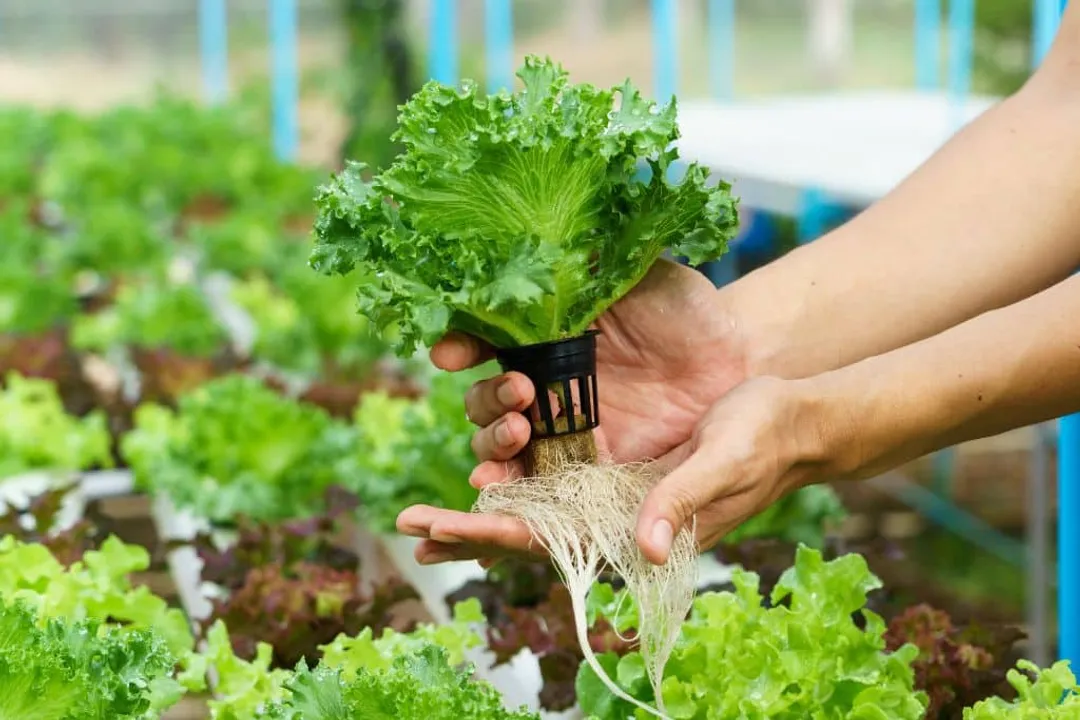
The nutritional value of greens grown without soil is a subject that sparks frequent debate, often fueled by long-held assumptions about what makes food "healthy." When we look at produce cultivated through hydroponic systems—where roots are suspended in nutrient-rich water rather than earth—the immediate concern centers on whether the absence of traditional soil compromises the final vitamin and mineral content of the vegetable itself. [4][8] To answer this properly, we have to move past the medium and examine the recipe the grower is using. [2][4]
# Nutrient Precision
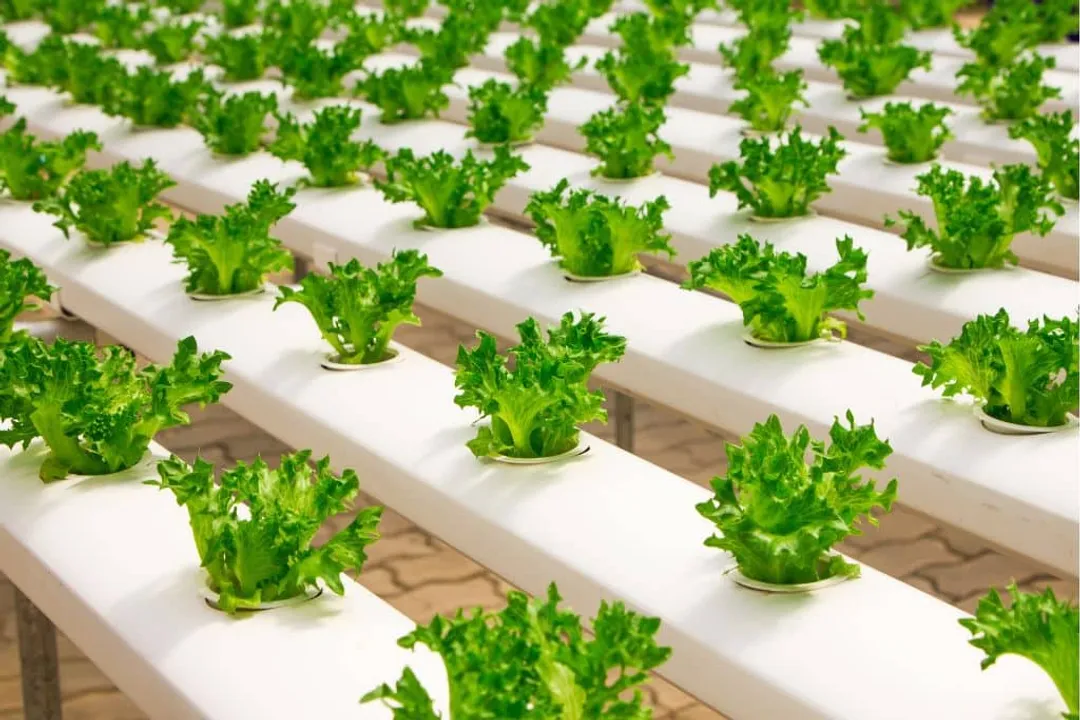
Hydroponics, fundamentally, is a method of delivering exactly what a plant needs, precisely when it needs it. In a controlled environment, growers mix a specific solution containing all essential macro and micronutrients, such as nitrogen, phosphorus, potassium, calcium, and magnesium. [1][7] This level of control is often cited as a potential advantage over traditional agriculture. [1] In conventional farming, the nutrient availability to a plant is dictated by the native soil composition, weather patterns, soil pH, and the organic matter present—factors that can fluctuate wildly. [2] A plant grown hydroponically, provided the nutrient solution is correctly formulated, receives a highly consistent, optimized feed. [4]
Research suggests that if the nutrient solutions are properly calibrated, hydroponically grown produce can achieve mineral and vitamin profiles that are equal to, or sometimes even surpass, their soil-grown counterparts. [1][7] The scientific literature indicates that the plant doesn't care whether the ions of potassium or iron arrive via water or leach out of soil particles; it absorbs the necessary elements regardless of the initial source. [8] Therefore, the health comparison hinges not on the method (soil versus water) but on the management. [2] If a soil farmer has rich, balanced loam and excellent growing conditions, their lettuce might be marginally better than a hydroponic operation that is skimping on its calcium supplementation that week. Conversely, if a soil farmer is dealing with depleted, acidic earth, the precisely managed hydroponic lettuce is almost certainly nutritionally superior. [2][4]
# Soil Comparison
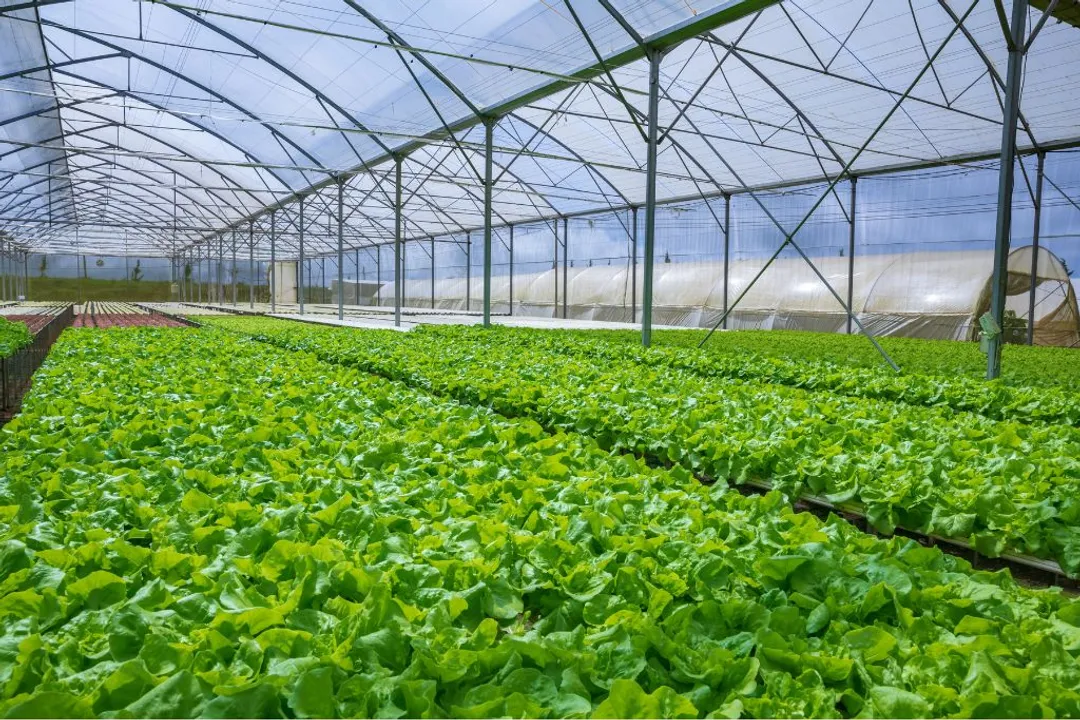
The argument against hydroponics often carries an emotional component, revolving around the idea that "natural" is inherently better. Soil is complex, teeming with billions of microorganisms, fungi, and bacteria that create a living ecosystem. [3][5] These soil microbes are vital for soil structure and nutrient cycling in natural settings, creating a holistic environment that traditional soil advocates claim is impossible to replicate in a sterile water tank. [5]
However, it is important to draw a clear line between the ecosystem benefits of soil and the direct nutritional intake of the plant. [8] While soil biology contributes to the overall health of the environment where the food is grown, the edible portion of the vegetable primarily absorbs dissolved mineral ions. [7] Claims that hydroponic produce is inherently "unhealthy" because it lacks the microbial benefits of soil often overlook this fact. [5] The beneficial microbes we seek in our diet are typically consumed through fermentation or by eating whole foods that interact with our gut flora after consumption, not by ingesting the residual microbes that might adhere to a carrot pulled from the ground. [8] If a consumer is concerned about ingesting beneficial soil bacteria, hydroponic greens should be thoroughly washed, just as soil-grown produce should be, as both carry risks of surface contamination. [8]

# Pathogen Risk
The controlled nature of hydroponics does offer a substantial advantage in terms of immediate contaminants like herbicides, pesticides, and heavy metals, as these are easily excluded from the nutrient solution and the enclosed growing area. [6] Furthermore, because the growing area is often sealed off, the reliance on chemical sprays is significantly reduced, if not eliminated. [6]
The primary health risk cited in hydroponic cultivation relates to water-borne pathogens. [3] In a soil field, if a patch of lettuce gets contaminated by something like E. coli from irrigation runoff, the problem is usually localized to that patch. In a recirculating hydroponic system, if a pathogen enters the water reservoir, it can spread rapidly to every single plant connected to that loop. [3] This necessity for impeccable sanitation is why commercial hydroponic operations must maintain extremely strict monitoring protocols for water quality and pathogen screening. [3] If sanitation fails, the risk of widespread contamination is perhaps higher than in traditional, spatially diverse field farming. [3] For the consumer, this translates to a need for trust in the facility's operational transparency.
# Freshness Gains
One often-overlooked factor influencing the practical healthiness of hydroponic produce relates to its proximity to the consumer. Many modern hydroponic farms operate in vertical farms or greenhouses located within or immediately adjacent to the urban centers where the food is sold. [6] This drastically cuts down on transit time. [8]
For vegetables like lettuce, spinach, or herbs, which are typically eaten raw, certain water-soluble and heat-sensitive vitamins begin to degrade the moment they are harvested. [1] For instance, Vitamin C content in leafy greens is known to decrease steadily the longer the produce spends in transit and storage. [4] When a head of lettuce travels across a continent, even if refrigerated, it loses nutritional value along the way. In contrast, lettuce harvested in the morning from a warehouse farm twenty miles away can be on a dinner plate that evening. [8] This dramatically reduced time-to-plate means that even if the initial nutrient formulation was identical to the best soil-grown alternative, the retained nutrient load—especially for labile vitamins—is likely higher in the hyper-local, hydroponically grown product. [1]

# Consumer Judgment
When evaluating whether to choose a hydroponic item over a soil-grown one, consumers should consider what the grower is optimizing for. Are they trying to maximize yield, which might lead to slightly lower nutrient concentration per leaf if the feeding is not perfectly calibrated to the rapid growth cycle? Or are they optimizing for flavor and maximum nutrient density, even if it means a slightly slower grow time?
A way to gauge this is by asking practical, though perhaps not always publicly available, questions about the operation's philosophy. If a local hydroponic supplier emphasizes flavor profiles, short harvest-to-shelf times, and consistent quality across seasons, they are likely focusing on delivering a superior nutritional product that retains its peak vitamins. [8] If, however, the system is focused solely on achieving the absolute fastest turnaround time possible, the plants may be rushed through their development, potentially compromising the depth of their mineral accumulation, even if they look perfectly green and healthy. [2] A good hydroponic farm treats its nutrient solution like a chef treats a fine stock—it's the foundation of the final taste and quality, not just a necessary input. [4]
# Final Assessment
The assertion that hydroponic food is inherently less healthy than soil-grown food simply does not hold up when examined closely at the cellular level. [7][8] Both methods are capable of producing food that meets or exceeds basic nutritional standards. The difference lies in control, consistency, and logistics. [2] A well-managed hydroponic system offers unparalleled control over water, minerals, and environment, often leading to cleaner, pesticide-free results and superior retention of delicate nutrients due to reduced travel time. [6] The potential pitfalls—waterborne pathogens or nutrient imbalance—are mitigated by stringent commercial controls and grower expertise. [3] Ultimately, the healthiest vegetable is the one that is grown with care, managed intelligently, and reaches your table as quickly as possible after harvest, whether that harvest came from a field or a controlled tower. [8]
Related Questions
#Citations
The Health & Nutrition of Hydroponic Foods - Eden Green
Are Hydroponic Vegetables As Nutritious As Those Grown in Soil?
What are the Risks of Growing Hydroponically : r/hydro - Reddit
Are Hydroponic Vegetables Less Nutritious? - Scientific American
Why is hydroponics produce not healthy? - Quora
12 Pros & Cons of Hydroponic Farming | Earth.Org
Controlled comparisons between soil and hydroponic systems ... - NIH
Hydroponic Farming Myths vs. Facts: What You Need to Know
Are Hydroponic Vegetables Healthy? | Dr. Joel Fuhrman #shorts