What foods are highest in antinutrients?
The conversation surrounding diet often fixates on what we should be consuming, but a significant area of interest involves compounds naturally present in our staple foods that can sometimes interfere with nutrient absorption—these are the so-called antinutrients. These substances, such as phytates, lectins, oxalates, and tannins, are not inherently "bad"; they are often defense mechanisms plants use to protect themselves from predators, insects, or spoilage, and in many cases, they even offer beneficial antioxidant properties in moderate amounts. [1][2] However, when large quantities of certain foods form the backbone of a diet without proper preparation, the potential for mineral chelation or digestive irritation increases. [3] Understanding which foods harbor the highest concentrations helps inform preparation techniques that can significantly reduce their impact, turning potentially problematic meals into highly nutritious ones. [4]
# Phytic Acid Sources
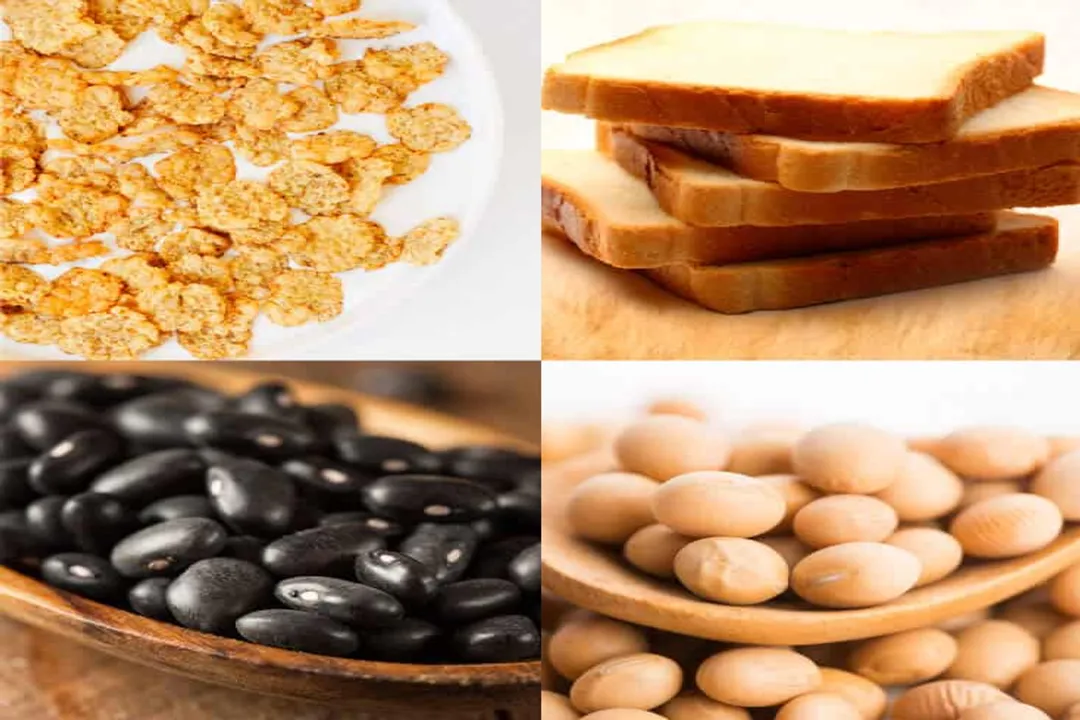
Perhaps the most well-known of the antinutrients is phytic acid, or phytate, which is stored in the bran and outer layers of many seeds. [5] This compound has a strong ability to bind with essential minerals, particularly zinc, iron, and calcium, making them less bioavailable for the human body to absorb. [1][6] Grains, legumes, nuts, and seeds are the primary dietary sources of phytic acid. [3][5]
For individuals relying heavily on these food groups, the sheer quantity of phytate consumed can become a point of concern, especially in populations where mineral intake is already borderline. [6] Consider whole grains like wheat, rye, and oats; the bran layer, which is often emphasized for its fiber content, is also the principal reservoir for phytates. [1] In legumes, such as soybeans, kidney beans, and lentils, phytate levels can be quite high before processing. [3] Nuts and seeds follow a similar pattern; for instance, almonds and sesame seeds contain notable amounts. [5] While the raw percentage of phytate in a food is high, the actual impact depends on the rest of the meal. If you consume an iron-rich steak alongside a serving of whole-wheat bread, the phytic acid in the bread will attempt to bind a portion of that iron, although other digestive factors modulate this effect. [1]
It is important to contrast the concentration levels. Dry, unsoaked beans and grains hold the highest potential concentrations of phytic acid. [4] For example, unprocessed wheat germ can contain several hundred milligrams of phytate per 100 grams, a level that drastically decreases after fermentation or long soaking. [3] This difference highlights a crucial concept: the food matrix and preparation method matter more than the raw presence of the compound. A diet rich in diverse, properly processed plant foods balances this out effectively. [6]
# Lectin Content
Lectins are a diverse group of proteins that can bind to carbohydrates and are often associated with digestive distress when consumed raw or undercooked. [2] They are found predominantly in grains and legumes. [1] The most notorious lectin is phytohemagglutinin, found in high concentrations in red kidney beans. [2] Consuming undercooked kidney beans, even in small amounts, can lead to severe nausea, vomiting, and diarrhea because these lectins can agglutinate (clump together) red blood cells and damage the gut lining. [2] This is one of the few antinutrients where immediate, acute toxicity is a real risk if cooking guidelines are ignored. [4]
Wheat also contains various lectins, sometimes referred to as wheat germ agglutinin (WGA), which have been implicated in issues like intestinal permeability, though the general population rarely experiences adverse effects from conventionally prepared wheat products. [1][2]
Comparing sources, legumes generally have higher lectin loads than most grains, which is why the soaking and long-boiling process for dry beans is non-negotiable, going beyond simple softening to effectively neutralize these protein structures. [4] Properly cooked beans render the lectins harmless. [2]

# Oxalates and Binders
Oxalates, or oxalic acid, are another group of compounds that bind to minerals, most notably calcium, preventing its absorption. [1] These are present in high concentrations in specific vegetables and green plants used as food sources. [3] The foods highest in oxalates are frequently celebrated for their dense micronutrient profiles, creating a paradox. [2]
The key offender here is often spinach, which is notoriously high in oxalates, followed by rhubarb leaves (though the stalks are commonly eaten). [5] Other high-oxalate foods include beets, sweet potatoes, almonds, and certain teas. [3] When consumed regularly in large quantities, this can be a concern for individuals prone to forming calcium oxalate kidney stones. [2][5]
When comparing the mineral-binding hierarchy, phytates tend to be broader in their mineral targets (iron, zinc, calcium), whereas oxalates are most recognized for their effect on calcium bioavailability. [6] Interestingly, the nutritional profile of spinach—high in Vitamin K, Vitamin A, and iron—often outweighs the minor mineral loss for most healthy individuals, provided they are not consuming excessive quantities daily. [1]
# Goitrogens in Cruciferous Foods
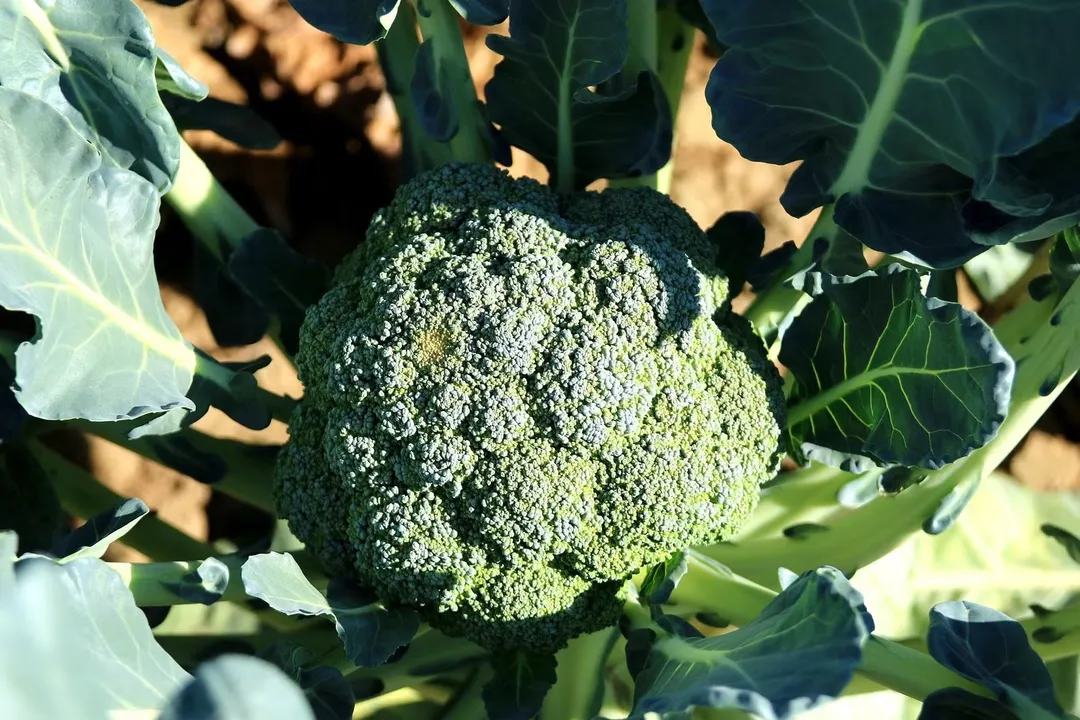
A different class of antinutrient involves goitrogens, compounds that can interfere with iodine uptake by the thyroid gland, potentially inhibiting thyroid hormone production. [2][4] These are found primarily in cruciferous vegetables, which include broccoli, cauliflower, cabbage, kale, and Brussels sprouts. [1]
The highest concentrations are often found in raw or lightly steamed preparations. [4] For example, raw kale or large amounts of raw broccoli consumed daily over a long period could theoretically affect thyroid function, particularly in someone with an existing iodine deficiency. [2] It’s worth noting that the concentrations in standard serving sizes are usually not high enough to cause problems for people with healthy thyroid function and adequate iodine intake. [4]
When we look at the sheer concentration, certain raw root vegetables and Brassica sprouts can register higher levels than common cooked vegetables, but the impact of cooking is profound here. Boiling, steaming, or sautéing cruciferous vegetables significantly reduces their goitrogenic activity by breaking down the precursor compounds. [1][4]
| Food Category | Primary Antinutrient | Highest Concentration Examples | Primary Reduction Method |
|---|---|---|---|
| Legumes/Nuts/Seeds | Phytic Acid | Dry Beans, Sesame Seeds | Soaking, Sprouting, Fermentation [3][5] |
| Legumes/Grains | Lectins | Red Kidney Beans (raw) | Thorough Cooking (Boiling) [2][4] |
| Leafy Greens | Oxalates | Spinach, Rhubarb Leaves | Boiling, Steaming, Water Removal [5] |
| Cruciferous Veg. | Goitrogens | Raw Kale, Raw Cabbage | Steaming, Cooking [1][4] |

# Preparation Techniques High Impact
The most significant value addition to understanding antinutrients comes not from avoiding these foods entirely—which would mean abandoning some of the most nutrient-dense staples in human diets—but from mastering the preparation methods that deactivate them. [6] This process often leverages traditional food preparation techniques that cultures have developed over centuries. [3]
Soaking, sprouting, and fermentation are the powerhouse trio for reducing phytic acid in grains, nuts, and legumes. [3][4] Soaking dried beans or grains in water for several hours (often overnight) helps leach out phytic acid and enzyme inhibitors. [4] Sprouting takes this a step further; when a seed begins to germinate, it actively begins to break down its stored phytates to mobilize nutrients for the seedling, a process we can harness. [3] Fermentation, as seen in making sourdough bread, utilizes yeast and bacteria to produce the enzyme phytase, which specifically breaks down phytic acid into digestible forms. [1]
For lectins, the answer is simple: heat. Boiling dry beans at a rolling boil for at least 10 minutes, followed by simmering for an extended period, effectively denatures the heat-sensitive lectins. [2][4] Fictional case study: A home cook, accustomed to quick-cooking canned beans, switched to dried black beans but only boiled them for 15 minutes before adding them to a soup, resulting in mild but persistent cramping; this issue resolved completely when she switched to an 8-hour soak followed by a full 60-minute simmer, which destroyed the residual toxins. [4]
For oxalates, the strategy centers on water solubility. Since oxalates leach into water, boiling vegetables like spinach or beet greens, and discarding the cooking water, can reduce their oxalate content by 30% to 87%, depending on the vegetable and duration. [5][2] Steaming is less effective than boiling for leaching but still degrades some oxalate compounds. [1]
A practical tip when assembling mineral-rich meals is to consider when you consume high-phytate foods relative to high-iron or high-zinc foods. If you are treating a documented deficiency, try pairing iron-rich foods (like red meat or fortified cereals) with a source of Vitamin C (like bell peppers or citrus), which dramatically enhances iron absorption, potentially overcoming some of the minor binding effects of a whole-grain side dish. [6] This active enhancement strategy can be more beneficial than merely worrying about the binding agent.
# Contextualizing Risk
It is easy to become alarmed by lists detailing the highest concentrations of antinutrients, yet the scientific consensus leans toward contextualizing this information for the general, well-nourished population. [6] Most people in developed nations consume a varied diet, which naturally cycles through different foods and preparation methods, preventing chronic overexposure to any single compound. [3]
Antinutrients also serve roles beneficial to human health, which often gets overlooked in the discussion of their negative mineral-binding properties. [2] Phytates, for example, are potent antioxidants and have been researched for potential roles in inhibiting cancer cell growth and reducing the risk of heart disease. [1][6] Tannins, another type found in tea, coffee, and wine, are polyphenols known for their antioxidant activity. [2]
The true concern arises when a diet becomes overly restrictive or heavily reliant on raw, unprocessed forms of grains and legumes day after day, particularly if the individual is already at risk for mineral deficiencies (like anemia or zinc deficiency). [3][6] For instance, a person exclusively following a raw vegan diet centered heavily on soaked nuts and raw sprouts without implementing sufficient sprouting/fermentation time might experience digestive issues or mineral depletion over time. [2] In contrast, traditional diets that ferment grains into sourdough or use long boiling times for beans (like in many traditional Mexican or Indian preparations) successfully minimize the negative aspects while retaining the fiber and other nutritional benefits. [3] This historical perspective underscores that preparation is the equalizer between potential hindrance and nutritional gain. [4]
# Tannins and Other Compounds
While less frequently discussed than phytates or oxalates, tannins are another significant class of antinutrients found in foods like tea, coffee, fruits (especially the skins), wine, and legumes. [2][4] Tannins are polyphenols known for causing the astringent, drying sensation in the mouth when drinking strong black tea or red wine. [2] Like other antinutrients, they can bind to proteins and minerals, potentially inhibiting iron absorption if consumed concurrently with a meal. [1]
The highest concentrations are often observed in unfiltered or very strong brews of tea, or in the consumption of fruit skins, such as apple or grape skins, without peeling. [2] Similar to goitrogens, the effect of tannins is generally mitigated by moderate consumption. Having a cup of black tea between meals, rather than directly with a main course, is an easy adjustment that respects their potential binding capacity. [1]
Furthermore, alkaloids are present, particularly in nightshade vegetables like potatoes and tomatoes, though usually in concentrations that are only problematic if green spots on potatoes are consumed or if the diet is extremely skewed toward these specific items. [4]
For the average reader, the takeaway is less about eliminating these natural plant compounds and more about adopting mindful preparation habits that honor the food being eaten. [6] Proper cooking and processing methods are effective tools that allow us to safely enjoy the fiber, protein, and micronutrients housed within seeds, beans, and greens without significant interference from their natural defense chemicals. [3][4] The goal is balance, ensuring that while we acknowledge the highest concentration points—raw beans, uncooked grains, and uncooked spinach—our daily intake reflects methods designed to neutralize their binding potential. [1]
Related Questions
#Citations
Are Anti-Nutrients Harmful? - The Nutrition Source
Is There Such a Thing as “Anti-Nutrients”? A Narrative Review of ...
10 Antinutrients to Get Out of Your Diet Immediately - Dr. Axe
Foods High in Phytic Acid - WebMD
Trending – Anti-nutrients - Center for Research on Ingredient Safety
Should You Worry About Anti-Nutrients in Foods?
Antinutrients: Lectins, goitrogens, phytates and oxalates, friends or ...
5 Foods Rich in Antinutrients and How to Minimize Their Effects
What Are Antinutrients? - FoodUnfolded