What are some common food preferences?

The modern plate is a deeply personal reflection, moving far past simple likes and dislikes. What someone chooses to eat—or deliberately avoids—is now often intertwined with medical necessity, deeply held ethics, cultural heritage, and specific health optimization goals. [1][2] Navigating this landscape of individual choices requires more than just knowing a preference; it demands an understanding of the why behind it. When we talk about common food preferences, we are really talking about a spectrum ranging from mild taste aversions to strict, life-preserving mandates. [3]
# Health Needs
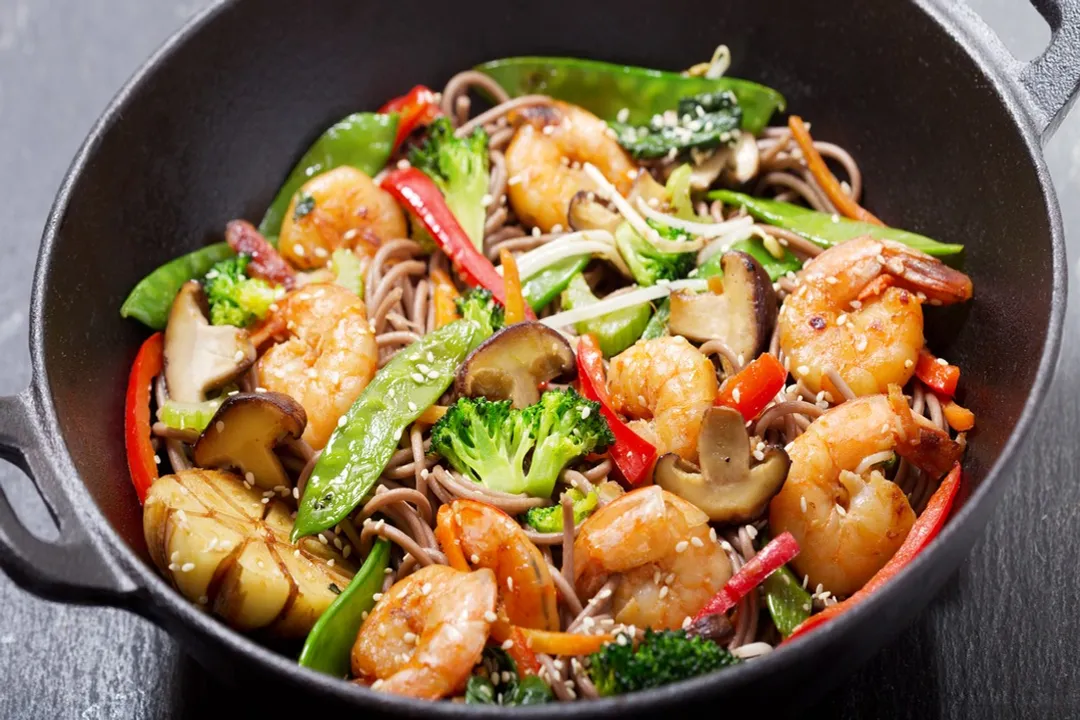
The most critical category of food preference is rooted in health, where an exclusion is not a choice but a requirement for safety or well-being. [4][5] These restrictions demand the highest level of attention, especially when preparing food for others, as simple oversight can have severe consequences. [1][6]
# Allergies Versus Intolerances
It is vital to distinguish between a true allergy and an intolerance, though both dictate what a person can safely consume. [1][4] A food allergy involves the immune system, potentially leading to a life-threatening reaction like anaphylaxis. [1] Common severe allergens include peanuts, tree nuts, milk, eggs, soy, wheat, fish, and shellfish. [1][7] For individuals with these conditions, cross-contamination is a major concern; even trace amounts from a shared cutting board or fryer oil can trigger a reaction. [6][7]
Food intolerances, conversely, generally involve the digestive system. For example, lactose intolerance means the body struggles to produce enough lactase enzyme to break down the sugar in milk. [1] Celiac disease is another critical example, requiring complete avoidance of gluten—a protein found in wheat, barley, and rye—to prevent damage to the small intestine. [2][7] While less immediately life-threatening than a severe peanut allergy, adhering to a gluten-free diet for celiac disease is medically non-negotiable. [7]
# Lifestyle Diets
Beyond medical necessity, many common food preferences stem from long-term lifestyle commitments driven by personal ethics, perceived health benefits, or specific athletic goals. [2][5] These choices shape daily eating patterns and influence the food market profoundly.
# Plant Based
One of the most significant shifts in contemporary eating involves reducing or eliminating animal products. [2] Vegetarianism excludes meat, poultry, and fish, though most vegetarians continue to consume dairy and eggs. [7] Veganism is a stricter adherence, eliminating all products derived from animals, including meat, dairy, eggs, and often honey. [2][5][7] The motivations here often cluster around ethical concerns for animal welfare, environmental sustainability, or personal health benefits associated with consuming more whole plant foods. [2] Following a purely plant-based diet successfully requires thoughtful planning to ensure adequate intake of nutrients like Vitamin B12, iron, and calcium, which are readily available in animal sources. [2][7]
# Popular Health Structures
Several structured eating patterns have gained wide popularity based on macronutrient focus or evolutionary premises.
- Ketogenic (Keto): This diet drastically reduces carbohydrate intake while increasing fat, aiming to shift the body's primary fuel source into a state of ketosis. [2][5] It often necessitates eliminating grains, sugar, and most fruits. [5]
- Paleolithic (Paleo): Rooted in the idea of eating like our Stone Age ancestors, this approach emphasizes whole foods like lean meats, fish, fruits, vegetables, nuts, and seeds, while strictly excluding grains, legumes, dairy, and refined sugar. [2][5]
It is interesting to observe how these structures overlap and diverge. A person following a Paleo diet might consume meat and avoid grains, while a vegan avoids all meat but might consume gluten-free grains if they are not also avoiding them for other reasons. [2] A person attempting to maintain ketosis would likely reject both traditional Paleo bread and most fruits due to high carbohydrate content, highlighting that dietary structures often target different physiological outcomes. [2] When someone adopts one of these diets, they are essentially pre-filtering their food preferences through a specific rule set, which can be as restrictive in social settings as a moderate intolerance. [6]

# Religious Mandates
For many people globally, food choices are governed by religious doctrine, which dictates not only what can be eaten but often how it must be prepared and sourced. [8] These rules are foundational to identity and observance.
Halal dietary laws, followed by Muslims, prohibit the consumption of pork and its byproducts, as well as alcohol. [8] Furthermore, any meat consumed must come from animals slaughtered according to specific ritual guidelines, known as dhabihah. [8]
Kosher laws, central to Judaism, involve complex rules concerning which animals can be eaten (e.g., no pork or shellfish) and how they must be slaughtered. A key requirement is the separation of meat and dairy products; they cannot be cooked, served, or eaten together. [8]
While both Halal and Kosher restrict certain meats, the concept of "clean" eating extends differently. For Kosher observance, the ritual preparation (supervision and blessing) is as important as the ingredient list, a detail that differs from the typical focus of general lifestyle diets. [8] Faith-based restrictions represent a deep commitment where deviation is often spiritually significant, distinguishing them from elective health choices. [3]
# Cultural Palates
Beyond rules and health metrics, food preferences are profoundly shaped by culture, geography, and tradition. [3] These preferences often manifest as an expectation of certain flavor profiles, staple ingredients, or preparation methods common to one's heritage. [3]
Cultural food preferences, particularly in settings where large groups are being served, are essential to acknowledge for successful accommodation. [3] For instance, a community may overwhelmingly favor dishes high in rice or root vegetables, or conversely, they may have a cultural predisposition toward avoiding overly spicy foods. [3]
Think about the vast differences in staple grains across the globe: rice in much of Asia, wheat/bread in parts of Europe and the Middle East, and corn/maize in Mesoamerica. A preference for one over the other is often deeply ingrained from childhood, affecting both satisfaction and perceived nutritional value. [3] In a service environment, understanding these background preferences—perhaps knowing that a specific community prefers their poultry prepared without skin, or that a particular culture avoids fermented foods—is key to making guests feel welcomed and respected. [3] It is less about a medical necessity and more about cultural satiety. [3]
Considering the global dietary landscape, the United States Dietary Guidelines for Americans highlight a general shift toward healthier patterns, encouraging increased intake of fruits, vegetables, whole grains, and lean proteins, while limiting saturated fats, added sugars, and sodium. [9] While these are recommendations, they influence the overall food environment, meaning that what is "common" is slowly being redefined by public health messaging alongside personal habit. [9] When a chef or caterer plans a menu, they are balancing the need to meet the strictures of allergies and religion against the general health consciousness reflected in guidelines and the specific tastes associated with cultural backgrounds. [6][9]

# The Spectrum of Choice
The variety of preferences means that accommodating individuals often involves stacking multiple requirements. Imagine a guest who is:
- Vegetarian (Ethical/Lifestyle) [5]
- Lactose Intolerant (Digestive Health) [1]
- Observing Lent (Religious/Cultural) [8]
This person’s available options are narrowed significantly compared to someone who simply prefers "spicy food". [6] The reality of modern dining or meal service is managing this complexity, moving from simple dietary exclusion (no nuts) to layered needs (no dairy and no meat and no seafood). [6]
A helpful way to categorize the intensity of these preferences in a social or planning context is by the consequence of error.
| Preference Type | Primary Driver | Consequence of Error | Required Action |
|---|---|---|---|
| Severe Allergy | Immune System | Life-threatening/ER visit | Strict separation, dedicated prep area [1][6] |
| Celiac/Intolerance | Digestive Health | Significant discomfort/long-term harm | Complete exclusion, careful ingredient sourcing [1][7] |
| Religious Law | Spiritual Obligation | Spiritual/Social breach | Certification, adherence to ritual preparation [8] |
| Lifestyle Choice | Ethics/Fitness Goal | Dissatisfaction/Mild discomfort | Substitution or omission based on preference [2][5] |
This framework shows why general "preference" discussions often default to allergies and veganism—the stakes, both medically and socially, are highest there. [4][6]
When catering to a group, particularly in institutional settings like schools or universities, acknowledging this spectrum is crucial to ensuring equitable access to food. [4] The goal should not just be to avoid causing harm but to provide a positive, satisfying experience for everyone, which means offering appealing alternatives rather than just bare substitutions. [3] For example, offering a well-seasoned lentil shepherd's pie to a vegetarian guest, rather than just a plain salad, shows respect for their palate and preference level. [2]
Ultimately, the common thread in all food preferences—whether driven by a religious text, a personal health scare, or simple upbringing—is the desire for autonomy and respect in what we consume. [3] As our understanding of nutrition deepens and dietary diversity increases, recognizing and accommodating this multitude of choices becomes a defining characteristic of thoughtful food service and social interaction. [9]
Related Questions
#Citations
22 Common Dietary Restrictions to Look Out For
The 10 Most Common Dietary Restrictions
Consider Cultural Food Preferences: FAQ | FSG Toolkit
Food Preferences and Allergens
10 Most Common Dietary Restrictions
What Are the Most Common Dietary Restrictions? Best ...
Dietary Guidelines for Americans, 2020-2025
10 Dietary Restrictions and Preferences to Know
Ranking of meal preferences and interactions with ...
Healthy diet