What is the most commonly eaten food in Spain?
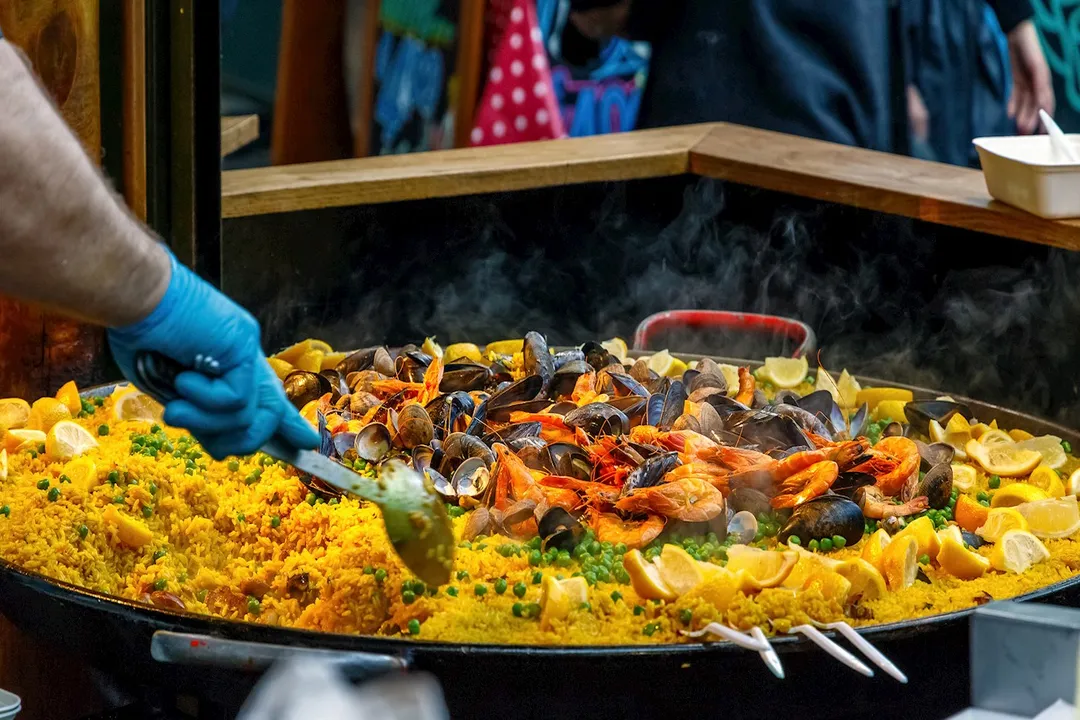
Pinpointing the single most commonly eaten food in Spain is a deceptively complex task, as the answer shifts depending on whether you mean a dish served in restaurants everywhere, a dish eaten daily at home, or a core ingredient woven through every meal. Spanish gastronomy is deeply regional, meaning that while paella might be the most famous icon abroad, it is typically confined to its Valencian origins for authentic preparation. However, one item stands out as a near-universal presence on menus from Galicia to Andalucía: the Tortilla Española, or Spanish omelet.
# Tortilla Ubiquity

The tortilla Española—a simple, yet profound, cake of eggs and potatoes cooked in olive oil—is frequently cited as perhaps the most quintessential Spanish dish. It is found in almost any café or tapas bar across the entire country. Its ubiquity stems from its adaptability and affordability; it makes for an inexpensive, filling meal that can be enjoyed hot or cold. Debates rage over its preparation—whether or not onion belongs in the mix, and how runny the center should be—but its foundation of eggs and potatoes remains sacred. You can order a wedge of it on its own, or tucked inside a bocadillo (sandwich), solidifying its role as a highly accessible and frequently consumed food item.
# Five Meals Daily

To truly understand what Spaniards eat most commonly, one must look beyond the celebrated single dishes and examine the structure of the Spanish eating day. Far from the three-meal structure common in some other Western countries, the Spanish routine often involves five distinct eating occasions. This pattern heavily influences the everyday diet. The main meals are the Comida (lunch, the heavy one, around 14:00-15:00) and the Cena (dinner, lighter, around 21:30-22:00). In between, there are three smaller opportunities for sustenance: Desayuno (breakfast), Almuerzo or Desayuno de media mañana (mid-morning snack around 11:00), and Merienda (afternoon snack around 18:00).
# Morning Fuel

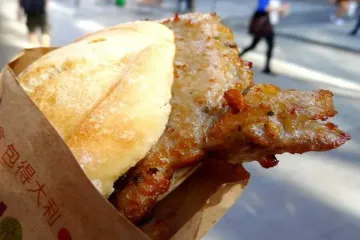
The first meal, desayuno, is typically quite basic. While international visitors might associate Spain with hearty cooked breakfasts, many Spaniards begin the day simply with a coffee or a milk-based drink, perhaps a Cola Cao, alongside a minimal food item. The most common accompaniment appears to be some form of bread or toast. This might involve slices of bread rubbed with olive oil and salt, perhaps with a touch of crushed tomato (con tomate y con ajo restregado is highly regarded). Alternatively, people consume pastries or cookies. Interestingly, many Spaniards find the inclusion of eggs for breakfast, common in places like Britain, to be unusual. For the mid-morning Almuerzo, the pattern continues with another coffee and something small, often a toast or a small sandwich.
# Comida Structure

The midday Comida is historically the most substantial meal of the day, providing significant sustenance for the middle and end of the working day. This is where the variety and richness of Spanish home cooking appear, utilizing staples that form the backbone of the diet, rather than necessarily focusing on specialty dishes served at bars. The components of this major meal frequently include legumes (in various stew recipes), rice or pasta dishes, meat, or fish. Traditional, hearty dishes like Cocido Madrileño (chickpea casserole) or Fabada Asturiana (white bean casserole) fit perfectly into this slot, especially in cooler months. While many people might not eat complex dishes every day, these core ingredients—beans, rice, and protein—are what constitute the bulk of daily caloric intake.
It is worth noting the distinction between ingredients and prepared dishes. For instance, rice often appears simply as a side dish, sometimes with tomato sauce and a fried egg atop it, known as arroz a la cubana. The consensus is that the primary meal utilizes these fundamental, filling ingredients.
# Tapas Concept
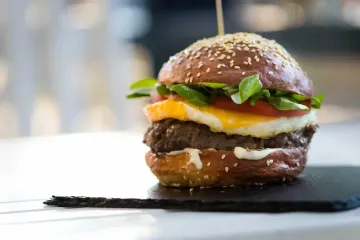
The fame of Spanish cuisine often leads people to believe that tapas are what Spaniards eat every day at home, but this is a misconception. Tapas are generally reserved for going out, socializing, or enjoying drinks, rather than constituting daily home meals. Tapas are a concept, representing small portions of food served with a drink, and they are not always served free of charge.
When Spaniards do eat tapas, the selection often overlaps with ingredients they enjoy generally. Among the most popular tapas items frequently mentioned are croquetas (creamy, fried béchamel fritters, often with jamón) and slices of jamón serrano. Other common tapas include patatas bravas, boquerones en vinagre, and, naturally, a small slice of tortilla Española. While delicious, these are categorized as bar snacks enjoyed socially, not the everyday fare that fills the stomach at 15:00.
# Foundational Bread
If we must identify the single most frequently consumed item across the entire day, it is arguably bread. This seems simple, but its functional role in Spanish eating habits is profound. Bread is a constant companion, mentioned as being eaten "with anything you can imagine" and a key component of both breakfast and the mid-morning snack. From pairing a bocadillo de jamón for a quick bite, to using slices to soak up the delicious oil from gambas al ajillo, or accompanying the fresh tomato salsa on a pa amb oli (a Mallorcan staple), bread serves as the essential edible platform for everything else. In terms of sheer frequency of appearance across the five daily eating moments, bread likely outpaces any single prepared dish, acting as the inexpensive, versatile binder for the Spanish diet, much like how pasta functions as a neutral base in Italian eating or rice in many Asian traditions. This is not a fancy national dish, but the reliable vehicle for flavor and sustenance from morning till night.
# Meal Timing and Diet Structure
Another key insight into Spanish eating habits involves the timing and weight distribution of the meals, which dictates dietary patterns. The late timing of the main Comida (lunch) followed by a relatively light Cena (dinner) many hours later means that the midday consumption must be heavier and more restorative. Unlike cultures where dinner is the main event, the Spanish schedule necessitates a substantial anchor meal in the early afternoon. This structure means that foods classified as Comida staples—legumes, rice, meats, and fish—are eaten at the time of day when people are most actively seeking energy, making them the most functionally important part of the daily caloric intake, even if they are eaten less frequently than morning toast. The need for a hearty 15:00 meal contrasts sharply with the lighter fare—salads, soups, or fruit—consumed much later for Cena, often right before bed. This late, light dinner is designed not to disrupt sleep, reflecting a cultural adaptation to the late hours of evening activity.
In summary, while the Tortilla Española holds the title for the most ubiquitous prepared dish available everywhere, the true "most commonly eaten food" depends on the context. For daily consistency from sunrise, it is coffee and simple bread/toast. For the main energy intake, it is the legumes, rice, meat, or fish that make up the Comida. And for the experience outside the home, it is the extensive category of tapas, including the ever-present croqueta. This layered approach shows a cuisine rich in iconic specialties alongside deeply practical, daily habits.
Related Questions
#Citations
Top 10 Spanish Dishes That You Must Try - Meddeas
Some famous Spanish recipes - Spain.info
What do Spaniards typically eat for breakfast, lunch, and dinner?
Read My Top Ten Favorite Spanish Foods Online | La Tienda
10 Most Popular Spanish Foods & Beverages - TasteAtlas