What Japanese food can be eaten cold?
Japanese cuisine is renowned globally for its meticulous presentation and depth of flavor, often conjuring images of steaming bowls of ramen or perfectly seared fish. However, the diversity of washoku means that many iconic dishes are equally, if not more, appealing when served chilled. Whether escaping the stifling summer heat or preparing a practical, non-microwavable lunch, the repertoire of cold Japanese fare extends far beyond just sushi.
# Chilled Noodles
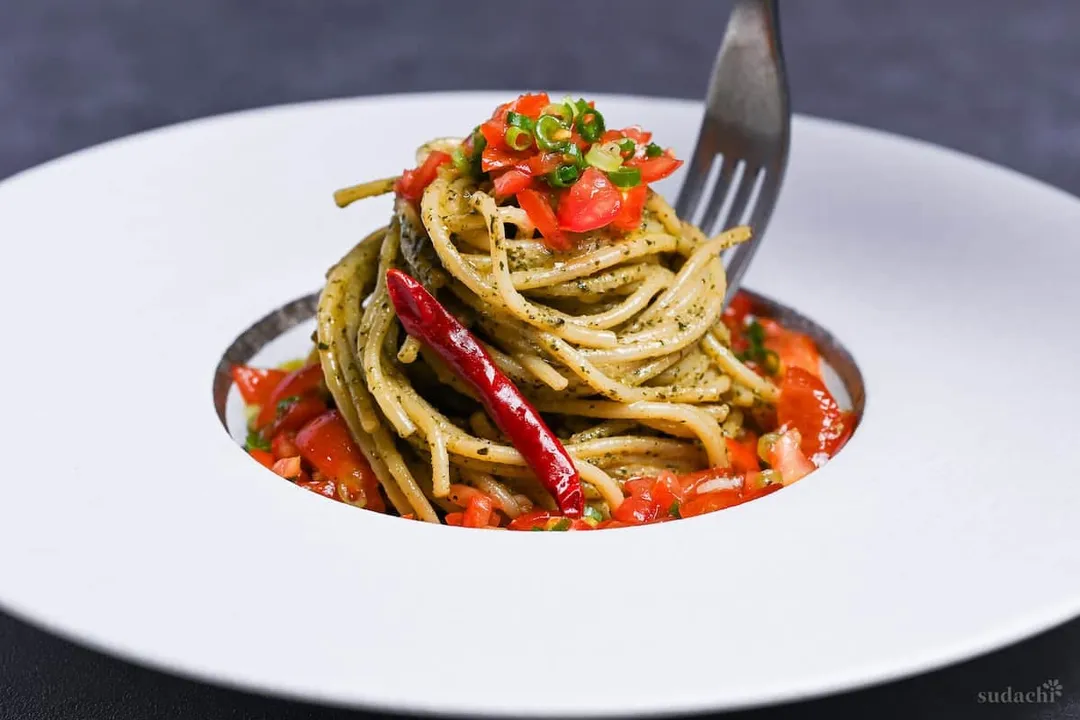
When the temperatures rise, noodles offer the most refreshing solution, with several classics adapted specifically to be enjoyed cold. This practice is so pervasive that seeing "Hiyashi Chuka Hajimemashita" (Cold Chinese Noodles Now Available) signs is often considered the signal that true summer has arrived in Japan. [3]
# Udon and Somen
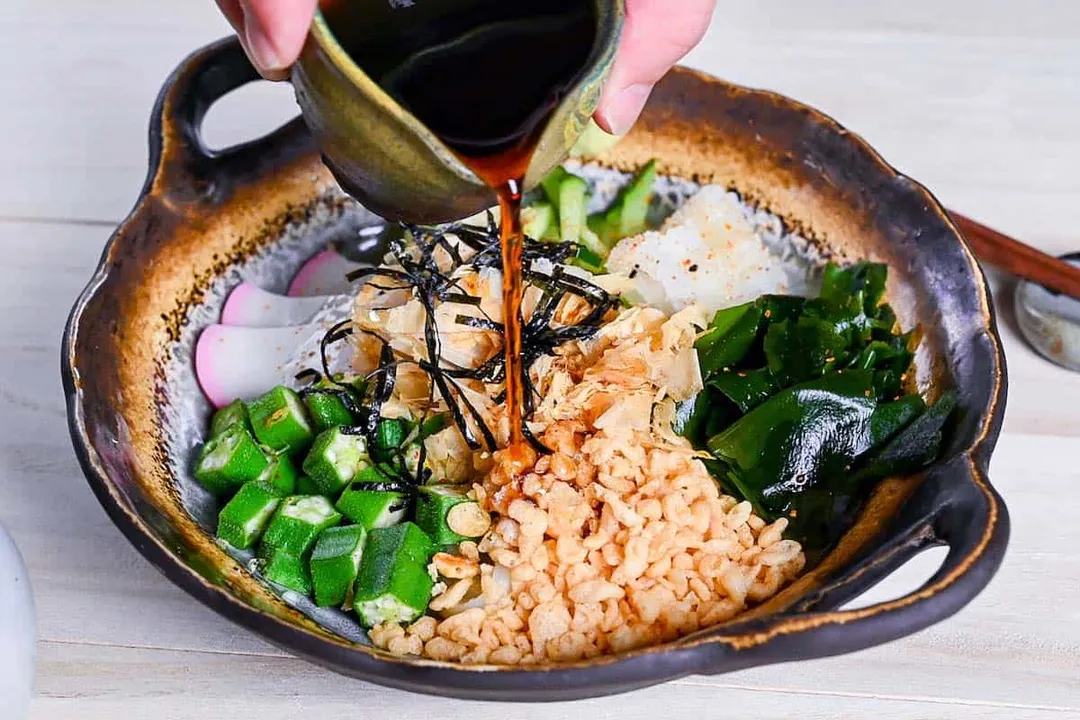
Udon, the thick wheat noodle, transforms elegantly into a summer dish when cooled in iced water after cooking and served with a specialized dipping sauce or light soy sauce. [1] This preparation dates back centuries, traceable to the Muromachi period. [1] For this, certain types of udon excel: Sanuki Udon from Kagawa, known for its great chewiness, holds up well when chilled. [1] Conversely, the thin and flat Inaniwa Udon boasts a smooth texture that makes it particularly suitable for cold service, often preferred in households. [1] Himi Udon, while resembling somen, is more chewy and often served as a dipping noodle when cold. [1] A simple yet satisfying preparation is Hiyashi Tanuki Udon, where chilled udon is topped with tenkasu (crispy tempura flakes) and served in a flavorful cold dashi broth. [3]
Somen, characterized by its ultra-thin wheat strands, is another summer staple. [3] While traditionally served by dipping into mentsuyu (a chilled soy-dashi sauce), it can also be presented swimming in a refreshing, citrus-infused cold broth made with chicken stock, soy sauce, and garlic. [3] A unique, traditional method for serving somen is Nagashi Somen, where diners catch noodles as they flow down a bamboo chute in a current of water—a fun, interactive summer activity that is sometimes replicated with modern machines. [1]
# Soba and Ramen
Soba, the nutty buckwheat noodle, is popularly served as Zaru Soba, neatly presented on a bamboo tray and accompanied by a cold mentsuyu dipping sauce. [3]
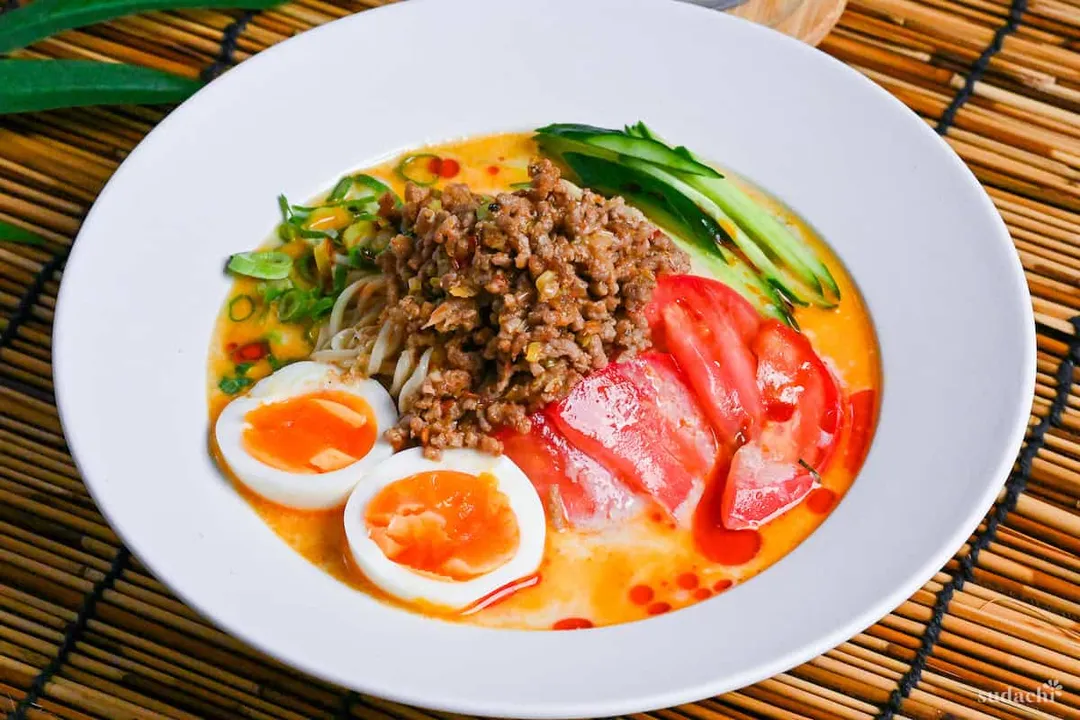
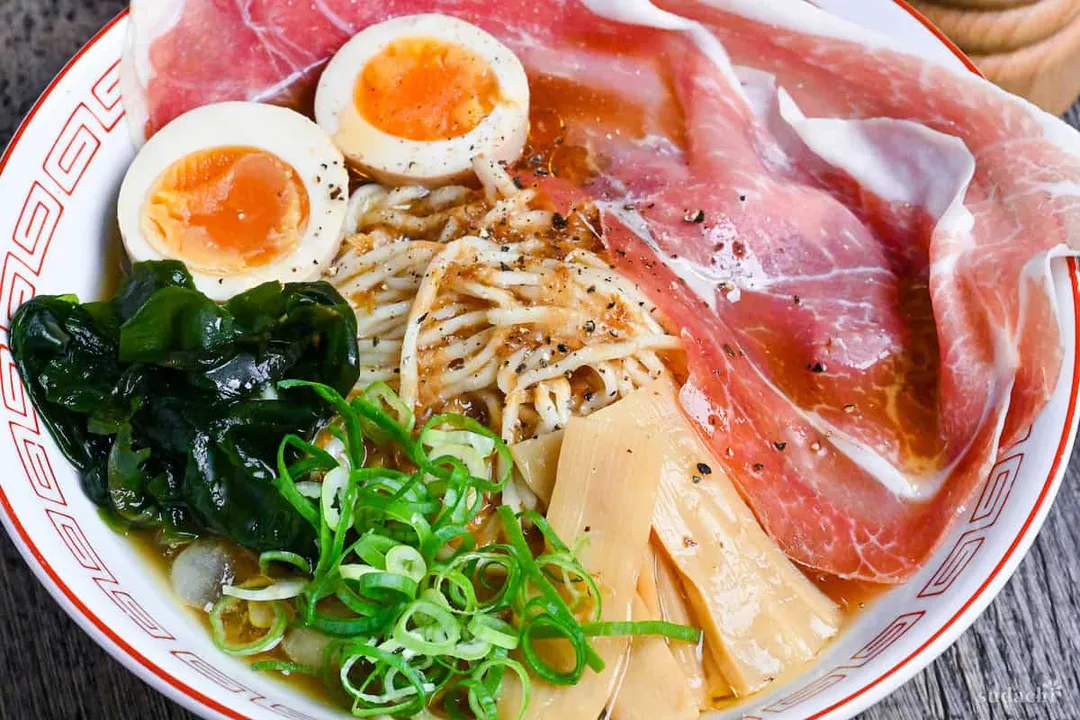
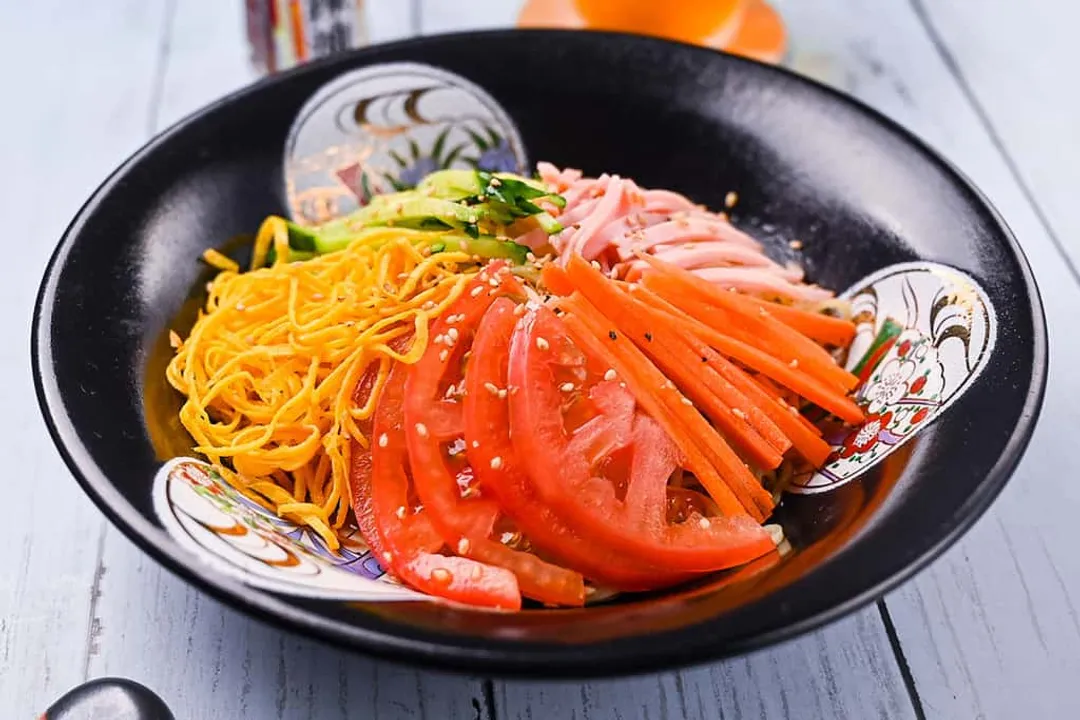
Even ramen, typically associated with steaming broths, has cold counterparts. Hiyashi Chuka is perhaps the most famous cold noodle dish, involving ramen noodles topped with colorful ingredients like julienned cucumber, ham, and thin egg crepe (kinshi tamago), all drizzled with a tangy soy-vinegar sauce. [1][3] Meanwhile, Zaru Ramen offers chilled ramen noodles served with a bright, tangy, umami-rich dipping sauce that often incorporates rice vinegar for extra zest. [3] For those who still crave heat without the warmth of a hot soup, Hiyashi Tantanmen offers a cold, spicy option where the chili’s fire contrasts with a chilled, creamy broth made from miso, soy milk, and chili oil. [3] One creative adaptation noted is Hiyashi Ramen, a cold noodle soup where toppings like cured ham (Jamón Serrano) are surprisingly paired with the chilled broth. [3]
# Rice and Bento
Rice, the foundation of the Japanese diet, is perfectly acceptable cold or at room temperature, especially in the context of the packed lunch, or bento. [4]
# Onigiri and Bento Nuances
Onigiri, the classic rice ball, is a cornerstone of cold meals and is sold widely in convenience stores ready to eat. These are often stuffed with salty or savory components such as umeboshi (pickled plum), shrimp, or fish roe. [4]
It is important to distinguish between safely chilled rice and rice left in a questionable temperature range. Cold rice itself is not inherently unsafe, though it can become crumbly if moisture escapes during refrigeration. The key to successful cold rice in a bento lies in ingredients that serve a dual purpose: flavoring and preservation. For example, the nori wrapped around sushi or onigiri, and umeboshi placed on top of rice, act as natural preservation agents, helping the meal remain palatable for several hours at room temperature. This culinary approach highlights an intrinsic understanding of food safety woven into traditional meal preparation.
# Sushi and Chirashi
The most globally recognized cold Japanese staple is sushi, which pairs seasoned rice with seafood and vegetables, served alongside wasabi, ginger, and soy sauce. [4] While many main course dinners are typically served hot, [5] Chirashi-zushi offers a cold main course alternative: a colorful bowl topped richly with various fish and other ingredients over rice. [4]
# Secondary Cold Selections
Japanese cold cuisine is not limited to noodles and rice; several other items, ranging from fried snacks to light starters, are commonly enjoyed chilled.
# Fried and Savory Items
Fried items, like tempura, are popular hot, but the delicate, crisp batter can still be quite enjoyable even after cooling down, making them a unique cold snack option. [4] Furthermore, gyoza dumplings, filled with meat or vegetables, are noted to taste just as good when eaten cold, often dipped in soy sauce. [4]
# Cold Starters
The category of cold starters and side dishes is quite broad. Light salads featuring seaweed (hijiki), surimi (processed fish), fish, or noodles are common. [4] A classic example of a refreshing cold side is sunomono, a type of cucumber salad. [4] Separately served cold seafood, such as scallops, also serves as an excellent starter. [4]
# Yakisoba
Yakisoba, the fried noodle dish, is another versatile meal that can be eaten cold after it has been prepared with meat, vegetables, and soy or sesame sauce. [4] Vegetarian versions are also frequently available. [4]
In contrast to the focus on warming, hearty meals like nabe, oden, and curry udon during the colder months in Japan, [2] these cold selections provide essential culinary balance. While winter is defined by hot pot meals designed to warm the body from the inside out, [2] the summer menu prioritizes dishes that combat the heat, showing that the Japanese menu adapts fundamentally to seasonal demands rather than merely offering optional cool versions of existing dishes. [1] This seasonality in eating habits means that items suitable for cold service are often intentionally featured during specific times of the year.
Related Questions
#Citations
JAPANESE DISHES SERVED COLD. UNIQUE IDEAS
Japanese Winter Comfort Foods
10 Japanese Cold Noodle Recipes That Will Keep You ...
best cold or room temp meals for packed lunch
Winter Foods and Fruits in Japan: A Comprehensive Guide
What to Eat This Summer: Cold Udon
15 Must-Try Winter Foods in Japan: Nabe, Fugu, Crab & ...