Where was frozen food invented?
The concept of preserving food through cold temperatures is far older than the recognizable modern freezer aisle, stretching back thousands of years to civilizations that harnessed the natural chill of winter. [1] Long before electricity powered our kitchens, cultures in colder climates, such as the Inuit people in regions like Labrador, developed remarkable techniques for preserving meat and fish by exposing them to extremely low temperatures quickly. [5][6] These ancient methods, while effective for survival and storage, differed fundamentally from the revolutionary approach that would later transform global food distribution and diet—the invention of flash-freezing. [3]
# Ancient Precursors
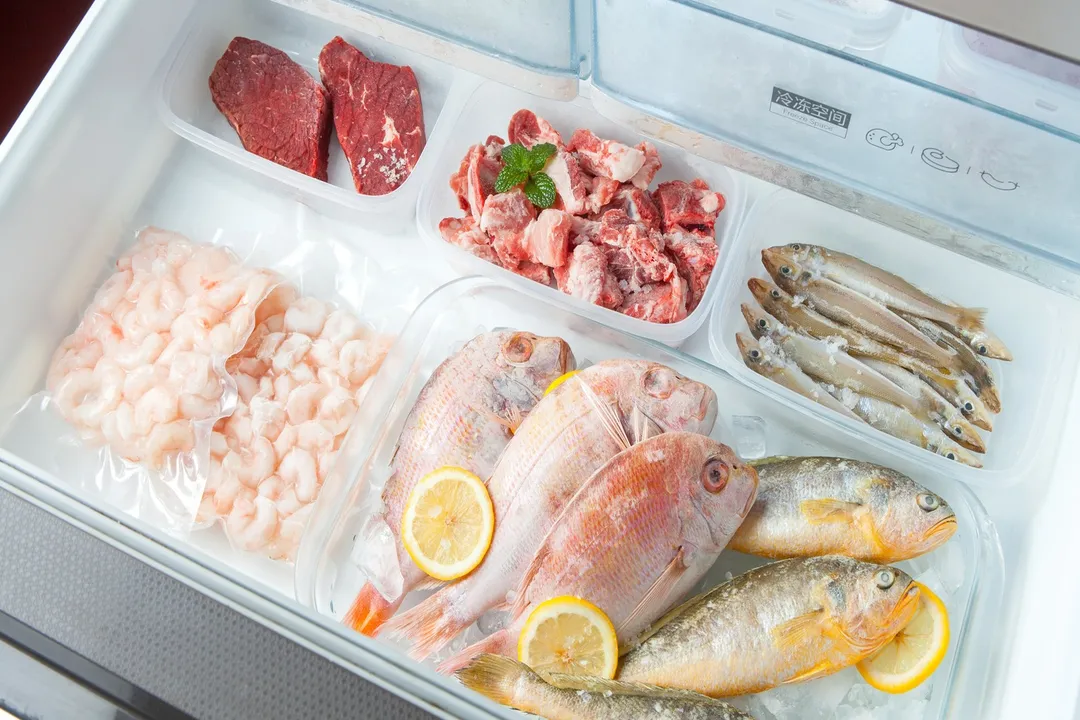
To fully appreciate the contribution of the modern inventor, it helps to look backward. Natural freezing as a preservation technique has been in use for millennia. [1] Think of preserved meats found in ice caves or food packed in snow and ice for transport across vast distances before refrigeration was possible. [8] In these early scenarios, the goal was simple preservation; the quality of the food upon thawing was often secondary to the necessity of survival. [1] Food was typically frozen slowly, often resulting in large ice crystals forming inside the cellular structure. When these large crystals thawed, they damaged the cell walls, leading to textural changes, often resulting in mushy or dry products. [3] This slow-freeze problem meant that most historically frozen foods were commodities like salt cod or hard cheeses, not delicate produce or prepared meals. [8] The world was waiting for a method that could overcome this structural damage.
# Clarence Birdseye
The narrative of modern frozen food centers almost entirely around one figure: Clarence Birdseye. [2][5][6] While many others attempted to commercialize freezing, Birdseye is rightly credited with developing the system that made frozen food commercially viable and palatable. [5] Birdseye’s groundbreaking work didn't happen in a polished laboratory; it occurred during his time as a missionary and government naturalist in Labrador, Canada, beginning around 1912. [5][6]
# Labrador Lessons
It was in the harsh, unforgiving climate of Labrador that Birdseye observed the local Inuit preparing fish. [5] He noted that fish caught and exposed to the frigid Arctic air froze almost instantly. [6] When thawed, these flash-frozen fish retained an astonishingly fresh taste and texture, far superior to food frozen slowly by conventional methods of the time. [5] This observation—that speed was the critical variable—became the cornerstone of his future endeavors. [3][6] He realized that rapid freezing minimized the formation of large, damaging ice crystals, keeping the cell structure largely intact, thus preserving flavor, color, and texture much more effectively. [3] This was the key insight missing from earlier attempts at commercial freezing. [5]
# Developing the Process
Returning to the United States, Birdseye began experimenting in the early 1920s, determined to replicate the near-instantaneous freezing he witnessed in the Arctic. [2][5] He wasn't just trying to make food cold; he was engineering a specific physical reaction within the food itself. [3] His innovation involved submerging food, often packed in small containers, into super-chilled brine solution, sometimes using temperatures as low as F (C). [2][5] This direct, intense cold allowed the heat to be drawn out of the food so quickly that it mimicked the natural flash-freezing effect. [3]
Birdseye filed his first patent in 1923 for a system that used two belts carrying food between brine-cooled metal trays. [5] This was the birth of what we now understand as modern quick-freezing technology. [3] The first practical demonstration was in Springfield, Massachusetts, where he began selling his flash-frozen fish, peas, and meats to local residents in 1924. [5] To keep these novel products safe, Birdseye also had to invent specialized refrigerator display cases, essentially creating the very concept of the refrigerated retail display, or the frozen food case, at the same time. [4][5]
An interesting point to consider when evaluating the Birdseye model is the necessity of co-invention. Birdseye perfected the freezing method, but without the accompanying innovation in retail display—the specialized, low-temperature showcase—his products would have remained a novelty sold only directly from a deep chest freezer, severely limiting scalability. The transition from laboratory success to grocery staple required parallel innovation in packaging and retail presentation. [4]

# Commercial Ascent
Clarence Birdseye founded the General Seafoods Corporation, which would later become Birds Eye Frosted Foods Corporation. [5] However, early commercial adoption was slow. The American public, accustomed to the quality of fresh produce, remained skeptical about food that had been frozen solid. [5] They needed convincing that a frozen pea could taste as sweet as one just picked.
The real acceleration came when Birdseye sold his patents and company interests to General Foods Corporation in 1929. [5] General Foods possessed the capital and distribution network necessary to scale the operation beyond a small regional success. [5] They invested heavily in research and development, refining the packaging and establishing centralized quick-freezing plants across the United States. [1][5] By 1939, Birds Eye products were finally being sold nationally across the country. [5]
# Comparing Freezing Speeds
The distinction between Birdseye's process and earlier methods cannot be overstated, as it directly impacts modern food science:
| Freezing Method | Approximate Speed | Ice Crystal Size | Resulting Texture |
|---|---|---|---|
| Natural/Slow Freezing | Hours to Days | Large (damaging) | Mushy, dry, poor quality [3] |
| Birdseye Quick-Freezing | Minutes | Small (non-damaging) | Near-fresh quality preserved [3][6] |
This difference in ice crystal size is what separated Birdseye’s success from previous failures to popularize frozen goods. [3]
# Post-War Expansion and the Aisle
While Birdseye invented the process and launched the first commercial sales, the massive expansion that created the familiar frozen food aisle as we know it happened later, particularly in the decades following World War II. [4] During the war, freezing technology was used extensively by the military to efficiently feed troops stationed around the globe. [4] This exposure normalized the concept of preserved, high-quality food for millions of returning soldiers who had become accustomed to eating convenience meals. [4]
Following the war, General Foods and other competitors began aggressively marketing frozen convenience items—TV dinners, frozen vegetables in boxes, and ready-made pies—to the rapidly expanding suburban population. [4] The consumer was now ready, and the infrastructure for home freezers was catching up, though initially, sales relied heavily on retailers installing large freezer cabinets. [4]
It is fascinating to observe how the market evolved its needs versus the supply. In the early days, Birdseye had to convince people that frozen food was good; later, companies had to convince people that processed frozen food (like a pre-made entrée) was still good, even if it wasn't just a single vegetable flash-frozen minutes after picking. [5] This shift required significant quality control over prepared meals, not just the raw ingredients.
# Frozen Food Today
Today, the category born from Birdseye's ingenuity has diversified immensely. It moved from being a niche provider of high-quality frozen peas and fish to encompassing everything from artisanal pizzas to complex gourmet entrees. [1] Modern freezing technologies, such as cryogenic freezing using liquid nitrogen, are even faster than Birdseye’s brine-cooled systems, further enhancing the quality retention for highly delicate items. [3]
If we look at the types of foods commonly available, we can see the evolution:
- The Original: Single ingredients, flash-frozen (e.g., corn, fish fillets). [5]
- The Convenience Era: Pre-prepared meals (TV dinners) designed for speed. [4]
- The Premium Era: Specialized, higher-end meals mirroring restaurant quality. [1]
- The Health Era: Frozen fruits and vegetables marketed specifically for their high nutrient retention compared to "fresh" produce that has traveled for weeks. [2]
For a modern home cook looking to maximize the benefit of this historical innovation, there is a practical takeaway: even though modern freezers run slower than Birdseye’s industrial units, proper home storage is crucial for managing ice crystal growth. [3] A practical tip is to minimize the time any frozen item spends above F during transport from the store to the home freezer. Investing in a good insulated carrier bag for groceries, especially in warmer months, directly honors the core principle Birdseye discovered in Labrador: minimize temperature fluctuations to maintain cellular integrity. [6] Furthermore, for those who buy large quantities, transferring food quickly into the coldest part of the freezer, often near the back or bottom, helps achieve a faster freeze-down once the item is home, mimicking the speed that locks in quality. [3]
The story of frozen food is a perfect intersection of necessity, observation, and industrial scaling. It is a testament to how watching indigenous practices in a remote environment, then applying scientific rigor and massive investment, can completely reshape the way the entire world eats, making quality ingredients available year-round, regardless of season or geography. [1][5]
Related Questions
#Citations
Frozen food - Wikipedia
Who invented frozen food? - The Library of Congress
INTRODUCTION OF FROZEN FOODS: A TIMELINE
TIL the Frozen Food Aisle was created as a result of Clarence ...
How the Modern Frozen Food Industry Took Inspiration from Inuits
Origin of Birds Eye Frozen Vegetables and Meals
ca.1920-1930 Clarence Birdseye invents a process for frozen food ...
The World's First Frozen Foods Date Back Thousands Of Years
The History of Frozen Food - Performance Kitchen