What is the greatest food invention of all time?

The debate over the single greatest food invention is inherently subjective, much like asking someone their favorite taste; the answer often depends on one’s immediate needs, location, or simply what they ate last. However, when surveying what people consider world-changing, the discussion quickly splits between fundamental processes that allowed society to build itself and the delightful accidents that made daily life more palatable. [1][2] It is clear that the most impactful inventions aren't always the newest gadget but the quiet, often invisible technologies that underpin our entire food supply chain. [5]
# Public Choice
When everyday eaters are polled on social media forums and discussion boards, the answers reveal a spectrum of gratitude, ranging from the monumental to the deeply personal. [1][7] Many discussions point toward innovations that fundamentally altered how we store and access food across time and geography. One frequently cited category involves methods of preservation, such as canning and pasteurization, which dramatically reduced foodborne illness and allowed food to travel farther than ever before. [5] Refrigeration also ranks highly for its sheer daily impact, extending the usability of almost every perishable item. [1]
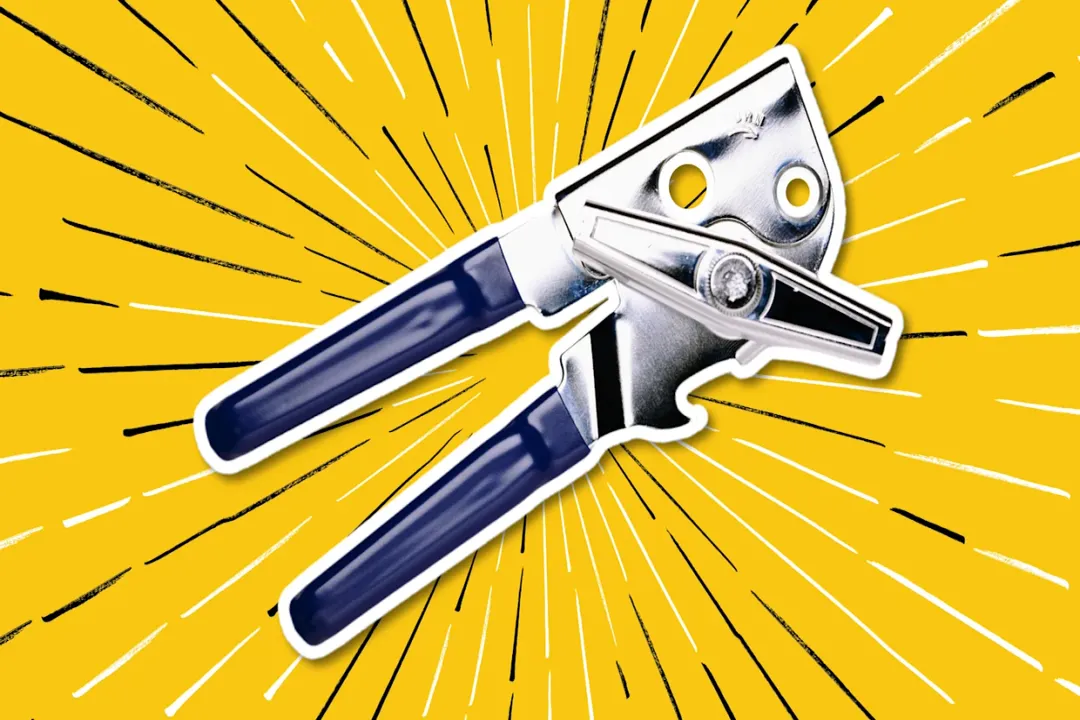
Yet, the "greatest" is often defined by immediate gratification. Simple, yet profound, concepts frequently surface. The invention of the ice cream cone is a common favorite, seen as the perfect delivery system for a beloved treat. [1] On a broader scale, the creation of sliced bread—specifically the automatic slicer, which made the previously cumbersome loaf instantly accessible—is often heralded for its domestic revolution. [5] One food personality, Adam Richman, has even pointed toward the can opener as perhaps the most important invention for modern food convenience, allowing access to preserved goods without needing to heat or smash the container. [8] This highlights a key tension: is the greatest invention the thing that sustains us, or the tool that grants easy access to it?
# Saving Food

If we define "greatest" by its necessary contribution to civilization, the vote must go to preservation techniques. Before these methods, entire communities were tethered to the seasonality and proximity of their food sources, leading to predictable periods of famine. [5]
The introduction of canning is a prime example of military need sparking civilian triumph. Nicolas Appert developed a method using sealed glass bottles to preserve food for Napoleon's army, an advance that was later adapted to tin cans by Peter Durand. [5] This invention meant that soldiers, sailors, and later, city dwellers could rely on non-perishable staples year-round. [5]
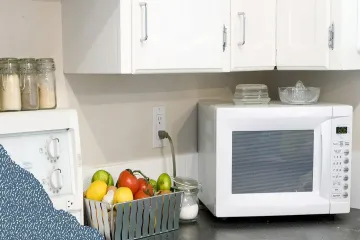
Similarly, pasteurization, the process developed by Louis Pasteur, transformed public health by killing harmful microorganisms in milk and other liquids through heating. [5] Its impact on reducing diseases like tuberculosis and typhoid fever, especially in densely populated urban areas, is incalculable. [5] Comparing these large-scale processes to the invention of a single food item, like the microwave oven or the freezer, shows a clear distinction in societal impact. While the freezer allows a family to store meat for months, pasteurization made the daily milk supply safe for entire generations. [5][3]
| Preservation Method | Approximate Era | Primary Impact |
|---|---|---|
| Canning | Early 19th Century | Long-distance transport and military supply [5] |
| Pasteurization | Mid-19th Century | Dramatically reduced water/milk-borne illness [5] |
| Refrigeration | Late 19th/20th Century | Extended shelf-life of fresh goods in home/trade [1] |
When considering the breadth of change, it’s fascinating to note that many celebrated modern foods, like certain types of processed cheese or even the widespread availability of stable vegetable oils, rely heavily on these older preservation science breakthroughs. [3]
# Happy Accidents
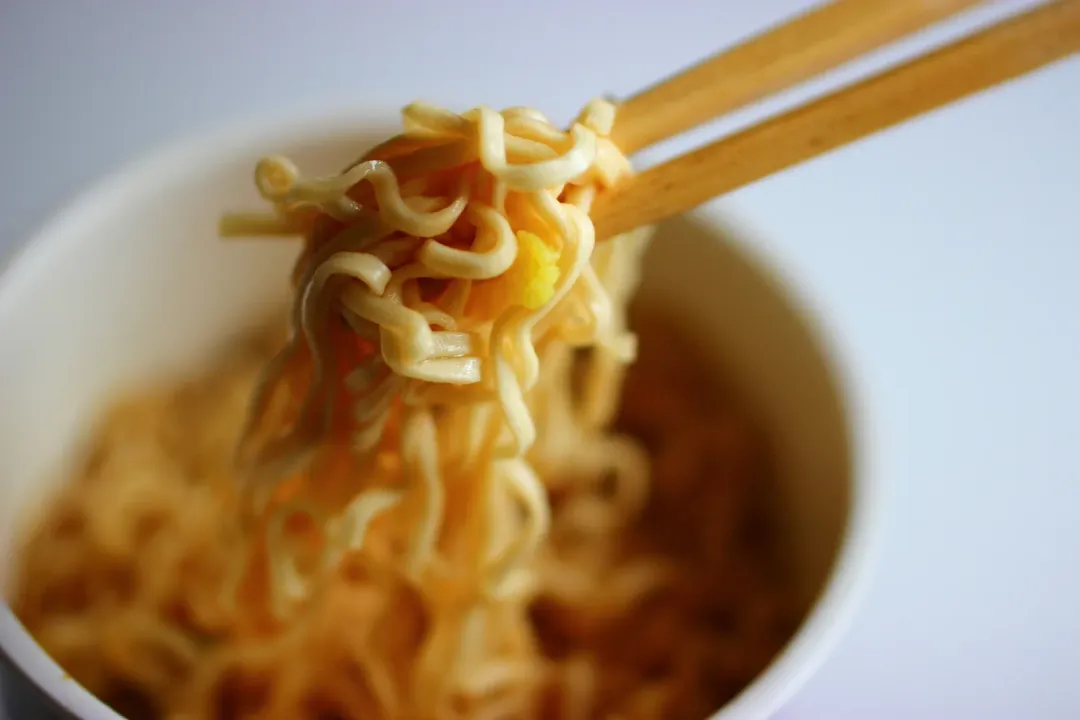
Some of the most beloved food items we consume daily weren't the result of meticulous planning but rather happy mistakes in the kitchen or laboratory. [2] These accidental inventions often fill an immediate, unarticulated consumer need, proving that sometimes the best path forward is the unplanned detour. [2]
The common potato chip is a prime example. Legend suggests they were invented in 1853 by chef George Crum at Moon's Lake House in Saratoga Springs, New York, after a demanding patron repeatedly sent back his fried potatoes for being too thick. [2] Crum, perhaps out of spite, thinly sliced and heavily salted the next batch, creating a snack that consumers unexpectedly loved. [2]
Another delightful accident involves the Toll House cookie. Ruth Graves Wakefield, a resident of Whitman, Massachusetts, ran the Toll House Inn and, running out of baker’s chocolate, reportedly broke up pieces of a Nestlé semi-sweet chocolate bar into her cookie dough, expecting them to melt fully. [2] They did not melt; instead, they softened, creating pockets of chocolate that defined the modern chocolate chip cookie. [2] These incidents show that innovation often requires a willingness to experiment, even when attempting to solve a minor kitchen frustration. [2]
# Last Century

Focusing on inventions specifically arising in the last hundred years reveals a trend toward speed, convenience, and uniformity, driven by industrialization and changing lifestyles. [3] Innovations here are often about process rather than a single finished product. [6]
Food irradiation, for instance, is a controversial but effective technique for extending shelf life and controlling pathogens in certain commodities. [3] Another major 20th-century addition is the technology that allows for flash-freezing, which, unlike earlier freezing methods, locks in flavor and texture much more effectively, underpinning the massive frozen food industry. [3] Furthermore, the development of aspartame and other artificial sweeteners, though debated, certainly changed the landscape for low-calorie food and beverage production in the latter half of the century. [3]
Looking at the structure of the food industry today, the standardization provided by chemical and mechanical inventions is apparent. Think about the stable emulsions that keep mayonnaise from separating over long shelf lives, or the synthetic enzymes that speed up cheesemaking. [4] These ingredients, though not household names, are the workhorses that make a globalized, consistent food service possible. [4] For many observers, the sheer scale of modern food distribution, facilitated by these relatively recent engineering feats, makes them the greatest inventions. [6]
# The Impact
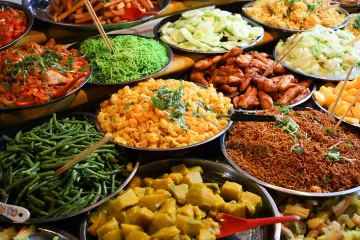
To weigh these claims, consider the trajectory of human diet. The earliest civilizations were defined by caloric security; the modern diet is defined by variety and safety. [5] It's an interesting exercise to map out where an average family's grocery haul would vanish without modern advancements. Take a standard mid-week dinner: pasta sauce (canned tomatoes), frozen vegetables, and a carton of milk. Without canning, the sauce vanishes; without pasteurization, the milk is dangerous; without flash-freezing, the vegetables are seasonal. [5][3]
This points toward an original consideration: the greatest food invention might be standardized, sterile packaging. While canning is a process, the container itself—the reliable tin or the airtight glass jar—is the physical manifestation of preservation that allows global trade and long-term storage. [4][5] Without a reliable way to seal food against air and microbes, all the best recipes and ingredients are meaningless outside a very narrow window of time and proximity.
Another compelling angle, derived from synthesizing the public's varied desires, is that the greatest invention is something that bridges the gap between primal necessity and modern pleasure. The invention of the refrigerator/freezer unit for home use deserves special recognition. It democratized preservation, moving the power away from centralized industrial processors and putting significant control back into the hands of the household manager. [1] Suddenly, fresh meat wasn't a twice-a-week purchase dictated by the local butcher's delivery schedule; it was a stable commodity available whenever needed.
If you are looking to apply this historical context practically, consider your own kitchen inventory. A simple inventory audit can reveal how dependent you are on 20th-century thinking. For instance, try to cook for a week using only ingredients that require no electricity whatsoever (no refrigeration, no shelf-stable cans/jars opened past their seal). This exercise instantly reveals the invisible dominance of inventions like canning, pasteurization, and mechanical refrigeration over immediate culinary satisfaction. [1][5] This thought experiment often shifts the popular vote away from delicious snacks and toward foundational utility.
# Defining "Greatest"
The term "greatest" forces a choice between utility, convenience, and public enjoyment.
| Category | Top Contenders (Based on Sourced Opinions) | Underlying Principle |
|---|---|---|
| Utility/Health | Pasteurization, Canning, Refrigeration | Food Safety and Caloric Security [5] |
| Convenience | Can Opener, Sliced Bread Technology | Ease of Access and Preparation [5][8] |
| Flavor/Joy | Ice Cream Cone, Chocolate Chip Cookie | Culinary Delight and Impulse Satisfaction [1][2] |
It is difficult to place the creation of a truly great food—a specific dish or snack—on the same pedestal as a scientific process that saved millions of lives or enabled massive urban growth. [5][6] While the accidental perfection of a food like the potato chip brings widespread joy, [2] the intentional engineering that ensures a city’s milk supply is safe to drink every morning carries a heavier weight in the ledger of human achievement. [5] The tools that support the entire system, like the aforementioned can opener, represent an expert-level appreciation for the friction involved in daily sustenance. [8]
Ultimately, the continuous development of food technology, whether it's the accidental discovery of a superior chocolate chip texture or the engineered precision of high-pressure processing, reflects humanity’s enduring quest to both survive comfortably and eat well. [4] The greatest invention is the one that we now take entirely for granted, the silent partner in every meal consumed, which, for many modern citizens, remains the ability to keep their food cold and safe at home. [1]
#Videos
Best Food Inventions | The Dr Binocs Show | Peekaboo Kidz
Related Questions
#Citations
What is the greatest food invention of all time? : r/AskReddit
10 Famous Foods That Were Invented by Accident - Farm Flavor
15 Amazing Foods That Were Only Invented in the Last 100 Years
Here are 50 of the greatest food inventions of all time
10 Inventions That Changed Food History - Mental Floss
Greatest Food Inventions of the Last Century - eGullet Forums
These are the greatest invention ever. Thanksgiving is saved!
This Is The Greatest Food Invention, According To Adam Richman
Best Food Inventions | The Dr Binocs Show | Peekaboo Kidz