What food is Toulon famous for?
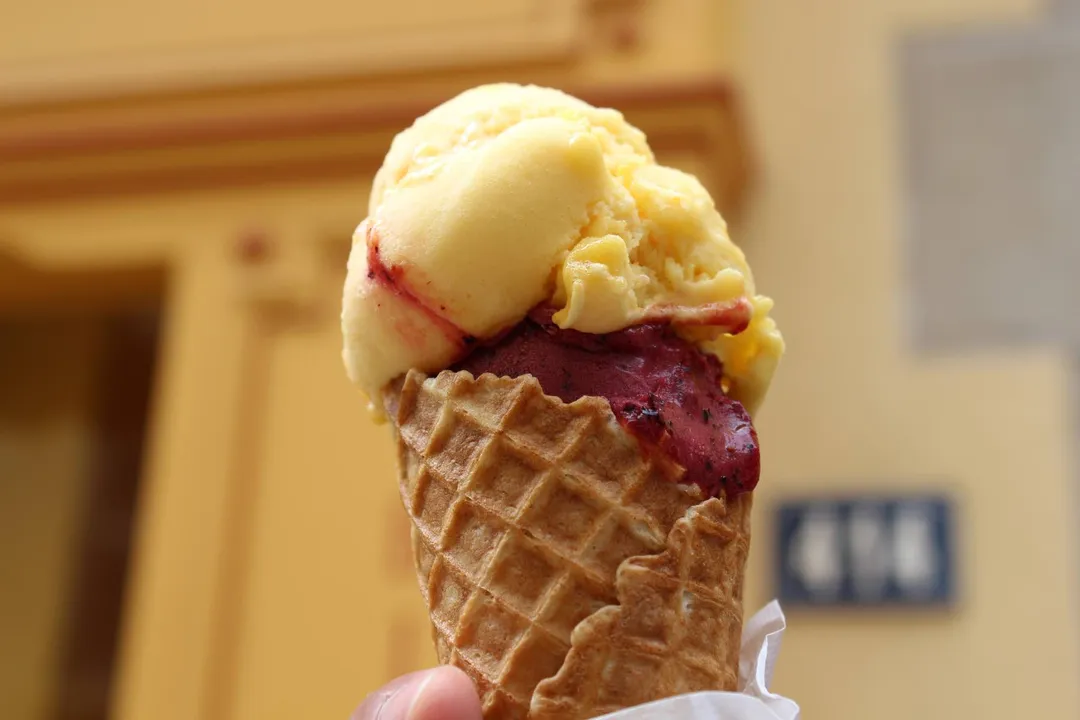
The French Riviera, where the deep blue of the Mediterranean kisses the rugged hills of Provence, offers a cuisine as sunny and spirited as its location. Toulon, the prefecture of the Var department, sits right at this vibrant intersection, making its gastronomy a delicious study in regional contrasts. While it shares the broader influences of Provençal cooking—sun-ripened vegetables, abundant olive oil, and fresh seafood—Toulon has cultivated several specialties that distinguish its table from that of its more famous neighbors like Nice or Marseille. [3][2] Exploring what Toulon is famous for means diving into dishes that range from humble, chickpea-based street food to rich, slow-cooked meat stews and delicate local sweets. [3][4]
# The Chickpea Foundation
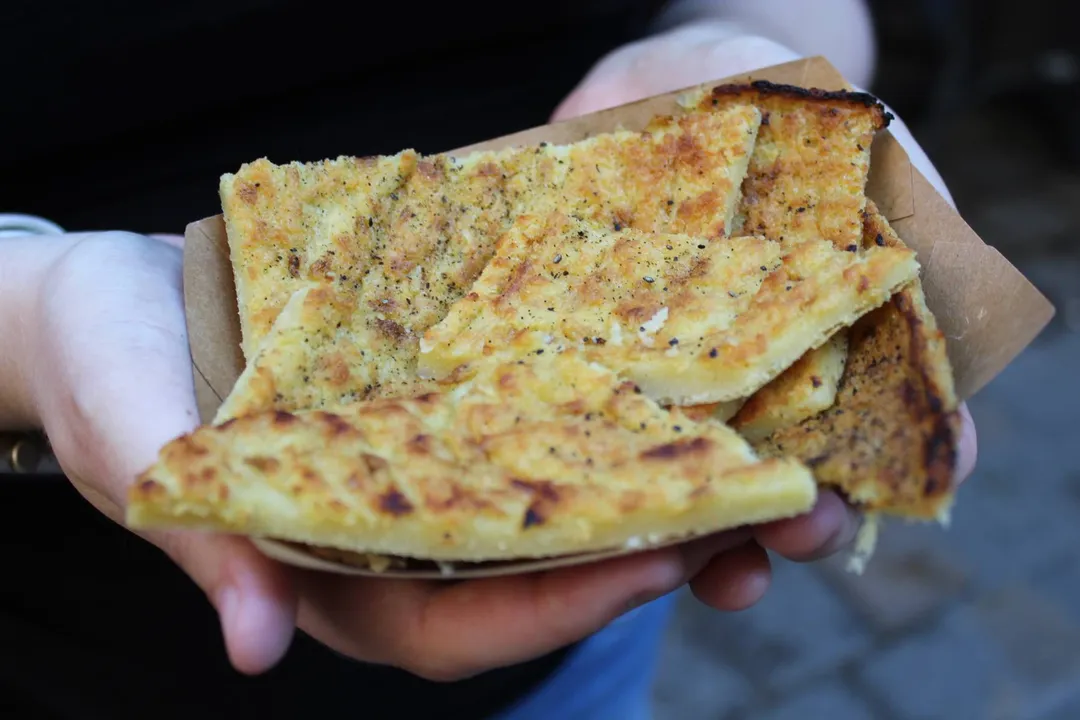
The undisputed local street-food champion, and perhaps the most singular item defining Toulon's quick bites, is the Cade de Toulon. [3][4] This simple yet deeply traditional savory pancake is made primarily from chickpea flour, water, and olive oil, often seasoned only with salt and pepper. [3][4] It is typically baked on large, shallow trays until it achieves a thin profile, about one or two centimeters thick, resulting in edges that are delightfully crisp while the center remains soft. [3][4]
The Cade is often described as being akin to the Socca found in Nice, suggesting a shared Ligurian heritage that permeates the cuisine of the eastern Mediterranean coast of France. [2] While it can be enjoyed on its own, perhaps as a quick snack while wandering the Cours Lafayette market, it serves an even better purpose as an accompaniment. [3][6]
A valuable local pairing suggestion: The true experience of the Cade is often achieved when it is used as a base or scoop for other intensely flavored local spreads. For instance, pairing a slice of warm, freshly cut Cade with the sharp, salty Anchoïade creates a perfect textural and flavor bridge—the earthy, nutty base of the chickpea contrasting with the powerful garlic and anchovy punch of the dip. [3][4] This simple combination exemplifies how Toulon elevates basic ingredients into memorable bites, reflecting the resourceful nature of a historic port city. [2][3]
# Provencal Vegetables
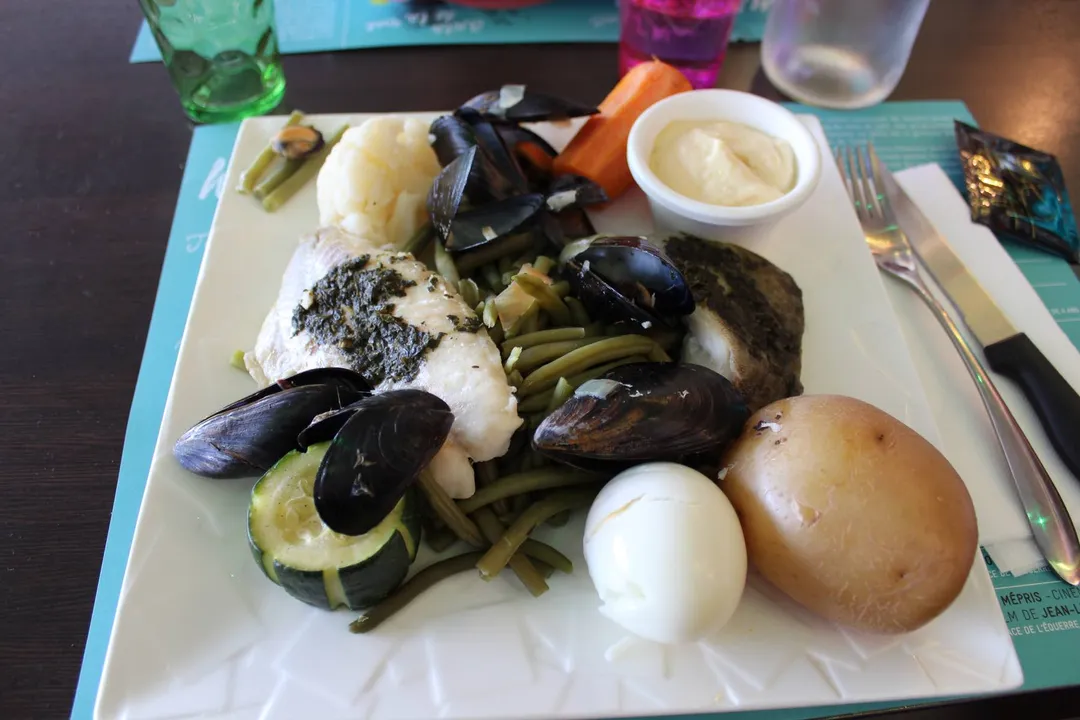
The surrounding Provençal soil is crucial to the local diet, yielding produce that forms the backbone of many regional side dishes and starters. [2][3] Tomatoes, ripened under the abundant sun, are central to one of Toulon’s signature preparations: Tomates à la Provençale. [3] These are not merely sliced tomatoes; they are typically halved, topped with a rustic persillade made from breadcrumbs mixed with garlic and fresh parsley, bound with a touch of olive oil, and then baked or pan-fried until golden. [3] This preparation showcases the region’s love for turning simple garden fare into something exquisite through robust seasoning and gentle cooking. [3]
Another vegetable that receives a star turn is the artichoke, transformed into Artichoke à la Barigoule. [3] While the exact recipe varies, the Toulonnais version often involves slow-cooking the artichokes with barigoule mushrooms, onions, and carrots, frequently seasoned with local herbs. [3] It offers a tender, savory vegetable dish that speaks to the culinary traditions extending from the Provençal hinterland. [3]

# Dips and Spreads
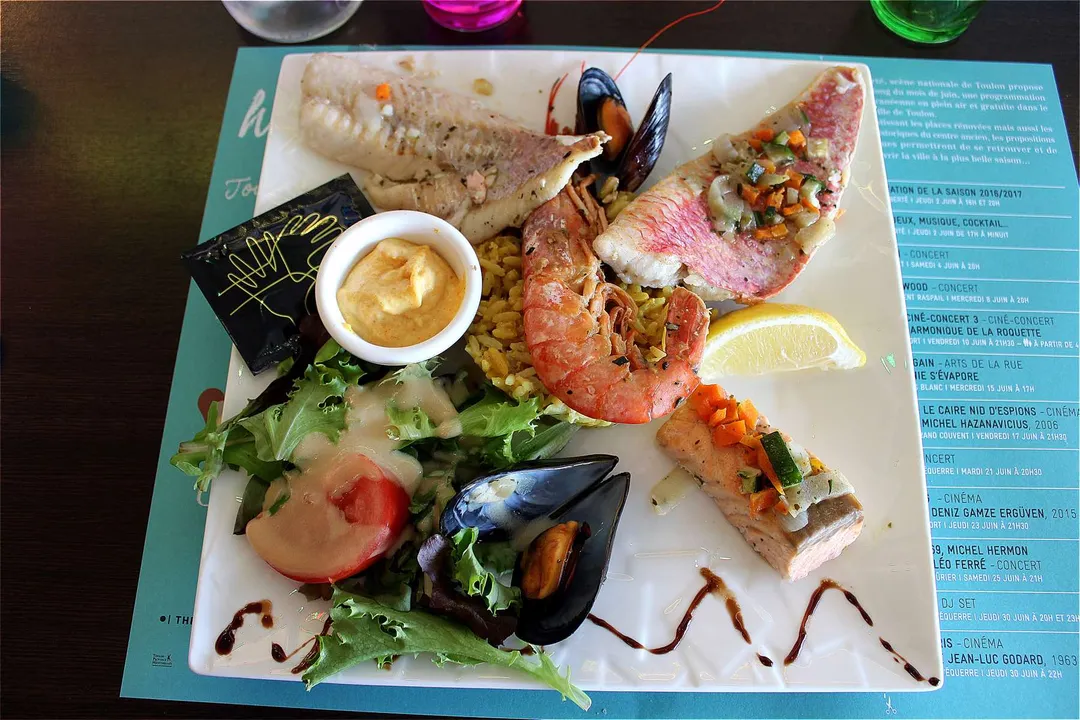
The Mediterranean coastal identity is perhaps most intensely captured in the form of simple, punchy spreads, designed to be enjoyed as an apéritif—often accompanying bread, vegetables, or the aforementioned Cade. [3][7]
The most famous of these is Anchoïade. [3] This is a powerful, cold sauce characterized by its primary ingredients: anchovies, olive oil, and garlic that has been carefully crushed, sometimes using a traditional muller. [3] The intensity of the Anchoïade is best managed when spread thinly on toast, perhaps grilled slightly, and enjoyed alongside a glass of crisp local wine—a common way to begin an evening meal along the Var coast. [3] While tapenade (olive-based spread) is also famous in Provence, Anchoïade seems particularly recognized within the culinary circles associated directly with Toulon. [7][3]
# The Main Course Debate
When one considers main courses in Toulon, the conversation naturally drifts toward both the sea and the inland traditions of Provence. The port location strongly suggests seafood, yet hearty meat dishes also hold a significant place in local winter fare. [2][3]
# Seafood Stew
The most famous dish associated with the broader region, and certainly available in Toulon, is Bouillabaisse. [2][3] While its origins are firmly rooted in Marseille, it remains an essential taste of the Provençal Mediterranean. [2][3] What makes Bouillabaisse so distinctive is its complex, flavorful broth, which traditionally incorporates elements like orange peel, fennel, and saffron to create a deep base for simmering various local fish and seafood. [2]
It is interesting to note the slightly differing descriptions: some sources emphasize the tomato base, [2] while others mention a "creamy orange sauce" alongside the seafood elements like prawns, oysters, and mussels. [3] Regardless of the exact nuance, the core appeal lies in the richness derived from the sea, often served with bread for dipping into the flavorful liquor. [3]
# Inland Comfort
In contrast to the lighter, sea-influenced fare, Toulon claims a hearty meat dish, Daube de Canonnier. [3] This creation is structurally similar to the well-known Boeuf Bourguignon, but features a distinct Provençal twist: the beef is slow-simmered in rosé wine rather than the traditional red. [3] This use of local rosé wine is a fascinating nod to the region’s substantial viticulture. [1][7] The stew is typically enriched with carrots, potatoes, and, notably, anchovies, adding a layer of subtle salinity to the deeply comforting meat dish, making it perfect for cooler weather. [3]
This duality—a city famed for its naval port serving exceptional seafood stew, yet cherishing a signature beef dish made with local rosé—offers a key insight into Toulon’s gastronomy. It suggests that the city’s culinary profile is not solely defined by the immediate coastline but is equally anchored by the agricultural and wine-making traditions of the inland Var department, balancing maritime bounty with terrestrial richness. [2][7]
# Sweet Endings
Toulon’s sweets and pastries provide a delightful counterpoint to the savory depth of the mains and appetizers. These often incorporate nuts, citrus, and local fruit harvests. [3][1]
# Local Classics
The Solliès fig biscuit is arguably the most celebrated local confection, sometimes referred to as La Violette due to the color of the fig within the dough. [3] These are small, dry, rectangular cookies, characterized by a crunchy exterior that yields to a softer interior containing almonds and the famous fig from Solliès-Pont. [3][1] They are ubiquitous treats in the town. [3]
Equally popular, though originating slightly further afield in Saint-Tropez, is the Tarte Tropézienne. [1][3] This light, sugar-dusted brioche, split and filled with a lavish cream (often using a closely guarded recipe), has become a symbol of the sweet life along the Côte d’Azur and is widely enjoyed in Toulon. [3][4]
For something lighter and crisper, the Oreillettes are a regional favorite. [3] These are thin, doughnut-like squares, perhaps resembling a crêpe or flat pastry, fried until crunchy and finished with a dusting of icing sugar. [3] Flavorings often include lemon or orange zest, making them an excellent accompaniment to tea or coffee. [3]
Another sweet that speaks to preservation methods common throughout the Mediterranean is Candied Fruit. [2] Provence is ideal for growing various fruits, leading to popular candied varieties like oranges, tangerines, figs, and cherries, used both for snacking and decorating pastries. [2]
Finally, the White Nougat (Nougat blanc) presents a softer texture, contrasting crunchy almonds and walnuts with a very sticky, soft white base, often infused with vanilla or orange blossom. [3]
# Regional Products and Pairings
A complete exploration of Toulon's famous food must include the raw materials that shape its final plates, particularly the celebrated products from the Var region. [1][3]
# The Power of Figs and Olives
Toulon sits near Solliès-Pont, renowned for its Figue de Solliès. [7][1] These prized figs are highlighted as a top local product, appearing in biscuits and generally celebrated across the region's gastronomy. [1][3]
Complementing the sweet figs is the essential Olive Oil, the lifeblood of Mediterranean cooking, which features prominently in preparations like Tomates à la Provençale and Anchoïade. [3] The very soil seems to contribute its flavor to everything grown there. [2]
# Wine Culture
The climate and landscape around Toulon are conducive to viticulture, making local wine an intrinsic part of the dining experience. [2][7] The Bandol wine appellation is specifically recognized as a popular regional drink. [1] Wines from Bandol, often robust reds or characteristic pale rosés, are the natural choice to accompany the region’s dishes, whether it’s cutting through the richness of the Daube de Canonnier or complementing a plate of fresh Mediterranean fish. [4][7] The local rosé, specifically Côtes de Provence, is mentioned as the standard accompaniment to a main dish tasting experience, embodying the leisurely meals of the Riviera. [4]
# A Taste of the Market
The heart of understanding Toulon's daily fare lies not just in restaurant menus but in the vibrant atmosphere of its markets, such as the daily morning market on the Cours Lafayette. [2] These markets are immersive experiences where the fresh ingredients—the figs, the herbs, the local cheeses like Brousse (a fresh ewe's milk cheese eaten the same day it is made)—are visible and available. [3][4] A local food tour often centers on these bustling hubs, where one can sample items like the Cade, local cheeses such as Tommes from Haut-Var, and fresh produce before enjoying them in a prepared dish. [4] This direct connection to the source is what keeps the cuisine authentic, even as modern influences, like the Tarte Tropézienne, find a place on the local menu. [3][4]
Toulon's culinary landscape is thus a layered experience: it honors the core staples of Provence (olive oil, tomatoes, simple vegetable preparations), showcases the influence of its naval history through seafood, and embraces the hearty comfort food traditions of the inland Var, all while offering unique street food like the Cade that roots it firmly in its specific locale. [2][3] To truly eat well in Toulon is to recognize this blend of sea, sun, and resourceful tradition in every bite. [3]
Related Questions
#Citations
Dishes to try in Toulon - Jetcost
Top 10 culinary specialities in Toulon - Navaway
Eat Local in Toulon - TasteAtlas
Best of Toulon's Traditional Cuisine and Street Food
Toulon - Wikipedia
Toulon Food Tour - Do Eat Better Experience
Gastronomy in Toulon - 9 Specialities - Guide, Holidays & Weekends
Eat your way through Toulon, France - Travel & Food
travel itinerary, vacation & road trip planner - Wanderlog
Toulon Food Experiences: Discover 7 Activities - byFood