What food is Cordoba famous for?

The culinary landscape of Cordoba is a delicious chronicle of its layered history, strongly marked by the fusion of Jewish, Arab, and Christian civilizations that once flourished here. This heritage is clearly reflected in the local cooking, which expertly maximizes the bounty of the surrounding Sierra and Campiña regions. Central to nearly every preparation is the region's high-quality olive oil, a foundational ingredient introduced by the Romans and popularized under Muslim rule. The typical Cordoban meal structure also allows for continuous eating throughout the day, moving from mid-morning snacks to late afternoon tapas before the main evening meal around 9 pm.
# Cold Counterpoints
When the intense Andalusian summer arrives, the local solution for refreshment comes in the form of creamy, chilled soups that are distinctly Cordoban. The reigning champion is Salmorejo Cordobes, a rich, thick cold soup that, while related to gazpacho, boasts a far creamier texture. Its essential ingredients are ripe tomatoes, garlic, bread, olive oil, and Jerez vinegar, resulting in a dish that is light yet filling and garlicky. Traditionally, it is finished with a topping of chopped hard-boiled eggs and savory jamón serrano. Intriguingly, the tomato was not part of the original Moorish recipe, only becoming the main ingredient in the early 20th century. For those seeking an alternative, a white version of salmorejo exists that omits the tomato entirely.
Another cold preparation worth seeking out is Mazamorra de Almendras, sometimes related to ajo blanco from Málaga. This is a cold almond soup, very creamy, made with almonds, garlic, stale bread, olive oil, and vinegar. Locals often garnish it uniquely with brown raisins and tiny pieces of chopped Granny Smith apple, making it substantially thicker than standard ajo blanco.
# Fried Delights
Cordoba excels at taking simple components and rendering them indulgent through expert frying, often paired with contrasting sweet elements. The Flamenquín is perhaps the most famous example of this: a roll of pork loin wrapped with jamón serrano, coated in egg and breadcrumbs, and deep-fried until golden. While the name is cryptic—translating roughly to "little flamenco dancer"—the result is decadent, often oozing cheese if included in the filling, and served long enough to require sharing.
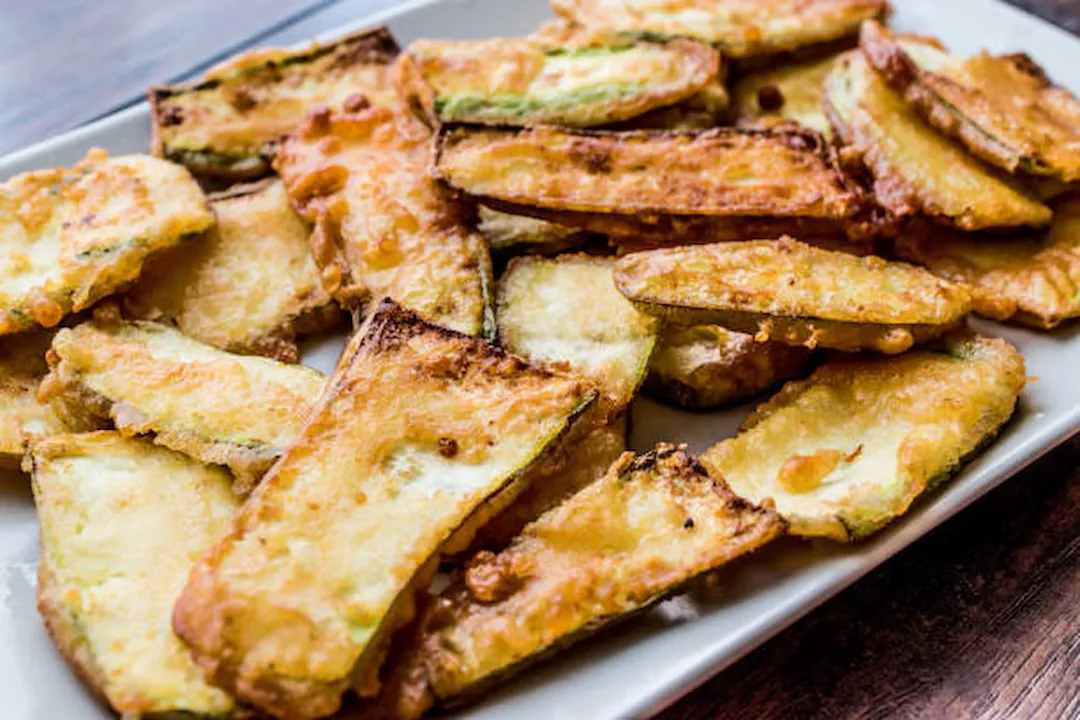
A surprisingly perfect pairing comes in the form of Berenjenas con Miel (or Berenjenas Califales), which translates to eggplant with honey. Thin slices of eggplant are deep-fried until crispy on the outside but soft within, then drizzled with a sweet accompaniment. Although listed as honey, the traditional Cordoban drizzle is often miel de caña, or cane syrup/molasses, which provides a thicker, more intense flavor than standard honey. In fact, the cane syrup used specifically in Cordoba is reportedly sourced from the nearby town of Frigiliana. If you prefer a savory twist on this dish, some establishments serve the crispy eggplant topped instead with salmorejo.
For pure indulgence, Queso Frito is essential: fresh cheese encased in a crunchy, golden crust from frying in olive oil, served with both sweet honey and a slightly spicy tomato relish for dipping.

# Historic Mains
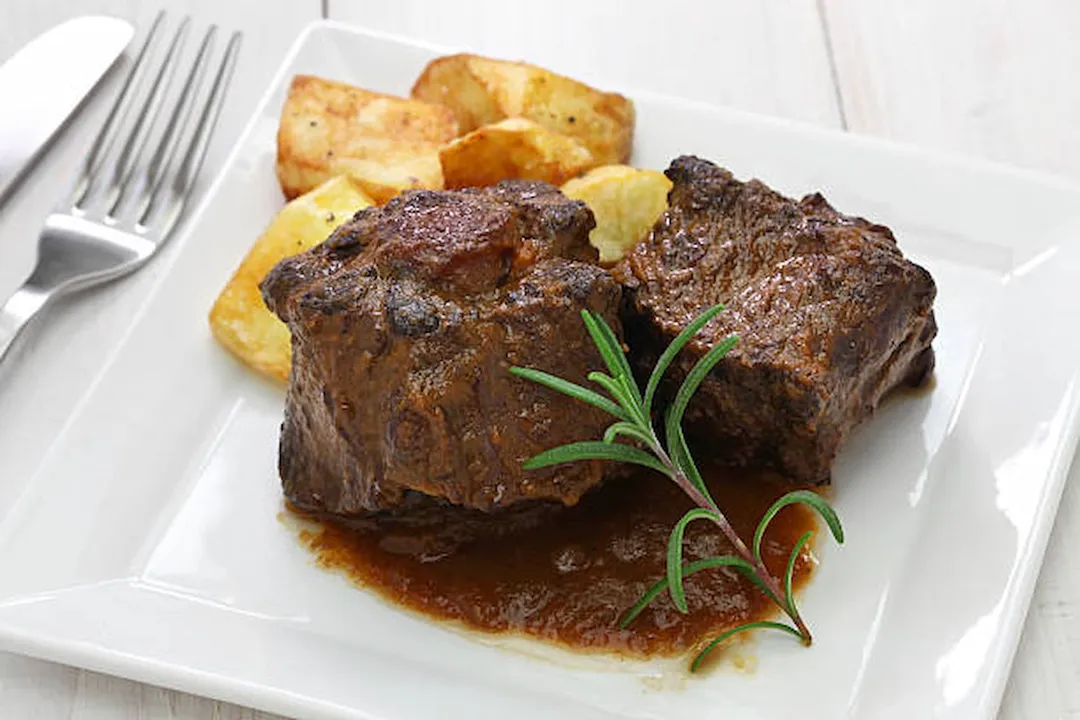
The city’s history of bullfighting is directly tied to some of its most treasured slow-cooked dishes, which now grace menus across all budgets. Rabo de Toro, or oxtail stew, is one such emblematic main course. The traditional preparation involves simmering the tail for hours in a rich red wine sauce until the meat is unbelievably tender, falling off the bone. It is typically served with a modest side of chunky fried potatoes.
Another carnivorous staple is Churrasco Cordobés, which is a simple yet perfectly grilled slab of meat, seasoned with coarse salt. The Cordoban variation distinguishes itself by offering two accompanying sauces: one red (spiced with cumin, cayenne, and paprika) and one green (flavored with parsley, oregano, and garlic).
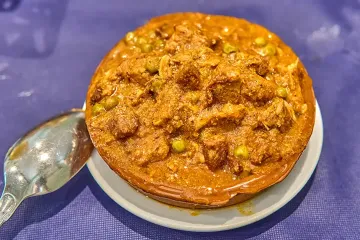
For the more adventurous palate, Callos de Ternera a la Cordobesa (tripe stew) is a popular local specialty, though not for everyone. This hearty stew varies by chef but typically features tripe slow-cooked with spices like saffron, cumin, and white wine, sometimes including morcilla (blood sausage) or chorizo.
# Moorish Echoes and Spice
The Arab legacy adds a distinct layer of flavor, particularly through spices and specific produce. A nod to this influence is found in Pinchos Morunos (Moorish skewers), which use a vibrant spice blend that echoes North African cuisine, featuring cumin, coriander, and turmeric, often paired with pork.
In terms of seafood, which is impressive for an inland city, Japuta en Adobo stands out. Japuta (pomfret, or palometa elsewhere) is marinated for a day in an adobo mixture rich in Moorish-influenced flavors like oregano, paprika, and cumin before being fried to a crisp exterior and juicy interior. Another dish showcasing this culinary confluence is Perol Cordobes, a rich casserole of meat and rice incorporating ground almonds, chickpeas, and raisins.
# Cordoban Twist on Staples
While Tortilla de Patatas is recognized nationwide, the Cordoban version is often taken to a delightful new level. Locals often order a slice of the thick, gooey Spanish omelette—which is usually much larger and taller than elsewhere—and cover it generously with salmorejo, jamón, and chopped boiled eggs. This combination marries two of the city's best staples onto one plate. For instance, the tiny, famous Bar Santos near the Mezquita is known specifically for its massive, flavorful tortilla that patrons often eat outside on the steps with a cold beer. This reflects a culture where high-quality, simple food is often enjoyed as an accessible tapa while standing at the bar, contrasting sharply with the city’s emerging fine-dining scene, such as the acclaimed, two-Michelin-starred Noor restaurant.
# Seasonal and Sweet Fare
If you find yourself in Cordoba between late February and early June, you must partake in the Caracoles (snails) season. Stalls and bars spill out onto the streets serving cups of these small mollusks floating in an aromatic, sometimes spicy, cumin-flavored broth. Trying a bowl is considered a true springtime ritual.
No meal is complete without dessert, and the local sweet specialty is the Pastel Cordobés. This pie, whose origins trace back to the Arabic-Andalusian past, features puff pastry enclosing a creamy filling made from sweetened spaghetti squash jam, sometimes called angel's hair. Despite the unusual main ingredient, tasters often mistake the filling for apple or pear, and it is frequently dusted with cinnamon sugar. One can even find variations that incorporate cured jamón into the squash filling.
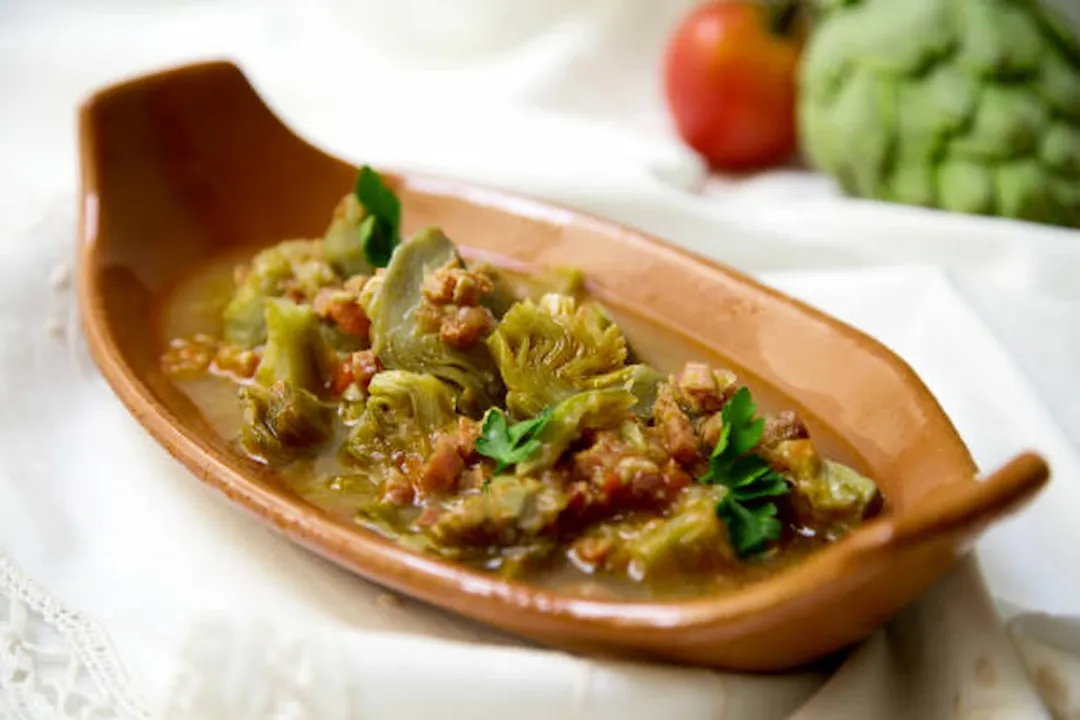
To wash it all down, visitors are encouraged to sample the Montilla-Moriles wine. This Designation of Origin wine shares its production process with the famous sherries of Jerez, but it is made predominantly with the Pedro Ximenez grape and is generally not fortified, leading to a distinct profile suited to the dry climate. Because most of these wines are rarely exported, tasting them in a local tavern alongside tapas is a truly localized experience. If you enjoy Ajoblanco, you should also look for Cogollos al Ajillo, which takes the concept of garlic-fried richness and applies it to romaine lettuce hearts, transforming a salad ingredient into a flavorful, warm appetizer.
Related Questions
#Citations
12 Must Try Foods in Cordoba: Eat Like a Local in Cordoba
What to eat in Cordoba: must try dishes of Cordoba's cuisine | Blog
What To Eat In Cordoba – A Guide On Traditional Food In Cordoba
Cordoba restaurants - Local Food & Eating Out in Spain - Piccavey
The gastronomy of Cordoba (Spain) - Turismo de Córdoba
11 Traditional Foods You Have To Try in Córdoba - TasteAtlas
Cordoba Food Culture - Visit A City
CORDOBA IN EARLY March '24 - Italy, Spain, Portugal - Hungry Onion