What's the best food preservation?
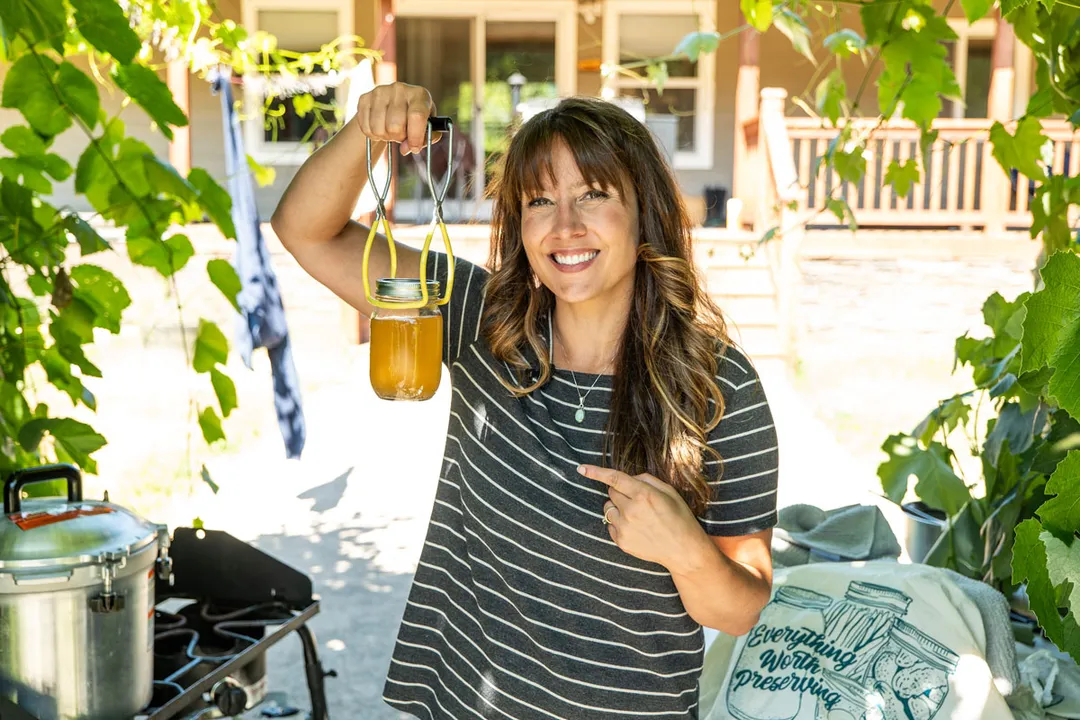
The decision of which food preservation technique reigns supreme is rarely straightforward; the "best" method depends entirely on the food item itself, the desired storage duration, and what qualities you prioritize—be it texture, flavor profile, or maximum nutrient retention. [1] Home food preservation offers a wide spectrum of options, ranging from ancient, low-tech approaches to modern, energy-intensive ones, each demanding specific safety protocols to ensure the food remains safe for consumption long after harvest. [5] Understanding the fundamental science behind each technique is what truly dictates success in the pantry or freezer.
# Safety First
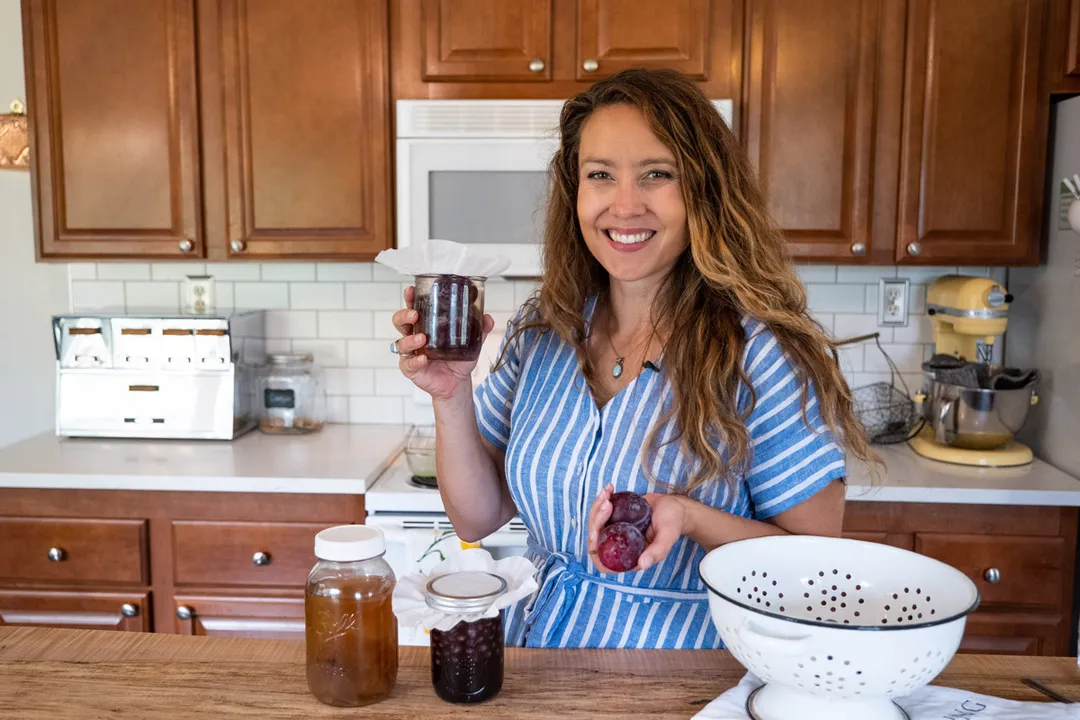
When dealing with food storage, especially methods involving shelf-stable products, safety cannot be overstated. Any preservation technique must adhere to established, tested guidelines to prevent the growth of dangerous pathogens, most notably Clostridium botulinum in low-acid foods. [4] For home canners, this means strictly following recipes and processing times recommended by authoritative sources, such as the National Center for Home Food Preservation (NCHFP). [4][6] Failing to adhere to these precise instructions for pressure canning, for instance, can result in improperly sterilized jars, creating a serious health risk. [4] High-acid foods, like many fruits, can typically be safely preserved using a boiling water bath method, which is simpler than pressure canning, but the distinction between acid levels is crucial for determining the correct, safe processing technique. [6]
# Heat Cold
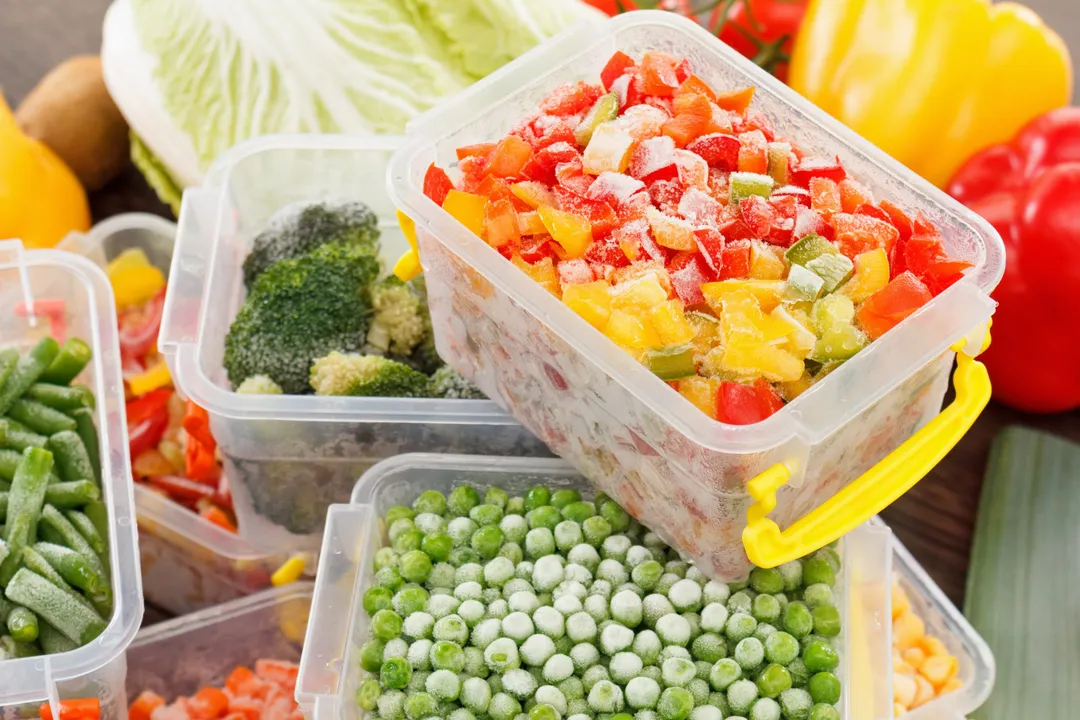
Two methods that dominate household preservation are freezing and canning, often creating a debate about which yields a superior final product. [8] Freezing involves storing food at temperatures below 0°F (–18°C), which effectively halts microbial growth and significantly slows down chemical changes that cause spoilage. [1] This method is fantastic for preserving the fresh flavor and texture of many fruits and vegetables, making it a favorite for retaining the near-original quality of produce. [8] However, freezing is inherently time-limited; while food stored properly in a freezer can last for months, it requires a constant, uninterrupted energy supply. [3] If the power goes out for an extended period, the investment in that food is quickly lost. [7]
Canning, conversely, requires intense heat treatment to destroy microorganisms and create a vacuum seal, rendering the food shelf-stable for years without refrigeration or freezing. [8][1] Pressure canning is necessary for most vegetables, meats, and mixed dishes because it reaches temperatures high enough to eliminate botulism spores. [6][4] The trade-off for this incredible longevity is often texture degradation; high heat breaks down cell walls, resulting in softer foods compared to their frozen counterparts. [8] Furthermore, the high heat used in canning can lead to greater loss of certain heat-sensitive vitamins, like Vitamin C, compared to rapid freezing. [9]
| Preservation Method | Typical Shelf Life | Energy Dependence | Primary Texture Impact |
|---|---|---|---|
| Pressure Canning | Years | None | Softening |
| Freezing | 8–12 Months | Constant | Minimal (if blanched correctly) |
| Dehydration | 1–5 Years | None | Significant weight/moisture loss |
| Fermentation | Months to Years (Refrigerated/Cooled) | Minimal (post-process) | Tangy, sometimes slightly softer |
When comparing these two titans of preservation, consider the energy cost versus the time cost. Freezing demands constant low-energy input forever, while canning demands a significant, one-time high-energy spike (for heating the canner) but zero ongoing energy cost. [7]
# Dry Storage
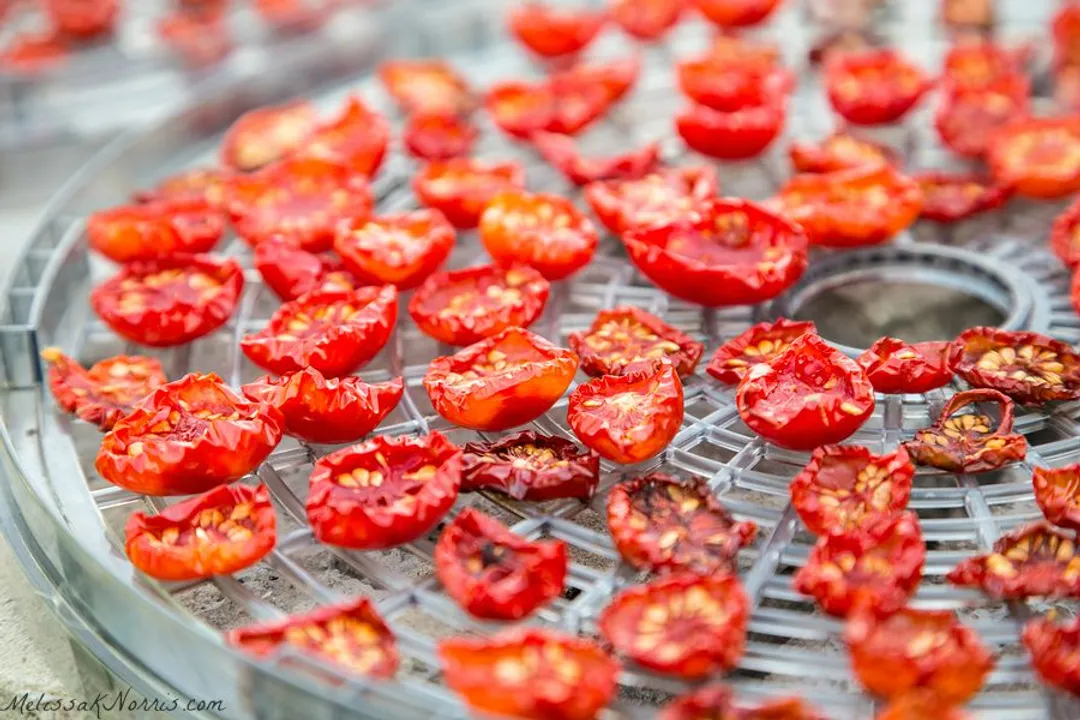
Removing water is one of humanity's oldest and most reliable ways to stop spoilage, as microorganisms need moisture to thrive. [2] Dehydration, whether achieved through specialized electric dehydrators or the sun's heat, dramatically reduces the weight and bulk of food, making it excellent for long-term storage where space is a concern. [1] Items like herbs, fruits, and jerky are prime candidates for this approach. [2] The main drawback here is the drastic change in eating experience; dried foods must be rehydrated to be palatable in many cases, and they lose their original crispness or juiciness. [1]
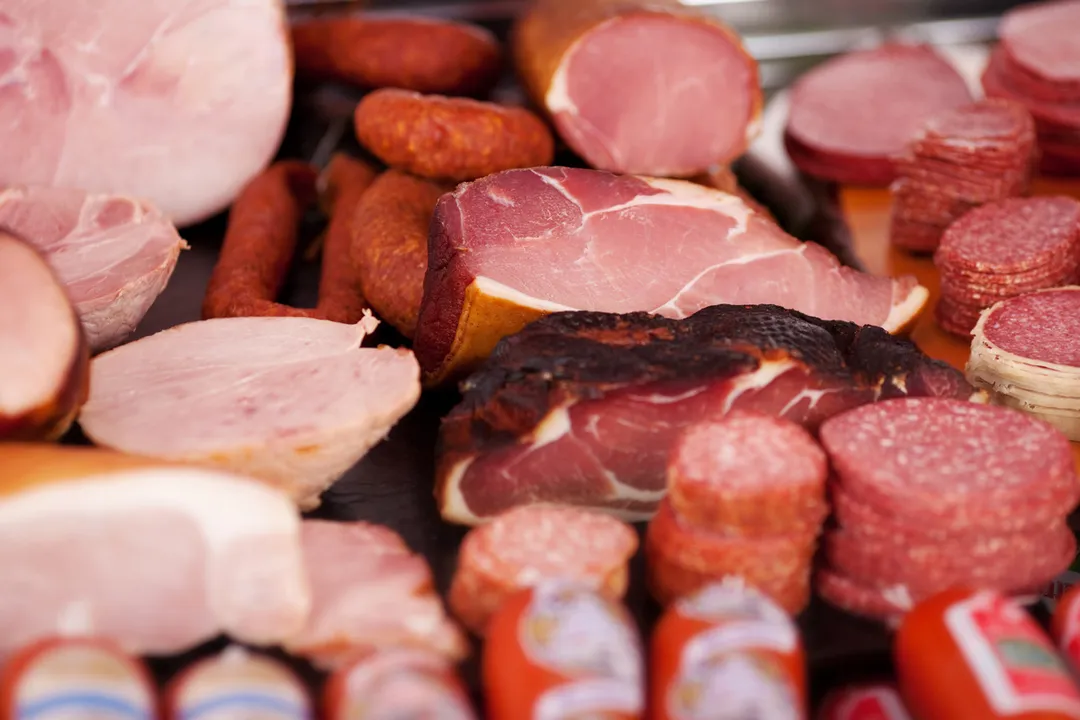
For meats and fish, curing or drying is the historical standard. This often involves using salt or nitrites, which both draw out moisture and inhibit bacterial growth. [2] This process results in foods with intense, concentrated flavors—think cured ham or dried sausage. While curing requires careful attention to salt ratios to ensure safety, the resulting products often gain unique, desirable flavors that are fundamentally different from the raw ingredients. [2]
# Tangy Cultures
Fermentation is a preservation method that relies on beneficial bacteria or yeast to convert sugars into acid (like lactic acid) or alcohol, creating an environment hostile to spoilage organisms. [2] This method is unique because it adds nutritional value by producing probiotics, which are beneficial for gut health. [5] Sauerkraut, kimchi, and traditional pickles are excellent examples. [2] The primary advantage here is that fermentation often enhances the flavor profile, making vegetables taste sharper and more complex. [5] It requires no energy input beyond the initial setup, though refrigeration or a cool storage area is often necessary to slow down the fermentation process once the desired level of tanginess is achieved. [2] This method is perhaps the most "alive" preservation technique, retaining nutrients often better than high-heat methods because it avoids prolonged high temperatures. [9]
# Matching Method
Choosing the right method isn't just about shelf stability; it's about the end-use and the food chemistry itself. [1] For instance, trying to pressure-can leafy greens like spinach or kale often results in a texture that is unappetizingly mushy, making dehydration or freezing the superior choices for those items, despite canning offering unmatched pantry stability. [6] Conversely, while freezing green beans is popular, they can lose some color vibrancy over time, making them a good candidate for the slightly softer but shelf-stable pressure-canned alternative if freezer space is tight. [8]
Here is a practical filter for selecting the best approach: If your primary concern is texture and flavor retention for immediate consumption within a year, freezing is likely your winner, provided you have reliable freezer space. [1] If your goal is maximum long-term storage stability (3+ years) without electricity, canning (pressure canning where required) is the undisputed champion. [4] If you are focused on space-saving and portability, dehydration is the clear winner, sacrificing moisture for significant bulk reduction. [1]
For items like root vegetables (carrots, beets) or fruits (apples, berries), one can optimize nutrient preservation by avoiding extreme heat. A hybrid approach can be insightful: quick-blanching vegetables before freezing helps maintain color and texture far better than skipping that step, demonstrating that preservation often involves several small steps rather than a single technique. [9] For example, many people overlook that drying tomatoes in a dehydrator is vastly superior for retaining their concentrated sweetness compared to oven-drying, which involves slightly higher, less controlled heat. [1]
# Preparedness Views
When you look at community discussions among those focused on emergency preparedness, there is a strong consensus that variety is the most critical factor, as relying on a single method introduces a single point of failure. [3] Many preppers advocate for a base layer of long-shelf-life, no-electricity methods like dry storage (grains, beans, dehydrated foods). [3] They pair this with a secondary layer of freezer-stored items for nutritional density and quality, accepting the risk of power loss. [7] Fermented or pickled goods are often viewed as a valuable third tier, providing necessary vitamins, minerals, and complexity to a long-term diet that can become monotonous with only dried or canned items. [2][3] The Reddit community often stresses the importance of labeling everything clearly, noting the preservation date and method used, as a jar of food preserved two years ago looks identical to one preserved two months ago. [3]
# Nutrient Retention
The battle for nutritional superiority often comes down to processing time and temperature, as many vitamins degrade when exposed to heat or oxygen over long periods. [9] While freezing is generally excellent for retaining heat-sensitive vitamins like Vitamin C and B vitamins because the process is quick, [9] it's worth noting that blanching—the brief boiling of vegetables before freezing—is necessary to deactivate enzymes that cause spoilage, even in the freezer. If blanching is skipped, nutrient loss due to these enzymes can be significant over many months. [9][6]
Canning, due to its high heat requirement, consistently results in the greatest loss of water-soluble vitamins (B and C). [9] However, minerals and fat-soluble vitamins (A, D, E, K) are far more stable to heat and are generally retained quite well in canned goods. [9] This suggests that a diet reliant only on canned vegetables might be slightly lower in certain B vitamins than one based on frozen produce, but both are excellent sources of minerals.
If you are aiming for preservation methods that actively improve nutrient availability or introduce beneficial compounds, traditional methods shine. Lactic acid fermentation, for instance, doesn't just preserve; it can increase the bioavailability of certain nutrients and introduce the probiotic bacteria mentioned earlier. [5] This contrasts sharply with simple dehydration, which primarily halts degradation but offers no new nutritional benefits. [1]
# Equipment Needs
The initial investment and ongoing maintenance for preservation equipment vary dramatically. Simple air-drying or salt-curing might only require clean surfaces and large amounts of salt or sunshine, representing minimal capital outlay. [2] Dehydration requires a dehydrator, which is a moderate upfront cost, but then runs on minimal electricity. [1]
Canning demands the highest specialized equipment: water bath canners, pressure canners, correct jars, lids, and specialized tools for sealing and processing, which is a significant initial barrier to entry. [6] Freezing requires a large, high-quality freezer and reliance on your electrical grid. [7] Fermentation requires only clean jars and airlocks or weights, making it relatively low-cost to start, though often requiring dedicated cool storage space that many modern homes lack. [2] If you live in a region with unreliable power and limited space, prioritizing low-energy, shelf-stable methods like pressure canning and dehydration is a logical necessity for food security. [3]
#Videos
6 Food Preservation Projects – From Fresh Food to Shelf-Stable ...
Related Questions
#Citations
8 Best Food Preservation Methods - Gubba Homestead
10 Food Preservation Methods Everyone Should Know
Best food preservation techniques? : r/preppers - Reddit
National Center for Home Food Preservation: Home Page
What's the Best Way to Preserve Foods? | Take Care of Texas
Food Preservation | Illinois Extension | UIUC
6 Food Preservation Projects – From Fresh Food to Shelf-Stable ...
Canning Food Preservation: Pros and Cons of Canning vs. Freezing
How to Preserve Food Without Nutrient Loss