Is preservative food safe?
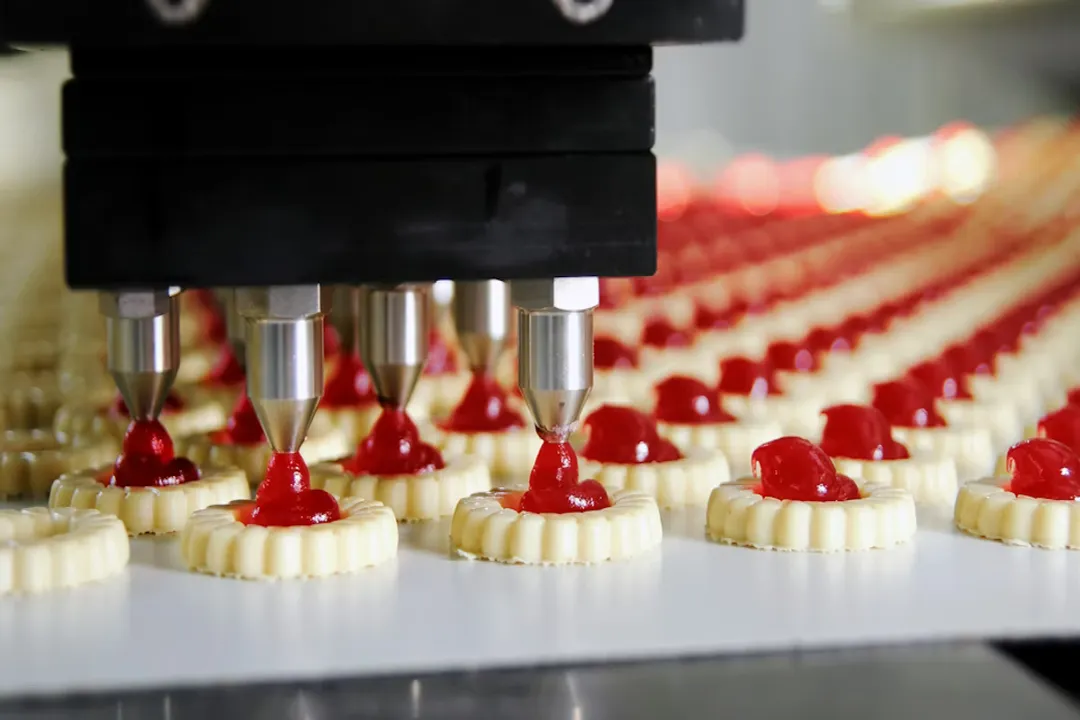
The existence of preservatives in our food supply is a fundamental aspect of modern grocery shopping, yet it often provokes a strong, sometimes negative, reaction from consumers. Understanding whether these substances pose a genuine threat requires looking past common anxieties and examining their intended function, the science behind their approval, and the context of how much we actually consume. [8][2] Simply labeling a food item as containing a "preservative" tells only a fraction of the story; the real safety assessment depends on the specific chemical, the concentration used, and the regulatory environment governing its use. [4][3]
# Food Protection
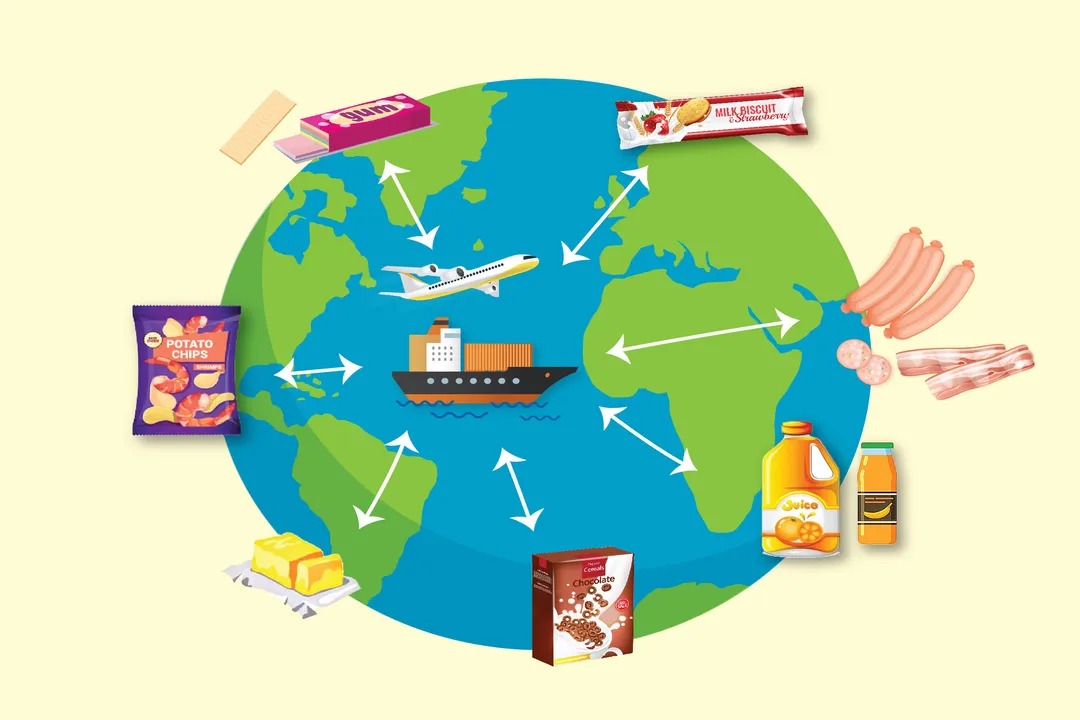
The primary, non-negotiable role of food preservatives is to keep our food safe and extend its shelf life. [6] Without them, many staples we rely on daily would spoil rapidly, becoming dangerous breeding grounds for pathogenic bacteria, yeasts, and molds. [6] This function is vital not just for convenience, but for public health, reducing the risk of foodborne illnesses which can range from mild digestive upset to severe, life-threatening conditions. [6] Preservation techniques, whether traditional methods like salting or modern chemical additives, work by inhibiting the growth of these undesirable microorganisms or by slowing down detrimental chemical reactions, like the oxidation that causes fats to turn rancid. [6]
It is important to distinguish between preservatives added for safety and those added purely for aesthetic reasons, although the line can sometimes appear blurred to the public. [8] For instance, an additive that preserves color helps maintain consumer appeal, but the core justification for most regulated preservatives is microbial control. [3] The alternative to using approved preservatives often means relying on significantly shorter shelf lives, rapid spoilage, increased food waste, or employing less desirable methods, such as higher heat treatments or potentially less safe traditional methods. [6]
# Governing Safety
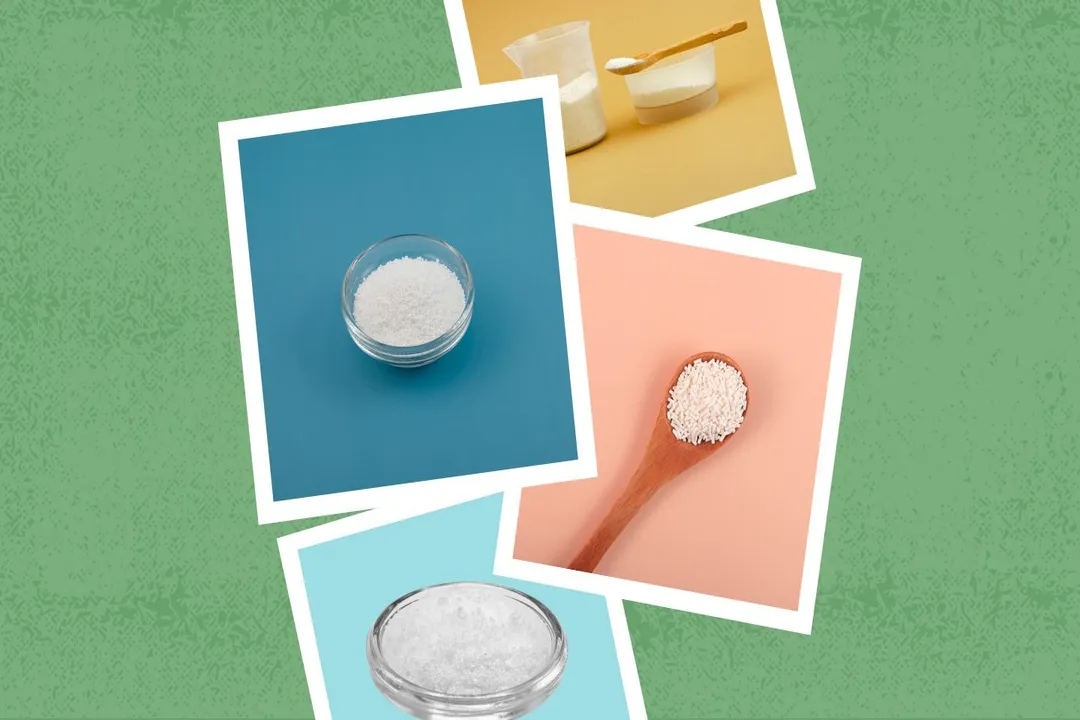
The substances allowed in our food supply do not enter the market haphazardly. Regulatory bodies globally assess additives based on extensive toxicological data before they can be authorized for use. [7] This assessment process typically involves determining an acceptable daily intake (ADI) level for humans. [7] This ADI represents an estimate of the amount of a substance a person can safely consume every day over a lifetime without appreciable health risk. [7]
In regions like Hong Kong, food authorities maintain positive lists of permitted preservatives, specifying the types of food they can be used in and the maximum permitted levels for each application. [7] This meticulous approach aims to ensure that even if a person consumes a wide variety of preserved foods daily, their total intake remains well below the established safety threshold. [7] Regulatory systems like these are built on a precautionary principle, meaning that when health risks are identified or remain unclear, the substance is either banned or its use is heavily restricted. [3] A preservative approved for use is, by definition of that approval, considered safe when used as directed. [3][7]

# Public Perception
Despite the layers of testing and regulation, many consumers hold a strong negative bias against foods containing preservatives. [8] A significant driver of this is a general aversion to synthetic chemicals, often summed up as the belief that "natural" equals "good" and "artificial" equals "bad". [8] This perspective is frequently reinforced by marketing that highlights the absence of additives, creating an association between preservatives and highly processed food, even if the preservative itself is used in minimal quantities or present in foods that are otherwise minimally processed. [8]
Furthermore, the terminology itself can be alarming. While a term like "antioxidant" might sound innocuous, a synthetic preservative might sound overtly chemical, even if both serve similar biochemical purposes within the food matrix. [8] This reaction is often reflexive rather than based on specific, known risks associated with the approved quantity of that specific ingredient. [2] It is this general distrust of the label rather than the science that fuels much of the perceived danger surrounding preservatives. [8]
# Reported Risks
While regulatory approval is based on safety within limits, acknowledging that some individuals react poorly to certain compounds is important. [1] Certain preservatives have been linked anecdotally or in specific studies to negative health outcomes, particularly for sensitive populations. [1][9] For instance, some sulfites, used to prevent discoloration in dried fruits and wine, can trigger asthma attacks in susceptible individuals. [1] Similarly, specific nitrites and nitrates, often used in cured meats, are scrutinized due to their potential to form carcinogenic nitrosamines under certain conditions, though regulatory limits aim to keep this conversion minimal in the final product. [1]
Some research points toward a connection between high consumption of certain additives and issues like hyperactivity in children, though these findings often require significant consumption levels or fail to account for other dietary factors. [1] Other concerns link preservatives, especially those affecting the gut microbiome, to broader digestive health issues. [9] However, it is crucial to compare these documented risks—which often involve high-dose exposure or pre-existing sensitivities—against the typical, low-level exposure experienced by the general population consuming standard regulated products. [4] If a preservative is banned or heavily restricted, it is because the potential for harm, even at high levels, outweighs its functional benefit. [3]

# Dose Matters
The question of whether preservatives are inherently unhealthy often misses the critical factor: dosage. [2] In toxicology, the maxim holds that the dose makes the poison. A preservative deemed safe at parts per million (ppm) may present risks at ppm. [2][4] The fact that an ingredient is listed on a label does not indicate the quantity present, only that it was added. [4]
When comparing a food preserved with a synthetic ingredient to one preserved entirely naturally, the difference in safety profile isn't always clear-cut. For example, natural antioxidants, like those found in rosemary extract used to keep fats fresh, function chemically much like synthetic options, but they carry a different public perception. [8] Conversely, some natural processes can create genuinely harmful byproducts if not strictly controlled. For instance, the fermentation process used to make certain traditional foods can inadvertently produce dangerous levels of molds or toxins if the process isn't managed perfectly. [6] The controlled use of a single, well-studied synthetic agent often provides a more predictable safety outcome than relying on variable natural processes. [4]
A useful comparison emerges when looking at common household items. The amount of a specific preservative in a can of soup is often significantly less, in terms of mass, than the amount of salt or sugar also present in that same can. [2] If one were to eliminate all preservatives while maintaining the current diet structure, the overall health improvement would likely be minimal compared to reducing intake of more calorically dense additives. [2]
My initial analysis of grocery trends suggests that consumers often overlook the category of "processing aids" versus "direct additives" listed on labels. [4] A processing aid might be used in large quantities during manufacturing but must be nearly absent in the final product, yet its presence on a paper trail can sometimes fuel concern when it shouldn't. [4] Focusing solely on the preservative itself, divorced from the actual concentration you are consuming daily, can lead to misplaced dietary anxiety.
# Consumer Navigation
For the person standing in the supermarket aisle trying to make an informed choice, navigating this information requires a balanced perspective rather than outright avoidance. Instead of automatically rejecting any product containing an additive, a more productive approach involves focusing on overall dietary quality. [2] A highly processed snack food with a two-year shelf life due to preservatives is likely less healthy than a loaf of bread with five preservatives but made from whole grains, simply because of the nutritional density of the base ingredients. [2]
Here is an actionable guide for evaluating packaged goods:
- Check the Whole List: Look at the quantity of other ingredients like added sugars, sodium, or unhealthy fats before fixating only on the preservatives. Often, these factors contribute more significantly to chronic health risks than the approved additives. [2]
- Understand Function: If you see
Sodium Benzoate, recognize its function is typically mold/yeast inhibition. If you seeAscorbic Acid, you are looking at Vitamin C used as an antioxidant to preserve color and nutrient integrity. [6] Understanding the role lessens the fear associated with the name. - Consider Shelf Life vs. Need: Do you need a shelf life of two years for an item you will consume in a week? Choosing smaller packages or fresher local options reduces reliance on any additive, natural or synthetic, by matching the food's longevity to your consumption rate.
Ultimately, safety assurance for approved preservatives is rooted in established tolerance levels based on population studies. [7] For the vast majority of people, the risk posed by consuming foods containing legally permitted preservatives at expected dietary levels is negligible compared to the established risks associated with high intake of sodium, sugar, or saturated fats. [2] The science supports controlled use, while the consumer's goal should be maximizing whole, nutrient-dense foods first and foremost. [4]
Related Questions
#Citations
Understanding Food Preservatives: What Are The Health Risks?
Are preservatives inherently unhealthy? : r/nutrition - Reddit
How Safe Are Food Preservatives? - Diet & Nutrition - Everyday Health
Artificial food additives: hazardous to long-term health? - PubMed
Preservatives – Keeping our foods safe & fresh
Should We Worry about Preservatives and Antioxidants in Food
Why are preservatives perceived as “bad”? - Quora
Food Preservatives: Do They Impact Health? - ZOE