Is it safe to eat a garden snail?
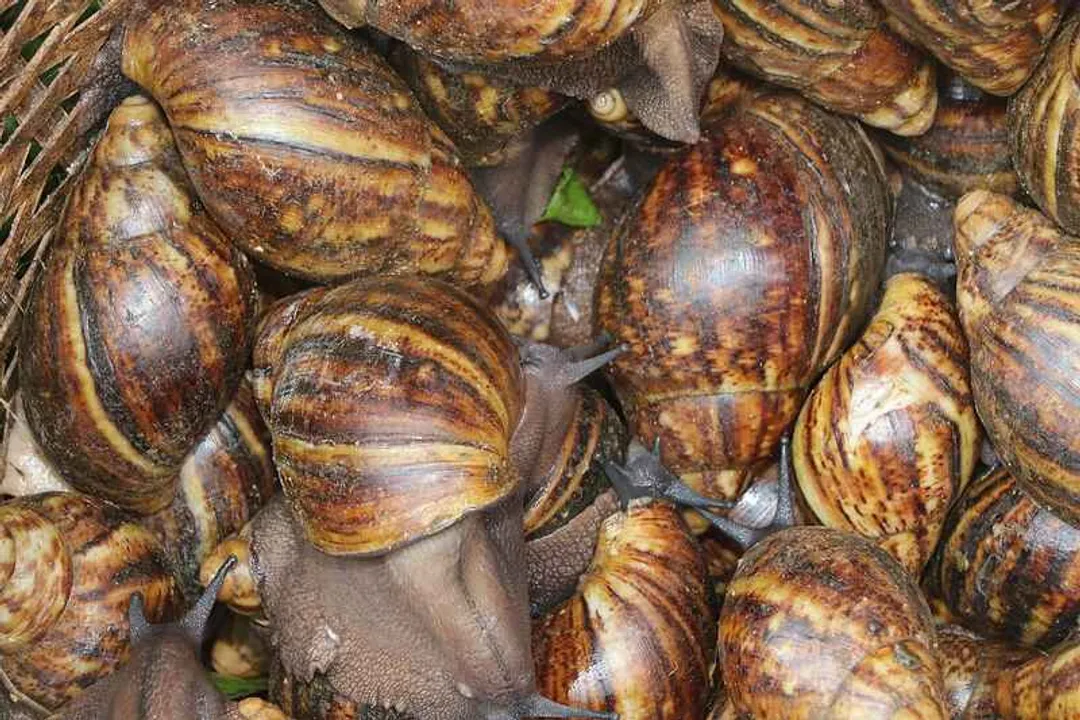
The decision to pluck a snail from the damp soil of your garden and prepare it for the dinner plate involves stepping into a surprisingly complex area of food safety and culinary tradition. While snails have been consumed across various cultures for millennia, often appearing on menus as escargot, [8] the safety profile of casually harvesting a common garden snail is quite different from that of commercially sourced, purged mollusks. [4] The core of the concern revolves less around the snail itself and more about what it has encountered in its environment before it reaches the kitchen.
# Global Cuisine
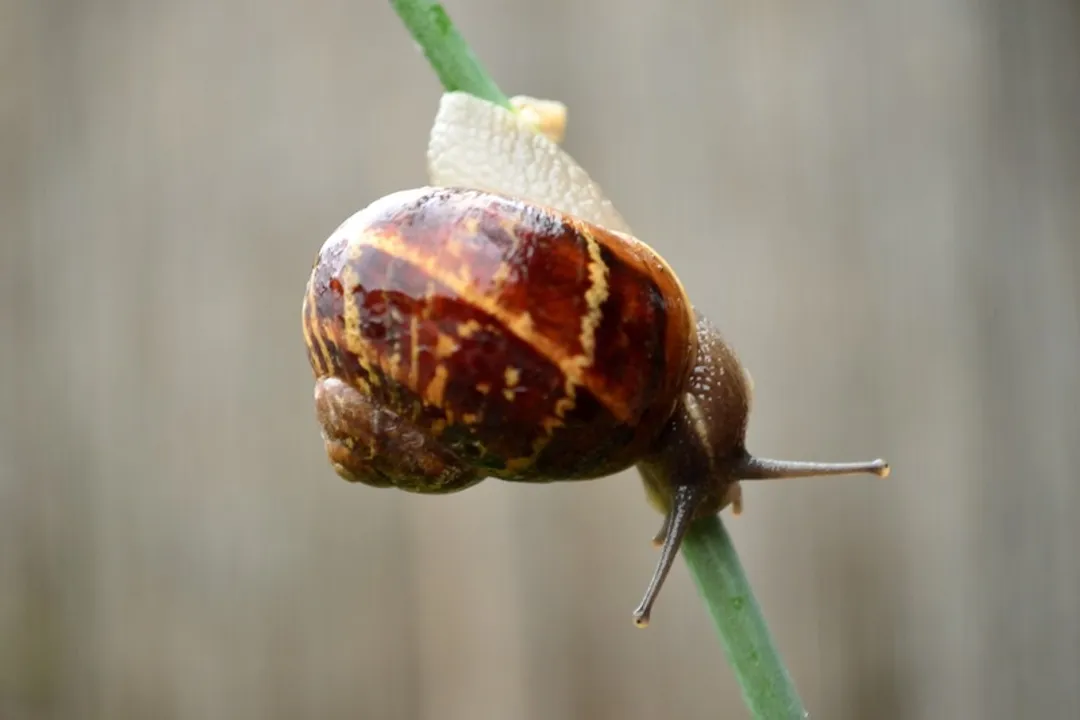
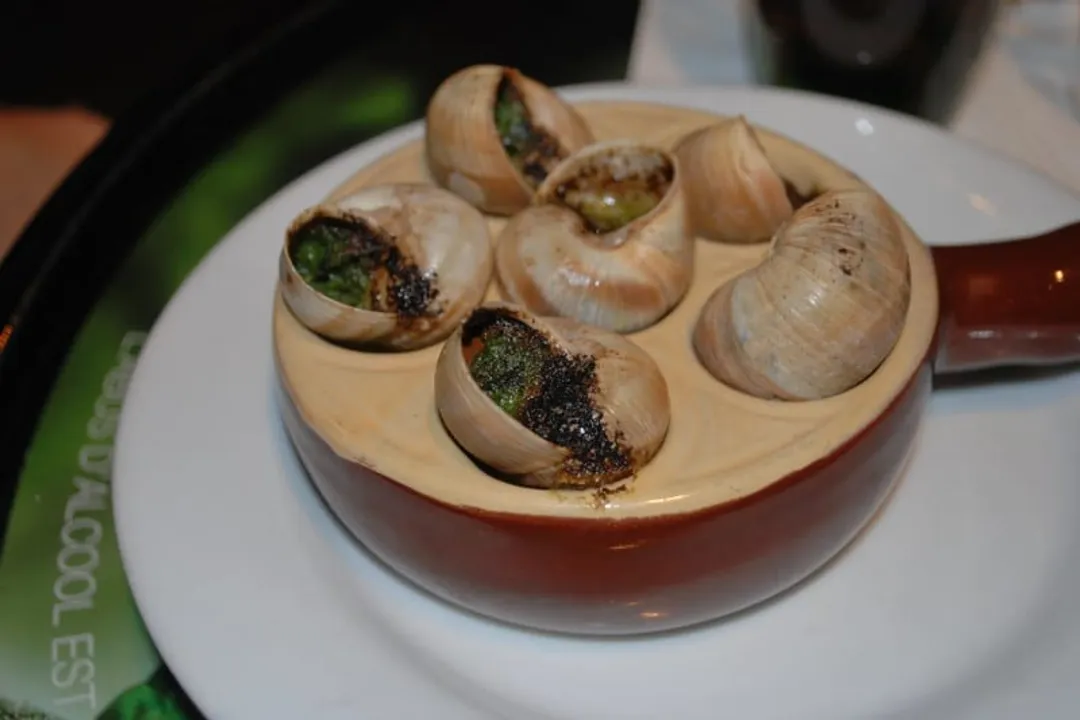
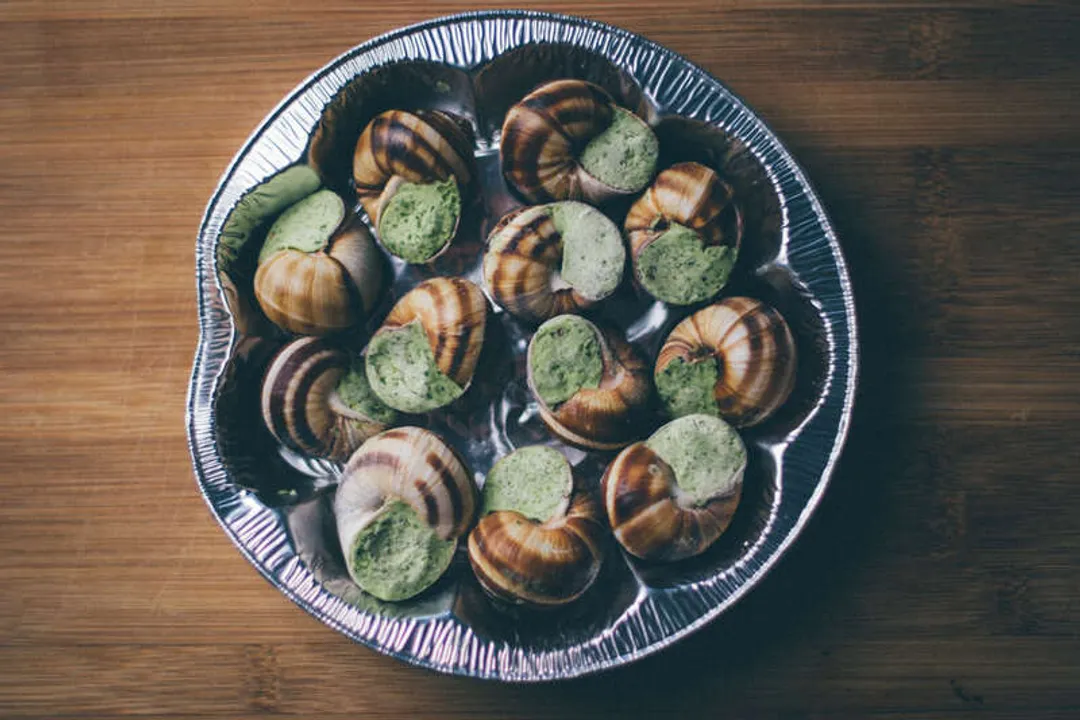
Historically, snails have been an accepted food source globally, with consumption dating back to ancient times in regions like the Mediterranean and even pre-Columbian America. [8] Today, the culinary world primarily recognizes cultivated species, such as the Roman snail (Helix pomatia), which are raised specifically for human consumption and follow strict preparation protocols. [8] This contrasts sharply with the wild gastropods often found munching on lettuce leaves in a backyard setting. [4] Those garden snails, regardless of their potential edibility, carry the environmental baggage of their immediate surroundings.
# Parasite Danger
The single most significant health concern associated with consuming raw or improperly cooked wild terrestrial snails, including common garden varieties, is the risk of parasitic infection, particularly from the Rat Lungworm, Angiostrongylus cantonensis. [5][7] This parasite's larvae can infect intermediate hosts like snails and slugs, and when ingested by humans, they can migrate to the central nervous system. [5][7]
This infection is serious; it can lead to eosinophilic meningitis, a condition characterized by severe headaches, neck stiffness, and potentially permanent neurological damage or even death. [5][7] This danger is so pronounced that some veterinary resources explicitly warn pet owners that these common garden inhabitants pose a life-threatening risk to dogs and humans alike if ingested carelessly. [7] The crucial takeaway here is that Angiostrongylus cantonensis is often present in wild snails, and simply cooking them might not always eliminate the risk if the initial cleaning and purging process is inadequate or skipped entirely. [1] While some sources suggest that thorough cooking will neutralize the threat, the sheer severity of potential neurological consequences mandates extreme caution when dealing with wild snails. [5]
# Sourcing Wild Life
When considering a garden snail for food, it is paramount to differentiate between a snail found in a truly wild, pesticide-free zone and one lurking among ornamental plants near a treated lawn. [4] A snail that has traversed soil treated with lawn chemicals or absorbed environmental pollutants presents an entirely separate toxicological risk that is not directly addressed by cooking, much like the risk associated with consuming wild mushrooms grown in contaminated soil. If you are sourcing snails from a managed suburban garden, you must assume a high probability of exposure to herbicides, fungicides, or insecticides, which can accumulate in the snail's tissues. [4]
This environmental context provides a unique angle on risk assessment: Foraging for wild snails, unlike foraging for certain types of wild herbs or berries where historical knowledge might offer some level of comfort, involves a known, specific, and severe parasitic threat coupled with an unknown chemical threat dependent entirely on your specific local environment. Therefore, an actionable first step for any aspiring forager should be to verify the history of the specific patch of land where the snails are found. If you cannot confidently state that the area has been chemical-free for at least one full growing season, the inherent risk likely outweighs the novelty of the meal. [6]
# Preparing Gastropods
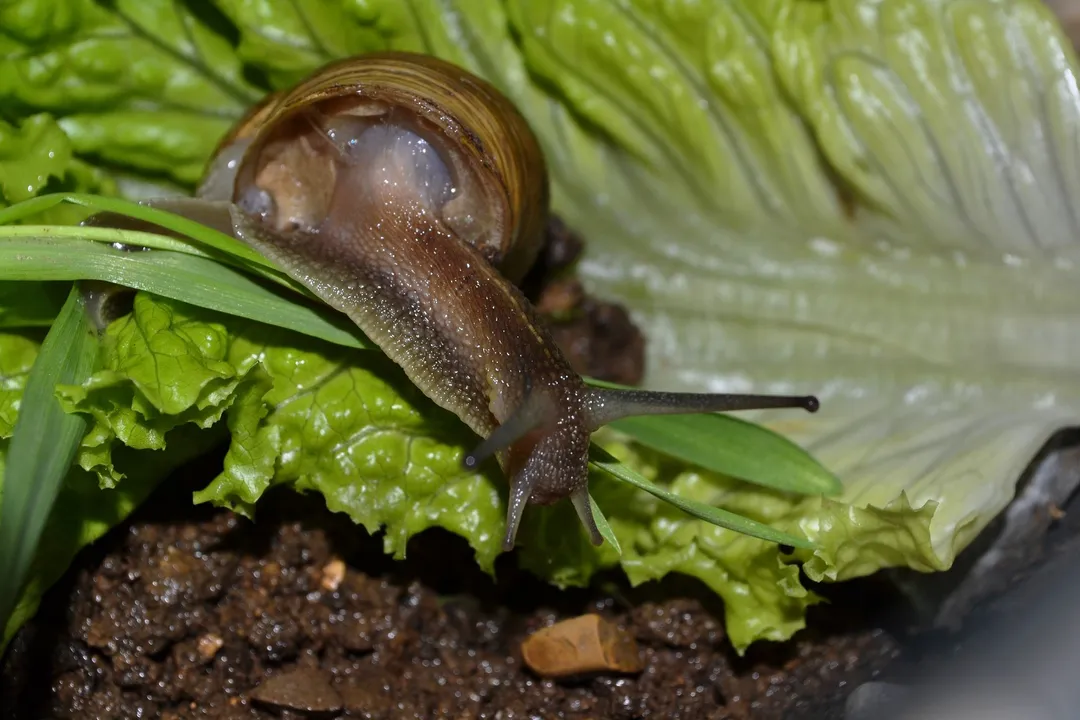
If one decides to proceed, the preparation process for wild snails must be rigorous, far exceeding a simple rinse. The goal of this process, often called purging, is to empty the snail’s digestive tract of its last meal, which may contain harmful contaminants or parasites. [2][9]
The process generally involves several critical stages:
- Catching and Holding: Snails must first be gathered. [9]
- Purging: This is perhaps the most vital step for safety. The snails are typically kept in clean containers without food for several days—sometimes up to two weeks—to allow them to fully clear their systems. [2] During this period, they are often given only clean water, or sometimes fed flour or cornmeal to aid in the cleansing process. [9] This stage aims to flush out whatever the snail has eaten recently. [2]
- Cleaning: After purging, the snails must be meticulously cleaned externally. This involves scrubbing the shell vigorously to remove soil and slime. [9]
- Cooking: The snails are then removed from their shells, often boiled multiple times, and sometimes soaked in salty water before final cooking. [2][9] Boiling, especially for an extended period, is what is generally relied upon to kill any remaining pathogens or parasites. [5]
It is important to note that while this methodical approach works for escargots, community discussions sometimes indicate skepticism that a few days of purging can entirely eliminate deep-seated parasite loads in wild specimens. [1] This highlights a difference in approach: commercial operations have standardized, controlled conditions, whereas home purging is an educated guess based on environmental conditions preceding the harvest. [2]

# Legal and Regulatory Views
Beyond the immediate biological risks, there are regulatory considerations. In some jurisdictions, there may be regulations or prohibitions concerning the harvesting of wild snails. [6] While sources indicate that some common garden snails can be eaten if handled correctly, [6] it is wise to check local regulations regarding foraging, especially if you plan to harvest them in volume. Furthermore, certain species might be protected or considered invasive pests, which could complicate their collection or consumption. [8]
A practical comparison can be drawn between preparing wild snails and preparing foraged shellfish like mussels or clams. While both require purging and thorough cooking, the specific, documented neurological threat posed by the Rat Lungworm in terrestrial snails presents a more immediate and clearly defined danger than the general bacterial risk often associated with improperly handled saltwater shellfish. This means the type of knowledge required to safely consume snails—specifically knowing about the Angiostrongylus parasite—is highly specialized and non-transferable from general foraging wisdom. [5][7]
# Final Safety Assessment
Ultimately, the question of safety hinges almost entirely on the elimination of the Rat Lungworm parasite and the avoidance of chemical contamination. Many consumers find the necessary assurance lacking when dealing with a wild garden snail compared to a commercially prepared one. [1]
If a snail has been sourced from an area known to be pristine—far from roads, lawns, or treated garden beds—and has undergone a documented, multi-day purging process followed by thorough, multiple boiling cycles, the immediate parasitic risk is significantly reduced. [2][9] However, without laboratory testing, one can never be certain that the entire parasite load has been neutralized or that no chemical residues remain in the flesh. [4]
The general consensus, even among those familiar with preparing snails, leans toward extreme caution regarding wild garden varieties. [1][5] For the casual consumer, the ease of sourcing and preparing snails from a local patch often does not justify the documented, life-threatening risks associated with the Rat Lungworm if the preparation is anything less than flawless. [7] If the motivation is purely culinary tradition, seeking out farmed escargot remains the safer avenue. [8]
Related Questions
#Citations
Are there really such bad health concerns when having snails?
How to Harvest and Cook Snails From the Garden
Are garden snails safe to eat? - Facebook
Can You Eat Garden Snails? - LawnStarter
Do garden snails carry diseases that could kill you if you handle or ...
Can you eat common garden snails? - Food & Drink - Community
Are Garden Snails Poisonous to Dogs & Humans?
Snails as food - Wikipedia
How to catch, clean and cook garden snails - them apples