Is it safe to eat onion greens?
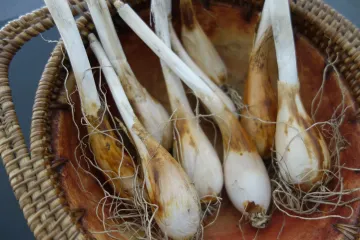
Many people find themselves pausing over the green tops of onions, whether they come from fully mature bulbs or freshly harvested bunches, wondering if that vibrant green is destined for the compost bin or the cutting board. The good news, confirmed across various kitchen conversations and gardening circles, is that the greens of onions are indeed perfectly safe to consume when they come from standard cultivated varieties. These tops are essentially the leafy part of the plant, akin to chives or the green tops of leeks, and they bring a distinct, fresh onion flavor to dishes. They represent a substantial portion of the plant that often goes to waste, though they are entirely edible and often quite delicious.
# Edibility Confirmed
The primary concern for many is toxicity, but for the Allium family members we cultivate for food—like bulb onions, red onions, and scallions—the green stalks are completely safe for human consumption. Gardeners frequently confirm that using these tops is a common practice, adding a mild oniony flavor that pairs well with many recipes. This part of the plant is often compared favorably to chives in terms of flavor profile, though it might possess a slightly stronger essence depending on the onion variety. For instance, the greens from a red onion are reported to taste like mild onions. The underlying principle is simple: if you are eating the bulb, the attached green parts are safe components of the same edible plant.
# Cooking Uses
Incorporating onion greens is a simple way to maximize your harvest and minimize food waste. They function similarly to their close relatives, green onions (scallions), offering a fresh, slightly sharp bite that livens up prepared foods. You can treat them as you would any fresh herb or scallion: chop them finely and sprinkle them over soups, baked potatoes, scrambled eggs, or stir-fries just before serving to retain their bright flavor.
When dealing with greens from large bulb onions, their texture might be slightly tougher than the tender tops of spring onions. This is where preparation methods matter. For the thicker, mature greens, a quick blanching or sautéing can soften the fibers without destroying the flavor. If you find yourself with a batch of greens that are past their prime—maybe starting to get a little soft or developing that slick exterior texture people sometimes call slime—don't toss them immediately. An excellent way to salvage texture-compromised greens is to blend them aggressively. Try incorporating them into compound butters, creamy dips, or even a vibrant green sauce like a chimichurri or pesto [editor's note 1]. The high-speed action of a blender or food processor breaks down the cellular structure, masking any undesirable sliminess while preserving the onion flavor.

# Sprouted Onions
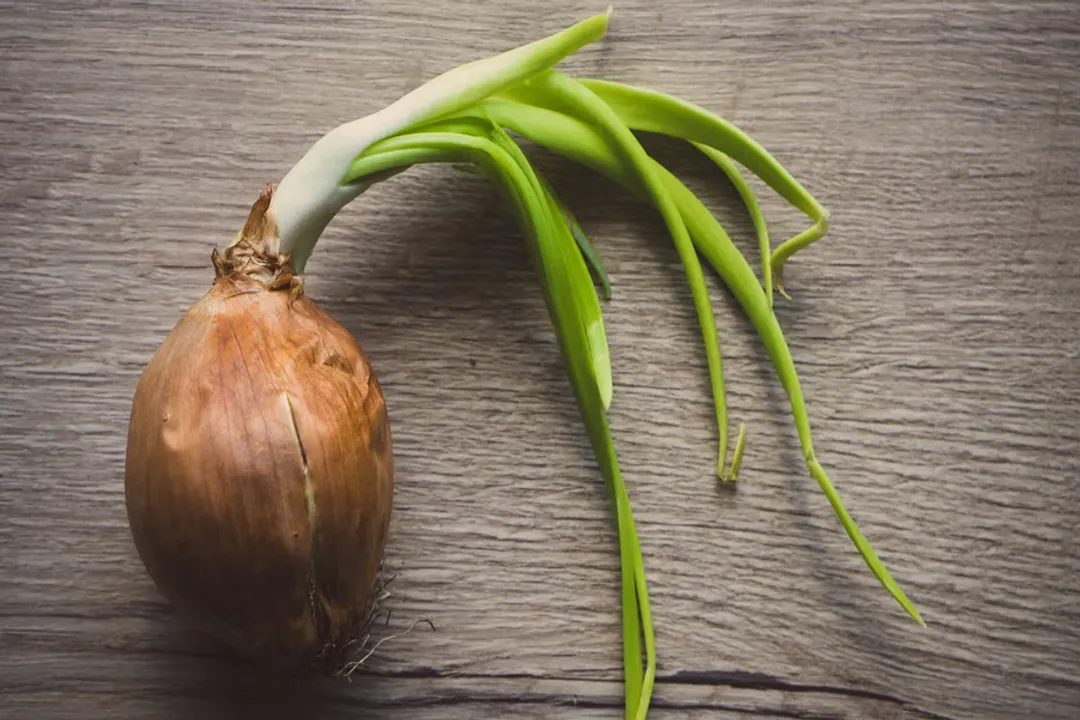
The condition of the main bulb also relates to the edibility of the greens. If an onion starts to sprout, it is producing those desirable green tops. The California Department of Food and Consumer Services notes that produce safety involves proper handling, but the process of sprouting itself isn't inherently dangerous for the onion bulb. If you notice an onion beginning to sprout, the bulb itself is usually still safe to use, provided it hasn't gone soft or developed mold. The emerging greens from this sprouted bulb are certainly edible, just as if you had planted the onion intentionally to harvest its tops. However, if the onion is very old, soft, or significantly shriveled due to the energy drain of sprouting, it's best to discard it entirely rather than risk using compromised vegetable matter.
# Wild Lookalikes
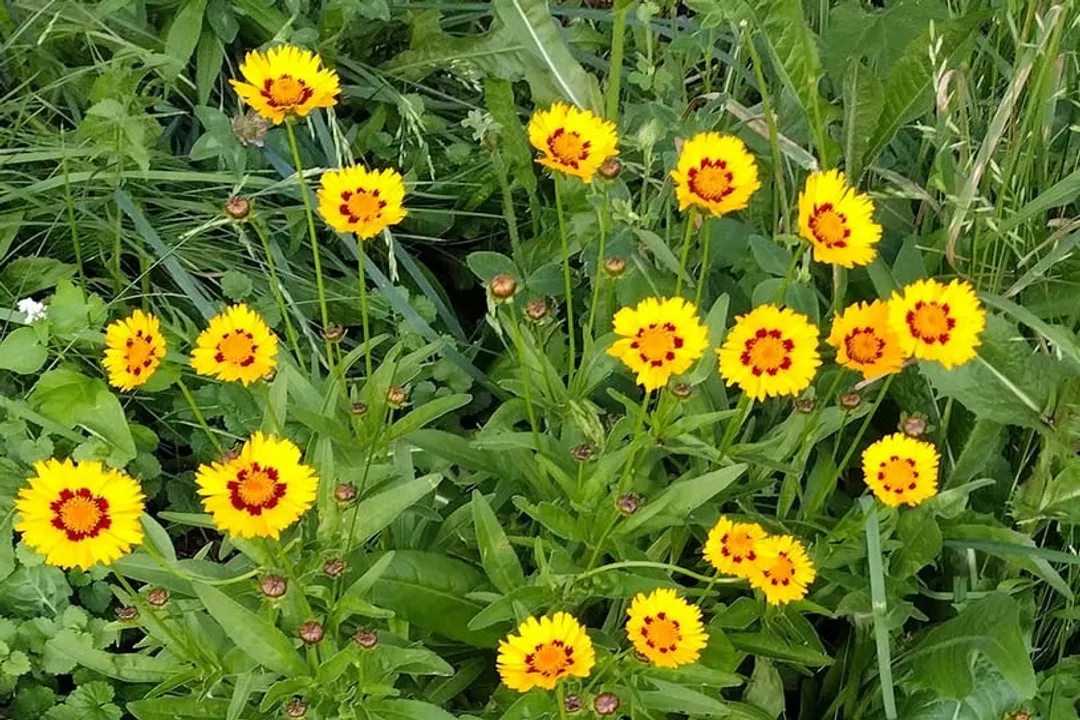
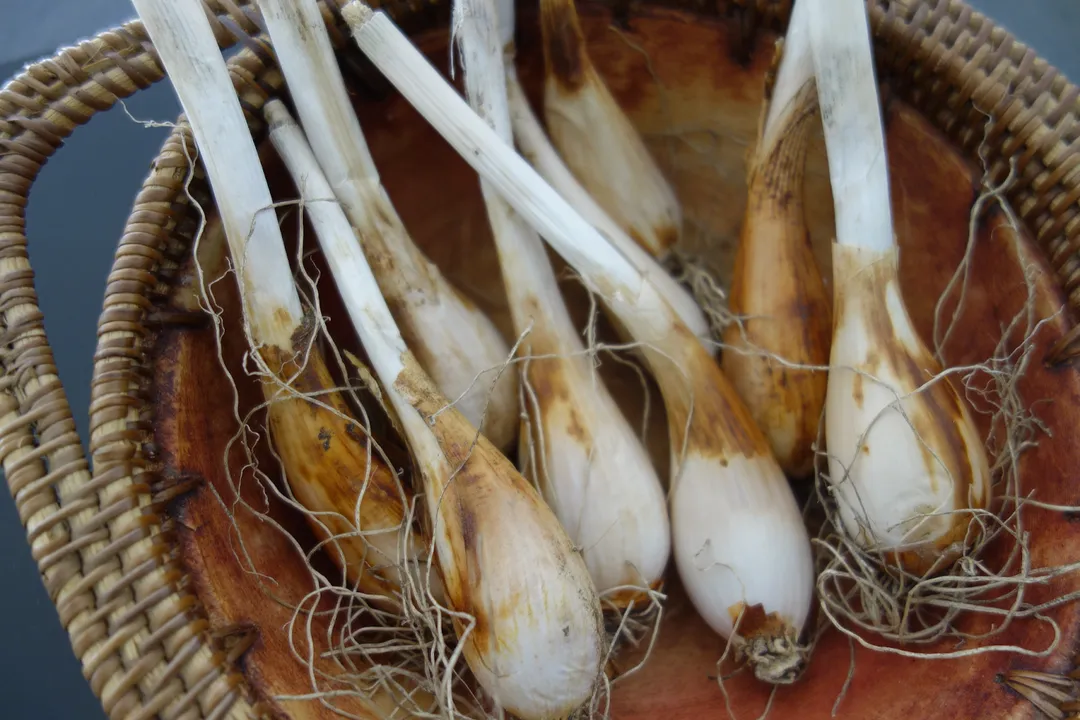
While cultivated onion greens are safe, a critical distinction must be made if you are harvesting greens from the wild: you must be certain of your identification. The family of plants that includes onions, garlic, and chives (Allium species) has some extremely dangerous imposters in the wild. For instance, wild onion can be easily confused with the deadly poison hemlock or death camas. The key difference, which applies both to wild onions and their cultivated cousins, is the scent: true Allium species, whether bulb or green, will emit a characteristic onion or garlic smell when crushed, whereas the toxic look-alikes do not. If you cannot positively identify a wild plant as a true onion relative by scent, you must avoid eating it entirely. This is perhaps the single most important safety precaution related to consuming "onion greens" found outside of a controlled garden or grocery store setting.
# Freshness and Safety
Whether you buy them pre-packaged or harvest them yourself, onion greens, like all fresh produce, require proper handling to mitigate foodborne illness risks. The California Department of Public Health advises that proper washing and handling are essential steps to reduce the risk associated with fresh produce. Always wash green onions and their tops thoroughly under running water before consumption or cooking to remove any surface contaminants, dirt, or potential pathogens.
When assessing freshness, texture often tells the story. Beyond the possibility of sliminess, look for crispness. Greens that are limp, yellowing, or overly floppy are generally past their peak flavor quality, even if still technically safe to consume after thorough washing [editor's note 2]. While the white root end of a green onion is typically discarded or used for propagation, the green tops are the primary target for flavor and nutrition, and they should be evaluated for tenderness rather than just safety. A good rule of thumb for maximizing enjoyment is to use the greens within a few days of purchase or harvest, storing them properly—perhaps wrapped loosely in a damp paper towel in a plastic bag in the refrigerator—to maintain their snap.
In summary, for store-bought or home-grown onions, the green tops are a culinary bonus rather than a safety concern, provided they are cleaned properly. Just remember the cardinal rule when venturing into foraging: if it doesn't smell like an onion when you bruise it, leave it alone.
Related Questions
#Citations
Are the green leaves of red onions safe to eat? Not sure but just ...
8 Edible Items You're Throwing Away—and 2 to Toss - EatingWell
Can i eat the green part (leaves) of onions? What do you do with it?
Wild Onion and Its Dangerous Look-Alike - Youth in Food Systems
Are Sprouted Onions Safe To Eat? An Expert Weighs In - Delish
Can you eat the root of a green onion? - Quora
Are green onion & garlic stems/tops usable in the kitchen? - Houzz
Is it safe to eat green onion slime? - Seasoned Advice
Reducing Risk of Foodborne Illness with Green Onions and ... - CDPH