Can humans eat oat grass?

The idea of eating grass often brings up images of livestock grazing, which naturally prompts questions about whether the verdant blades grown in a tray can actually sustain or benefit a person. Oat grass, the young, tender shoots of the Avena sativa plant before it produces the familiar grain, is one such grass that has found its way into human diets, primarily through the health and wellness sphere. [1][5] It is decidedly different from the mature oat kernels we use for oatmeal or flour; instead, it is treated much like its cousin, wheatgrass, consumed for its concentrated vegetative components rather than its caloric carbohydrate content. [5][6]
# Young Plant
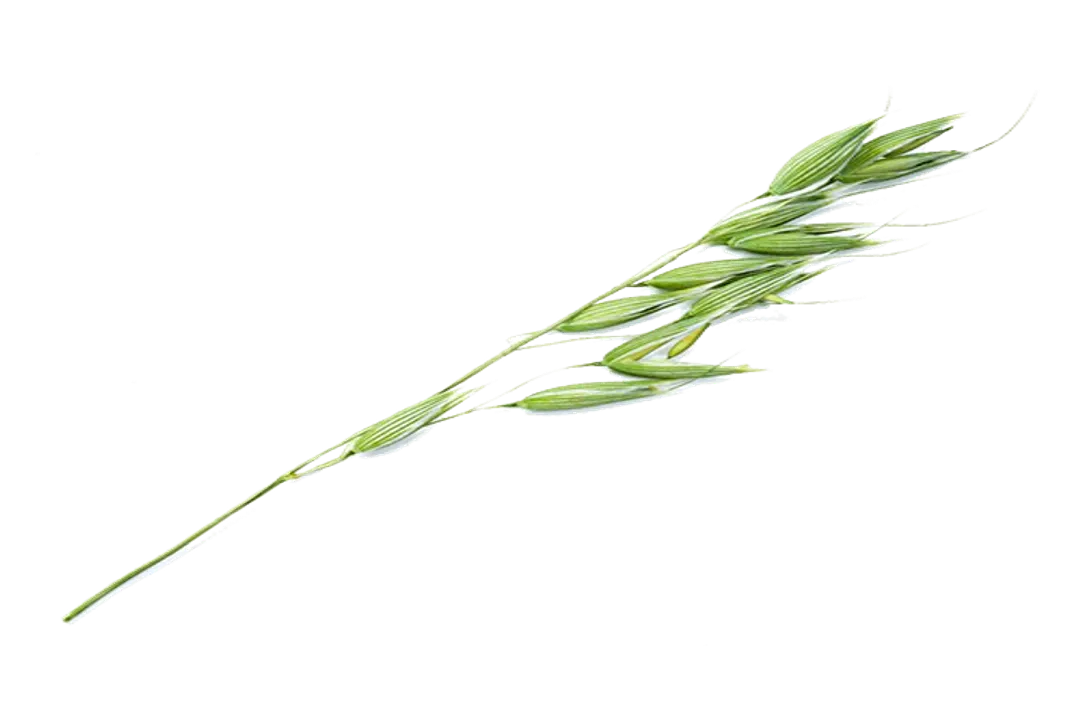
Oat grass represents the very early stage of the common oat plant's life cycle. [6] Botanically speaking, it is the foliage of Avena sativa harvested before the plant has matured enough to develop seed heads, which is when it transitions into what we recognize as the grain. [6] This early harvest is key to its appeal in human nutrition because the young blades are soft, slightly sweet, and packed with chlorophyll, enzymes, and a broad spectrum of micronutrients. [1][4] While the mature oat grain is a staple food source rich in complex carbohydrates and fiber, the young grass is valued for its high concentration of vitamins and minerals relative to its physical volume. [1][6] Some producers specifically cultivate wild oat grass varieties, which may present slightly different chemical profiles, though both fall under the umbrella of edible cereal grasses. [2]
# Diet Forms
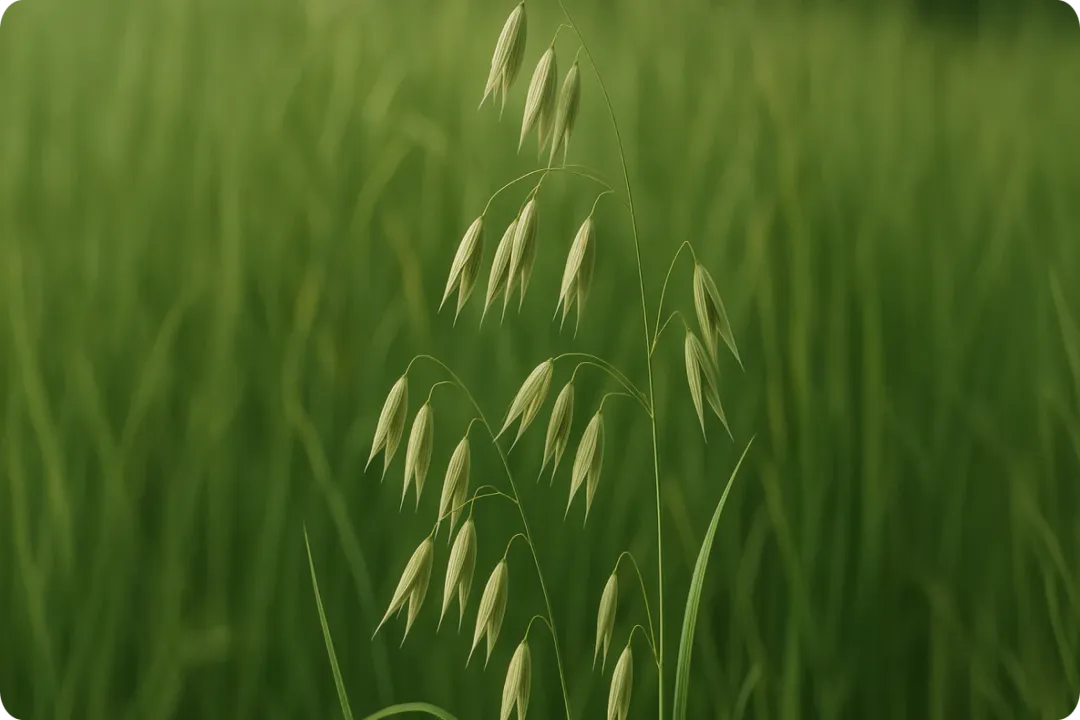
The practical method of ingestion dictates how much benefit a person derives from oat grass, as eating large quantities of raw, fibrous blades is impractical and potentially indigestible. [3] The vast majority of human consumption happens in two processed forms: juice or powder. [1][8]
Juicing involves macerating the fresh blades and extracting the liquid, which removes much of the cellulose that the human digestive system cannot break down effectively. [1] This method delivers a highly concentrated dose of the plant's liquid contents, similar to how wheatgrass is consumed. [5]
The powder form is created by drying the harvested grass—often through freeze-drying or dehydration—and grinding it into a fine substance that can be mixed into smoothies, water, or functional foods. [8] This allows for easier storage and measured dosing compared to handling fresh cuttings. [4]
It is helpful to visualize the difference in nutrient delivery. If you were to consume one ounce of freshly juiced oat grass, you are ingesting a volume of nutrients equivalent to perhaps a pound of the original biomass, minus the indigestible fiber. In contrast, simply chewing the blades raw might result in your body absorbing very little of that potential due to the tough cell walls. [3]
# Nutritional Value
Advocates for including oat grass in the diet point to its impressive nutritional profile, often equating it to a "green superfood". [1] It is frequently noted for its high chlorophyll content, which shares structural similarities with human blood hemoglobin. [1] Beyond this well-known component, oat grass is reported to contain a host of vitamins and minerals, including vitamins A, C, E, and K, as well as various B vitamins, iron, calcium, and magnesium. [1][8] Furthermore, the presence of active enzymes is often cited as beneficial for supporting the body's digestive processes. [1]
When considering these green supplements, it is instructive to compare them contextually. For instance, consuming the equivalent of one standard two-ounce shot of fresh oat grass juice might deliver a higher concentration of certain bioavailable vitamins (like Vitamin C or K) than eating a generous two-cup serving of cooked spinach, due entirely to the physical process of removing water and insoluble bulk. This concentration is what makes the juice and powder forms so potent, assuming the nutrients remain viable after processing. [1]
# Eating Grass
While the nutritional claims are compelling, the consumption of any cereal grass requires acknowledging the physical structure of the plant material. Humans are not ruminants; our digestive systems lack the necessary enzymes and gut biome structure to efficiently break down large amounts of cellulose, the primary component of grass cell walls. [3] This is why juicing or powdering is the preferred method; consuming the whole, mature grass would likely lead to significant digestive upset and poor nutrient absorption. [3]
A relevant concern arises when considering grass that has already passed its prime. Discussions around consuming grass that has dried or gone to seed touch upon palatability and safety—dry, mature fiber is even harder on the digestive tract than young, soft blades. [3] For safe consumption, whether you are growing it yourself or buying a product, the stage of the plant matters immensely. If you purchase a commercial powder, paying attention to the processing method is important, as excessive heat during drying can degrade some of the heat-sensitive enzymes and vitamins that make the grass beneficial in the first place. [1]
When sourcing oat grass for home cultivation, remember that Avena sativa is generally grown for human consumption only in its very juvenile stage. [5] If you are trying to cultivate it yourself, treat it like microgreens: sow densely and harvest when the shoots reach a few inches tall, before any significant stalk development occurs. This maximizes the tender leaf-to-stem ratio, making it easier to process, whether for blending or juicing. [4] If you find yourself with grass that is starting to turn yellow or develop seed heads, it is best repurposed as compost rather than assuming it will be beneficial for human consumption. [5]
# Sourcing and Quality
Because the value of oat grass lies in its fresh, vibrant compounds, quality control in sourcing is vital, especially when dealing with powders. [8] Many commercial preparations are derived from sprouts grown in controlled environments, ensuring they are free from common agricultural contaminants often associated with field crops. [4]
If one opts for powders, which are popular for convenience, a quick check of the manufacturer's processing description offers some insight into the Expertise behind the product. Look for terms indicating low-heat drying or lyophilization (freeze-drying), as these methods are generally superior for preserving the delicate vitamin content compared to standard high-heat spray drying. [8] Furthermore, consumers dedicated to purity should investigate whether the source oats were grown organically, as grass readily absorbs the environment it grows in. [1]
An actionable tip for the home experimenter involves cross-referencing different commercial sources if purchasing powdered products. Since different companies might use slightly different growth conditions or post-harvest treatments, tracking how a specific batch affects your personal energy or digestion over a two-week period can help establish a personal Experience baseline for that particular brand's quality profile. [1][8] This empirical feedback loop is often more telling than blanket marketing claims.
In summary, humans absolutely can consume oat grass, but only under specific conditions: when harvested young, processed correctly (usually juiced or powdered), and treated as a nutrient supplement rather than a staple food source. The ease of access via modern supplements makes integrating this green boost straightforward, provided one respects the delicate nature of the plant material itself. [1][4]
Related Questions
#Citations
Oat Grass: A Little-Known Superfood with Super Benefits - Live it Up
Wild Oats Information and Facts - Specialty Produce
Can humans eat grass that has already been fermented (so ... - Reddit
Oat Grass - Sprout People
Anyone know of any other kinds of edible grass for humans besides ...
Oat - Wikipedia
My mom and I had the ultimate pleasure and experience of meeting ...
Organic Oat Grass Powder - Ora Organic
Oat Grass - Sprout Living