Which alcohol is used for human consumption?
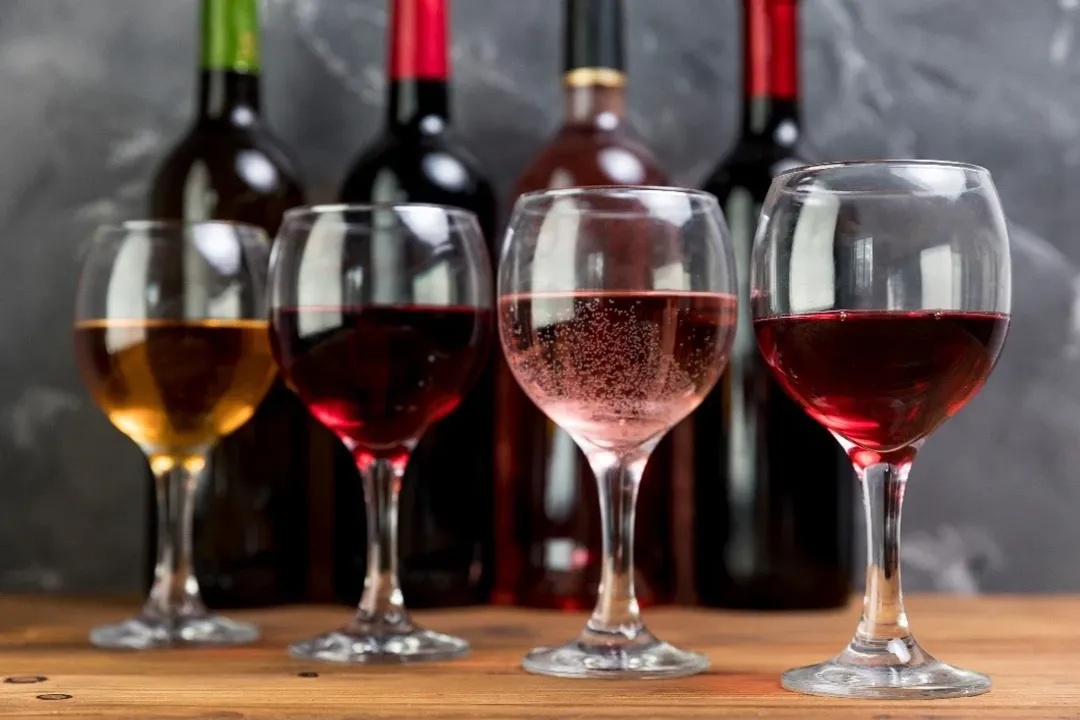
The alcohols found in beverages are specific chemical compounds, and distinguishing them is crucial because while one type is widely consumed worldwide, others are highly toxic, even in small quantities. [3][5] When people talk about alcoholic drinks—whether it's a beer, a glass of wine, or a distilled spirit—they are referring to beverages containing ethanol, chemically known as ethyl alcohol. [2][4]
# Consumable Alcohol
Ethanol (C2H5OH) is the sole type of alcohol generally considered safe for human ingestion when consumed in moderation. [3] This substance is the psychoactive ingredient found in all fermented and distilled drinks. [2] Its presence is the result of a natural process: yeast consumes sugars found in sources like grapes, grains, or fruits, producing ethanol and carbon dioxide as byproducts. [4]
# Production Pathways
The creation of alcoholic beverages follows established pathways, beginning with fermentation. [4] Wine, for instance, is made by fermenting fruit juice, primarily from grapes, while beer results from fermenting malted cereals such as barley. [2] Distilled spirits, like vodka, whiskey, or rum, start as a fermented liquid but then undergo distillation to concentrate the ethanol content. [4] Distillation separates the ethanol from water and other components based on differing boiling points. [4]
The final alcohol percentage, often listed as Alcohol by Volume (ABV), varies significantly across these drinks. [8] Beer typically ranges from about 3% to 8% ABV, wine usually falls between 9% and 15%, and distilled spirits can range much higher, often 40% ABV or more before dilution. [8] While the starting material and process differ, the key component allowing for consumption remains the presence of ethanol. [2][8]
# Toxic Types
It is important to understand that "alcohol" is a broad chemical class, and not all members are safe for drinking; in fact, several common types are poisonous. [3][5] The danger lies in confusing ethanol with other simple alcohols, particularly methanol and isopropanol (isopropyl alcohol). [3]
# Methanol Danger
Methanol, or methyl alcohol, is structurally similar to ethanol but possesses one fewer carbon atom (CH3OH). [4] It is sometimes found as a toxic contaminant in illegally distilled spirits, often called moonshine, especially if the distillation process is improperly managed. [3] When ingested, the body metabolizes methanol into highly toxic compounds like formaldehyde and formic acid, which can cause permanent blindness, organ failure, and death, even at relatively small doses. [3][5] This risk underscores why consuming unregulated, home-distilled beverages is inherently dangerous. [3]
# Isopropanol Toxicity
Another common alcohol not intended for consumption is isopropanol, also known as rubbing alcohol. [5] While structurally different from ethanol, its toxicity profile is also severe, leading to symptoms such as central nervous system depression, respiratory failure, and coma upon ingestion. [5] Isopropanol is widely used as a disinfectant or solvent and should never be mistaken for a potable spirit. [3][5]
To illustrate the key distinction between the consumable and the dangerous, consider this chemical comparison:
| Alcohol Name | Chemical Formula | Common Use | Toxicity Level (Ingestion) |
|---|---|---|---|
| Ethanol | Beverages, Solvents | Generally safe in moderation | |
| Methanol | Antifreeze, Fuel, Contaminant | Highly toxic; can cause blindness/death | |
| Isopropanol | Rubbing Alcohol, Disinfectant | Toxic; CNS depressant |
The difference in how the body processes these molecules is stark; while ethanol is broken down into less harmful byproducts, methanol and isopropanol break down into substances that directly attack the nervous system and other vital organs. [3][5]
# Measuring Intake
Once the safe type, ethanol, is identified, understanding how much is being consumed becomes the next important consideration for health and safety. [7] The concentration of ethanol dictates the potential effects on the body, which is why regulating the amount consumed is recommended. [6][7] Regulatory bodies use the concept of a "standard drink" to help consumers gauge their intake consistently across different types of beverages. [7]
# Standard Drink Definition
A standard drink is defined by the amount of pure ethanol it contains, regardless of the beverage type. [7] In the United States, a standard drink is generally considered to contain 0.6 fluid ounces or 14 grams of pure alcohol. [7] This equivalence is key for making sensible consumption choices. [7]
For example, one standard drink size corresponds to:
- 12 ounces of regular beer (about 5% ABV) [7][8]
- 5 ounces of wine (about 12% ABV) [7][8]
- 1.5 ounces of 80-proof distilled spirits (40% ABV) [7][8]
If you are drinking a higher-proof spirit, such as a 100-proof (50% ABV) whiskey, a single standard drink would be closer to 1.25 ounces, illustrating how much the concentration affects serving size. [8] Keeping these equivalents in mind allows a person to track consumption more accurately than simply counting glasses or bottles, especially when moving between different categories of drinks. [7]
# Alcohol Purity Insight
An area where the distinction between ethanol and potential contaminants becomes critically important, even in supposedly consumable products, relates to congeners. When ethanol is produced via fermentation, other alcohols and chemical byproducts, known as congeners, are also created. [6] Darker spirits, such as whiskey, brandy, and red wine, tend to have higher concentrations of these congeners compared to lighter spirits like vodka or gin. [6] While ethanol is the primary active ingredient, the type and amount of congeners can influence the severity of a hangover and potentially contribute to other adverse physical reactions. [6] This means that even when drinking only ethanol, the overall experience and after-effects are shaped by these accompanying compounds. [6] A common practice among those seeking to minimize potential side effects is to choose congeners lower in quantity, like clear spirits mixed with non-alcoholic beverages, though this does not negate the effects of the ethanol itself. [6]
# Regional Variations in Risk
While regulatory bodies establish safety standards based on the purity of ethanol, real-world production practices introduce variability that consumers should be aware of. In regions where commercial distillation is heavily regulated, the risk of accidental methanol contamination in commercially sold spirits is extremely low because industrial processes include rigorous testing and purification steps. [4] However, when considering home-brewed beverages or alcohol sourced from unregulated markets, the risk profile changes significantly. [3]
A nuanced point to consider is that improper distillation, or using non-food-grade sources for sugar ferments, can lead to unsafe levels of methanol forming even when the intent was only to produce ethanol. [3] For instance, if a fermentation mash is heated too rapidly or the early "foreshots" of the distillate—which contain the most volatile compounds, including methanol—are not discarded, the final product becomes dangerous. [3] This highlights that the process surrounding the intended consumable alcohol is just as important as the inherent safety of ethanol itself. [4] Therefore, a truly informed approach to alcohol consumption involves not only confirming the substance is ethanol but also having trust in the manufacturing and quality control behind the product. [7]
# Understanding Behavioral Effects
The consumption of ethanol, regardless of its source (beer, wine, or spirits), leads to intoxication because ethanol acts as a central nervous system depressant. [6] The perceived effects of drinking are closely tied to the rate at which blood alcohol concentration (BAC) rises. [6] Drinking distilled spirits neat, for example, can lead to a faster rise in BAC compared to drinking the equivalent amount of ethanol spread out over a larger volume of a lower-ABV beverage like beer, simply due to the difference in liquid volume and the rate of absorption. [7]
The human body metabolizes ethanol primarily in the liver, generally processing about one standard drink per hour. [7] Exceeding this rate means the concentration of ethanol in the bloodstream increases, leading to more pronounced effects on coordination, judgment, and reaction time. [6] Understanding the baseline chemical—ethanol—allows one to contextualize its behavioral effects based on the concentration and speed of consumption. [7]

# Summary of Safety
In summary, the only alcohol suitable for human consumption as a beverage is ethanol. [3][4] This requires vigilance, as highly toxic substitutes like methanol and isopropanol exist and must be strictly avoided. [3][5] Responsible enjoyment revolves around confirming the beverage is ethanol-based and then carefully monitoring the quantity consumed using standardized measurements. [7]
Related Questions
#Citations
Types of Alcohol: Ethanol, Methanol, And Isopropyl - Addiction Center
Did you know beer, wine and spirits all contain ethanol? | DRINKiQ US
Which alcohols are “safe” to drink (i.e. methanol, ethanol, propanol)?
Ethanol - Wikipedia
Types of Alcohol: Uses, Side Effects, Liquors, Spirits - MedicineNet
Chemical Composition of Alcoholic Beverages, Additives and ... - NCBI
About Standard Drink Sizes | Alcohol Use - CDC
The Alcohol Percentage Contents by Beverage Type - Adcare.com
Alcohol Types - Ethanol, Isopropyl, and Methanol - Safe vs. Toxic