Is cottonseed meal safe for humans to consume?
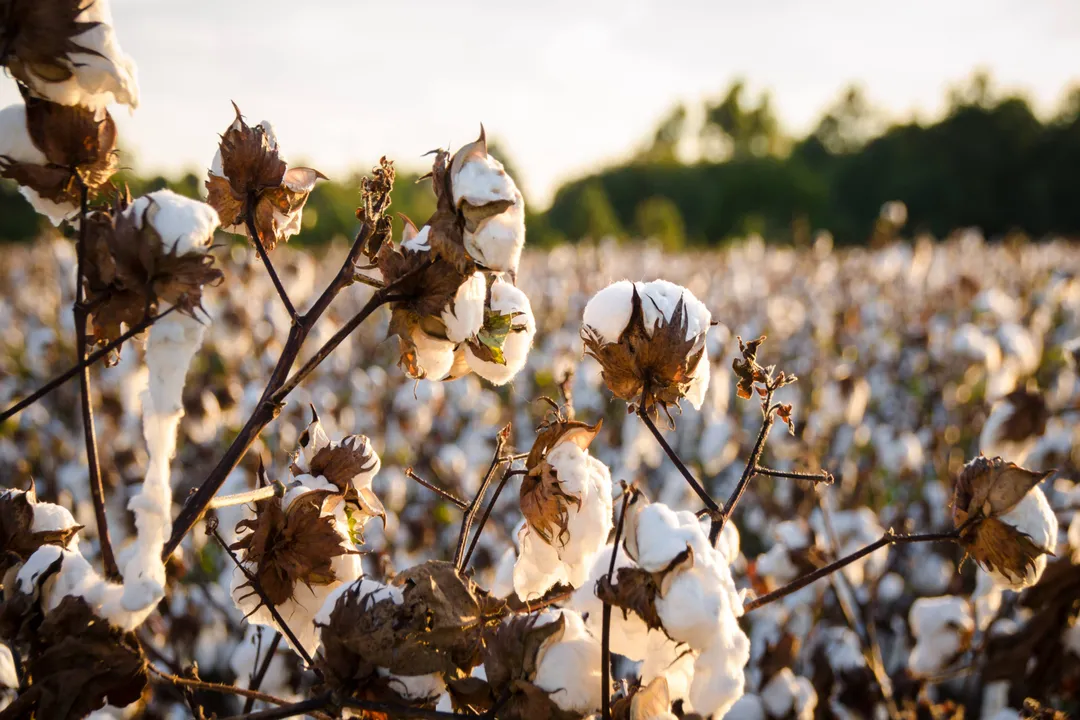
Cottonseed, a product derived from the same plant that yields cotton fiber, has long occupied a specialized niche in the food supply chain, primarily as a source of oil and a robust protein supplement for livestock. [2][7] For decades, the direct consumption of cottonseed products by humans was generally avoided or restricted due to the presence of a naturally occurring compound known as gossypol. [1][7] This chemical defense mechanism for the cotton plant presents a real toxicological hurdle for non-ruminant species, including people. [3] The central question regarding human safety hinges entirely on how this gossypol is managed, removed, or bred out of the final product.
# Gossypol Concern
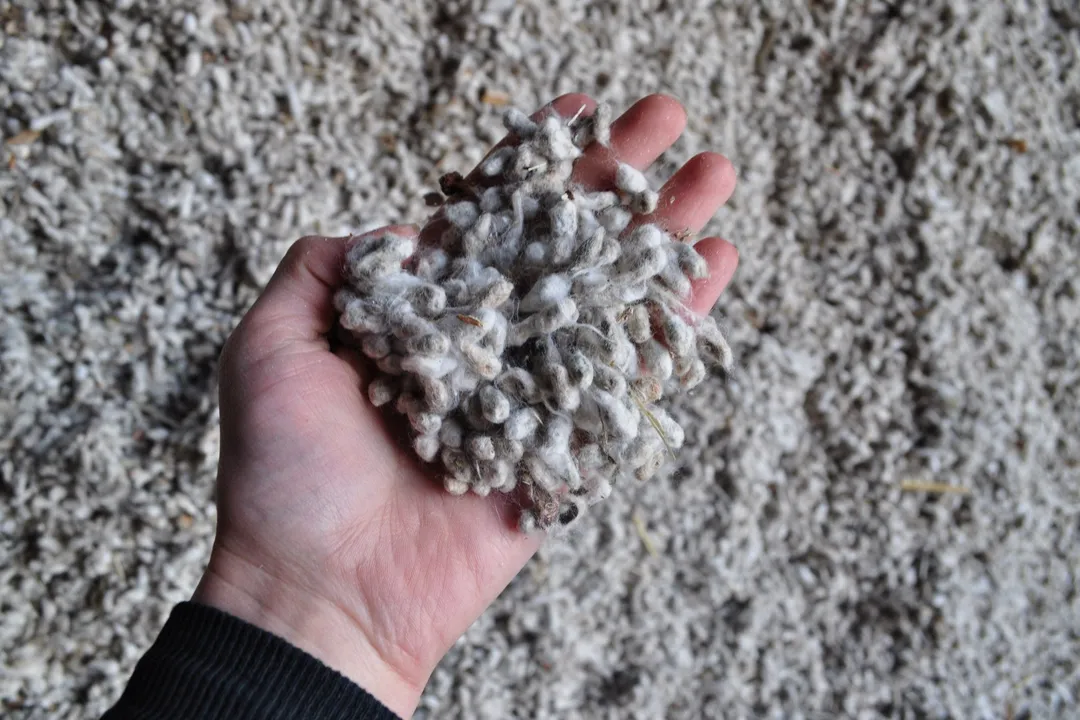
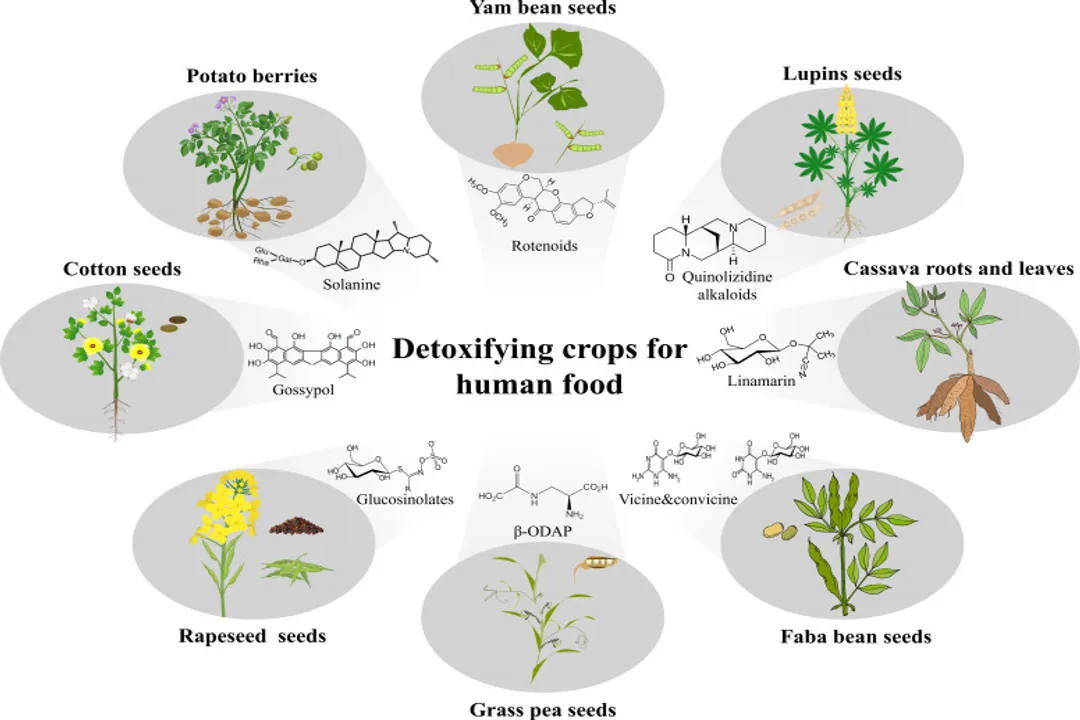
Gossypol is a yellow, toxic polyphenol found naturally in the seeds of the cotton plant. [7] Its presence serves a biological function, acting as a defense against pests, but it poses a risk to consumption. [7] The mechanism of toxicity differs between species, which explains some historical confusion regarding cottonseed use. [3] Ruminants, such as cattle, possess a specialized digestive system—specifically, the rumen—that can effectively detoxify or neutralize gossypol, allowing them to safely utilize cottonseed meal as a protein source. [3][7] In contrast, non-ruminants, like swine, poultry, and humans, lack this detoxification capacity, making direct consumption of untreated cottonseed problematic and potentially harmful. [3] Historically, this meant that high levels of gossypol in the meal necessitated careful processing or relegated it almost exclusively to cattle feed. [2]
# Oil Processing
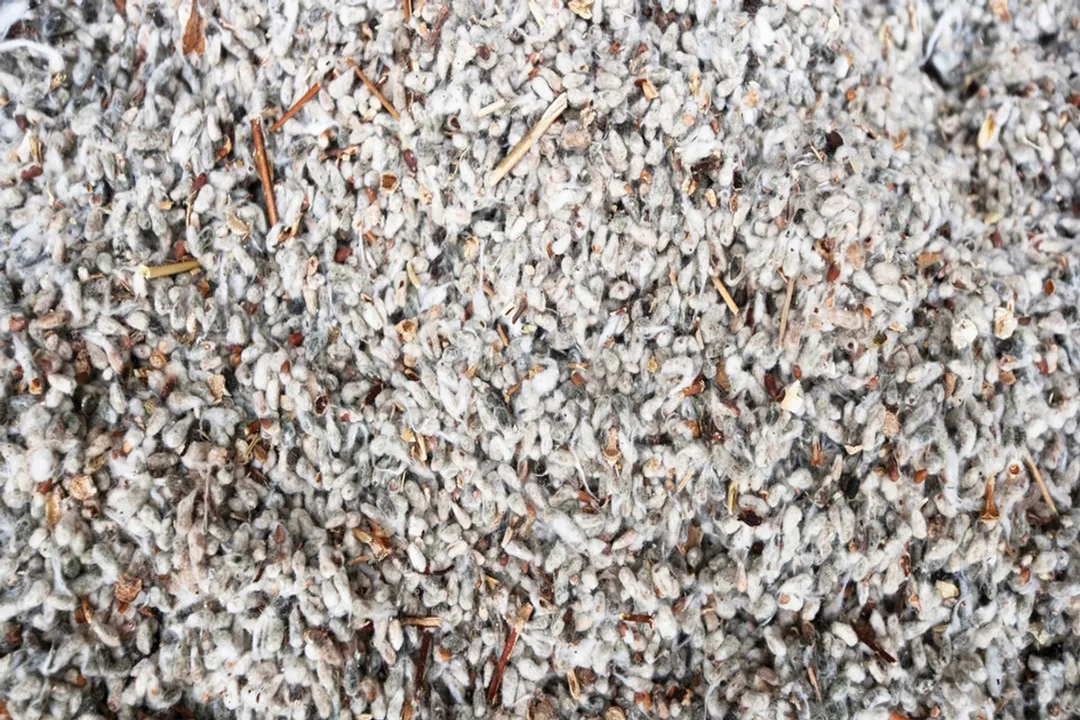
It is important to differentiate between the meal, the whole seed, and the oil derived from it, as their safety profiles vary significantly based on processing. [5] While the raw seed contains gossypol, the oil extracted from cottonseed is often deemed safe for human use in many refined food products. [5] This is because the intensive refining, bleaching, and deodorizing steps necessary to create food-grade cottonseed oil are highly effective at removing the majority of the residual gossypol. [5] This refining process strips away the undesirable pigments and compounds, leaving behind a relatively pure fat that meets food safety standards. [5] However, this process does not address the fate of the meal left behind after oil extraction, which remains concentrated in protein but also in any residual gossypol not removed during the oil extraction phase, unless the seed source itself was genetically modified. [2][5]

# Genetic Innovation
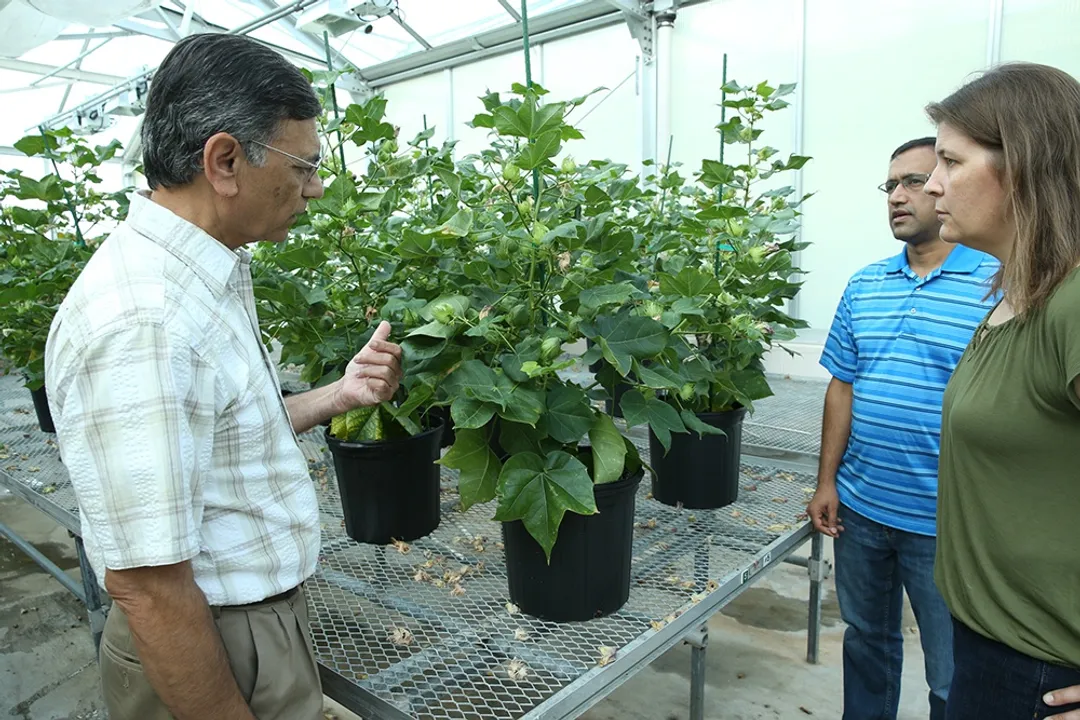
The major turning point in the story of cottonseed for human consumption is rooted in decades of agricultural biotechnology and plant breeding, primarily involving efforts to create ultra-low gossypol cottonseed (ULGCS). [1][9] Researchers, notably those at Texas A&M AgriLife Research, focused on breeding new varieties of cotton where the gossypol is naturally present at significantly lower levels in the seed itself. [1][4] The goal was not merely to refine the toxin out of the product, but to engineer the seed to produce little to no toxin in the first place. [9] This innovation allows the meal byproduct to be treated as a viable, high-quality protein source rather than a toxic byproduct. [6]
When discussing the concentrations, we are looking at a massive reduction. Traditional cottonseeds might contain gossypol levels that are incompatible with human safety standards, whereas the ULGCS varieties achieve levels so low that they meet regulatory requirements for direct human intake. [6] This achievement represents a significant scientific validation that has opened a new category of food ingredient derived from cotton. [9]
# FDA Approval
The critical step for translating this genetic breakthrough into consumer reality was regulatory clearance. [4] In a decision that marked a potential shift in global nutrition, the U.S. Food and Drug Administration (FDA) approved the use of ultra-low gossypol cottonseed for both human and animal consumption. [4] This official authorization confirms that the processed meal derived from these specific seed varieties is safe for people to eat. [4][9] The approval signals confidence in the data demonstrating that the gossypol levels in the final meal product are negligible and pose no health risk. [1] This regulatory gate opening is what distinguishes ULGCS from all previous cottonseed meal iterations when considering its market potential for human food applications. [6]

# Protein Potential
The safety confirmation transforms cottonseed meal from an agricultural co-product into a potential staple food ingredient. [4] Cottonseed meal is already recognized for its excellent nutritional composition, being rich in protein. [2][7] When processed from ULGCS varieties, this protein becomes accessible to the human diet, offering a substantial, sustainable source of essential nutrients. [4] Considering the global need for affordable, high-quality protein, this development carries implications that stretch far beyond local food markets. [6] If this ingredient can be scaled and economically integrated, it could offer a meaningful contribution toward alleviating food insecurity worldwide. [6] For the average consumer looking at ingredient labels, the potential is similar to that of soy or pea protein—a concentrated, plant-based source of building blocks for the body, but derived from a crop that might already be grown in their region for textile purposes. [1]
# Market Availability
While the FDA approval provides the necessary green light, the actual presence of ULGCS meal in consumer products is a separate logistical challenge. [4] The immediate consequence of the approval is that the food industry can begin to formulate products using this novel ingredient, but the supply chain must adapt. [1] Currently, the vast majority of cottonseed meal produced still comes from conventional varieties designated for animal feed. [2] For a ULGCS product to reach a grocery shelf, the cultivation, harvesting, ginning, and subsequent processing facilities must segregate and specifically handle the ULGCS crop to prevent cross-contamination with conventional seeds. [1] This segregation adds complexity and cost to the initial market entry. [4]
This transition phase requires establishing trust and consumer awareness. For instance, a consumer accustomed to seeing soybean or lentil flour in a high-protein snack bar will need education to recognize and accept a product containing ultra-low gossypol cottonseed flour as equivalent in safety and quality. [9] The success of this ingredient will rely heavily on transparency from manufacturers about the specific processing steps used to ensure that the final product adheres strictly to the FDA guidelines established for the ULGCS varieties. [1]
When you compare the existing infrastructure—which is optimized for massive animal feed distribution—to the requirements of the human food sector, one realizes the scale of the required overhaul. For example, a dairy farm might receive a semi-truck load of standard cottonseed meal weekly without rigorous batch testing for gossypol levels because the cows can handle variance. [8] Conversely, a human food manufacturer requires documented, validated purity for every single batch, demanding completely separate storage silos and transport lines, which is an investment that takes time to realize. [4]
Furthermore, thinking about local food systems, imagine a region primarily growing cotton for textiles. If local farmers adopt ULGCS varieties, they create an immediate local source of protein that drastically cuts down on transportation emissions associated with importing meat or soy meal, providing a localized environmental benefit alongside the nutritional one. [2] This localized supply potential is something that perhaps traditional cottonseed processing, bound by gossypol concerns, could never offer to human diets. [6]
The safety assurance for humans rests squarely on the ultra-low designation. [4] If a product simply uses "cottonseed meal" without the ULGCS specification, the assumption must remain that it is intended only for regulated animal use due to the inherited risk of higher gossypol content. [3] The scientific effort delivered the safe ingredient; the market effort now involves ensuring that safety specification is maintained from the farm gate to the final packaged food item. [9] This ingredient represents an example of targeted agricultural science directly addressing a global health objective by unlocking a substantial, previously unusable byproduct stream. [6]
Related Questions
#Citations
New GMO Cottonseed Safe For People To Eat
Pioneers of Progress - Cottonseed - Cotton Incorporated
Multiple strategies to detoxify cottonseed as human food source - PMC
Dual-purpose cotton may boost global nutrition security
Why is cottonseed oil, which is not safe for consumption, used in ...
Ultra-low gossypol cottonseed could reduce world hunger
Cotton 101: Can you eat cotton or cottonseed?
Is cotton seed in dairy meal digestible? - Facebook
Cottonseed for Human Consumption? | NC State Extension