What plants are edible for humans?
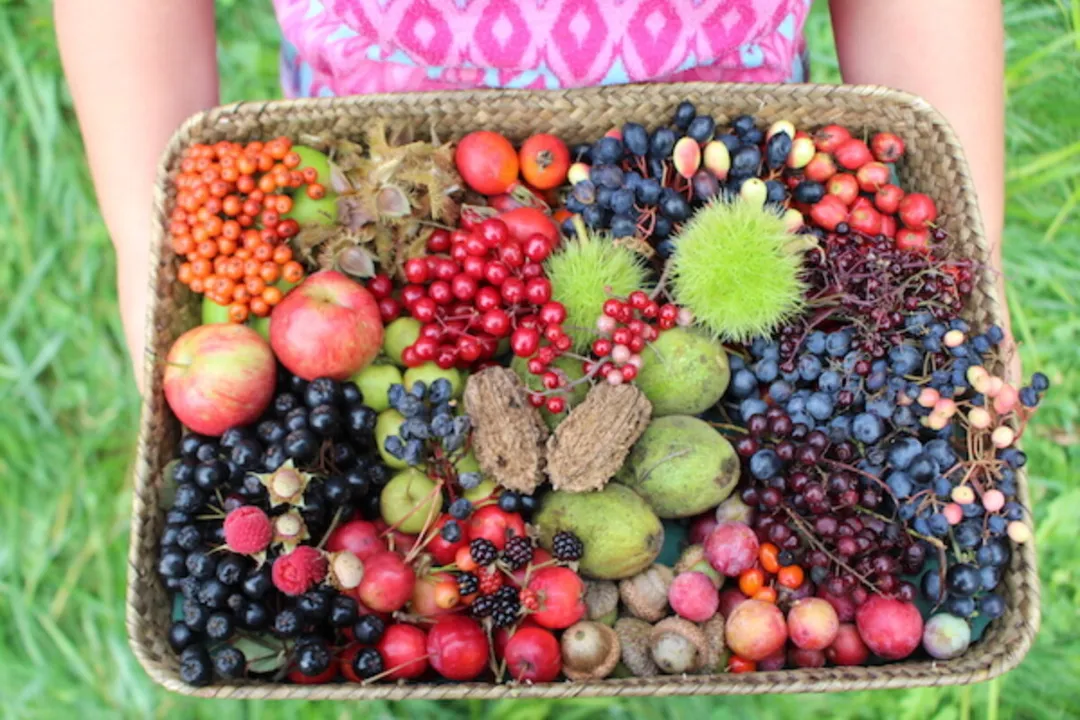
The world around us is filled with unrecognized food sources, many of which are often dismissed as simple weeds or common greenery found along trails and in forgotten corners of yards. [1][7] Learning which plants are safe for human consumption opens up a completely different perspective on the landscape, turning a simple walk into a potential harvest. [2] However, this exploration demands absolute certainty; mistaking one plant for another can have severe, even fatal, consequences. [8] Therefore, the first principle of engaging with wild edibles is not identification of the safe, but rather the absolute confirmation of any potential danger. [8]
# Identification Certainty
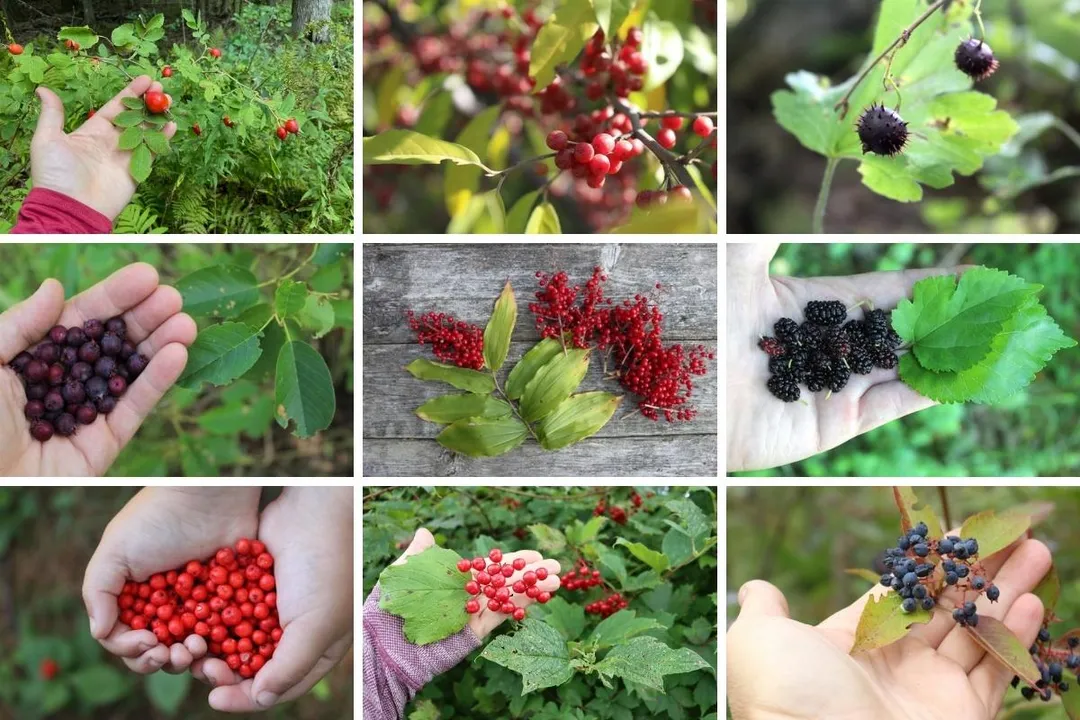
Understanding edible flora requires dedication far beyond simply matching a picture to a specimen. Expertise in this area is built on repeated, careful observation across different seasons. [3] Many common guides list plants that are familiar across the United States, such as various types of clover, plantain, dandelion, and chickweed. [7] These common finds often serve as excellent starting points because they are widespread and relatively easy to identify once you know the key distinguishing features. [4] For instance, understanding the difference between the basal rosette of a true plantain and other similar-looking leaves is crucial for successful foraging. [1]
It is important to recognize that edibility can be highly dependent on the part of the plant being consumed and its stage of growth. For example, while some roots are starchy and nutritious, others might be toxic, and many greens must be cooked to break down mild irritants or improve palatability. [3] A simple approach for beginners often involves focusing on plants where every part—root, leaf, stem, and flower—is known to be safe, like the ubiquitous dandelion, though even here, the slightly bitter flavor of mature leaves often sends people toward young spring shoots. [7]
# Native Staples
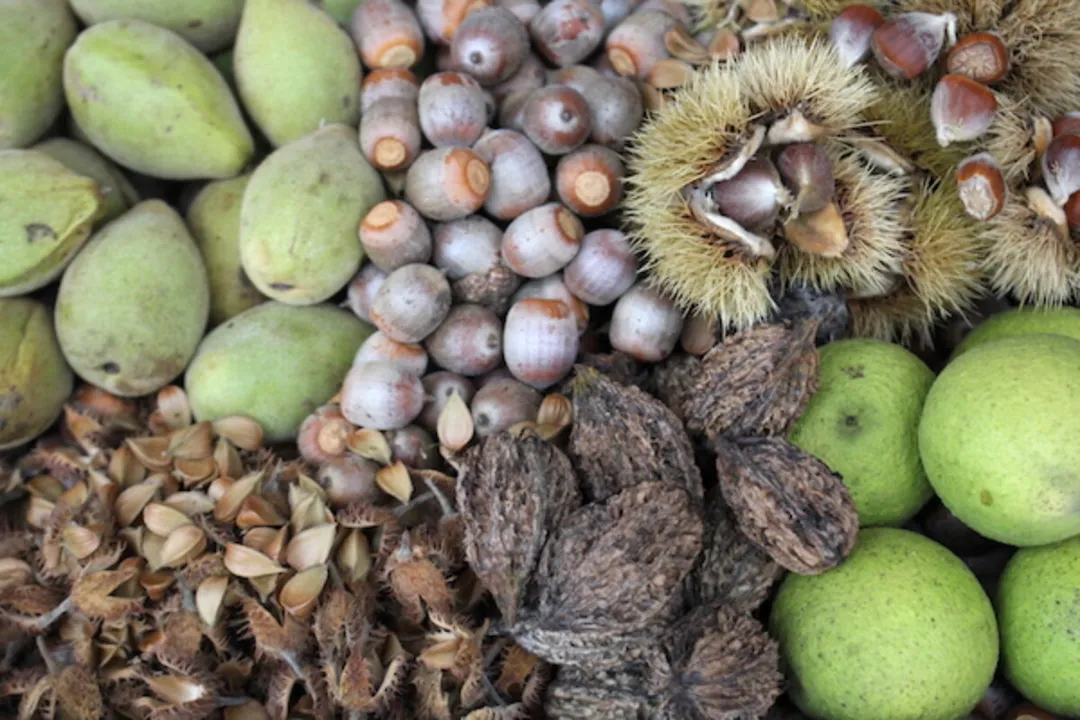
While foraging often focuses on widely naturalized "weeds," paying attention to native edible plants can offer unique nutritional profiles and support local ecosystems. [6] In certain regions, like the Mid-Atlantic, specific native plants provide reliable food sources throughout the year. [6] For example, some native berry producers, certain members of the mint family, and specific native nuts offer opportunities that non-native species do not. [6] Focusing on natives also often aligns better with sustainable harvesting practices, as you are utilizing species already adapted to the local environment. [3] Comparing a common wild violet (which has edible flowers and leaves) to a native wood sorrel, which provides a distinct lemony tang from oxalic acid, illustrates how local knowledge broadens the palate beyond general survival lists. [6][7]
When assessing plants, it is useful to categorize them based on what part you intend to eat. A reliable approach for assessing the baseline edible profile of a region involves looking at grasses, which provide seeds (grains), and tap-rooted broadleaf plants (for roots/greens). [2] A fascinating application of local knowledge is noticing how different indigenous groups traditionally utilized the same patch of land; for example, one community might have relied heavily on the inner bark (cambium) of a certain tree for sustenance during lean times, while another might have used the same tree only for wood or medicine. [3]
# Dangerous Look-Alikes
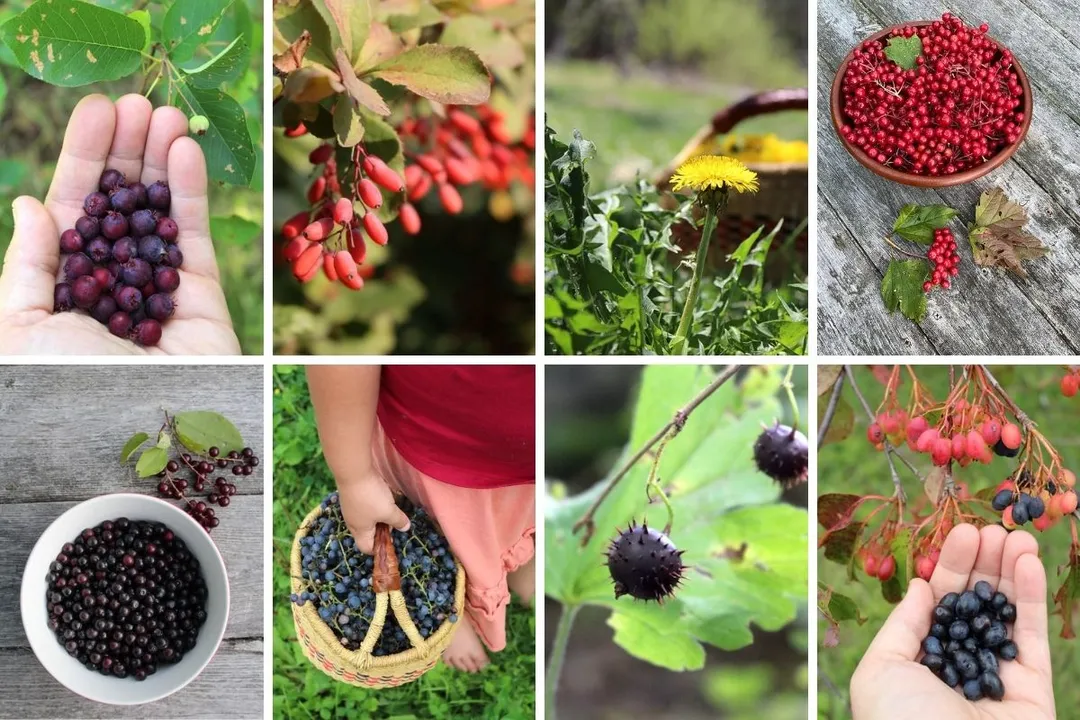
The most pressing reason for extreme caution in foraging is the existence of toxic look-alikes, often referred to as "killer cousins". [8] Many common edibles have highly poisonous twins that can be easily mistaken for their safe counterparts if one relies only on a superficial glance. [8] This situation is one of the primary reasons survival experts stress knowing exactly what you are dealing with, sometimes requiring microscopic examination or chemical testing in professional settings, though for general foraging, detailed botanical knowledge is key. [1][8]
Consider the carrot family (Apiaceae), which contains both nutritious edibles like wild carrot (Queen Anne's Lace) and deadly members like poison hemlock and water hemlock. [8] The differences can be subtle—the shape of the umbel, the hairiness of the stem, or specific markings on the root. [8] Another classic example involves plants that produce white berries; while some are safe in moderation, many others are highly toxic. [4] If you are foraging something that has a known toxic relative, it should be avoided entirely unless you are confident beyond any shadow of a doubt about its identity. [8] Never rely on taste or smell as a definitive test for toxicity; many deadly substances are odorless and tasteless in lethal doses. [1]
# Sustainable Harvesting Ethics
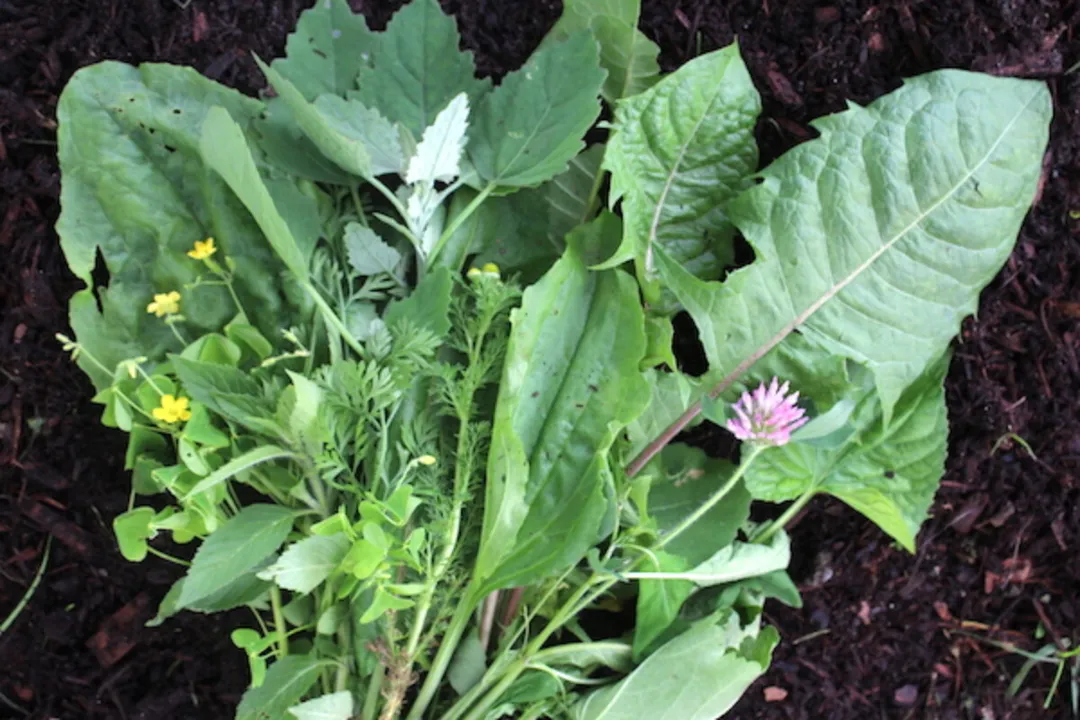
The privilege of gathering food from the wild comes with a responsibility to ensure the resource remains available for the future. [3] Thinking sustainably means adopting harvesting practices that prioritize the health of the plant population over immediate personal gain. [3] This involves a concept often overlooked by novice foragers: never take more than a small percentage of what is available in any given patch—a rule of thumb is often cited as no more than 10% or 20%. [3][4]
For perennial plants that reproduce via root systems, excessive harvesting of the root can kill the entire local colony, making root harvesting one of the most sensitive activities. [3] When harvesting leaves, always ensure you leave the central growing point intact to allow for quick regrowth. [1] Furthermore, understanding the local regulations and private property rights is an essential first step before even considering a harvest; accessing land illegally is not only unethical but also illegal. [2] A good principle is to practice "light-foot" foraging: if you are unsure if a patch can support your harvest, leave it untouched. [3]
# Field Safety Protocols
When heading out to identify and collect edible plants, a structured approach vastly increases safety and success. This process moves beyond simply knowing the plant's name to knowing its life cycle, habitat, and potential contaminants.
Here is a practical checklist for any foray into wild food gathering:
- Positive Identification (The Rule of Three): Identify the plant using at least three independent, reliable resources (e.g., two different field guides and an experienced mentor). [1] If you can only confirm it with one source, leave it alone.
- Location Awareness: Never harvest near roadsides, industrial areas, or chemically treated lawns. [1] Plants readily absorb pollutants, heavy metals, and pesticides from the soil and exhaust fumes, rendering even otherwise edible species unsafe. [3]
- Check for Look-Alikes: Before cutting anything, explicitly identify its most dangerous toxic twin and confirm your specimen lacks all of the twin's warning signs. [8]
- Test a Small Amount (For New Species): If you are consuming a plant for the very first time, even after positive identification, prepare a very small portion and eat only a tiny bite, waiting 24 hours to check for adverse reactions, especially if you have known sensitivities. [2]
- Preparation Method: Determine the required preparation. If the plant must be boiled, steamed, or processed in a specific way (like removing spines or specific seeds), do not consume it raw. [7]
Applying this checklist rigorously means that identification is not a single action but a multi-layered confirmation process. If you are gathering something like wild onion or garlic mustard, you can often confirm the smell as an additional check, but this sensory confirmation should only be used to support visual identification, never replace it. [7]
# Beyond the Green Bits
Many people assume "edible plant" means "edible leaf," but the true diversity of wild food comes from recognizing the value in different morphological parts. [2] For instance, while some plants are valued primarily for their greens, their flowers might be delicate salad additions, and their mature seeds can be ground into flour or oil. [6]
Consider the process of utilizing a single resource like a common type of oak tree. The leaves are generally not consumed due to high tannin content, but the acorns are a major source of calories once properly leached to remove the tannins—a complex but rewarding preparation. [1] Conversely, flowers from certain legumes or brassicas might be eaten raw in summer, while their seeds (pods) would be inedible or bitter later in the year. [4] This diversification means that a single, well-understood plant can provide sustenance across multiple seasons by targeting different components. For example, in early spring, one might seek the tender new shoots of a specific fern, move to its fiddleheads in mid-spring, and later harvest its mature spores or seeds in the fall, assuming the species is confirmed safe for all those stages. [1]
When moving from foraging survivalism to incorporating these plants into a daily diet, experimentation with preparation becomes key. Many people find that slightly bitter greens like mature dandelion or lamb's quarters become far more palatable when sautéed with salt and fat, which rounds out the flavor profile. Furthermore, the mineral density in wild greens often surpasses that of cultivated varieties; for example, the high iron content found in spinach pales in comparison to that found in certain wild amaranth varieties, making the effort of careful identification a true nutritional investment. [7]

# Culinary Context and Flavor Profiles
Successfully integrating foraged finds into the kitchen requires an understanding of their inherent flavor profiles, which are often much bolder and more complex than their store-bought counterparts. [7] Wild plants have not been bred for mildness; they often contain natural compounds that provide sharp, peppery, or acidic notes. [6]
For example, sorrel offers a distinct, clean sourness due to its oxalic acid content, making it excellent as a natural substitute for lemon juice in dressings or soups, much like wood sorrel found in native landscapes. [6] Purslane, another common edible, has a slightly succulent, almost crisp texture and a mild, subtly tart flavor that works beautifully in cold salads where its succulence can shine. [7] If you find wild garlic or onion species, their allium flavor is often more pungent and complex than commercially grown varieties, meaning you can use less to achieve a strong flavor base in stocks or stir-fries. [7]
When you begin comparing, you might note that the flavor derived from wild lettuce (lactuca species) is often milky or slightly bitter—a characteristic that can be controlled by blanching the leaves before serving, which tames the latex while retaining some of the interesting texture. [4] This direct flavor comparison highlights why a seasoned forager might actively seek out a slightly "bitter" green over a cultivated one; that bitterness often signifies high concentrations of beneficial phytochemicals and stronger flavor complexity. [3] Successfully harvesting and preparing these plants transforms simple survival skills into a truly artisanal connection with your immediate environment.
#Videos
25 Edible Plants, Berries and Trees for Wilderness Survival - YouTube
Related Questions
#Citations
100+ Wild Edible Plants to Forage ~ Forager's Bucket List
Wild Edible Plants and Weeds - Yost Survival Skills
Thinking Sustainably: Wild Edible and Medicinal Plants
A Cool Guide To Edible Wild Plants : r/coolguides - Reddit
25 Edible Plants, Berries and Trees for Wilderness Survival - YouTube
Edible Native Plants for Earth Renewal | Virginia, USA
What are common edible plants in the United States? - Quora
8 Edible Plants (and Their Killer Cousins!) - Adventure Medical Kits