What does fit for human consumption mean?
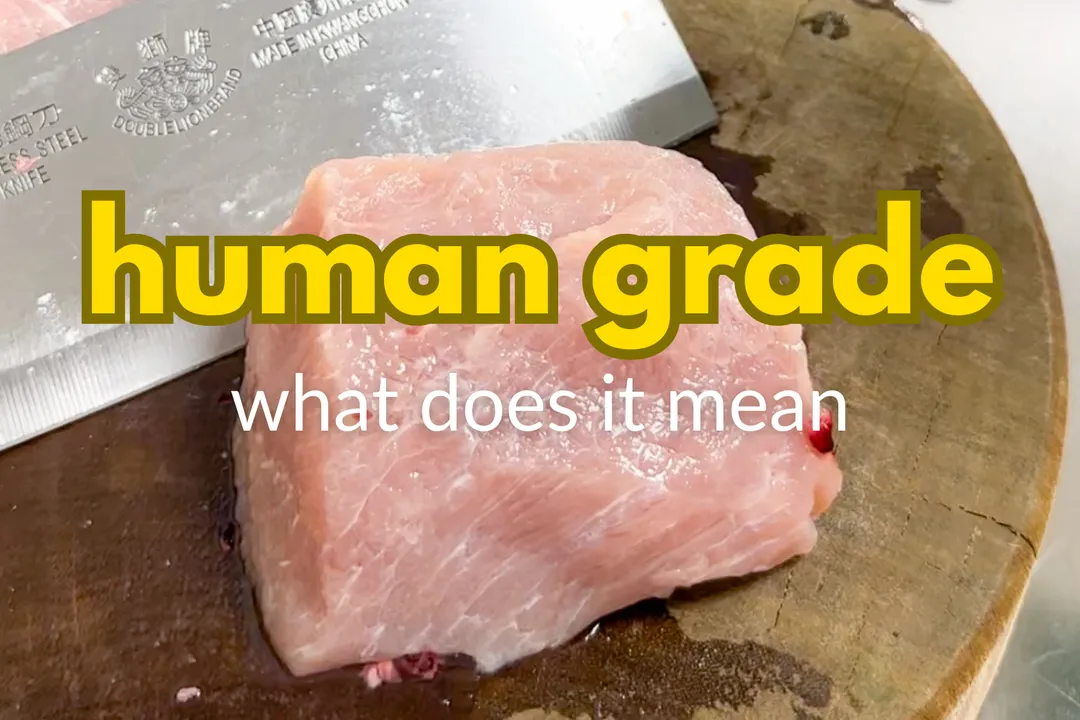
The phrase "fit for human consumption" serves as a critical demarcation line in commerce and regulatory compliance, signifying that a substance or product meets specific safety and quality standards required for ingestion by people. At its most fundamental level, it implies that the material is not inherently poisonous, contaminated, or otherwise harmful when eaten. For instance, the Cambridge Dictionary defines being "fit for human consumption" as suitable to be eaten by people. The legal and commercial contexts, however, often add layers of specificity to this basic requirement.
# Legal Standard
Regulatory bodies worldwide establish the benchmarks for this classification, which vary depending on the jurisdiction and the specific commodity being evaluated. The definition is not static; it changes based on the governing law or contract under which the product is being assessed. In a contractual setting, "fit for human consumption" is often defined by reference to applicable laws, regulations, or governmental orders concerning food safety.
In specific regional governance, this concept is codified. For example, in Washington State law, a statute concerning adulterated meat and poultry products addresses this standard by detailing circumstances under which products are deemed unfit. The Revised Code of Washington (RCW) section 69.80.031 notes that any meat or poultry product is considered adulterated if it has been prepared, packed, or held under insanitary conditions whereby it may have become contaminated with filth or rendered injurious to health. This illustrates that the concept extends beyond just the ingredient itself to how it was handled during processing. A product might be made of safe ingredients, but if the facility processing it is unsanitary, the final product loses its "fit for human consumption" status because it risks contamination.
# Consumption Contexts
The phrase itself appears in various contexts, often when a product should be safe but isn't intended for people, or when a product is being diverted from its primary, higher-grade market.
# Labeling Exceptions
One common place consumers encounter this terminology is on products intended for animals, such as pet food or feed ingredients. When a product is labeled as not fit for human consumption, it is signaling adherence to a different set of standards that may be less stringent than those required for direct human food. Ingredients destined for animal feed might be byproducts or materials that would not pass the safety checks for a grocery store shelf but are perfectly safe for the target animal.
There is a notable distinction between the general legal standard and the specific marketing term "human-grade." While "fit for human consumption" suggests safety from contamination and poison, "human-grade" usually implies that every single ingredient in the final product meets the same standards required for food intended for people, suggesting a higher overall quality threshold for sourcing and processing. For example, a dog treat labeled "human-grade" means the meat, vegetables, and even the preservatives used must all be food-grade quality, whereas a treat simply labeled as safe for consumption might use feed-grade components that are deemed acceptable for dogs but not necessarily for humans. Thinking about this practically, if you see a bag of flour marked only as "fit for human consumption," it meets baseline safety, but a "human-grade" flour implies it was milled and stored in a facility adhering to the strictest food safety protocols, perhaps even a step above what is legally required for basic commodity flour.
# Figurative Usage
Beyond physical food safety, the term has a figurative, idiomatic application, particularly when discussing information or media. When someone states that something is not fit for public consumption, they mean it is inappropriate, too controversial, or potentially damaging if widely released or viewed. This is a metaphorical extension, where the "consumption" is the reading or viewing of the material, and the "fitness" relates to social or professional acceptability rather than biological safety. For instance, internal corporate documents filled with embarrassing discussions might be deemed "not fit for public consumption".
# Institutional Food Status
Another context where the phrase arises is in discussions surrounding institutional food supplies, such as meals served in correctional facilities. Some reports or discussions mention food served to prisoners being labeled as "not for human consumption" or simply being substandard. This label, whether official or anecdotal, typically implies that the food, while perhaps necessary for sustenance, does not meet the quality or preparation standards expected for the general public. It suggests that the food might contain lower-grade cuts of meat or ingredients that were diverted from the consumer market due to minor defects or nearing expiration, yet are still safe enough for the regulated environment they are served in. This highlights a sliding scale of quality even within the umbrella of "safe to eat."
# Deconstructing "Not Fit"
When a product is explicitly marked as not fit for human consumption, the reasons are varied, ranging from administrative status to actual physical danger.
# Administrative Status
Sometimes, the lack of fitness is administrative rather than chemical. For example, food items that have been donated or sold at a steep discount might carry this disclaimer. In certain instances, items are seized or sold off because they are slightly past the arbitrary "sell-by" date, even though the food remains perfectly safe to eat for a period afterward. A famous example from popular culture involves a fictional setting where a product is labeled this way, prompting humorous speculation that it means the ingredients were sourced from something bizarre, like a monster, when the reality is usually more mundane—perhaps the product was manufactured in a facility that also processes non-food items or was subject to a minor, non-safety-related regulatory breach.
# Actual Hazards
Conversely, the label can be a strict warning against genuine danger. This applies to materials that are intrinsically toxic or have been contaminated.
| Hazard Type | Example Implication | Standard Met |
|---|---|---|
| Chemical Contamination | Pesticide residue exceeds safe limits. | Fails baseline safety standards. |
| Microbiological Danger | Product harbors dangerous levels of pathogens like Salmonella. | Fails basic sanitation requirements. |
| Intentional Unsuitability | Product is an industrial chemical or non-food grade material. | Never intended for ingestion. |
| Processing Failure | Food exposed to poor sanitation during packing or storage. | Fails handling requirements. |
If a batch of meat has been processed without proper refrigeration, it might become not fit for human consumption due to bacterial growth, even if it was sourced from a good animal. The failure lies in the process, not necessarily the raw material.
# Consumer Interpretation
For the average person buying food, understanding this terminology helps decode labels, especially when purchasing specialty, imported, or reduced-cost items. If a term like "fit for human consumption" is present, it’s usually a confirmation that the product is intended for you, or at least meets the baseline for safe food processing. If the term is absent on a product that looks like food, one must default to the product's primary intended use (e.g., pet food) or look for the "human-grade" designation if higher quality is desired.
Here is an actionable checkpoint for assessing such labels when you encounter them:
- Check the Primary Market: Is this product clearly marketed for people, pets, or industrial use? If it's for pets, assume lower standards unless "human-grade" is specified.
- Look for Governing Body Approval: Does the packaging reference FDA, USDA, or local health department approvals? These bodies enforce the "fit" standard.
- Assess the Context: If you are buying a byproduct (like certain bone meals or rendered fats), the "not fit for human consumption" label is an expected disclaimer indicating it’s processed to feed standards, not consumer retail standards.
My own observation is that the true difference between "fit for human consumption" and "human-grade" often boils down to traceability and ingredient pedigree. A regulatory body requires a product to be "fit" if it's sold for people, meaning it won't make them immediately sick. However, a manufacturer seeking the "human-grade" distinction is voluntarily submitting every component—the spice blend, the coloring agent, the stabilizer—to the same rigorous scrutiny as a USDA prime steak, which is a higher bar of voluntary quality assurance. Consumers should recognize that the former is a minimum legal safety standard, while the latter is often a premium marketing promise about ingredient purity. Ultimately, the legal or contractual definition used will always dictate the true meaning in any specific transaction, making context paramount in interpreting this simple yet powerful set of words.
Related Questions
#Citations
FIT FOR HUMAN CONSUMPTION definition - Cambridge Dictionary
fit for human consumption Definition | Law Insider
RCW 69.80.031: Good samaritan food donation act—Definitions ...
Why does it say "Not fit for human consumption"?! : r/gravityfalls
What do we mean when we say our treats are 'human grade'?
I'm not fit for public consumption - English StackExchange
Why do they feed prisoners food that says not for human ... - Quora
Meat Inspection Online Course - Facebook