Can humans eat goby fish?
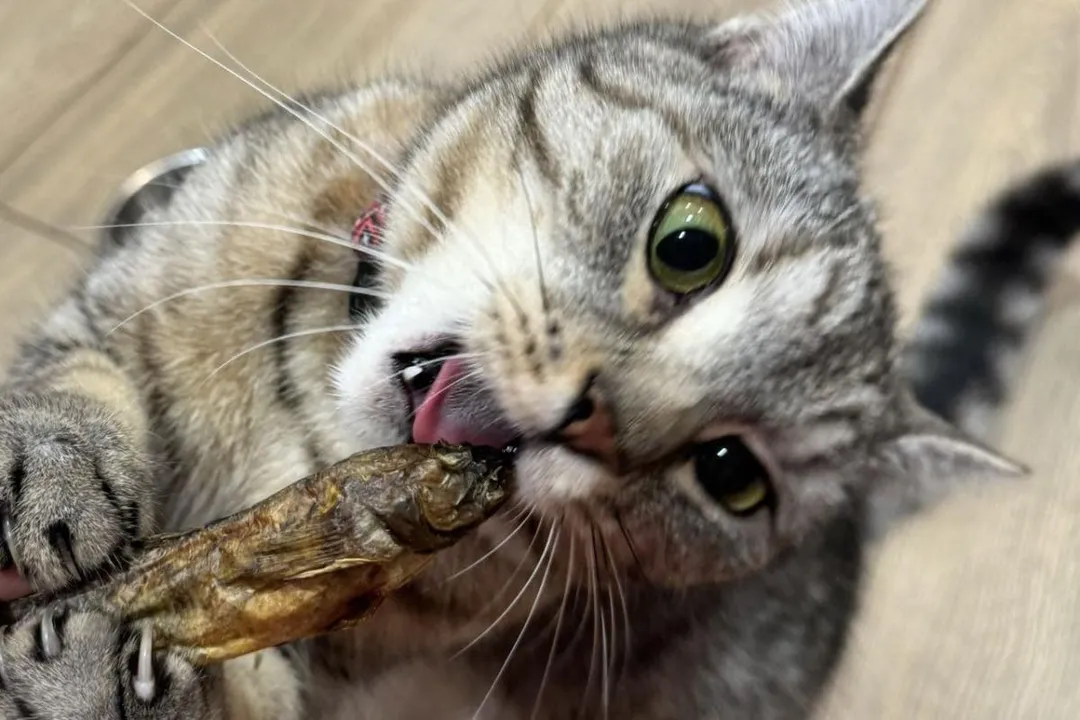
The question of whether a goby fish is safe or palatable for human consumption is far from a simple yes or no. The term "goby" covers a vast and diverse group of fish, and their suitability as food depends entirely on the specific species, where it lives, and local culinary traditions. In some parts of the world, gobies are prized delicacies, while in others, they are considered an ecological menace whose removal is encouraged, sometimes explicitly through consumption.
# Species Variation
When considering eating any goby, it is vital to distinguish between desirable, native species and the aggressive, invasive ones. For example, the Giant Marble Goby, known as Soon Hock in some regions, is highly valued and can command a premium price in certain markets. Similarly, smaller sand gobies and common gobies found along coastal Europe are often prepared simply, typically whole and fried until crisp.
The dynamic shifts dramatically when the discussion turns to the Round Goby (Neogobius melanostomus). This species, native to the Black and Caspian Seas, has become widely established as an unwelcome presence in North American Great Lakes systems and parts of the European Baltic Sea. In these invaded waters, the fish is often viewed as a pest that outcompetes native species for shelter and preys voraciously on native fish eggs.
# Invasive Management
For the highly invasive Round Goby, eating them has become a direct management tool. In the Baltic Sea region, for instance, the RoundGoby project is actively trying to overcome negative local perceptions to turn this ecological threat into a culinary asset, following the ethos: if you can’t beat them, eat them. Because the round goby population is not subject to the same catch limits as species like cod, large-scale removal through fishing is a valid conservation effort. Similarly, in the Great Lakes, anglers often kill the fish upon catching them, though whether they consume them or discard them varies greatly by jurisdiction and individual.
The complex ecological role of the Round Goby in the Great Lakes suggests that its removal impacts the food web in confusing ways. While they threaten native fish eggs, they also consume other invasives, notably Zebra and Quagga mussels. Moreover, many native predators, such as smallmouth bass, have incorporated the goby into their diet, leading some anglers to note that bass populations in these areas have grown significantly larger due to this abundant new food source.

# Preparation and Texture
For the smaller, generally more palatable species, preparation methods focus on maximizing crispness to deal with fine bones. A common recommendation is to coat them lightly in flour or cornmeal and pan-fry or deep-fry them until golden brown. For fish measuring between 5 and 15 centimeters, eating them whole after gutting is standard. This method bypasses the detailed work of filleting tiny, bony fish and turns the skeleton into an edible crunch. When dealing with these smaller specimens, one should expect a lean, white flesh that is prone to drying out if overcooked.
If you happen upon a larger goby, exceeding 20 centimeters, the approach can shift to more familiar whitefish preparations. These larger individuals can be filleted and then grilled, baked, or incorporated into fishcakes or broths. Some suggest that the texture is delicate, meaning careful, relatively quick cooking is necessary.
When considering the necessity of frying small gobies whole, it is worth noting that for very small fish, the skin-to-meat ratio is quite high. Even if one were to process the bones, the effort required to remove the skin and process the minute fillets might yield less actual edible meat than simply frying the entire creature crispy, which seems to be the practical takeaway from many who consume them this way.
# Health Risks and Contaminants
While some gobies are fine to eat, the edibility of the Round Goby, especially those from heavily industrialized or invaded waters like the Great Lakes, comes with serious caveats concerning environmental toxins. The primary concern stems from their main diet: Zebra Mussels. These mussels are filter feeders known to accumulate persistent contaminants from the water, such as PCBs and heavy metals.
When a Round Goby consumes these contaminated mussels, those toxins become bioaccumulated higher up the food chain. In certain areas, like Lake Michigan, some sources indicate that Round Gobies are officially on the "do not eat" list due to these high contaminant levels. Furthermore, Round Gobies can act as hosts for certain parasites, like trematodes, which have been known to infect humans.
In addition to chemical contaminants, a specific biological hazard related to the Zebra Mussel diet has been noted. Mussels can carry toxins that cause Botulism Type E, which can be fatal to birds and fish that consume the infected gobies.
Before preparing any goby caught from a non-native, freshwater environment, especially those known to consume filter-feeding mollusks, a responsible check must be made. If you are fishing in an area where the fish are known to be invasive, establishing clear local regulations is the first step toward safe consumption.
Here is a quick mental checklist for assessing the safety of consuming any goby caught outside of established culinary traditions:
- Identify the Water Body: Is it a known invasive habitat (e.g., Great Lakes, Baltic Sea)? If yes, proceed with extreme caution regarding contaminants.
- Determine the Diet: Does the fish feed heavily on filter feeders like Zebra Mussels? If yes, assume potential heavy metal or PCB load.
- Check Local Advisories: Consult state or regional fisheries/health departments for consumption advisories specifically for that species in that water system. Never rely solely on anecdotal advice from fishing forums.
- Cooking Method: If consumed, cook thoroughly. For small species, frying until the bones are completely brittle and crisp is the preferred method to mitigate any parasite risk.
# Legal Lines and Bait Laws
Regulations surrounding the disposition of invasive species like the Round Goby are strict in many regions, overriding any culinary interest. For instance, in Ontario, Canada, it is often illegal to be in possession of live Round Gobies, and this restriction can sometimes extend to dead specimens, meaning they cannot even be used as bait. Transporting them, even dead, is sometimes prohibited to prevent further spread. Anglers in infested areas are often legally required to kill them and leave the carcasses on the bank. These regulations exist to halt the geographic expansion of the species, which spreads via ship ballast water. Always check specific regional fishery rules regarding possession, disposal, and use as bait before moving or consuming any goby species you catch.
# Non-Edible Disposal
When consumption is ruled out due to size, location, or local laws, the disposal of these abundant, nuisance fish becomes an ethical consideration for conservation-minded anglers. Simply throwing them back is often illegal for invasives. Many in fishing communities opt to leave them on the shore for scavengers like gulls or mink, or use them as fertilizer for gardens. A more resource-conscious approach than simple disposal is brewing them into a liquid fertilizer, allowing the nutrients to cycle back into the soil, a practice sometimes referred to as turning "trash fish into garden gold". This method avoids simply feeding one invasive species (like stray cats) with another potentially contaminated one.
Related Questions
#Citations
Are gobies edible? - Quora
Gobies | Everything Eats Them | Fly Patterns | Smallmouth Bass | Trout
Round Goby in lake Erie | MonsterFishKeepers.com
Rounded goby massacre hate them so much : r/Fishing - Reddit
Dealing with the invasive round goby species in the Baltic Sea region
Round goby - Wikipedia