How do you eat scorpion fish?
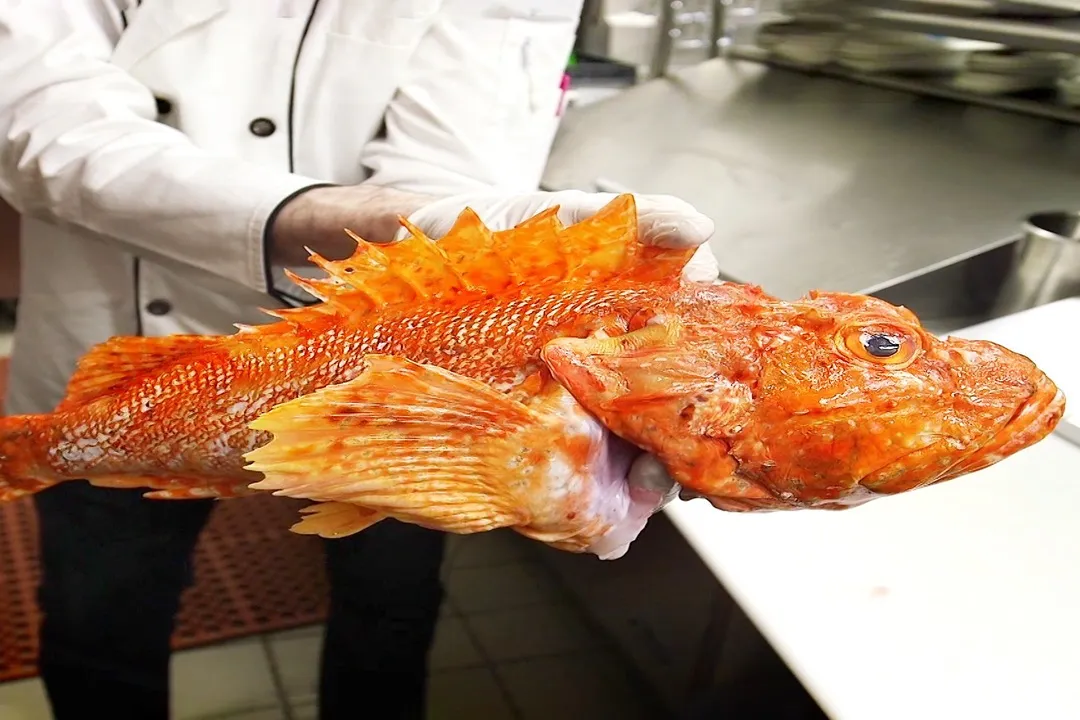
Handling a scorpion fish—a creature often known for its intimidating appearance and potent venom—for consumption requires careful attention to detail, especially regarding safety protocols before any cooking begins. [5][8] While they may look dangerous, once properly prepared, these fish are considered a delicacy by many who have tasted them. [1][7] The key to enjoying scorpion fish lies entirely in understanding and neutralizing the hazard posed by its venomous spines. [8]
# Venom Danger
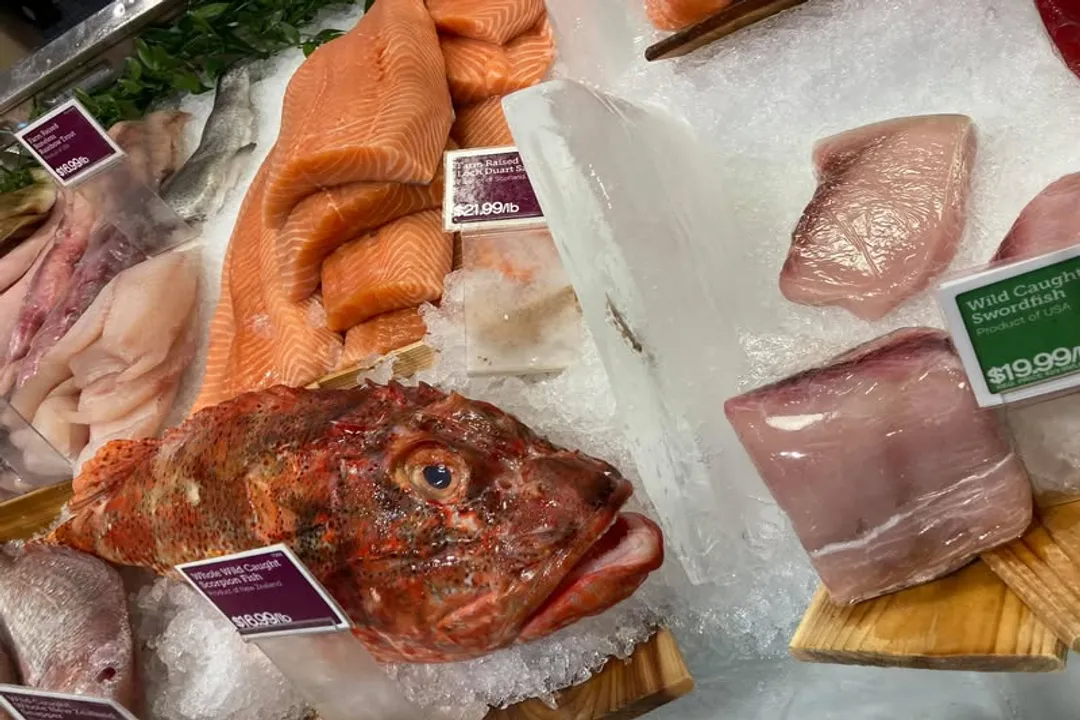
The primary concern with scorpion fish, which includes species like the lionfish, is the presence of venom in specialized spines along its body. [5] Specifically, venom glands are associated with the spines on the dorsal, anal, and pelvic fins. [5][8] This venom is heat-labile, meaning it is neutralized by heat, which is why proper cooking is essential for safety, not just palatability. [8]
When handling a live or freshly caught specimen, one must exercise extreme caution to avoid being stung. [1][7] Many experienced handlers advise wearing thick gloves when first processing the fish. [7] In the event of a sting, soaking the affected area in very hot water—as hot as can be tolerated without causing burns—is a common and often recommended first-aid measure, as the heat helps denature the venom proteins. [8] It is important to recognize that the venom itself is not the same as the flesh being toxic; the flesh is safe to eat provided the venom apparatus is completely removed. [5][8]
A critical practical step often demonstrated by those experienced with these fish is the immediate removal of the spines and the entire head region, which houses the highest concentration of venom glands, before proceeding with skinning or filleting. [1][7] Taking this initial step swiftly minimizes the risk of accidental exposure during the cleaning process. [7]
# Field Preparation
Preparing a scorpion fish for the table starts with a decisive field dressing procedure aimed at removing all venomous parts. [1] One approach involves using a strong knife or shears to carefully sever the dorsal fin area where the longest, most dangerous spines are located, often discarding the entire head section. [7] Because of the spines' structure, sometimes it is easier to use a tool like a pair of pliers or even strong shears to cut the spines off close to the body before attempting to fillet. [1]
Another method suggested by experienced anglers is to use a sturdy knife to carefully cut the fish along the back and belly, essentially separating the main body meat from the backbone, ensuring that the fins and their associated spines stay attached to the discarded parts. [2] This technique separates the edible muscle tissue from the most hazardous components in one go. It is often recommended to slice the fillets off the bone after the initial removal of the spine clusters to ensure no venomous tissue contaminates the meat destined for the kitchen. [1][7]
When processing, the removal of the guts, gills, and the head is paramount. [1] Since the venom is concentrated near the spines, a thorough rinse of the fillets under cold, running water after the initial butchering helps wash away any residual traces or fluids from the spine cavities. [7]
An important note derived from consistent handling advice is that the skin itself can sometimes harbor small, secondary venomous spikes or be irritating, so while some preparations leave the skin on for smoking or grilling (relying on heat), it is often best removed for pan-frying or baking to ensure absolute safety and a cleaner final product. [1][2]

# Cooking Techniques
Once the fish is safely cleaned and filleted, the firm, white flesh of the scorpion fish yields well to various cooking methods, much like many other firm-fleshed white fish such as snapper or cod. [1][7]
# Grilling and Smoking
For those who enjoy the smoky depth of flavor, scorpion fish works exceptionally well. One technique involves seasoning the whole, gutted fish—after all spines and heads have been removed—and placing it directly on the grill or into a smoker. [3][1] A slower, low-and-slow smoking process, perhaps around 225°F (107°C) for several hours, allows the meat to become incredibly tender while absorbing smoke flavor. [3] When grilling whole, ensuring the internal temperature reaches a safe level, well past where the venom could survive, is automatic, but checking for doneness is still key—the flesh should flake easily with a fork. [7] For a simple grilled presentation, rubbing the fillets with olive oil, salt, pepper, and perhaps some lemon juice before placing them over medium-high heat yields excellent results. [1]
# Frying Methods
Scorpion fish fillets are firm enough to withstand the process of deep-frying without breaking apart, making them a great candidate for classic battered fish dishes. [7] A simple batter, perhaps a mix of flour, cornstarch, and a carbonated beverage for lightness, works well when frying in oil heated to about 375°F (190°C). [4] Frying transforms the exterior into a crispy shell while keeping the interior moist and flaky. [4] This method is particularly effective at masking any slight, earthy undertones the fish might possess, delivering a straightforward, satisfying meal. [7]
# Alternative Preparations
Beyond the high-heat methods, the meat can also be baked or pan-seared. Pan-searing is excellent for showcasing the natural texture of the fish. Using a hot, lightly oiled cast-iron skillet allows for a beautiful crust to form quickly on the outside of the fillet while the inside finishes cooking through gentle heat conduction. [2] Baking, often done covered with foil or parchment (en papillote) with aromatics like herbs, butter, and white wine, steams the fish gently, preserving maximum moisture. [2]
An original consideration for chefs: Because the texture is firm, consider treating it almost like a small steak when deciding on portion size. If you are serving large, thick fillets, giving them an extra minute or two on indirect heat after searing can ensure the center is fully cooked without scorching the exterior, an advantage over more delicate white fish that might dry out easily.
# Flavor Profile and Texture
When discussing the eating experience, many sources align on the general quality of scorpion fish flesh. The texture is frequently described as firm, yet it flakes apart nicely when cooked correctly. [1][7] This firmness is a significant advantage, as it prevents the meat from turning mushy during aggressive cooking methods like smoking or grilling. [3]
In terms of taste, common comparisons draw parallels to commercially popular species. Reviewers often note that the flavor is mild and clean, sometimes likened to snapper or grouper. [1][7] It generally lacks a strong "fishy" taste, making it appealing to those who prefer subtler seafood flavors. [2]
# The Liver Question
A specific part of the scorpion fish that generates interest, though caution is warranted, is the liver. [6] In many fish species, the liver is prized for its rich, buttery texture and flavor, often being consumed after being lightly cooked, sometimes even served raw in certain high-end sushi preparations, much like monkfish liver (ankimo). [6]
However, when dealing with species that accumulate environmental toxins or, in this case, possess potent venom, the liver presents an increased risk. While the flesh's venom is heat-labile, the concentration of any stored toxins or residual venom components in the liver remains a point of concern for many consumers. [6] It is a departure from standard practice to consume the liver of a venomous fish, and this practice should be approached with extreme skepticism unless one has absolute, verifiable confirmation that the specific species being consumed poses no long-term accumulation risk in its organs. [6]
A comparative thought on richness: While the flesh is clean, if you seek an unctuous mouthfeel without risking the liver, basting the fillets with clarified butter or good quality olive oil during the final minutes of cooking, particularly when pan-searing, can mimic some of the richness associated with fatty organ meats, providing a safer avenue for indulgence.

# Final Considerations
Eating scorpion fish moves beyond simple preparation; it becomes an exercise in respect for the unique biology of the fish. [5] The initial hurdle—safe handling and de-venomization—is the absolute prerequisite for enjoying the reward. [8]
The process demands precision: Gloves on, spines off, head off, then cook thoroughly. [7][8] If you are unsure about the exact species or its local handling history, sticking to thoroughly cooked fillets that have had the entire head and spinal area discarded offers the highest degree of confidence. [1][5] When cooked correctly, this often-feared fish presents a firm, mild, and highly enjoyable culinary experience that rewards the careful preparer. [7] The firm texture means it stands up well to assertive seasonings and high-heat cooking, making it versatile in the kitchen once the initial danger is managed. [3][4]
#Videos
Can You Eat Scorpion Fish?! Texas Catch and Cook - YouTube
Catch and Cook Scorpion Fish (Poor Mans Lobster ... - YouTube
How To Clean A Scorpion Fish - YouTube
Related Questions
#Citations
Can You Eat Scorpion Fish?! Texas Catch and Cook - YouTube
Grilling red scorpion fish safely and effectively - Facebook
Delicious Grilled Roasted Scorpionfish Recipe - TikTok
eating scorpion fish - Ausfish Australian fishing Forums
Can you cook/eat Scorpionfish liver? - Reddit