Is sea bream a good fish to eat?
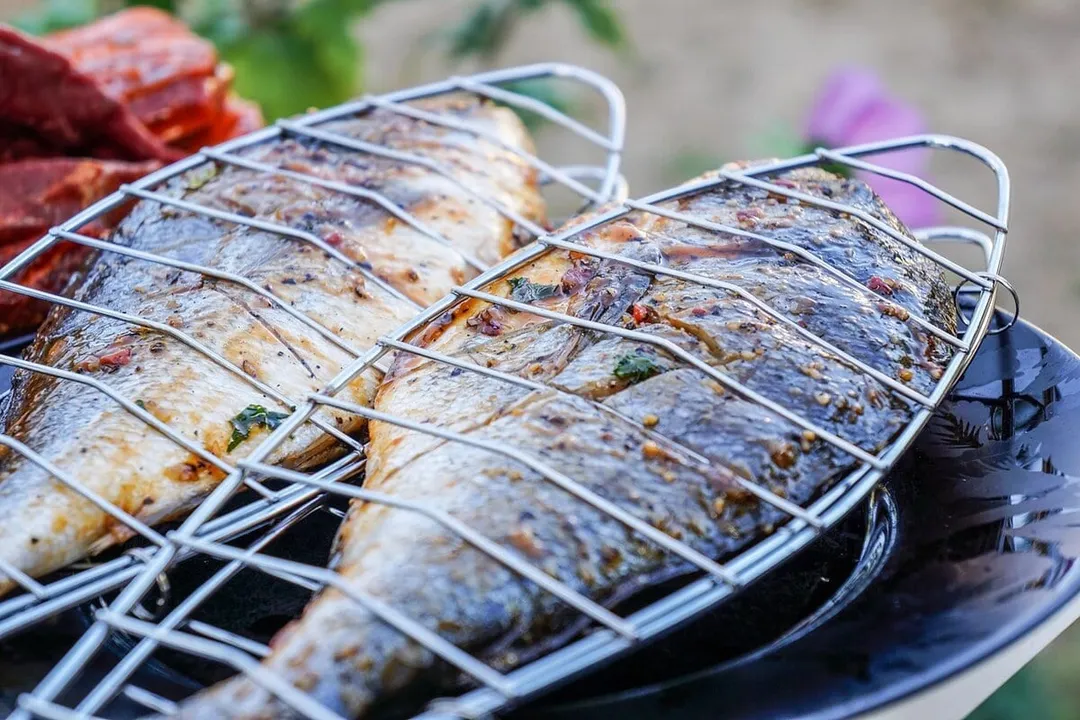
Sea bream holds a distinguished reputation in the culinary world, often cited by chefs as being among the tastiest white fish available. [3] Its popularity isn't merely based on trend; it stems from a naturally delicate balance of texture and a mild flavor profile that appeals widely. [2] Whether you are new to preparing whole fish or looking to refine your seafood repertoire, understanding the characteristics of sea bream, its nutritional standing, and the best ways to cook it sheds light on why this fish garners such high praise.
# Flavor Profile
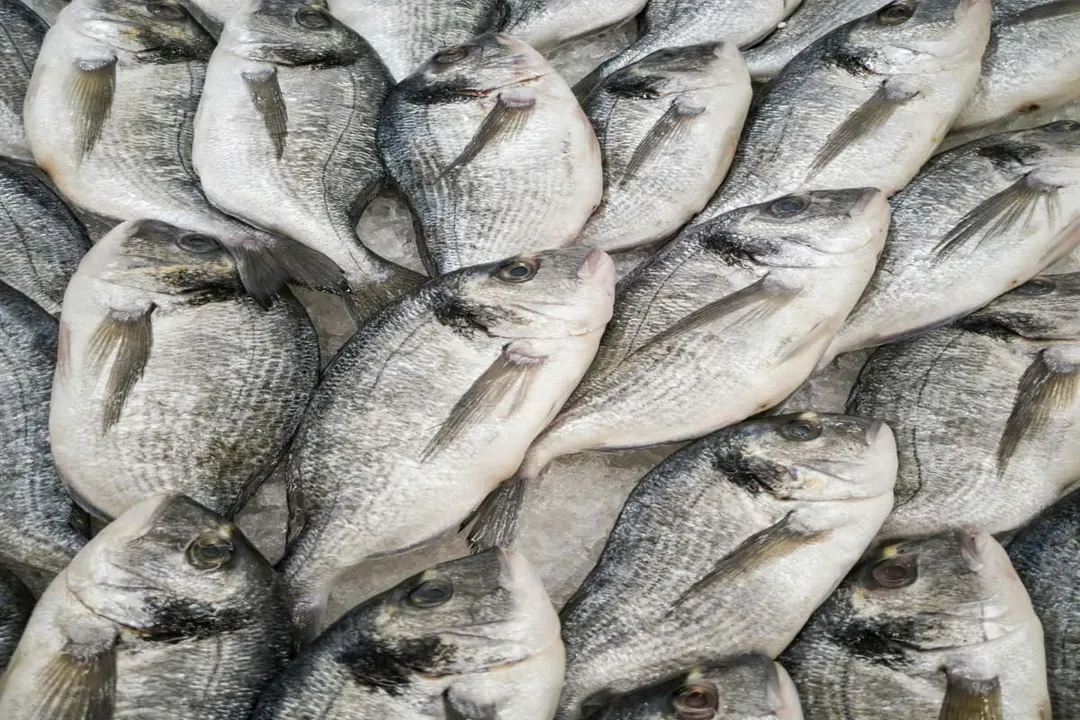
The defining characteristic of sea bream is its flavor, which is consistently described as mild and slightly sweet. [1][2] It avoids the strong, oily notes found in some other popular ocean catches, making it a versatile canvas for various culinary applications. [7] Texturally, the flesh remains firm yet moist when cooked properly, yielding delicate, flaky layers. [1][2]
In discussions among seafood lovers, sea bream frequently comes up when comparing it to its cousin, sea bass. [6] While both are excellent white fish, some palates find sea bream offers a cleaner, less fatty experience compared to sea bass, though both share a tender consistency. [6] This inherent mildness means the fish doesn't fight against accompanying ingredients, allowing subtle herbs and spices to define the final dish.
# Nutritional Value
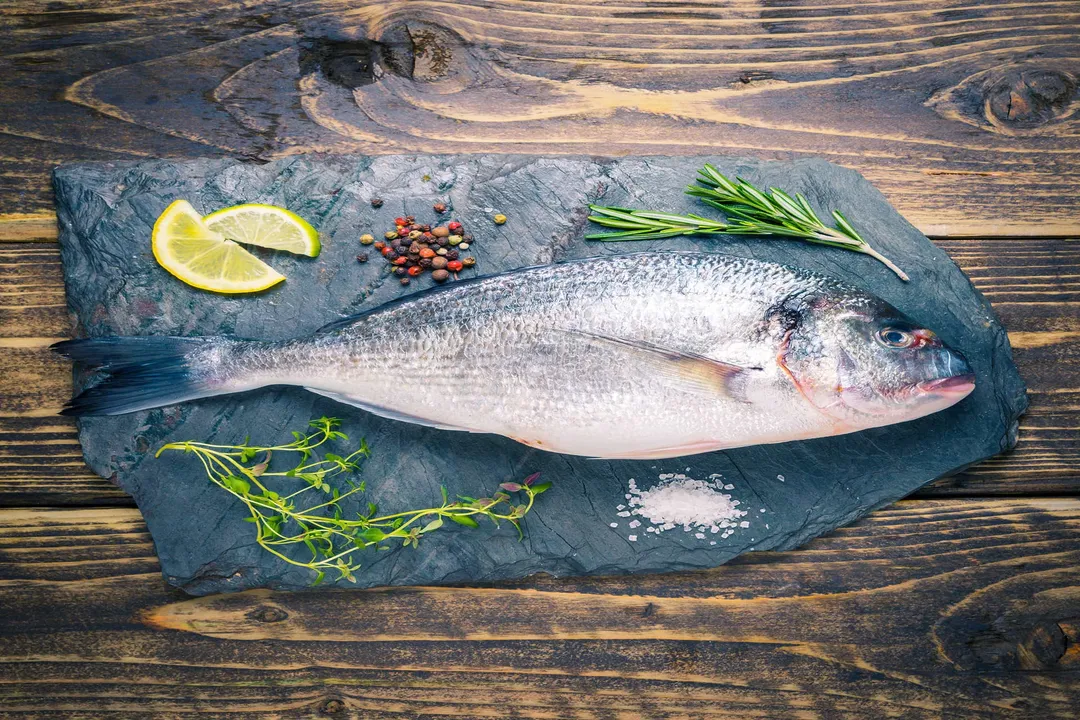
From a health perspective, sea bream offers a respectable contribution to a balanced diet. It is recognized as a solid source of high-quality protein. [7] Furthermore, the fish provides essential micronutrients, including various B vitamins, along with important minerals like potassium, phosphorus, and selenium. [7]
For those monitoring caloric intake or fat consumption, sea bream is considered a relatively lean fish. [7] Considering its mild flavor and low-fat profile, sea bream is an exceptional carrier for bold marinades or herb crusts, allowing the secondary flavors to shine without being overpowered by strong fish oils. This makes it versatile for global cuisines, unlike some oilier fish where the fish's natural flavor dominates. [1][2][7]

# Bream Types
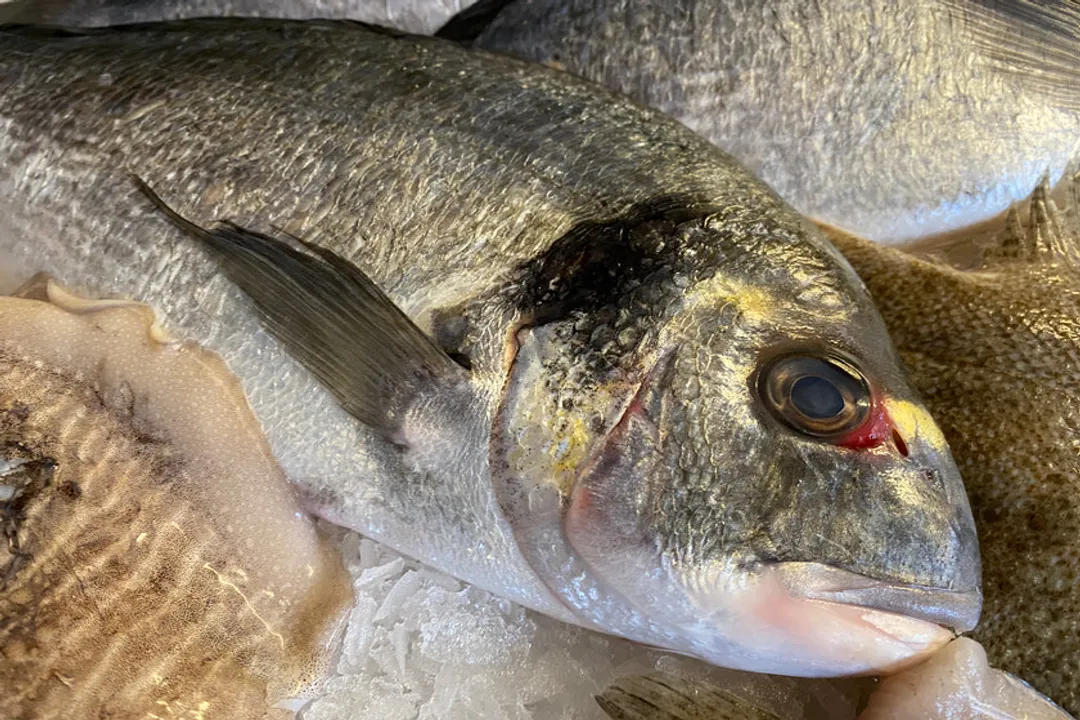
The term "sea bream" covers a family of fish, and the specific type you encounter can influence the experience slightly. A commonly sourced and highly regarded variety is the Gilthead Bream. [8] Like many seafood choices, quality and flavor can depend on whether the fish was wild-caught or farmed, and where it originated. [8]
When shopping, knowing what you are buying is important, especially when sustainability practices are a concern. For instance, while Gilthead Bream is popular, its environmental rating can change significantly based on the region and cultivation method used. [8]
# Preparation Methods
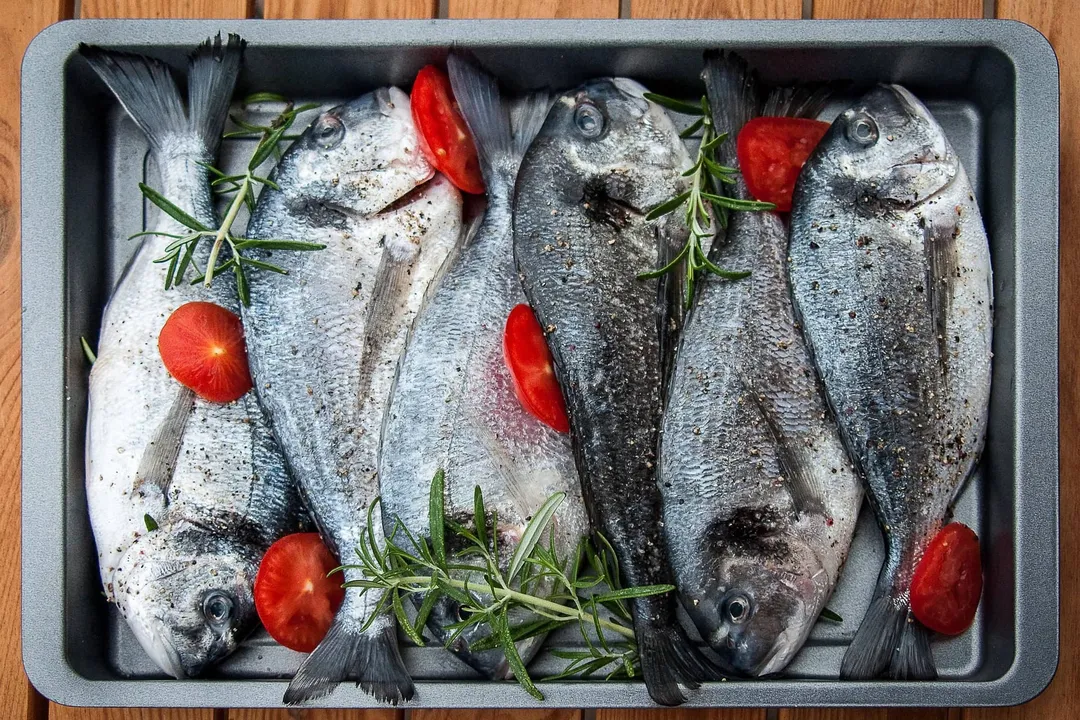
The delicate nature of sea bream’s flesh means that simplicity often yields the best results, though it is flexible enough for more elaborate preparations. [2] Common successful methods include roasting, baking, grilling, and careful pan-frying. [5][2]
Roasting whole is a favorite technique among many home cooks and professionals alike. [5] When preparing sea bream this way, the goal is often to achieve tender, moist interior flesh while ensuring the skin achieves a pleasant texture, perhaps slightly crisp. [5][2] The cooking time will naturally scale with the size of the fish, making monitoring crucial for success. [5]
When using high heat methods like grilling or pan-frying, the mild flavor truly benefits from simple seasoning—perhaps just salt, pepper, olive oil, and perhaps some citrus slices inserted into the cavity. [2]
For whole roasted sea bream, a simple trick to ensure even cooking and moisture retention is to stuff the cavity not just with aromatics like lemon and herbs, but also a tablespoon of thinly sliced butter or a small knob of rendered pancetta placed under the skin near the spine. This slowly bastes the meat from within as it cooks, preventing the lean flesh from drying out before the skin achieves the desired crispness. [5]

# Sourcing Ethics
In contemporary seafood purchasing, knowing where your fish comes from is nearly as important as knowing what it is. [8] Environmental assessment programs, such as Seafood Watch, offer recommendations based on fishing or farming practices. [8]
For species like the Gilthead Bream, ratings vary based on the specific origin and method employed. A consumer might find that certain aquaculture operations are rated as a "Good Alternative," while others, perhaps relying on less sustainable wild-capture methods, might receive a lower rating. [8] Paying attention to these labels helps ensure that your enjoyment of this tasty fish supports responsible practices within the industry. [8]
# Handling Freshness
Given its delicate flavor profile, the freshness of sea bream directly dictates its quality on the plate. [1] Proper handling from the point of purchase to the cooking pot is essential to preserving that desirable sweet, mild taste.
When you bring fresh sea bream home, immediate and correct refrigeration is necessary. [9] The ideal spot in your refrigerator is the coldest section, which is typically the bottom drawer, maintaining temperatures as close as possible to freezing, ideally between 0°C and 2°C (32°F and 35°F). [9] This temperature range significantly slows bacterial growth without freezing the flesh. [9] If you do not plan to cook the fish within a day or two, prompt freezing in an airtight package is the next best step to lock in its quality until you are ready to use it. [9]
Related Questions
#Citations
Everything You Need to Know About … Sea Bream - Fresh Fish Daily
Everything You Need To Know About: Sea Bream
Is sea bream a good fish to eat? Widely considered by chefs to be ...
ROASTED SEA BREAM - seafood sherpa
sea bream or sea bass UK supermarkets : r/ultraprocessedfood
Everything You Need to Know About … Sea Bream - CA Seafoods
Gilthead bream Bream seafood recommendation - Seafood Watch
Sea bream – low in calories and packed with nutrients - Liebherr
What is the nutritional value of Sea Bass and Sea Bream?