Are Jonah crabs good to eat?
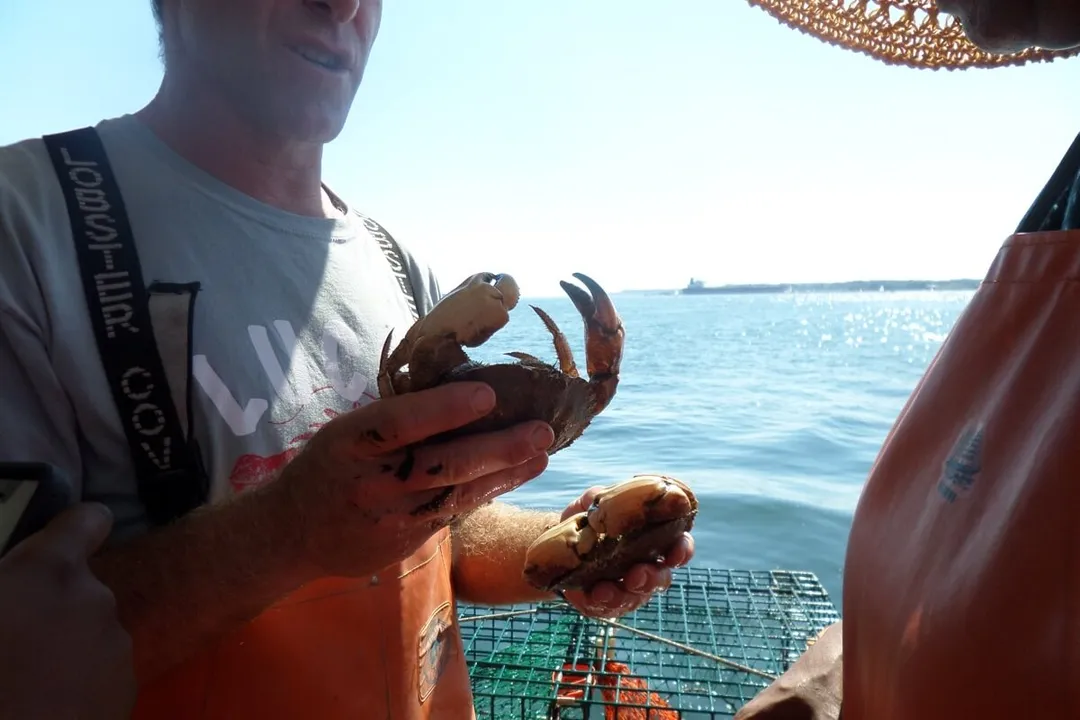
The general consensus among those who have tried them is a resounding yes: Jonah crabs are absolutely worth eating, often proving to be a surprising and delicious alternative to more common shellfish. The immediate impression many diners have is of a sweet flavor profile. When comparing the taste to other popular North American crabs, reviewers often find the Jonah crab meat offers a distinct, delicate sweetness. Some enthusiasts suggest the flavor leans closer to that of a Dungeness crab than a typical Blue Crab.
# Identity and Background
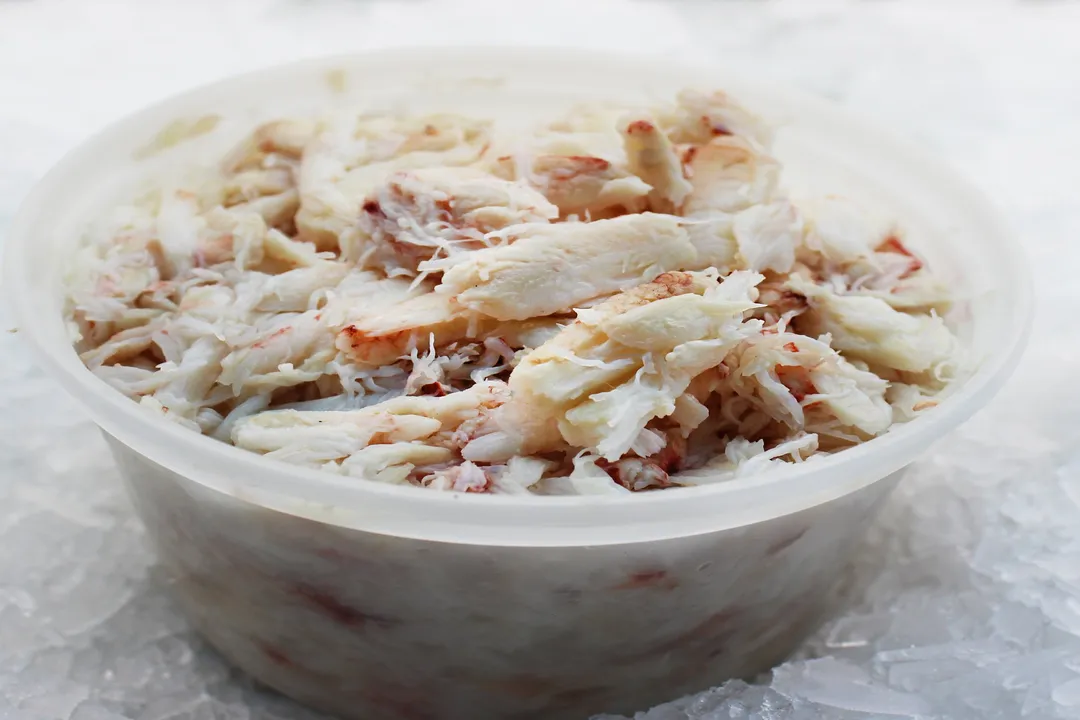
The Jonah crab, scientifically known as Cancer borealis, shares its genus with the highly regarded Dungeness crab. These crustaceans inhabit the Atlantic coastline, ranging from as far north as Nova Scotia down to the waters off North Carolina. They are primarily creatures of deeper, colder waters, though they can sometimes be found in intertidal zones.
The journey of the Jonah crab from the sea to the dinner plate tells a fascinating story of fisheries evolution. For decades, these crabs were largely ignored by commercial fishermen, often being caught incidentally as bycatch in traps set for species like American lobsters or even Stone Crabs. In fact, in New England, they were at one point considered a nuisance, sometimes being referred to dismissively as "trash fish". Fishermen might have viewed them as an obstacle or a low-value addition to their haul.
# Culinary Appeal
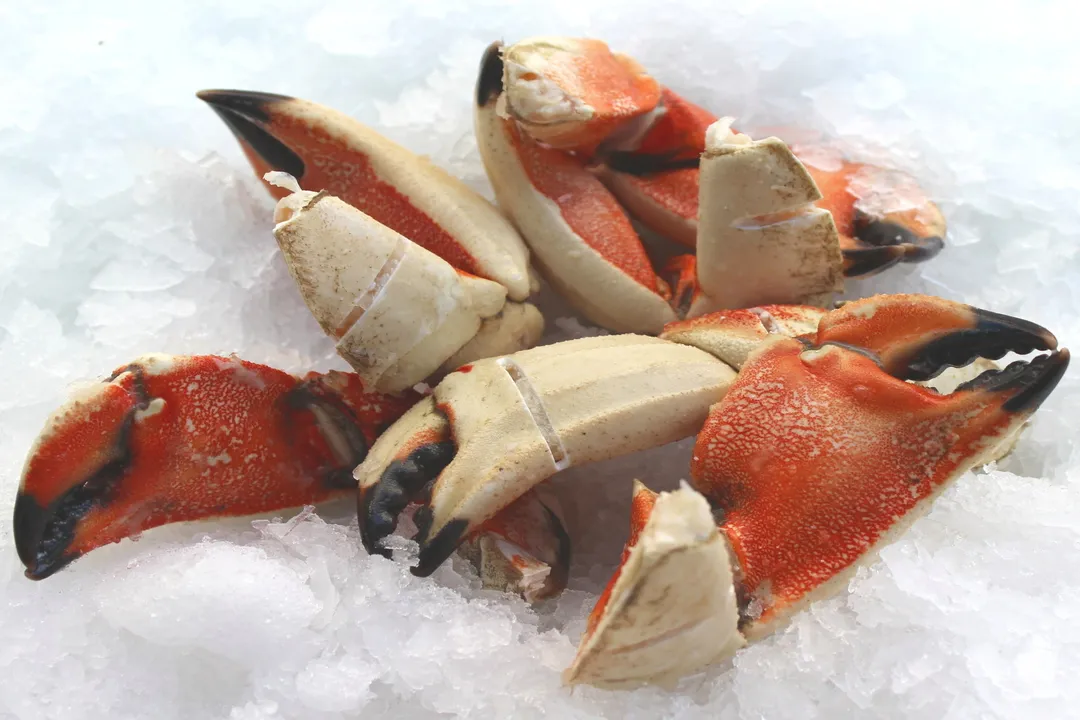
What prompted this significant shift in perception, turning the Jonah crab from a discarded catch into a sought-after delicacy, is undeniably its high-quality meat. While they are often smaller than the giants of the crab world, like King or Snow crabs, what they lack in sheer size, they make up for in flavor and texture.
# Meat Quality Comparison
Understanding where the Jonah crab fits in the hierarchy of taste is helpful for a prospective consumer. If you are used to the mild, flaky meat of a Dungeness or the rich, slightly briney taste of a Blue Crab, the Jonah crab presents a pleasant middle ground. The meat tends to be firmer than Dungeness crab but is often described as less stringy than Blue Crab meat, which some cooks find breaks down too easily in dishes.
One point of specific comparison frequently made is with the famed Stone Crab. While Stone Crabs are celebrated for their massive claws, which offer a significant yield of firm, sweet meat, the Jonah crab often wins on pure sweetness according to some palates. The challenge with Stone Crabs is that only the claws are typically harvested, whereas with a Jonah crab, you have access to the claw, leg, and body meat, although the overall yield per crab is smaller.
# Best Uses
The versatility of Jonah crab meat makes it a fantastic ingredient in various preparations. Because of its sweet flavor and ability to maintain structure, it works wonderfully when picked and used in applications where the crab flavor needs to shine through without turning mushy.
Popular culinary uses include:
- Crab Cakes: Its firmer texture helps the cakes hold their shape during cooking.
- Dips and Spreads: The inherent sweetness brightens up rich cheese or mayonnaise-based dips.
- Salads: Used in cold preparations where a clean, sweet flavor is desired.
- Back Meat: Many aficionados claim the meat from the body cavity (sometimes called back meat or swimmer meat) is intensely sweet.
Since Jonah crabs are sometimes caught as bycatch or in traps not specifically designed for maximum claw size, a home cook purchasing whole, fresh Jonah crabs might find a higher ratio of this prized "back meat" compared to other large-clawed species. This requires a slightly different picking strategy than one might use for a standard Blue Crab, focusing on carefully extracting the meat from the carapace chambers as well as the legs.
# Harvesting and Market Status
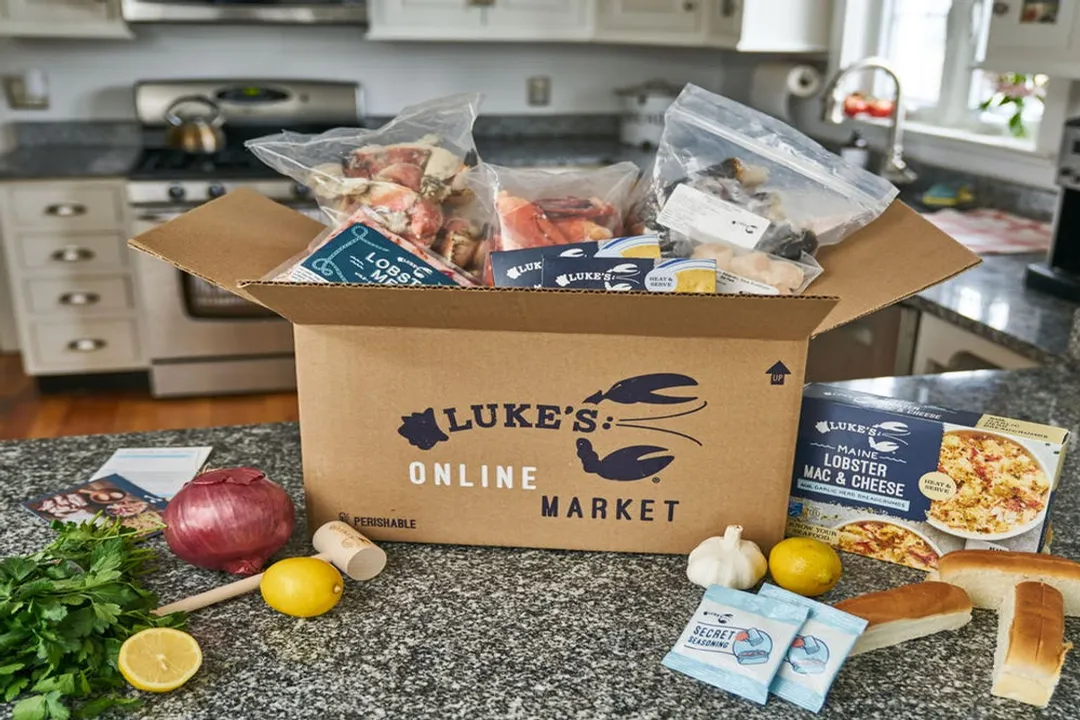
The renewed interest in the Jonah crab has provided a valuable alternative for fishermen in the Northeast, particularly as the stocks or economics of other species fluctuate. Commercial harvesting methods have adapted to target them more specifically, recognizing their growing value. They are a common find in the North Atlantic, and while they can inhabit shallow waters, they prefer the cooler, deeper areas.
One notable physical characteristic that impacts handling and consumption is the shell. Jonah crabs possess a relatively hard shell. This hardness means that while the meat inside is exquisite, the process of cracking them requires a bit more effort or specialized tools compared to very soft-shelled crabs.
For those interested in trying them, finding them fresh is key, though they are increasingly appearing in processed forms on the market. Look for them in regions where they are actively fished, such as New England, where their commercial story is most prominent. Given their preference for colder environments, their flavor profile may reflect the clean, crisp nature associated with cold-water crustaceans. This might explain why chefs favor them for applications where texture needs to hold up, such as in hot pasta dishes or rich bisques, as their composition seems to resist overcooking better than some softer alternatives.
# Consumer Considerations
When sourcing Jonah crabs, whether whole or picked, it is worth understanding the difference in yield. Because they are generally smaller than market-sized Stone Crabs or King Crabs, the meat-to-shell ratio might necessitate purchasing more pounds of whole crab to equal the meat you would get from fewer pounds of the larger species. However, this is often an acceptable trade-off given the superior flavor profile that many attribute to them.
If you are cracking them yourself, be prepared for a bit of a workout; while the flavor is a reward, the shell offers firm resistance. It is often helpful to have a heavy-duty cracker or mallet on hand. A small tip for maximizing your yield from these hard-shelled beauties: after cracking the main body in half, focus on scraping the gills and internal structures out cleanly before tackling the small chambers containing the body meat, which is where some of that prized sweetness is concentrated.
The rise of the Jonah crab from an overlooked bycatch item to a featured item on high-end menus serves as a testament to the quality hidden beneath an unassuming exterior. They are proof that the ocean continues to offer premium seafood treasures that are simply waiting for the right attention to be recognized.
Related Questions
#Citations
Intertidal: Jonah crabs are worth a taste - The Portland Press Herald
Pt. 8: Eating Crab- Jonah Crab #crab #jonahcrab #seafood - YouTube
Jonah crab vs stone crab claws: pros and cons - Facebook
What Is Jonah Crab: Your Guide to This Delicious Seafood
What is Jonah Crab? Crab Meat, Recipes and Sourcing Information
Unpopular crab varieties : r/crabbing - Reddit
Stone Crab vs Jonah Crab: Which Tastes Better?
From Bycatch to Center of the Plate: Jonah Crab
Jonah Crab - The Hull Truth - Boating and Fishing Forum
How New England's Jonah Crab Turned From Garbage To Delicacy