Are big red snapper good to eat?
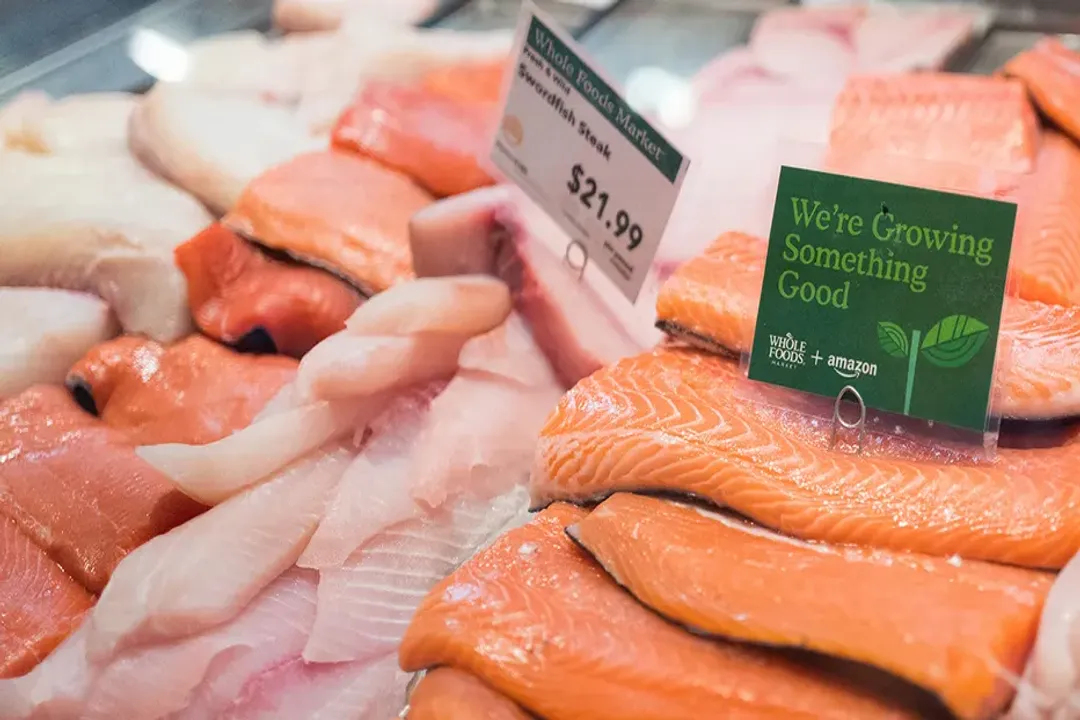
The preference for a specific fish often comes down to texture and flavor, and when it comes to red snapper, the conversation frequently circles back to size. Many anglers and diners hold strong opinions on whether a particularly large specimen lives up to the hype surrounding its smaller cousins. The American Red Snapper, in particular, garners high praise, frequently cited by enthusiasts as one of the best-eating fish available globally. [9] It’s known for flesh that is wonderfully white, firm, and possesses a mild, slightly sweet taste profile. [4][6] This texture is quite appealing because it holds up well during the cooking process, whether you opt for grilling, broiling, or baking. [6]
# Flavor Texture
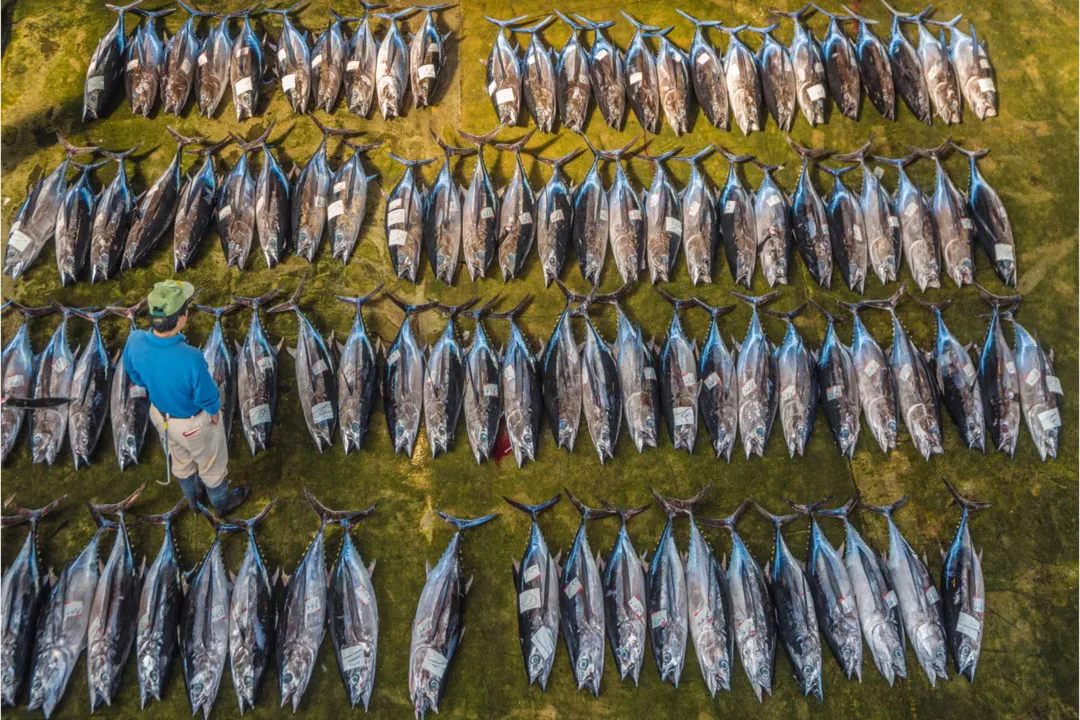
The primary appeal of premium snapper lies in its clean taste. Unlike some saltwater fish that carry a strong, oily "fishy" character, red snapper leans toward being very mild. [4] This mildness is a significant advantage, as it allows the subtle sweetness of the meat to come forward, making it versatile enough to pair with various herbs and seasonings without being overpowered. [4] The flesh texture is generally described as firm, which provides a pleasant mouthfeel that doesn't easily flake apart into mushiness when handled correctly on the heat. [6]
# Size Debate
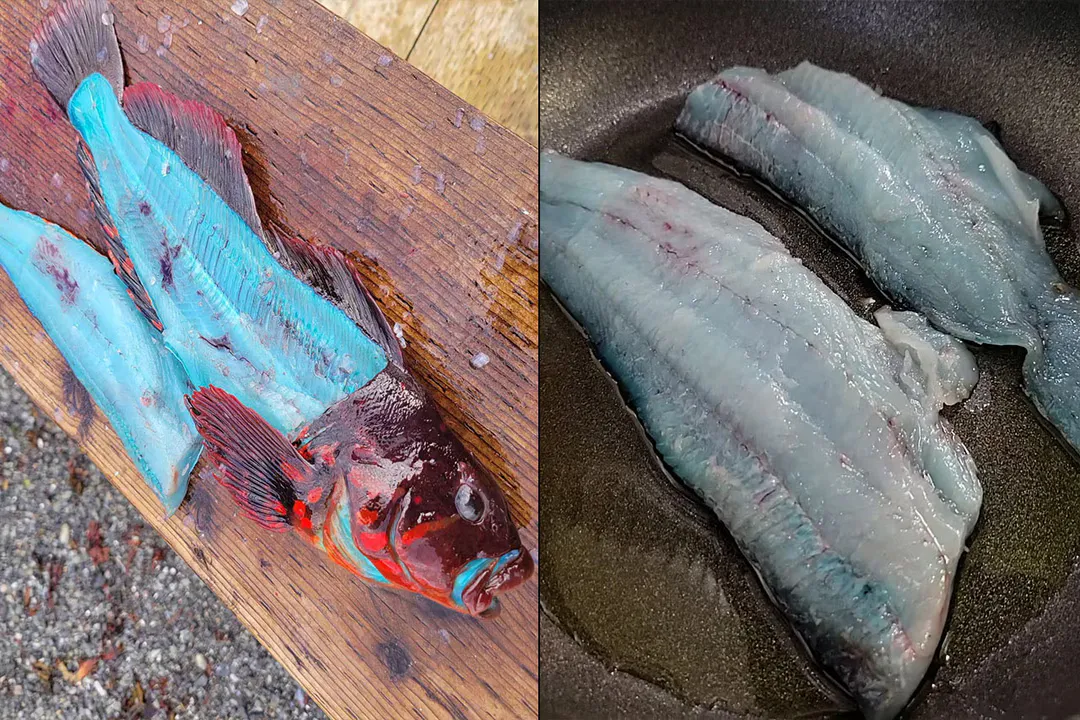
The central point of contention in the world of snapper eating quality revolves around the sheer mass of the fish being consumed. There is a common adage, particularly among fishermen, suggesting that larger snapper often disappoint. Some observers note that these bigger fish can become tough, chewy, or develop an off-putting "muddy" or overly "fishy" taste compared to smaller catches. [7][5] This belief stems from the idea that as a fish ages and grows, its diet and living conditions might impart stronger, less desirable flavors into the tissues. [5]
However, this viewpoint is met with counterarguments from fisheries experts. The National Oceanic and Atmospheric Administration (NOAA) points out that many species labeled as red snapper, including the prized American variety, are generally regarded as excellent eating fish across most size ranges. [5] The perception of poor quality in larger specimens might not be solely about the size itself, but rather what that size indicates about the fish’s recent history. For instance, a large snapper that has been feeding heavily on a particular type of forage in a specific, localized habitat might exhibit flavor variations that a slightly smaller fish from clearer, different waters would not. If a fish has been stressed or held improperly after being caught, that can also accelerate the development of undesirable flavors far quicker than the fish simply aging past a certain weight threshold.
When we consider what defines "big," it's helpful to remember that the general term "red snapper" applies to dozens of different species worldwide, and not all of them share the esteemed culinary status of the American Red Snapper. [4][6] If a consumer purchases fish labeled only as "red snapper" and receives a less desirable variety, it can unfairly tarnish the reputation of the truly excellent species. [5] Therefore, the experience of eating a "big red snapper" often depends critically on confirming which species you are consuming.

# Health Benefits
Putting aside taste preferences for a moment, red snapper provides significant dietary advantages, making it a smart choice for regular consumption. [1] It is inherently a lean source of protein, meaning it delivers necessary building blocks for the body without excessive fat content. [1] Furthermore, it is low in calories, which aligns well with many health-conscious diets. [1]
When looking at key micronutrients, red snapper stands out as a good source of several essential elements. It supplies considerable amounts of Vitamin B12, which is vital for nerve function and red blood cell formation. [1] It is also rich in phosphorus, important for bone health, and selenium, a powerful antioxidant. [1] Another important health consideration for any regularly eaten fish is its mercury content. Compared to some of the very large, long-lived predatory fish often found in seafood cases, red snapper generally registers as lower in mercury, which is a reassuring fact for those who enjoy eating fish several times a week. [1]
# Species Reality
One element that frequently confuses consumers and muddies the discussion about quality is taxonomy. There are many fish that look similar or are marketed under the name "red snapper". [4][6] In the Gulf of Mexico, the Lutjanus campechanus, or American Red Snapper, is the gold standard due to its superior eating characteristics. [9] However, other snapper species might have flesh that is less firm, slightly oilier, or possessing a stronger profile that some people misattribute to the entire snapper family when they actually ate a different species. [5] To truly appreciate what the species is capable of when perfectly prepared, verification of the exact species being purchased is nearly as important as the size on the scale. [4]
# Cooking Versatility
The firmness of the desirable snapper varieties makes them incredibly adaptable in the kitchen. Because the meat resists falling apart, it is one of the few white fish that truly excels when cooked quickly over high, direct heat, such as on a grill. [6] This method imparts a desirable char to the exterior while leaving the interior moist and flaky. For those who prefer gentler methods, baking or broiling works beautifully, often enhanced with simple additions like lemon, butter, and fresh herbs.
When preparing a fish that carries the reputation of being "the best," handling immediately after the catch is paramount to preserving that quality. If you are catching your own, rapid chilling on ice immediately stops enzymatic breakdown and locks in the sweet flavor profile before any degradation can occur. If you are purchasing it, look for flesh that is bright, translucent, and springs back lightly when touched, rather than feeling soft or mushy. This immediate post-catch care often dictates whether a large fish is celebrated or complained about later. The way a fish is bled and iced within minutes of landing often outweighs the size differential between a 10-pound fish and a 20-pound fish from the same healthy stock, a factor often overlooked when focusing only on the final weight measurement.
Related Questions
#Citations
What Are the Health Benefits of Red Snapper? - WebMD
Is this Red Snapper good to eat? : r/Seafood - Reddit
Are red snapper a good fish to eat? - Quora
Discover Red Snapper: Health Benefits, Recipes, and More
[PDF] 80 FOOD FISH FACTS The red snapper is one of the most delicious ...
Your Essential Guide to Snapper | What Kind of Fish is Snapper?
A lot of people say larger snapper are no good for eating, they are ...
Fish to eat and fish to think twice about, according to experts