Is opah a good fish to eat?
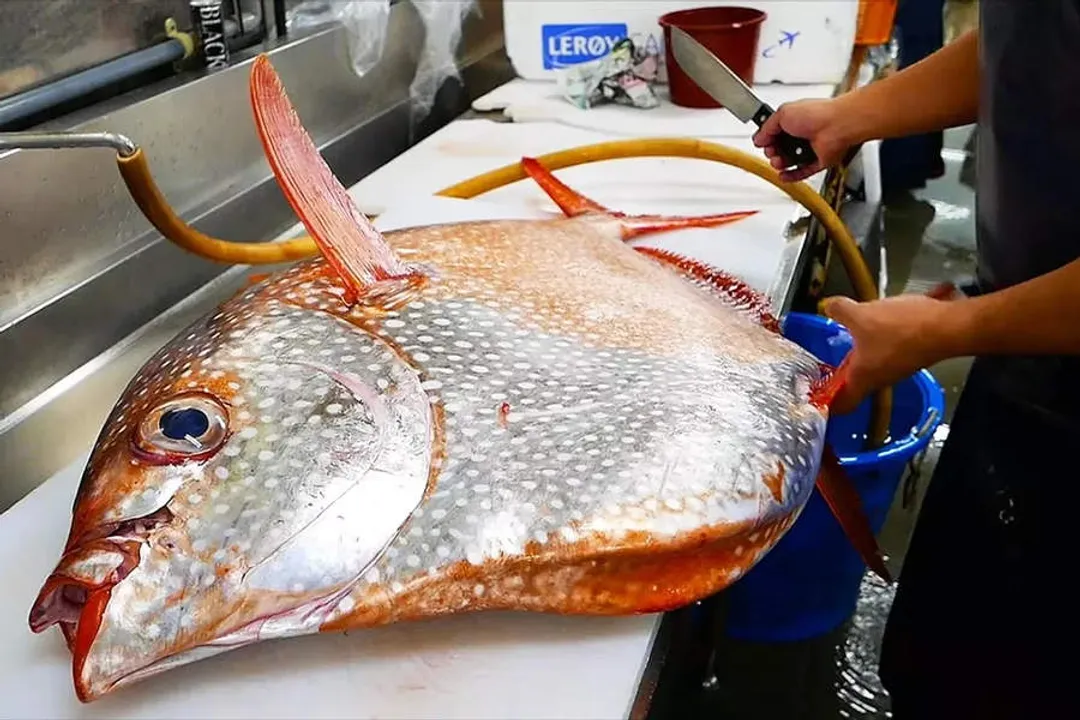
The opah, or moonfish, is one of the ocean’s true curiosities, immediately distinguishing itself from most other inhabitants of the deep blue. Beyond its striking, circular appearance, its internal mechanics are what truly set it apart, leading many to wonder if this unusual creature translates its uniqueness into a desirable experience on the plate. Initial reports from those who have tasted it often circle back to a consistent description: it is exceptionally rich and carries a desirable flavor profile, moving it from the realm of niche curiosity to mainstream culinary interest.
# Unique Physiology
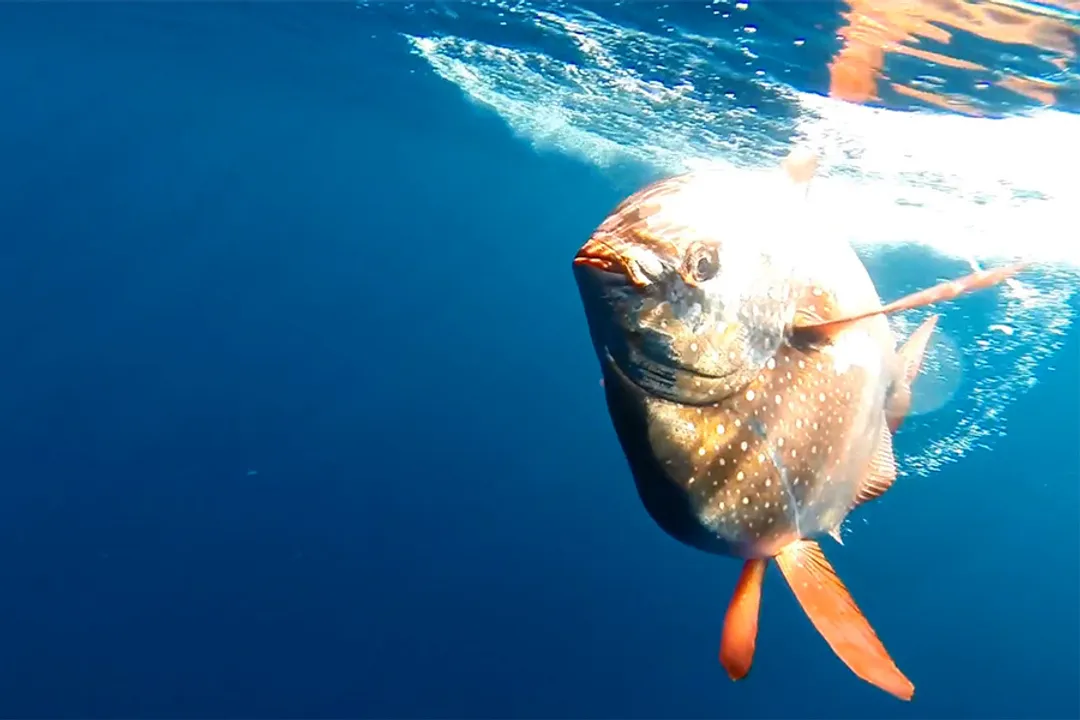
What makes the opah so distinct begins with its temperature regulation. This fish is scientifically recognized as the warmest fish in the cold blue sea. Unlike nearly all other fish that rely on the surrounding water to set their body temperature, the opah possesses specialized biological mechanisms, including a dense network of blood vessels known as a rete mirabile, which allows it to keep its brain and eyes warm. This ability to maintain higher body temperatures enables the opah to actively hunt and see clearly in the cold, dark depths where its prey resides. It is also noted as being one of the largest bony fish found in the ocean.
# Flavor Analysis
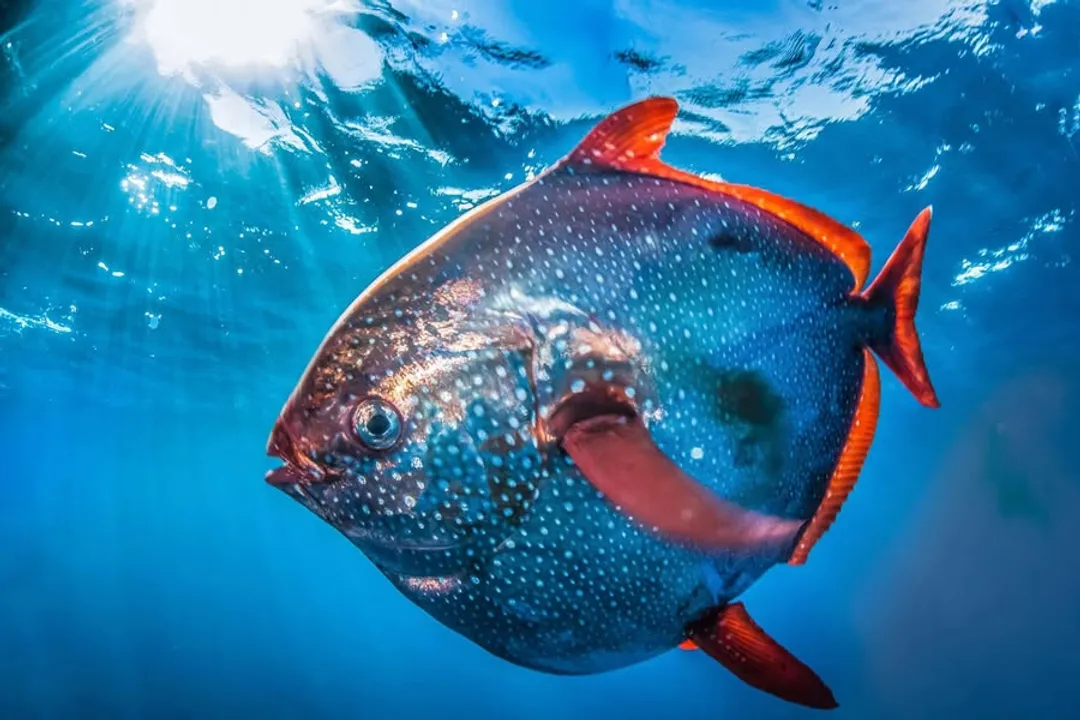
When evaluating if opah is a good fish to eat, the flavor is paramount. The consensus leans heavily positive, describing the meat as rich, fatty, and generally flavorful. For many consumers, especially those accustomed to premium cuts, this richness is the primary draw.
Comparisons to more familiar species are often made to give prospective eaters a reference point. Some suggest its mild flavor profile can be likened to that of swordfish or tuna. However, like many oily fish, the specific environment and diet can influence the final taste. In online culinary discussions, there is a notable consensus that a properly handled opah should not taste overly "fishy"; instead, it should present a clean, rich profile. The physiological adaptation for sustained activity in cold depths, namely its warm-bloodedness, likely contributes directly to the observed high-fat content, which translates into the "rich" and "flavorful" taste reported by suppliers.
# Color and Texture
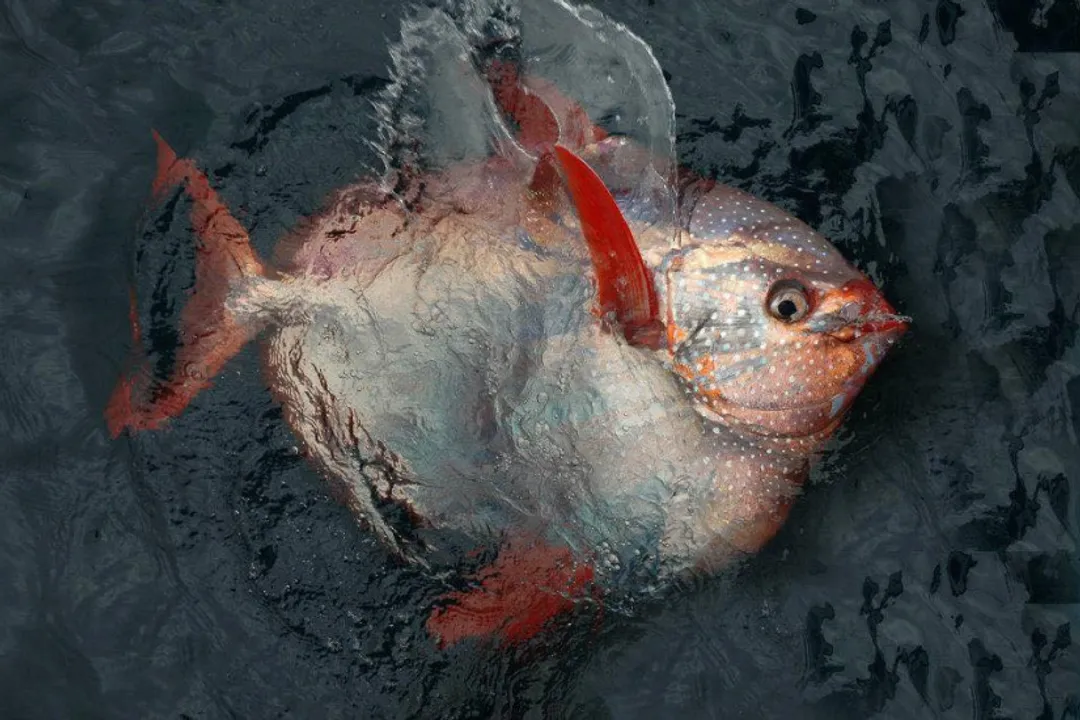
The visual presentation of opah flesh is also part of its appeal, though it exhibits significant variation. The meat can range in color from white to dark red, but it is most frequently seen as being pink or red. This coloration is sometimes confused with that of certain tuna species, though the texture sets it apart once cooked. When prepared correctly, the texture is often described as flaky, offering a pleasing mouthfeel that separates easily. It is typically sold in steaks or thick loins, making it easy for chefs and home cooks to manage portioning and preparation.
# Preparation Methods
Opah’s high-fat nature makes it quite forgiving when it comes to cooking, as the fat helps keep the flesh moist. This resilience allows it to be prepared using several different techniques, making it versatile in the kitchen. Common methods include grilling, pan-searing, and even smoking. Because of its inherent richness, chefs often look to incorporate bright, acidic elements to balance the fat content. For instance, pairing opah with a citrus salsa has been suggested as an effective complementary preparation. In professional settings, such as those documented by Japanese fishmongers, careful filleting and slicing demonstrate its value as a centerpiece ingredient.
When considering a purchase, understanding how it is cut is helpful. Since it is often sold in thick steaks, high-heat, quick cooking methods work well for the exterior while ensuring the interior remains tender and moist. You can approach it similarly to a fattier cut of steak, though paying close attention to temperature is essential to prevent drying out the delicate flakes.

# Market Status
Historically, opah was considered an underutilized or relatively unknown fish in many markets. While it is found globally in tropical and temperate waters, its availability can be inconsistent depending on local fishing areas and regulations managed by bodies like NOAA Fisheries. In recent years, however, its profile has been rising. As chefs and consumers look for high-quality, non-overfished alternatives to traditional favorites, the opah has started to gain traction.
This transition from underutilized catch to sought-after delicacy is fascinating to watch in the seafood industry. For home cooks looking to swap out richer, darker fish like bluefin tuna for a different source of high-quality Omega-3s without sacrificing the satisfying fat content, opah presents a unique, potentially less mercury-heavy alternative, provided the source is verified as sustainable. It moves beyond being just a scientific oddity to becoming a genuine culinary contender.
# Consumer Expectations
Understanding what to expect prevents disappointment, particularly when trying a new fish. If you encounter an opah fillet that is overwhelmingly "fishy," it generally signals a handling issue rather than a characteristic of the species itself. Given its rich oil content, the fish requires careful chilling and processing immediately after the catch to preserve its clean flavor profile. A high-quality, fresh opah should taste clean and mild, allowing its inherent richness to come through, rather than tasting overwhelmingly of the sea. Its high fat content makes it a substantial eating experience, meaning a smaller portion often satisfies more than a leaner white fish. The flavor is generally described as pleasant, rich, and suitable for those who enjoy fattier fish selections.
Related Questions
#Citations
Opah: The Warmest Fish in the Cold Blue Sea
Is opah a good eating fish? It is rich and tasty. Previously ... - Facebook
Is opah supposed to be fishy? : r/Cooking - Reddit
Opah - NOAA Fisheries
Opah | Seafood Directory | H&H Fresh Fish
Opah Fish Taste – Flavor, Cooking Tips & Best Recipes
Opah: the best fish you've probably never tasted
Japanese Fishmongers Prepare Giant Opah (Moonfish)
Opah Fish with Citrus Salsa Recipe | Real Good Fish
Opah - California Sea Grant