Are lampreys good eating?

The question of whether lampreys are good eating quickly dissolves into a complex discussion touching upon history, regional ecology, and deeply mixed personal reviews. These primitive, jawless fish, which maintain a controversial status globally, have held a place on the dinner table for centuries in some cultures, while in others, they are viewed primarily as a destructive invasive species. For those considering sampling this ancient aquatic life, the experience seems as varied as the preparation methods employed.
# Historical Appetite
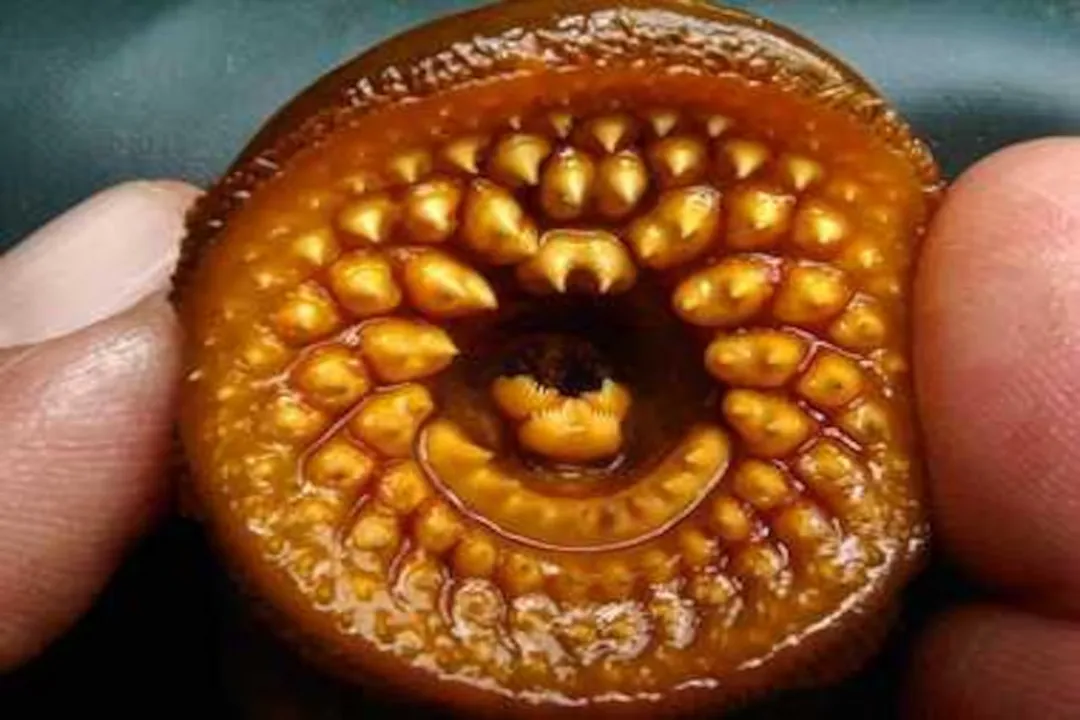
Lampreys have a long, if sometimes infamous, culinary history, particularly in Europe. In the United Kingdom, the preparation of lamprey pie is the most famous example of its consumption, tying the creature directly to royal tradition. The association is cemented by the story that King Henry I of England, who reigned in the early 12th century, died after consuming too many lampreys. This historical anecdote, whether entirely factual or embellished over time, shows the depth of the appetite for this fish among the elite centuries ago. In fact, consuming lamprey was historically regulated, with prohibitions sometimes being issued by royal decree.
Contrasting sharply with European aristocracy, lampreys like the Pacific species have been a traditional and important food source for Indigenous peoples of the Columbia River Basin for generations. For these communities, the knowledge surrounding the safe and effective harvest of lamprey is deeply embedded in cultural practice. This highlights that edibility is not just about the fish itself, but heavily dependent on which lamprey species is involved and the specific environment it inhabits.
# Preparation Methods
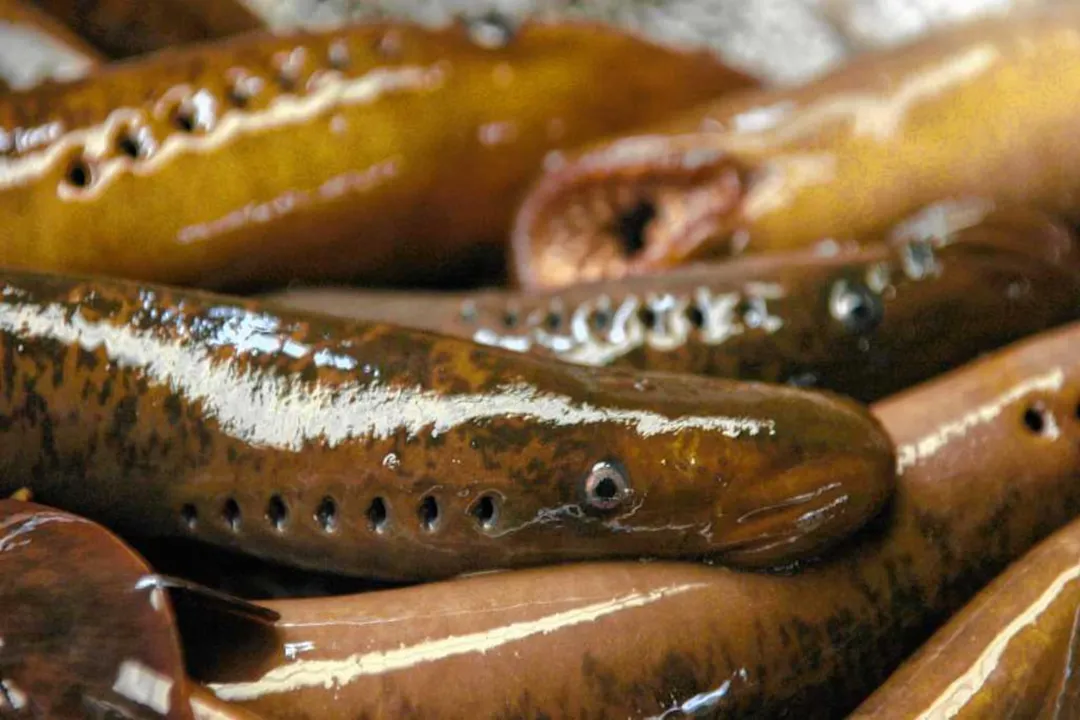
How one prepares a lamprey appears to dictate the entire outcome of the meal, leading to dramatically different flavor profiles and textures. The classic preparation is the aforementioned lamprey pie. This dish involves baking the lampreys encased within a pastry crust. Crucially, the preparation typically includes a rich sauce made with wine or vinegar, which helps to flavor and potentially temper the strong characteristics of the fish itself. Some traditional recipes even call for stuffing the lampreys with other meats or fish before baking.
More modern attempts to gauge edibility have involved simpler cooking techniques. In one documented case involving the invasive sea lamprey from the Great Lakes region, participants steamed the fish before finishing them on a grill. This grilling method, which aimed to remove some of the unwanted qualities, still resulted in very strong reactions from tasters. When considering the historical pie method versus modern grilling, the heavy reliance on robust pastry and acidic sauce in the former suggests that historical cooks were perhaps acutely aware of the need to balance the lamprey’s inherent characteristics, a tactic that simple grilling might fail to achieve.
# Flavor Profiles
The taste descriptors for lamprey are consistently polarizing. If a lamprey is deemed "good eating," it is often described using terms like "delicacy". However, those who found the experience less favorable often used stronger language, sometimes describing the taste or texture as repulsive.
When tasters in a formal evaluation tried the simply cooked sea lamprey, the feedback centered on intensity. Common descriptors included "earthy" and "gamey," indicating a powerful flavor profile that differs significantly from typical white fish. The texture, often slippery and unique due to the animal’s structure, was also cited as a point of contention; some found it disagreeable. It seems that to appreciate the lamprey, one must first appreciate strong, wild flavors, as they are not subtle in taste or mouthfeel. Simply put, if one prefers mild, flaky fish, the lamprey experience is likely to be a shock to the palate.
# Modern Safety Advisories
A significant divergence exists between historical enjoyment and contemporary assessment, primarily due to environmental changes. While King Henry I’s court might not have worried about industrial pollutants, modern consumers must contend with chemical contamination, particularly in large, interconnected freshwater systems.
In the Great Lakes, sea lampreys are recognized as a destructive invasive species that severely harms commercial fish stocks. Because of this ecological impact and the potential for bioaccumulation of toxins, organizations issue direct consumption advisories for lampreys harvested from these waters. Contaminants like PCBs, mirex, and mercury are serious concerns, leading health agencies to strongly recommend limiting or avoiding consumption of lamprey caught in specific Great Lakes areas. This safety consideration must immediately supersede any historical or traditional curiosity when harvesting from modern North American waters.
The tension here is clear: one source discusses the traditional, healthy harvesting by Indigenous groups in the Pacific Northwest, while others detail contaminant risks in the Atlantic/Great Lakes regions. Any person deciding to consume lamprey today needs to possess specific, current knowledge about the exact water body from which it was sourced. A general historical acceptance of edibility does not translate to universal safety.
# Pest Versus Plate
The duality of the lamprey—as a potential, if challenging, food source and as an ecological menace—is perhaps the most defining feature of its modern perception. In the Great Lakes, the sea lamprey is the target of extensive control measures due to the massive economic damage inflicted on valuable species like lake trout and salmon. Its parasitic lifecycle, where it attaches to other fish to feed on their blood and bodily fluids, establishes it as a serious biological adversary in that environment.
It is interesting to note that the very qualities that make the sea lamprey an unwelcome pest—its tenacity and parasitic feeding habit—might contribute to its strong, "gamey" flavor when cooked. This presents a curious, albeit unappetizing, link between its ecological role and its culinary impact.
For local communities, particularly those with cultural ties to the fish, the conservation of the lamprey population as a traditional food source must be balanced against the widespread management efforts aimed at protecting commercial and recreational fisheries. The approach taken by one group—viewing the lamprey as an essential part of the diet and ecosystem—is often diametrically opposed to the management strategies of governmental bodies focused on mitigating its destructive impact on other species. The difference in perception is geographically determined, creating distinct regional attitudes toward the creature’s value.
# Tasting Considerations
For the adventurous eater, approaching a lamprey meal requires managing expectations regarding texture and intensity. It is not a beginner’s fish dish.
If one were to try a lamprey based on the European tradition, the critical step involves the protective pastry and the acidic sauce. This suggests the sauce is not just for flavor but acts as a necessary agent to cut through the richness or gaminess that might otherwise overwhelm the diner. It suggests a required acid-to-flesh ratio for palatability that is higher than what might be used for standard seafood.
If adopting a simpler preparation, like the steamed and grilled method, the resulting flavor leans heavily on the fish's natural profile—earthy and fishy. In this scenario, success hinges on the quality and recent history of the specimen; a lamprey from a cleaner environment might yield a more palatable result than one from a polluted system. Furthermore, acknowledging the negative texture—a sticking point for many tasters—might mean accepting that lamprey is an experience best pursued for its novelty and cultural background rather than pure gustatory pleasure, unless one has developed a specific taste for that unique mouthfeel. Ultimately, while the lamprey has satisfied historical appetites and sustained Indigenous traditions, modern sampling requires careful sourcing and a willingness to embrace flavors far removed from the everyday seafood platter.
Related Questions
#Citations
Demystifying the Pacific Lamprey
LAMPREY CONSUMPTION ADVISORY
Hey, has anyone here ever had Lamprey Pie? It sounds ...
Lamprey pie
Eating sea lamprey: They're not bad to stomach after you ...
That Time I Organized a Sea Lamprey Taste Test
Great Lakes Fishery Commission - Sea Lamprey