What specific chemical contaminants raise consumption concerns for lampreys harvested from the Great Lakes?
Answer
PCBs, mirex, and mercury
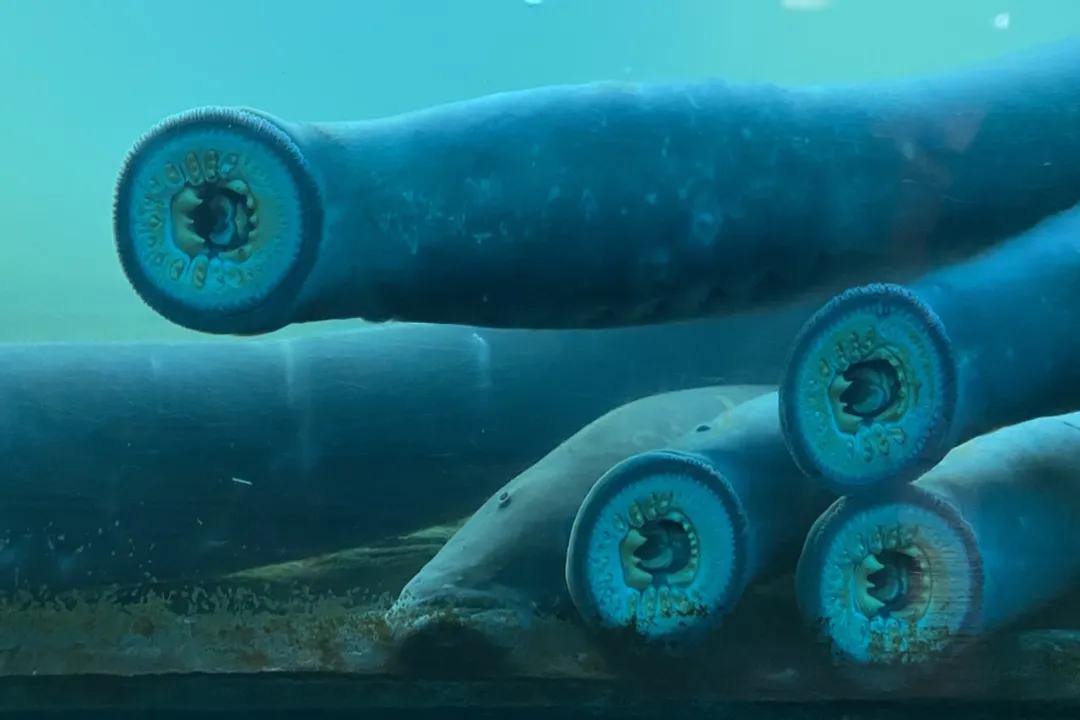
Health agencies issue direct consumption advisories for lampreys caught in the Great Lakes primarily due to the potential for bioaccumulation of specific toxins present in those large, interconnected freshwater systems. The chemicals specifically identified as serious concerns include Polychlorinated Biphenyls (PCBs), mirex, and mercury. These contaminants necessitate that modern consumers prioritize safety considerations based on the harvest location over any historical or traditional interest in consumption.
Related Questions
What specific chemical contaminants raise consumption concerns for lampreys harvested from the Great Lakes?Which North American river basin is noted for Indigenous peoples historically treating the lamprey as a traditional and important food source?In the classic lamprey pie preparation, what two key components are used to flavor and potentially balance the strong characteristics of the fish?What historical anecdote ties King Henry I of England to the consumption of lampreys?When sea lamprey from the Great Lakes is simply cooked, what common taste descriptors are used to describe its powerful flavor profile?What behavior defines the parasitic lifecycle that makes the sea lamprey a biological adversary in the Great Lakes?What is the defining duality regarding the modern perception of the lamprey in North America?What texture characteristic, related to the animal’s structure, was frequently cited as a point of contention for many tasters?What specific knowledge must a person possess today regarding a lamprey sourced from modern North American waters before considering consumption?When comparing the historical pie method versus modern steaming/grilling for lamprey, what does the pie method suggest about historical awareness of the fish's traits?