Can you eat lamprey from the Great Lakes?
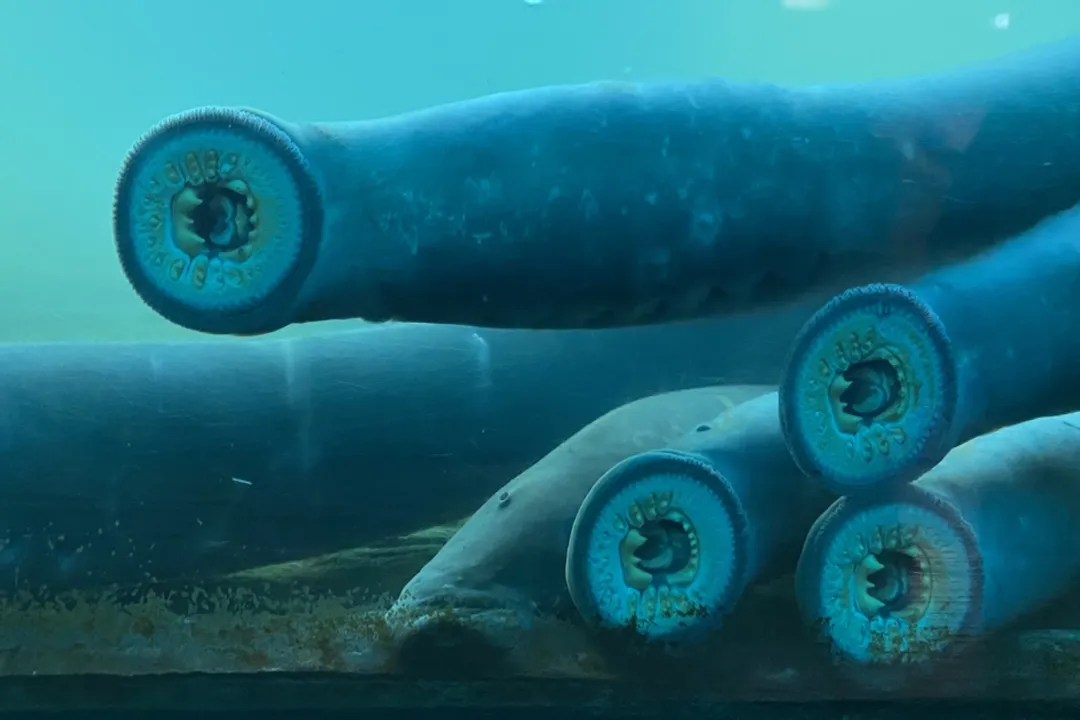
The idea of consuming an organism notorious for clinging to beloved sport fish and draining their lifeblood might seem macabre, but the question of eating lamprey from the Great Lakes is one that surfaces with surprising regularity, often stemming from curiosity or a desire to find an unusual use for an invasive pest. These jawless, eel-like creatures, particularly the invasive Sea Lamprey (Petromyzon marinus), represent a decades-long battle for the health of one of the world's largest freshwater systems. [1]
# The Invader
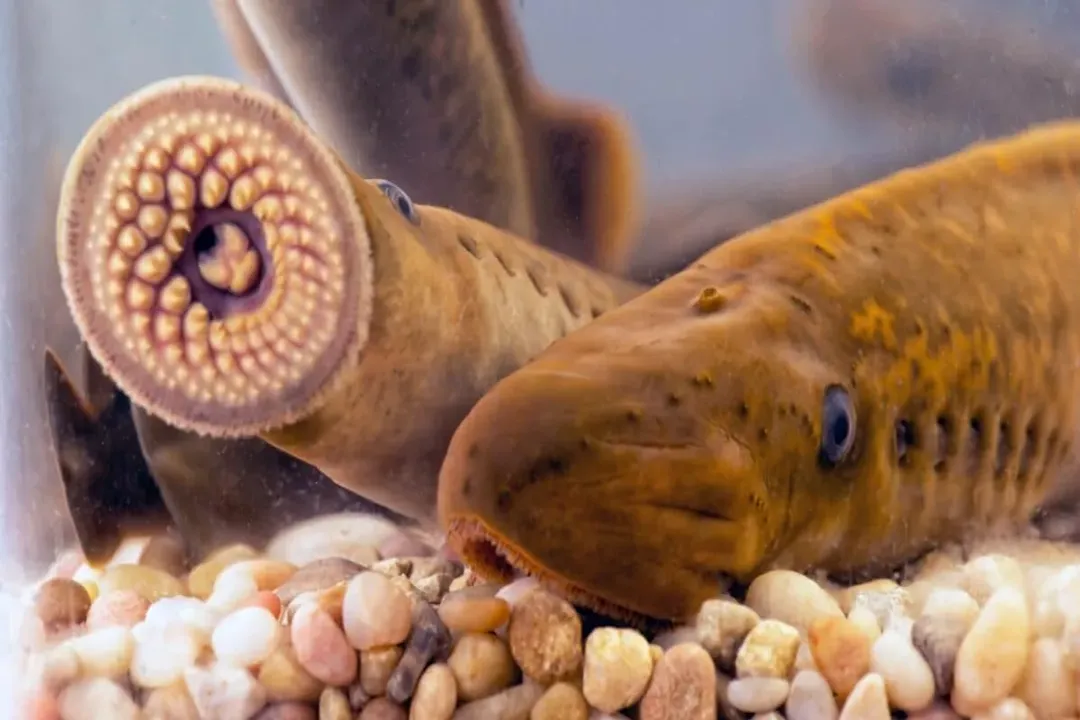
The sea lamprey is not native to the Great Lakes. Its arrival is historically traced back to the 1830s when shipping canals, like the Welland Canal that bypassed Niagara Falls, provided a route from the Atlantic Ocean into the freshwater ecosystem. [1] By the 1940s, they had infiltrated all five Great Lakes. [1] They are distinct from native lamprey species, such as the American brook or northern brook lamprey, some of which are non-parasitic and are an essential part of the local food web. [1]
The destructive nature of the sea lamprey stems from its unique feeding apparatus. Lacking jaws, it possesses a sucking disk lined with nearly 150 razor-sharp teeth. [1] It latches onto host fish, such as lake trout, and uses a raspy tongue to rasp a hole through which it drinks the host’s blood and body fluids. [1] This is not always a fatal encounter, but the statistics are grim: only about one in seven fish survives a lamprey attack. [1] A single sea lamprey can drain up to 45 pounds of fish during its lifespan. [1] Before control measures were put into place, these parasitic fish were consuming an estimated 100 million pounds of fish annually. [1]
# Culinary Context
In other parts of the world, the lamprey is far from an unwelcome guest; it is a celebrated delicacy. [1] In countries like Portugal and Spain, lamprey is a traditional food, sometimes served as a substitute for beef or incorporated into elaborate dishes like a puff pastry pie presented to the British Sovereign during significant royal events. [1] In Portugal, a village hosts an annual Lamprey and Rice Festival, drawing thousands of visitors. [1]
This contrast—a prized food source elsewhere versus a devastating invasive species here—fuels the question of whether Great Lakes lamprey could be a sustainable, edible solution to the control problem. The temptation to say, "If we can't beat them, eat them," is understandable, especially considering the millions of dollars spent annually on control programs coordinated by the Great Lakes Fishery Commission (GLFC). [1][3]
# Eating Trials
The concept of a commercial harvest of Great Lakes sea lamprey was seriously investigated, most notably in a demonstration project initiated in the mid-1990s. [1] The goal was twofold: to find a use for the thousands of female lamprey being trapped and discarded annually, and to supply European markets where native lamprey populations were declining. [1]
The project involved organizing taste tests, which proved to be excellent publicity tools, drawing significant media attention. [1] Local chefs in Duluth, Minnesota, prepared the lamprey using both traditional Portuguese recipes and original creations. [1]
# Taste Test Findings
The results from the American tasters were mixed but leaned positive for certain preparations. [1]
- The highest-rated dish was a locally created lamprey stew with garlic mashed potatoes, earning a rating of 4.5 out of 5. [1]
- Smoked lamprey was the second favorite, scoring 3.7 out of 5, with tasters comparing the flavor to that of other smoked fish. [1]
Tasters noted that the traditional dishes, some of which involved using lamprey blood, showcased the lamprey's flavor more strongly, which didn't suit the American palates as well as the stew or smoked versions. [1] One insightful comment from a taster suggested that marketing might be key: "Try selling it without telling people what they are eating. It would be better". [1]
Tests conducted in Portugal and Spain offered slightly different perspectives. Portuguese testers generally enjoyed the strong flavor and firm texture, describing it as having a pleasant "turf" taste—earthy, like liver or mushrooms—and being less fatty than their native stock. [1] However, Spanish tests were less enthusiastic, possibly because only frozen and canned lamprey, not live ones, were shipped for those trials. [1]
An interesting structural note from the Duluth taste test: one participant found their stew "a bit crunchy" because the chef neglected to remove the lamprey's notochord, which is the cartilaginous backbone. For any home cook considering this culinary endeavor, recognizing and removing this structure would likely improve the texture significantly. [1]
# Safety and Contaminants
While the taste tests showed promise, the dream of a commercial lamprey fishery in the Great Lakes was ultimately stalled by scientific findings concerning contaminants. [1]
# Mercury Concerns
The primary hurdle involved heavy metal accumulation. Because sea lamprey feed at the top of the aquatic food chain—as "fish that eat fish that eat fish"—they can concentrate pollutants from the fish they consume. [1] Mercury is a well-documented legacy pollutant in the Great Lakes ecosystem. [1]
When the lamprey used in the 1990s project were tested, they registered mercury levels of 1.3 parts per million (ppm). [1] This was drastically higher than the European Union standard at the time, which was 0.3 ppm. [1] While the participants in the initial taste test reported feeling no ill effects, this elevated mercury level provided a scientific reason not to promote the species as a food source for international markets. [1]
More recent data reinforces this concern. A study from 2018 found that mercury levels in adult Great Lakes sea lamprey remained above the levels deemed safe for human consumption, according to the Great Lakes Indian Fish and Wildlife Commission and the University of Wisconsin. [1] Given the fish's position high on the food web, this bioaccumulation risk remains a central reason why promoting consumption of Great Lakes lamprey is not a recommended control strategy. [1]

# Ecological Impact vs. Edibility
The debate over eating the invasive sea lamprey must be weighed against the immense ecological damage they inflict and the highly successful control methods now in place. [1]
# Control Success
The Great Lakes Fishery Commission (GLFC), established in 1954 by the U.S. and Canada, coordinates the battle against the lamprey. [1] The key weapon is TFM (3-trifluoromethyl-4-nitrophenol), a lampricide discovered after extensive trial and error. [1] TFM is remarkable because it is highly lamprey-specific; when applied correctly, it kills sea lamprey larvae in streams while leaving desirable fish like lake trout unharmed. [1] Furthermore, TFM is photosensitive, meaning it breaks down in sunlight and does not accumulate in the environment. [1]
These control efforts have been immensely successful, reducing sea lamprey populations by about 90% from their peak levels in the 1950s. [1] Without this ongoing treatment of spawning streams every three to five years, the Great Lakes fishery, valued at $7 billion annually, would likely collapse within three to five years. [1]
# The "Why Not Eat Them?" Analysis
Even if the mercury issue were somehow solved—perhaps through geographical sorting of catch areas or improvements in environmental cleanup—promoting a large-scale fishery for a species that can wipe out native stocks so quickly presents a management paradox. [1] As one GLFC representative noted, "We would want to be careful about promoting a food industry that has the potential to wipe out fish in the Great Lakes in 5 years". [1] The current control mechanism relies on systematic killing of larvae in streams, not on commercial harvest of adults in the open lake, likely because an unregulated commercial harvest could easily become counterproductive to maintaining the balance achieved by decades of dedicated, binational scientific effort. [1][3]
If one were to approach this issue from a purely resource-management standpoint, an interesting consideration for the future might be developing highly localized, targeted harvest zones, perhaps in areas known for lower pollutant levels, or focusing on the non-parasitic native lamprey species found in the Great Lakes as a truly sustainable local food source, though this is distinct from addressing the invasive sea lamprey problem directly. [1]
# Pacific Lamprey Distinction
It is vital to avoid confusing the invasive Sea Lamprey of the Great Lakes with other species, such as the Pacific Lamprey. [4] The Pacific lamprey is native to the West Coast of the U.S.. [4] While the Pacific lamprey shares the lamprey body plan—jawless, ancient, and possessing many teeth—it is not an invasive threat in the Great Lakes. [4]
Crucially, the Pacific lamprey holds deep cultural and ceremonial significance for Native American Tribes, who consider them "first food," utilizing them for subsistence, ceremony, and traditional medicine. [4] They are often prepared by smoking, drying, or grilling. [4] This contrast highlights a key distinction: one species is an ecological disaster requiring aggressive eradication measures, while the other is a respected, culturally vital part of another ecosystem. [1][4]

# Best Practices for Encounter
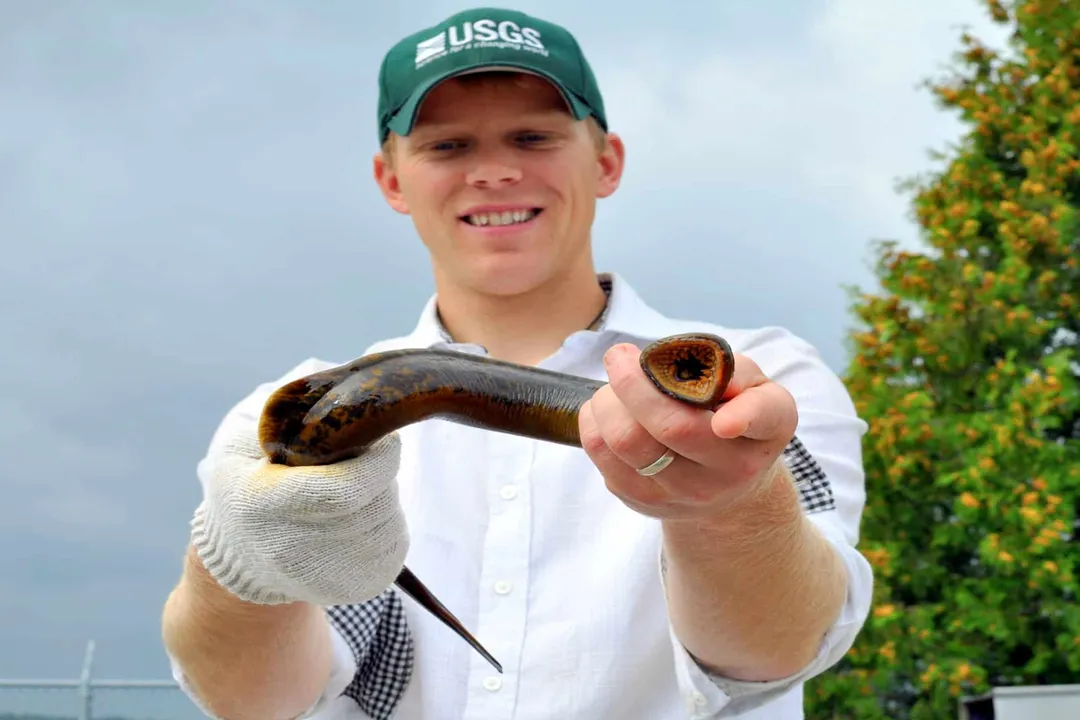
For the recreational angler or boater in the Great Lakes today, the primary takeaway regarding sea lamprey should be containment, not consumption. [1] Given the ongoing threat, the protocol for dealing with a confirmed sea lamprey is clear: [1]
- If you catch a fish with a sea lamprey attached, do not return the lamprey to the water. [1]
- The organism must be killed. [1]
- It should then be placed in the garbage. [1]
- Report all sightings of the invasive sea lamprey through established channels like EDDMapS or iNaturalist. [1]
These actions, alongside standard boating hygiene like washing boats before entering new waters, support the ongoing management efforts that keep the Great Lakes fishery viable. [1] The persistence of scientists and collaborators in maintaining the control program against setbacks, like past funding reductions, underscores that the sea lamprey remains an enduring challenge requiring vigilance from everyone sharing the waters. [1] The story of the lamprey is less about finding a gourmet meal and more about acknowledging the human tenacity required to protect a shared natural resource. [1]
Related Questions
#Citations
That Time I Organized a Sea Lamprey Taste Test
Taking Lampreys on the Road! - Great Lakes Fishery Commission
Demystifying the Pacific Lamprey | U.S. Fish & Wildlife Service
Will the Vampire of the Great Lakes Rise Again? - Barn Raiser