Can you eat goosegrass?
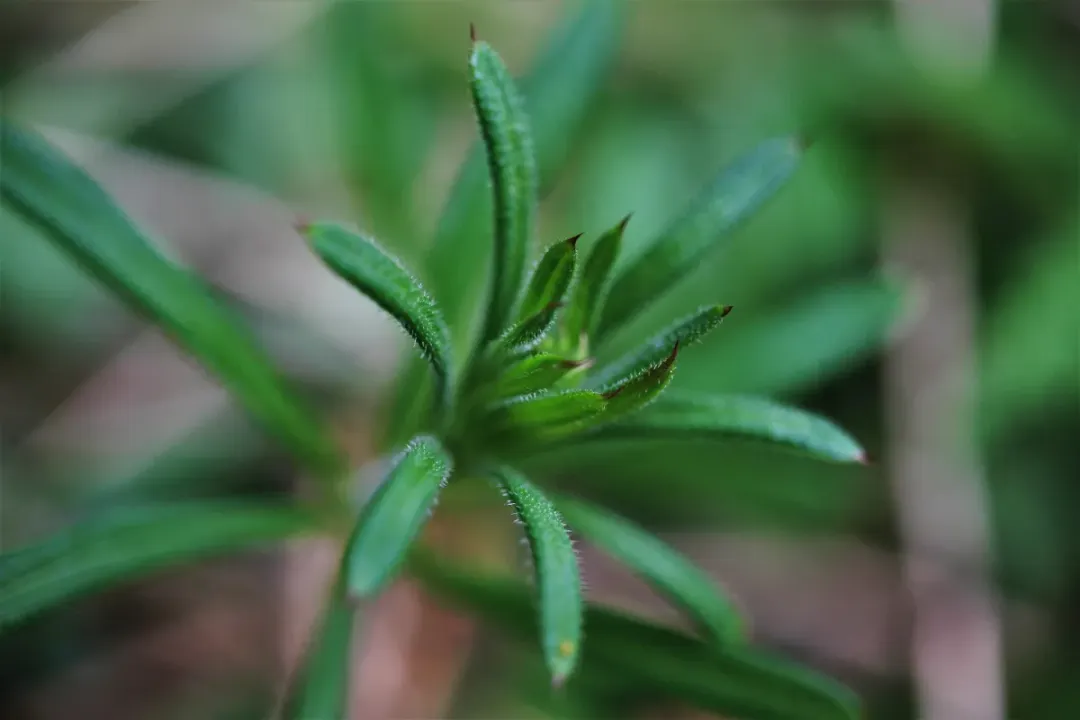
Goosegrass, often recognized by gardeners as a persistent, somewhat clingy intruder in flower beds and vegetable patches, is formally known as Galium aparine. [2] It is far more than just a common weed; this familiar green possesses a surprisingly long history as a wild edible and a gentle tonic plant. [2] For those curious about incorporating wild greens into their diet, understanding this plant is a worthwhile endeavor, especially since it frequently pops up uninvited in cultivated spaces. [5]
# Plant Details

To safely consume any foraged green, absolute certainty in identification is paramount, and goosegrass offers several tell-tale characteristics. [2] One of the most obvious traits is its square stem, a feature shared by many plants in the Madder family. [2] Perhaps even more distinct are the tiny, hooked bristles covering the stems and leaves; these give the plant its notorious ability to cling to clothing or animal fur, which is how it earned the common name 'cleavers'. [2] The leaves grow in whorls, typically appearing in sets of six to eight around the stem at each node. [2] While its appearance might suggest something rough, when harvested young, the leaves are surprisingly tender. [8]
# Flavor Profile
The flavor of young goosegrass is remarkably subtle, which is often a surprise to those expecting something strong or bitter from a wild green. [1] Many foragers describe the taste as mild, sometimes leaning toward a fresh, grassy note, or even possessing a slight hint of cucumber. [1] This delicate nature makes it an excellent candidate for mixing with more robust salad ingredients without overpowering them. [1] If you happen to harvest older, more mature stems, the texture can become somewhat fibrous, and the flavor might intensify slightly, which is why selecting the new growth is key to the best culinary experience. [1][8]

# Cooking Methods
The versatility of Galium aparine is one of its appealing features for the home cook looking to experiment with wild foods. [2]
# Eating Raw
For immediate consumption, the young, tender tips and leaves are best enjoyed raw. [1] They can be chopped finely and mixed into a garden salad, much like you might use spinach or lettuce. [1] Because the raw flavor is so mild, you might find you need a larger volume of goosegrass than you would of something like dandelion greens to achieve a noticeable taste contribution in your dish. [2] Another excellent application for the raw, vibrant green material is juicing. [6] Mixing it with sweeter or stronger-tasting fruits or vegetables can create a highly nutritious, albeit light-flavored, green juice. [6]
# Cooking Uses
When heat is applied, goosegrass softens quickly, similar to spinach, making it easy to incorporate into cooked meals. [1] It can be quickly blanched, which helps to slightly soften the tiny clinging hairs and mellow any remaining sharpness. [1] After blanching, it can be added to soups, stews, or even lightly sautéed with butter and salt as a simple side dish. [1] If you are making a vegetable broth or stock, tossing in a handful of goosegrass during the simmering stage adds a fresh, verdant element to the liquid. [1]
# Historical Tonic Use
Long before its place in modern salads, Galium aparine was valued in traditional herbalism, often being prepared as a tea or infusion for its perceived health benefits. [2] It was frequently utilized as a mild, natural diuretic. [2] The plant’s structure—its thirstiness and quick absorption of minerals from the soil—is often cited as the source of its traditional reputation as a cleansing agent. [2] While modern science explores these effects, historically, it was seen as a spring tonic to gently refresh the system after winter. [2]
# Safe Foraging Practices
If you decide to try harvesting your own goosegrass, there are a few practical considerations that elevate the foraging experience from a chore to an art. [1]
# Location Matters
The golden rule for any wild edible applies here: never harvest from areas that might be contaminated. [1] This means avoiding roadsides where exhaust fumes and road salt could accumulate, as well as lawns or gardens that have been treated with chemical pesticides or herbicides. [1][5] Since goosegrass is often found creeping along fences, under hedges, or in shady, moist corners of established gardens, you must be certain about the history of that specific patch of soil. [5]
# Processing Stickiness
The plant’s signature stickiness requires a slightly different approach to cleaning than, say, a smooth-leafed herb like mint. [2] An effective technique, especially if you plan to eat it raw, is to clean it before you strip the leaves from the stem, if possible, or handle the whole stem delicately until washing. For large batches intended for cooking, gathering the stems into a bundle and shaking them vigorously over a collection container or net before washing can remove the bulk of the clinging material, which often includes dirt and small debris from its low-growing habit. [2] For the home forager dealing with just a small amount found between paving stones, simply laying the picked stems out on a clean towel before a final rinse under running water works well, allowing you to blot away the debris.
# Identification Notes
Even though goosegrass is common, confirming its identity can be tricky when it is young and small, or when it is growing intertwined with other low-lying weeds. [5] If you see a plant that seems to be Velcro for the entire garden, you are likely looking at Galium aparine. [2] Remember the square stem and the characteristic tiny hooks that allow it to latch on. [2] If you rub the stem between your fingers, the hooked nature should be immediately apparent. Avoid confusion with other low-growing plants that might look similar but lack the signature adhesion. A good way to test the 'stickiness' without damaging the plant too much is to gently brush a gloved finger along a stem; if it grips, you've found your target. [5]
# Nutritional Value Perspective
While the sources focus on edibility and traditional use, it is worth noting that greens like goosegrass are generally excellent sources of vitamins and minerals when consumed fresh. [2] Although hard data isn't always provided for every wild green, plants that grow quickly and vigorously, like Galium aparine, often pull significant nutrients from the soil. [2] Considering its historical use as a tonic, it suggests a high nutrient density relative to its bulk, making the effort to clean and prepare it worthwhile for those seeking nutrient-dense wild additions to their diet. [2] Its very mild flavor profile also means it can be integrated frequently into one’s diet without causing flavor fatigue, unlike some more assertive edible weeds.
#Videos
Goose Grass, can you eat it and what's it like? - YouTube
Related Questions
#Citations
Goosegrass (Cleavers): Foraging for culinary and medicinal use
Galium Aparine – A Useful Wild Edible and Tonic Plant
Goose Grass, can you eat it and what's it like? - YouTube
Cleavers! Another wild edible plant that's classified as a weed! this ...
Does anyone know what this plant is? I see it all the time on my dog ...
How To Use Goosegrass Herb Plants - Gardening Know How