What do you need to eat in Amsterdam?
You might arrive in Amsterdam planning to visit the Rijksmuseum or explore the canals, but soon enough, the aroma of hot oil and spices takes over, shifting your focus entirely to what you need to eat. Navigating the culinary landscape here is less about finding Michelin stars (though they exist) and more about embracing the gezellig culture of street snacks, hearty afternoon treats, and surprising international influences. The true taste of Amsterdam is often found standing on a street corner, paper cone in hand, surrounded by the bustle of daily life. [3][7]
# Street Frites
When you think of Dutch fast food, the first thing that often comes to mind is the humble yet mighty french fry, known locally as patat or friet. [7][4] These aren't just any fries; they are typically thick-cut, twice-fried for the perfect balance of crispy exterior and fluffy interior, and served in a paper cone. [7] The real decision isn't the fry itself, but the sauce. While mayonnaise is a classic, exploring the Dutch array of toppings is mandatory. [4][1]
Many visitors default to Frites Speciaal (fries with curry ketchup, mayonnaise, and chopped raw onions) or Oorlog (which translates to "war," featuring peanut sauce, mayonnaise, and raw onions). [7][1] For an actionable tip, consider this: if you are navigating the tourist center near Dam Square or the Red Light District, you will find many stands offering these classics, but the quality can be inconsistent. Venture slightly further into neighbourhoods like De Pijp or West, where local frituur shops often use higher-grade potatoes and offer more nuanced sauces, perhaps even a truly authentic Dutch satésaus (peanut sauce) that hasn't been watered down for high volume. [5] Look for stalls that peel and cut their potatoes visibly on site for the freshest experience.
# Raw Fish
For the adventurous eater, sampling haring—raw herring—is an essential Amsterdam experience. [7][2] This tradition dates back centuries and is considered a real delicacy. [3] The herring is typically cured in salt, cleaned, and served plain, though you can request it topped with chopped onions and pickles for a textural contrast. [7][3]
If eating the fish whole by holding the tail up high feels too challenging, there are alternatives. Kibbeling offers a gentler introduction. This involves chunks of white fish, usually cod or pollock, that are battered, deep-fried until crispy, and often served with a garlic or herb dipping sauce. [7][1] While haring is raw and kibbeling is fried, both speak to the Netherlands' deep maritime history and reliance on the sea for sustenance. [3]
# Fried Snacks
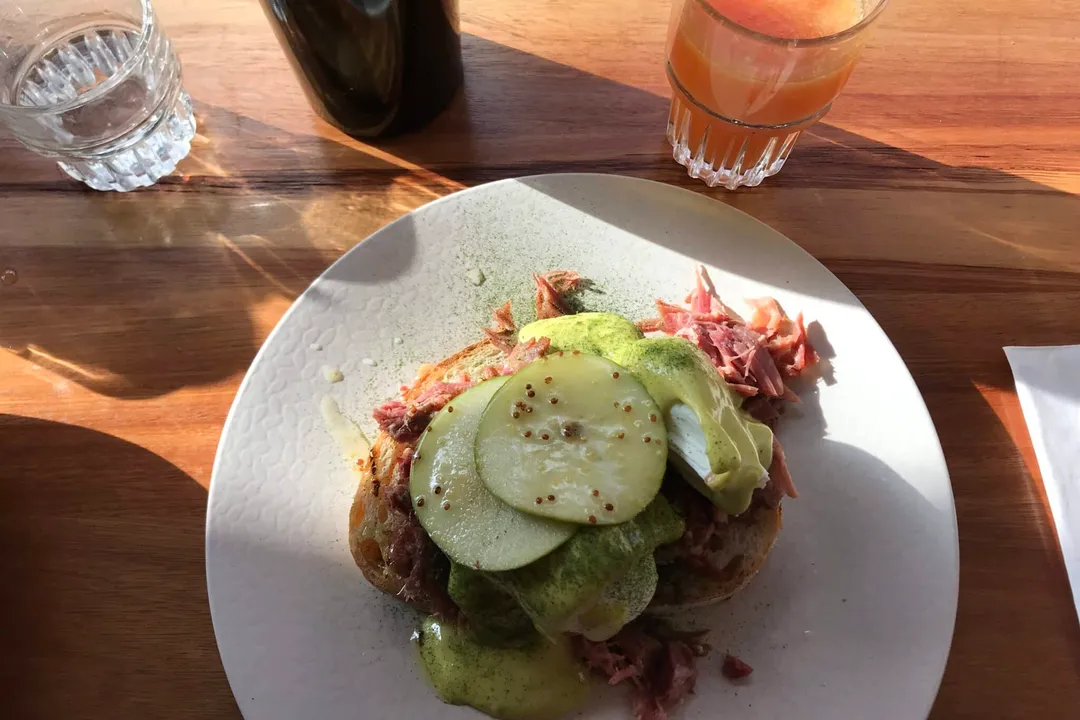
The Dutch have elevated the concept of the deep-fried snack to an art form, often consumed as an accompaniment to drinks or as a quick, filling bite. [4] The icons here are kroketten and bitterballen.
Kroketten are cylindrical croquettes filled with a rich, savory ragout, typically beef or veal, bound in a thick roux, coated in breadcrumbs, and fried. [7] They are usually served in a bun as a sandwich (broodje kroket) or on their own with mustard for dipping. [1][4] Bitterballen are essentially the smaller, round, appetizer version of the kroket. [7] They are perfect for sharing, often appearing on bar menus across the city. [4] When ordering, always ask for mosterd (mustard); this sharp contrast cuts through the richness of the fried exterior perfectly. A fun way to experience these is by visiting a Febo vending wall—an automated snack dispensary famous for serving items fresh from a hot compartment via a small door. [1] This automatic service is a unique piece of Dutch food engineering worth observing, if not participating in.
# Sweet Treats
Amsterdam offers a wealth of sugary delights that demand attention, especially during cooler weather or as a mid-afternoon pick-me-up with coffee. [4]
# Waffles and Pancakes
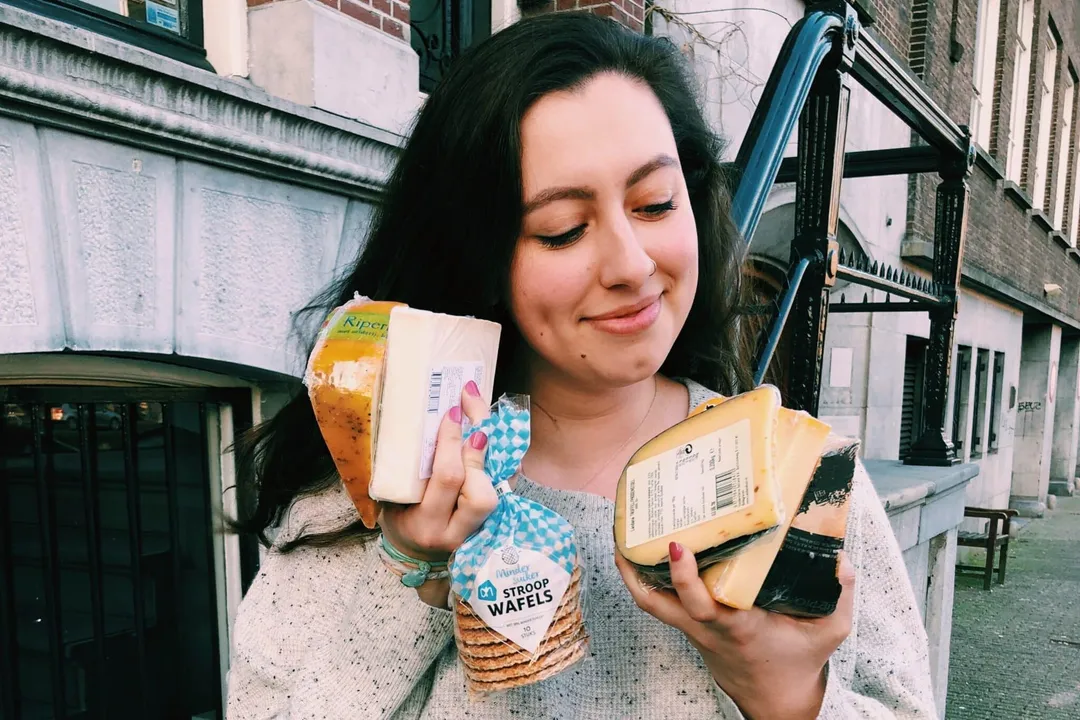
The stroopwafel might be the most globally recognized Dutch cookie. [7] It consists of two thin layers of baked dough with a sweet, sticky caramel-like syrup (stroop) trapped in the middle. [1] The key to enjoying a fresh strofwafel is mastering the steam technique: place it over your hot cup of coffee or tea for a minute or two until the syrup softens, maximizing its gooey texture. [7]
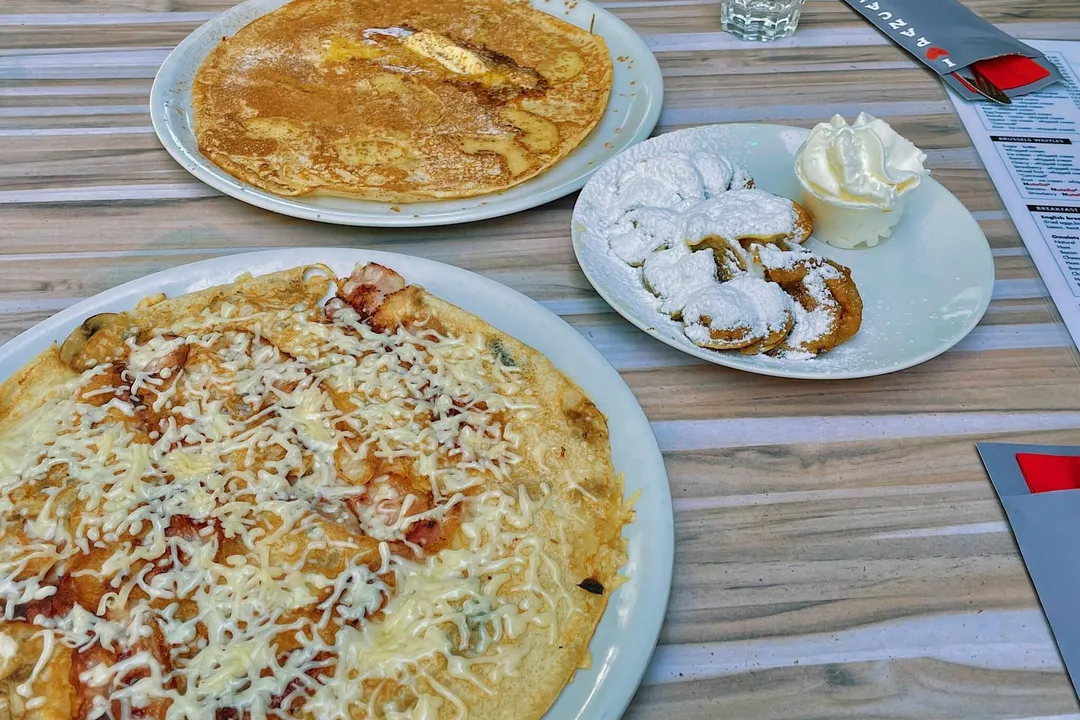
For something slightly less famous but equally satisfying, look for poffertjes. [1] These are small, fluffy, coin-sized pancakes, traditionally served piping hot, dusted generously with powdered sugar, and topped with a knob of butter. [7] They are often sold at outdoor markets and food stalls. [1]
If you prefer your pancake on a larger scale, the Dutch pannenkoeken are immense, thin pancakes, often served as a main course with sweet or savory toppings like bacon, cheese, or apples. [1]
# Apple Pie
Don't leave without trying Dutch apple pie, or appeltaart. [3][7] Unlike the typical American deep-dish pie, the Dutch version often features a richer, denser crust—sometimes made with shortcrust pastry—filled with chunks of apple, cinnamon, and sometimes raisins or lemon zest. [3] Many locals swear by the pie served at places like Winkel 43, known for its thick slice and generous dollop of whipped cream. [2][7] The difference in texture—the almost cake-like density of the crust combined with the moist, spiced apple interior—sets it apart from other European varieties. [3]

# Hearty Meals
While the street food is famous, the traditional Dutch table features comforting, substantial fare perfect for chilly evenings. [4]
# Stews
Stamppot is the ultimate Dutch comfort food. [4][7] It is a simple yet deeply satisfying dish made by mixing mashed potatoes with one or more vegetables, such as kale (boerenkool), endive (andijvie), or carrots and onions (hutspot). [4][7] It is almost always served with a side of gravy and often accompanied by smoked sausage (rookworst). [4] This dish reflects the agricultural history of the Netherlands, utilizing root vegetables that store well through the winter months. [7]
# Indonesian Influence
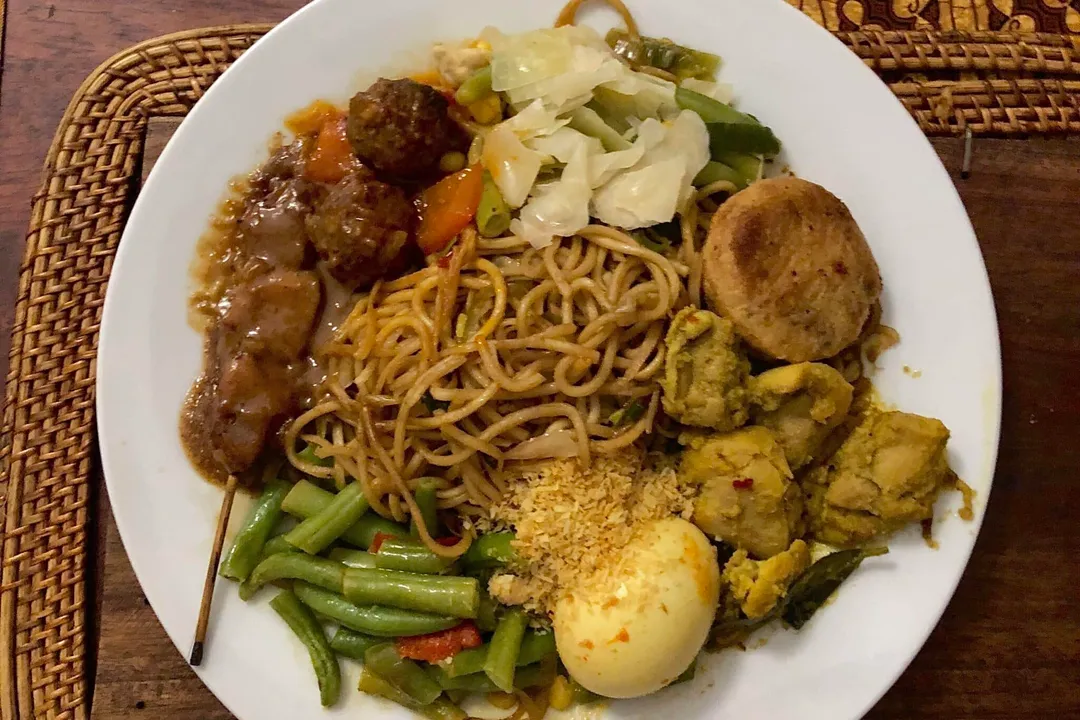
The strong historical connection between the Netherlands and Indonesia has resulted in one of the city's most celebrated culinary exports: Rijsttafel (rice table). [4] This is not a single dish but a magnificent spread of dozens of small, flavourful Indonesian side dishes served alongside rice. [4] Expect to find everything from satay skewers and spicy beef (rendang) to vegetable curries and pickled salads. [3] While it requires a commitment in terms of time and budget, sharing a Rijsttafel is a highly recommended communal dining experience that showcases a key element of modern Dutch gastronomy. [4]
# Cheese Culture
No food guide to Amsterdam is complete without mentioning cheese. [2] The country is globally recognized for its dairy production, making sampling the local wares a necessity. [2][7] You will find endless varieties, but focus on the classics like Gouda and Edam. [2]
When shopping for cheese, remember that the age dictates the flavour profile. Young Gouda (jong) is smooth, mild, and semi-hard, making it excellent for sandwiches. As it ages to oud (old), the texture becomes crumblier, the flavour intensifies, and it develops those characteristic crunchy tyrosine crystals. [2] A practical tip for visitors is to sample a few varieties at a dedicated cheese shop before buying, as many offer free small tastes. Look for shops that sell cheese cut directly from large wheels, as pre-packaged airport versions rarely capture the true essence of freshly aged Dutch dairy.

# Drinks
To wash down these culinary adventures, consider the local beverages. The Netherlands has a rich history with beer, and while international brands are everywhere, seeking out local craft breweries offers a better taste of contemporary Dutch brewing. [2]
For something uniquely Dutch, try Jenever. [3] Often considered the precursor to modern gin, Jenever is traditionally served neat and ice-cold. [3] It is common practice to approach the bartender, state your desired flavour (often traditional malt-based or a fruit flavour), and then bend over the bar to take the first sip, which is traditionally done by sipping the liquid without hands until the glass is nearly empty. [3]
# A Final Taste Note
While the list above covers the traditional and essential bites, remember that Amsterdam is fiercely cosmopolitan. You will find exceptional Lebanese falafel, high-quality sushi, and trendy brunch spots everywhere. [5] However, what makes eating well here distinct is the context. The experience is often quick, highly portable, and deeply embedded in the city’s infrastructure—from the Febo wall to the herring carts near the markets. [1][4] Don't overlook the simple pleasure of grabbing a fresh-baked treat from a local banketbakker (pastry shop) and eating it while walking alongside the canals; it’s a moment of pure, unpretentious Amsterdam living. [5] The city encourages grazing rather than rigid meal structures, making it easy to snack your way through the day, sampling history one deep-fried delicacy at a time. [7]
Related Questions
#Citations
Amsterdam Food Guide (what to nibble on as you explore the city!)
Amsterdam – It's All About the Food - NeverStopTraveling
How To Eat Well in Amsterdam - James Dimitri
Amsterdam Food: Our List of The Best Amsterdam Restaurants
Amsterdam Food recommendations : r/SortedFood - Reddit
Top 14 Things To Eat In Amsterdam (And Where To Find Them!)
10 Best Foods in Amsterdam You Need to Try - Rachel IRL
We ❤️❤️❤️ Dutch food. Here is our overview of food you might ...
Food Guide to Amsterdam - Nina Nasre