Can I eat the onion grass in my yard?
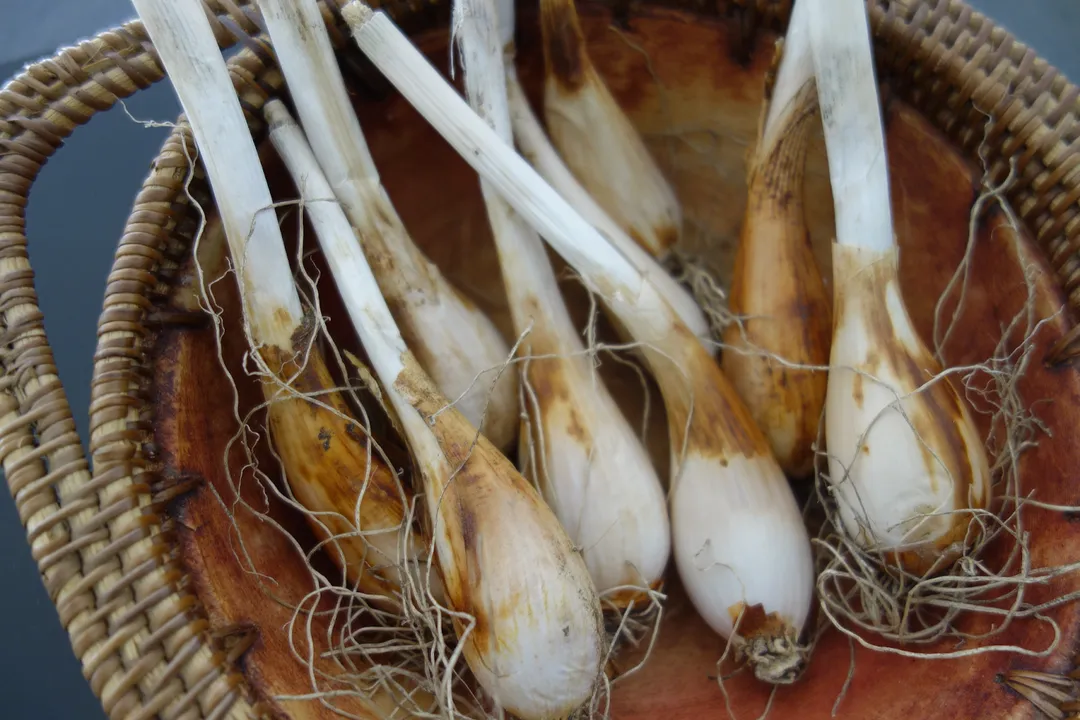
The green shoots poking up through your lawn or garden beds certainly look promising, especially if they carry that distinct, pungent aroma when you crush a leaf between your fingers. Many people wonder if those wild onions or garlic growing right outside their door are safe for the kitchen. The short answer is often yes, but that simple affirmation comes with major caveats, primarily centered on positive identification and knowing the history of where they are growing. [3][7] Finding these plants, often collectively called onion grass, presents a foraging opportunity right in your own backyard, provided you proceed with caution and certainty. [4][8]
# Scent Confirmation
The most reliable method for determining if the plant you are looking at is an edible wild onion or garlic hinges entirely on its smell. [9] If you crush a leaf or the base of the plant between your fingers, it must smell distinctly like onion or garlic. [4][7] This immediate olfactory cue is the first and most critical line of defense against consuming something toxic. If there is no recognizable onion or garlic scent, you should assume it is not edible and discard it immediately. [7][9] This test is essential because nature includes convincing look-alikes that share the grassy appearance of onions but carry potential toxicity. [7]
# Dangerous Mimics
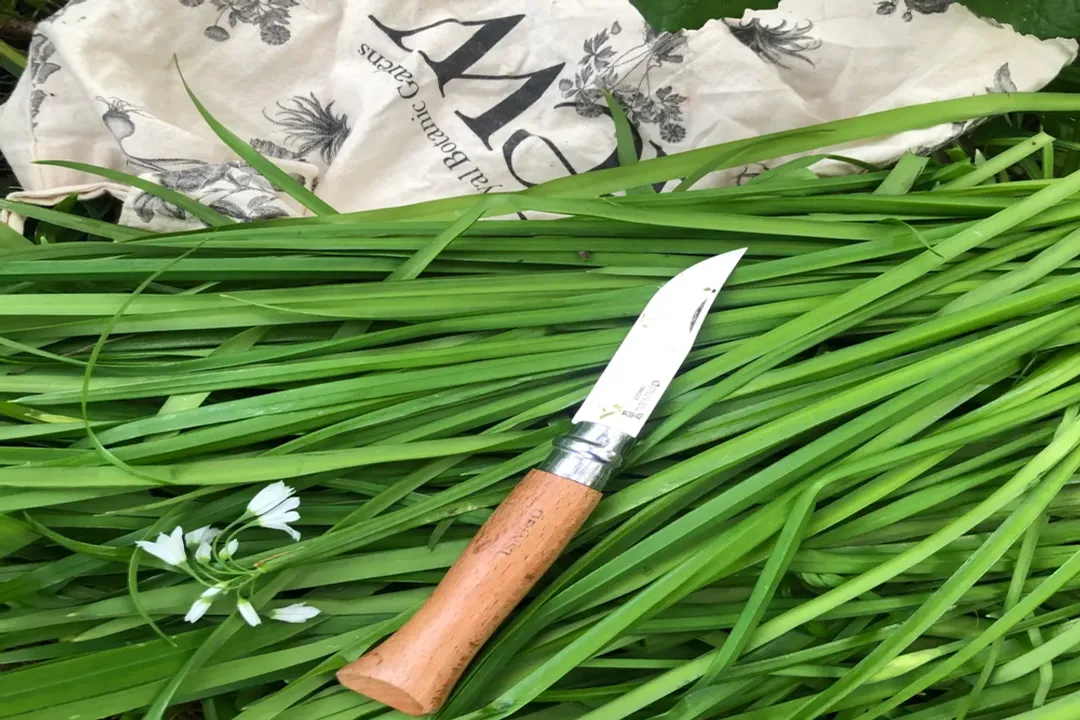
Even with the strong scent rule in mind, visual confirmation and understanding the toxic imposters are necessary parts of responsible foraging. [7] The main concern involves plants that grow similarly but lack the characteristic smell. A frequently cited example of a dangerous look-alike is Ornithogalum umbellatum, commonly known as Star-of-Bethlehem. [7] This plant possesses the grassy structure of wild onions but does not emit the expected odor when damaged. [7] Because of this potential confusion, relying on a single visual characteristic is risky; the smell test must always be conclusive. [9] Another factor mentioned is the structure of the bulb underground; true wild onions often have a distinct, small, onion-shaped bulb, whereas some toxic look-alikes may not form a true bulb or may have different subterranean structures. [7]
# Yard History
While the identification of the plant itself is paramount, the location of the growth requires careful consideration before consumption. [1] If your yard has been treated with herbicides or pesticides, these chemicals can be absorbed by the plants. [1] Even if you have not sprayed recently, if the area was previously a commercial or heavily maintained lawn, the soil history matters. Certain persistent chemicals can remain in the soil structure for extended periods, and the plants will draw those residues up into their edible parts. [1] Therefore, an actionable step for anyone planning to eat yard growth is to know the chemical history of the soil itself, not just whether the current batch is "weed-free". [1] If you have any doubt about the history of chemical treatments, or if the plants are growing right beside pavement that might have runoff, it is safer to err on the side of caution and leave them be. [1][5]
# Culinary Application
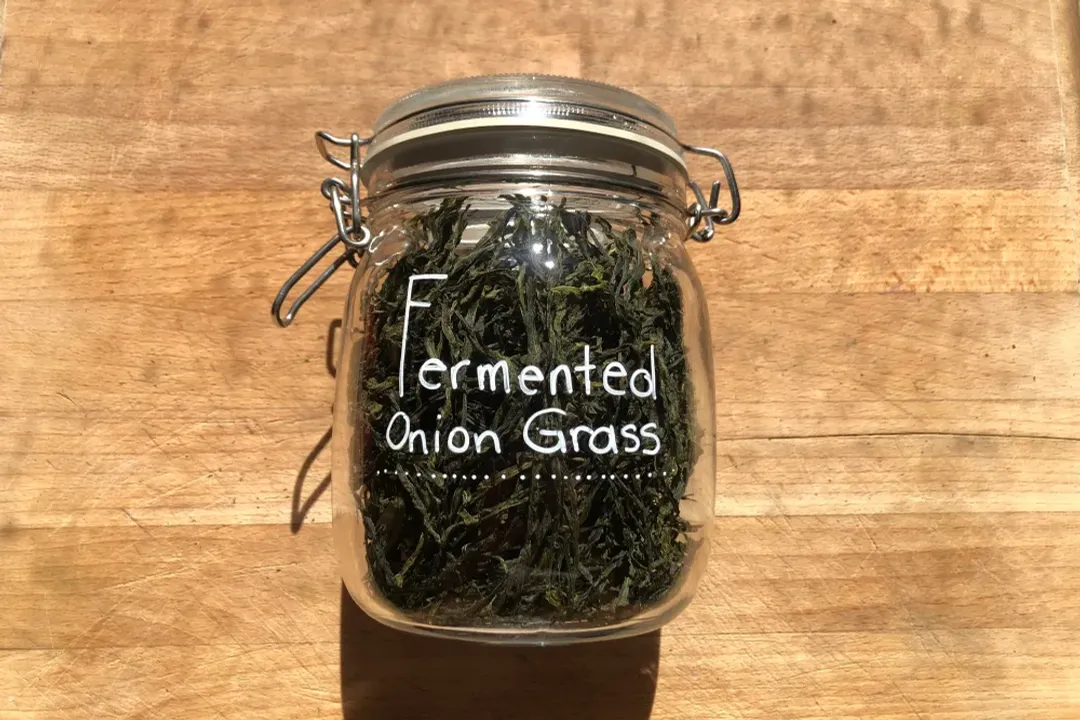
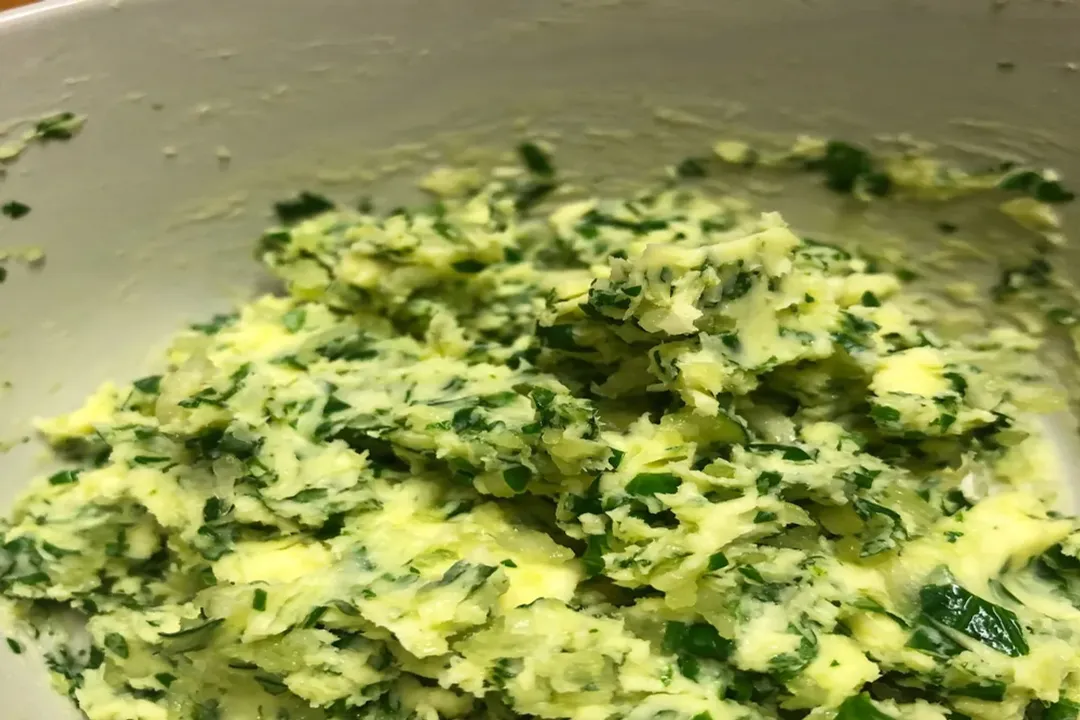
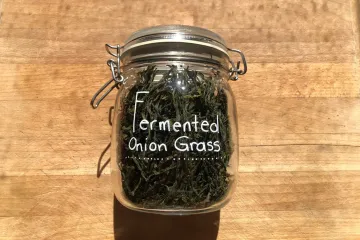
Assuming you have positively identified your plants as true, safe-to-eat wild onions or garlic based on the strong smell, their culinary potential is quite broad. [2][3] They can function exactly as cultivated onions or chives would, adding a sharp, sulfurous depth to dishes. [4] Many foragers enjoy using them raw to provide a pungent kick to salads or simply sprinkled over eggs. [2] If you prefer them cooked, they can be sautéed, used in soups, or incorporated into dressings. [2][3] Furthermore, like cultivated alliums, these wild varieties can often be preserved through drying or pickling to extend their use beyond the brief spring window when they are freshest. [3]
| Preparation Style | Intensity/Flavor Profile | Common Uses Cited |
|---|---|---|
| Raw | Sharp, pungent | Salads, garnishes |
| Sautéed | Milder, sweetens | Cooked vegetables, bases for sauces |
| Pickled | Tangy, preserved | Condiments, antipasto |
| Dried | Concentrated flavor | Seasoning blends |
| [2][3] |
It is interesting to compare the flavor profiles mentioned casually by home cooks. Some users suggest that the flavor of wild garlic is generally milder than store-bought garlic, while others note that the wild onions can sometimes present a sharper, more aggressive flavor, suggesting variation based on the exact species present and the time of harvest. [1][3]
# Harvesting Practices
When you decide to harvest, the method affects both the yield and the longevity of the patch itself. Wild onions and garlic often grow in dense clusters, and simply yanking them out by the green tops can leave the bulb intact, allowing the plant to quickly regrow. [8] To harvest effectively, it is often recommended to dig around the base to extract the entire bulb, which is where the strongest flavor often resides. [8] However, consider the balance: if you are harvesting from a designated "lawn" area, taking only a portion of the cluster—perhaps by snipping the green tops or carefully removing one bulb from a tight clump—allows the rest of the patch to persist. [1][5] For instance, a light, selective harvesting approach focused on clipping the green blades can actually help manage the density of these plants in a turf area without completely eradicating them, potentially making the lawn look a little less weedy while still providing a resource. This strategy contrasts with clearing an entire patch found in a naturalized or wild area where maximizing the yield is the primary goal. [8] Always ensure you are harvesting sustainably, taking only what you need and leaving plenty behind to ensure the patch returns next season. [3]
# Positive Identification Checklist
Because the stakes are high—mistaking an edible plant for a toxic one—a methodical approach to identification is non-negotiable. This process moves beyond just grabbing a handful and hoping for the best.
- Visual Inspection: Note the structure. Are the leaves hollow or flat? Are they solid tubes or flat blades? While there are different types of wild onion/garlic, look for general characteristics of the Allium family. [7]
- The Scent Test: Crush a small piece of the green part, or ideally, the bulb portion if you have dug one up. A true wild onion/garlic will smell strongly of onion or garlic. [4][9]
- The "No Smell" Rule: If the plant does not smell like an allium, it must be discarded, regardless of how much it resembles one. [7] This is the absolute deal-breaker for safety.
- Soil Assessment: Before consumption, verify the land has not been recently contaminated with herbicides or pesticides. [1]
- Bulb Examination: If you dig one up, look at the underground structure. Edible wild onions often have a small, true bulb. [7]
By treating the identification process as a multi-step verification rather than a single test, you build confidence in your foraging success while respecting the potential dangers posed by look-alikes. [7] Many experienced foragers treat this as a fundamental rule: If you cannot identify a wild plant with 100% certainty, do not eat it. [9] For the plants in your own yard, that certainty should be easier to achieve, provided you trust your senses and your knowledge of your own lawn's history. [1]
#Videos
Using wild onions and garlic from the lawn - YouTube
Related Questions
#Citations
Silly question. Wild onions in my yard. Edible? If so, can I replant?
Eat Your Weeds - Wild Garlic a.k.a. Onion Grass or Field Garlic
Foraging Wild Onions — The Seed Sage | Raised Bed Garden ...
Foraging for Wild Garlic and Onions - Mossy Oak
Are wild onions edible? - Facebook
Using wild onions and garlic from the lawn - YouTube
Wild Onion and Its Dangerous Look-Alike - Youth in Food Systems
Foraging: Onion Grass - The Urban Nanna
How to know if the 'wild garlic/wild onions' in your yard are edible