What can you do with onion grass?
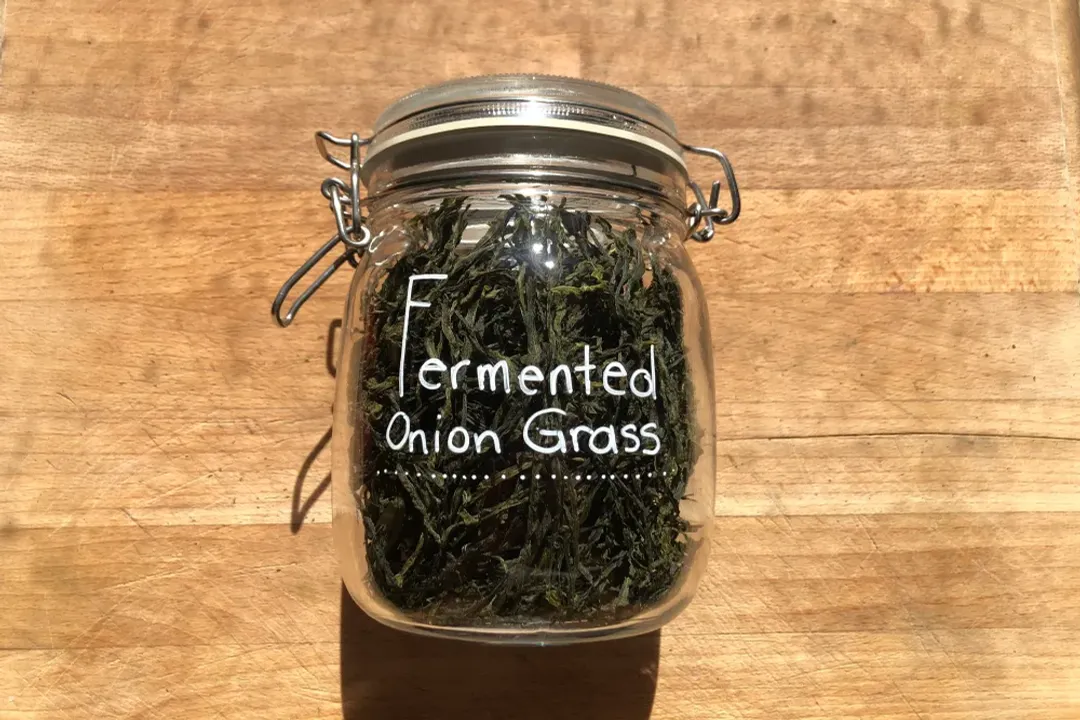
The question of what to do with onion grass often divides property owners; for some, it is a welcome, flavorful addition to the kitchen, while for others, it represents an unwelcome takeover of the manicured lawn. This common wild plant, frequently confused with its culinary cousins, offers a mild onion or garlic flavor that makes it quite versatile when used in cooking, provided you can correctly identify it and manage its presence in your garden space. [1][6]
# Identification Certainty
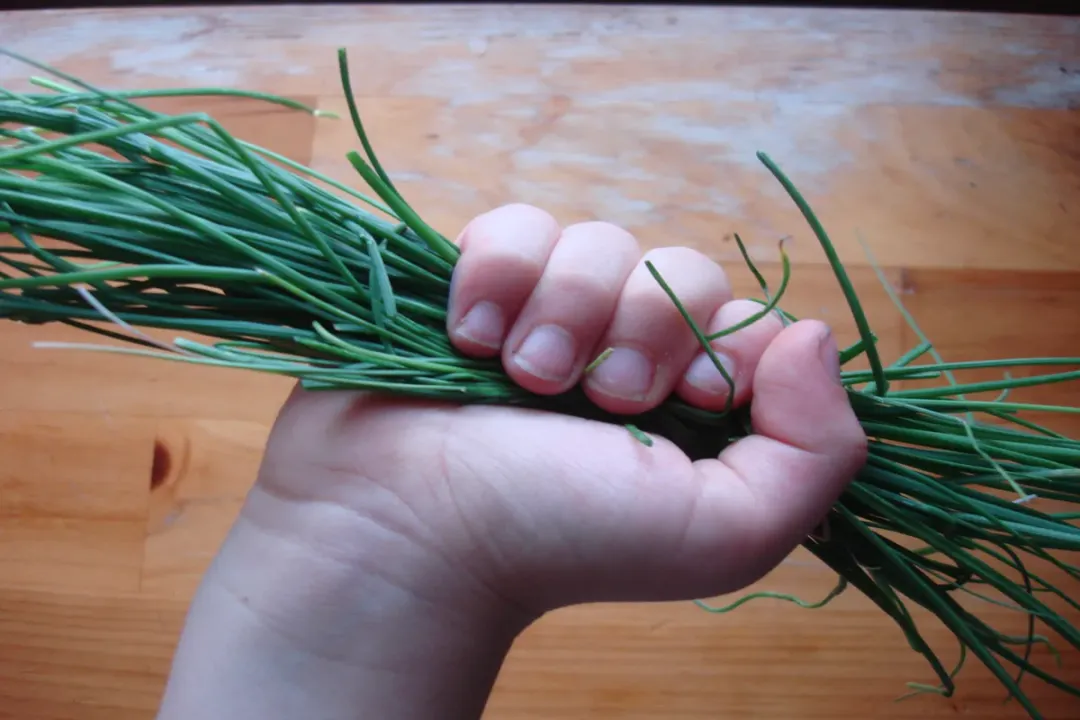
Before consuming any wild-growing plant, absolute positive identification is essential. Onion grass, sometimes referred to as wild garlic, shares a similar appearance with chives, which can lead to confusion for the novice forager. [1] A key distinguishing feature is the smell: when crushed, genuine onion grass or wild garlic emits a distinct, unmistakable garlic or onion scent. [1] If you rub the blades between your fingers and do not detect this sulfuric aroma, it is likely not the edible variety you are seeking. [1] The plants typically grow as slender, green, grass-like leaves erupting from bulbs beneath the soil surface. [7]
# Foraging Guidelines
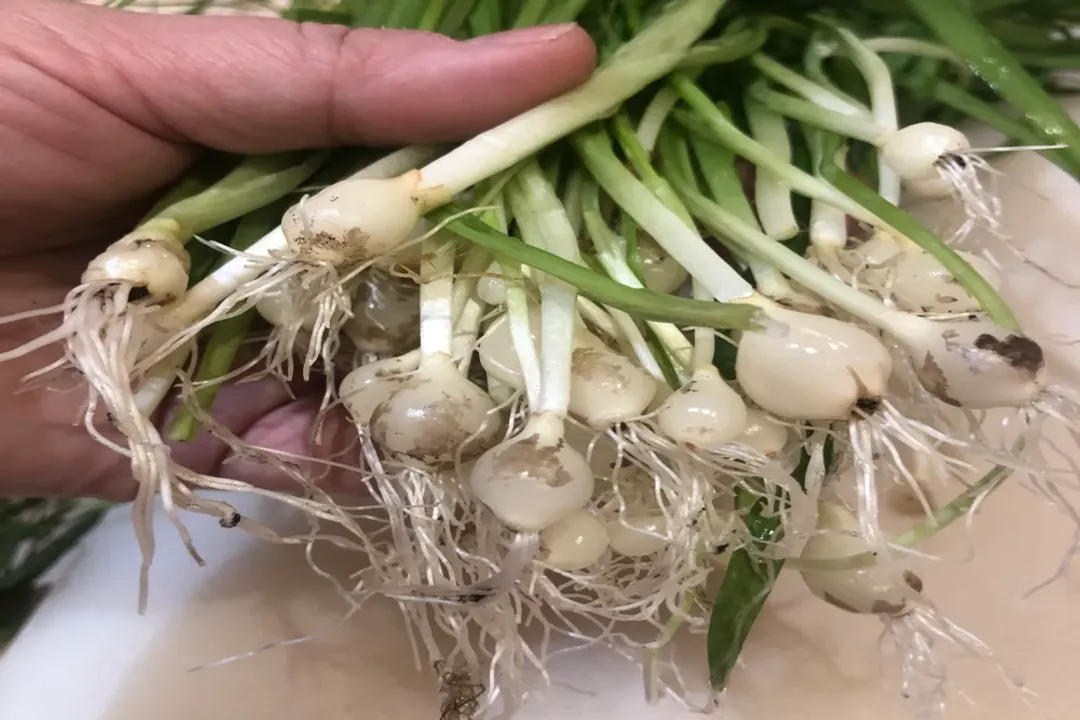
When seeking out onion grass for consumption, the best time to harvest is generally in the spring when the growth is freshest and most tender. [2] You can typically collect the green blades, similar to using chives. [2] Some foragers also note that the small, white bulbs underground can be utilized, though harvesting these roots can be more disruptive to the surrounding area, especially if the goal is to manage the plant in a turf setting. [2] It is always advisable when foraging to know the history of the area; avoid collecting from chemically treated lawns or areas where contamination is possible, as what you put in your body must be as clean as what you put on your plate. [7]
# Kitchen Uses
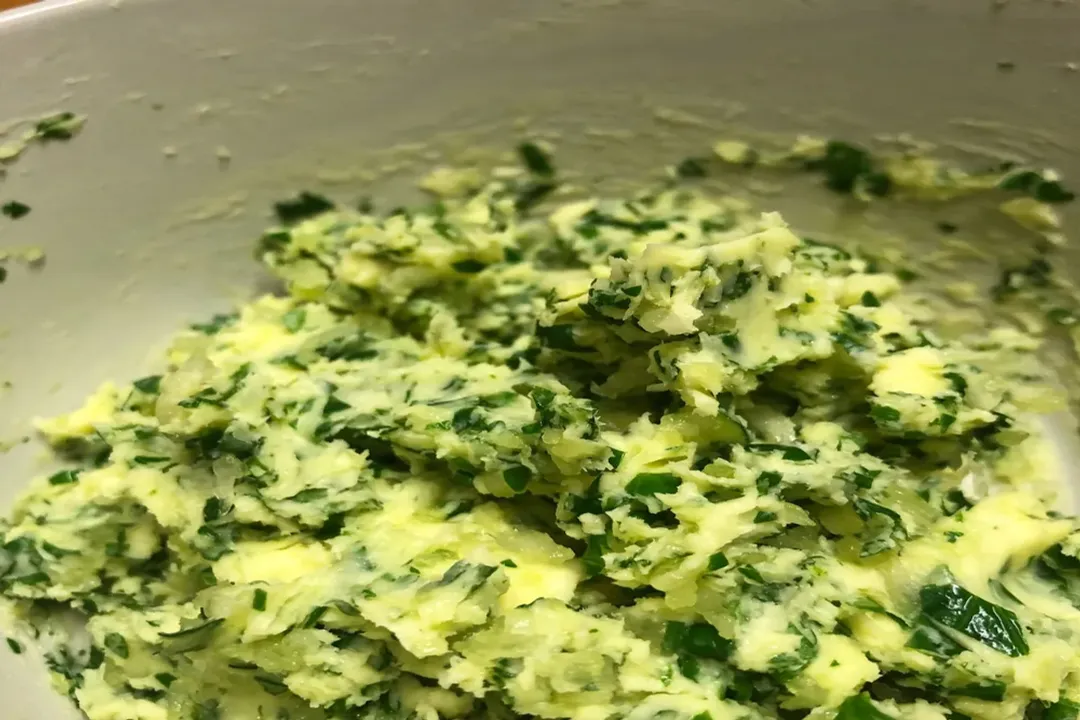
The culinary appeal of onion grass lies in its gentle allium flavor—it provides a light garlic or onion note without the sharpness sometimes associated with fully mature onions or potent garlic cloves. [1][6] This mildness makes it an excellent substitute for chives in many preparations. [6]
One simple and highly recommended application involves incorporating it into soft cheeses. For instance, finely chopped onion grass can be mixed into softened cream cheese, perhaps with a bit of salt and pepper, creating a flavorful spread perfect for bagels or crackers. [6] This preparation effectively showcases the subtle flavor profile of the grass. [6] Beyond simple spreads, the green tops can be chopped and used as a fresh garnish for soups, salads, or even mixed into scrambled eggs, similar to how one would finish a dish with fresh herbs. [1]
Here is a basic comparison of how onion grass might be substituted in standard recipes:
| Ingredient | Onion Grass Application | Flavor Impact Note |
|---|---|---|
| Chives | Direct 1:1 substitute in omelets or baked potatoes | Slightly more garlicky nuance expected. [1][6] |
| Scallions (Green Parts) | Used as a fresh topping or garnish | Milder, less pungent finish. [1] |
| Garlic Powder | Used in spreads or dressings | Offers fresh, green notes rather than dry heat. |
It is worth noting that the desirability of the flavor seems tied to the plant's lifecycle. If you are harvesting it from a lawn that has been allowed to grow long, the flavor might be slightly more pronounced than if you catch the shoots when they are just emerging in early spring. [2] Think of it like wild asparagus; early harvesting yields tenderness, while waiting develops stronger character.
# Lawn Obstruction
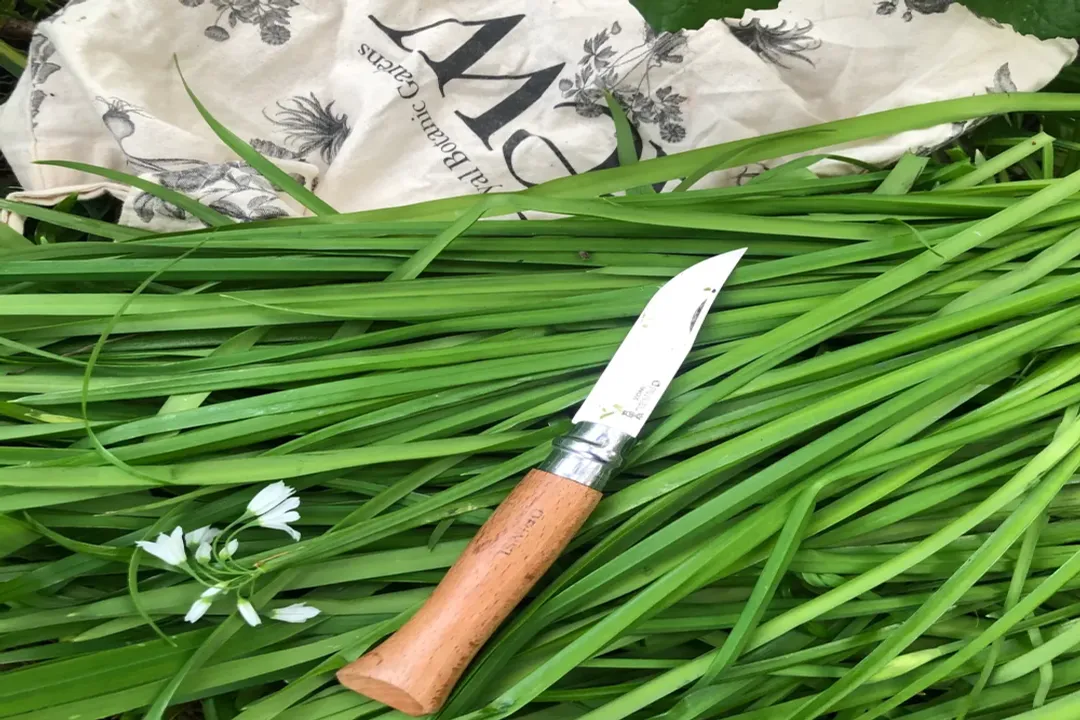
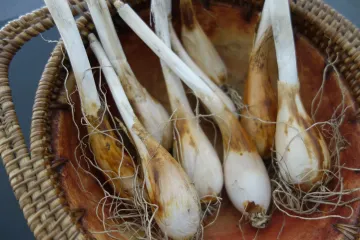
Despite its edible potential, onion grass remains a persistent problem for homeowners aiming for a perfect, uniform lawn. [7] It spreads via small, clustered bulbs that are difficult to remove completely, leading to dense patches that choke out desirable turf grasses. [3] The plant’s growth habit, often described as clumping, makes it visually distinct and frustrating when trying to maintain a consistent turf height. [7] These small bulbs are the primary reason for its aggressive return year after year, as simply mowing or pulling the visible green tops does not eliminate the underground source of future growth. [3]
# Eradication Tactics
Dealing with established onion grass patches requires a targeted approach, whether you prefer chemical intervention or physical removal. [8]
# Chemical Control
For widespread lawn infestations, selective herbicides are often employed. [8] Products formulated to control broadleaf weeds can sometimes manage wild onion or garlic, but success often depends on the specific chemical makeup and the timing of application. [8] Scott's Miracle-Gro suggests that treatments containing 2,4-D, Quinclorac, and Dicamba are commonly used to target these weeds. [8] It is crucial to apply these treatments when the grass is actively growing, which ensures the herbicide is effectively absorbed and translocated down to the bulb structure. [8] For best results, read the product label carefully, as multiple applications may be necessary to completely exhaust the energy reserves in the underground bulbs. [8]
# Manual Removal
If you prefer to avoid synthetic chemicals, or if the infestation is small, manual removal is an option, although it is labor-intensive. [3] To effectively remove onion grass by hand, you must dig out the entire clump, ensuring that every small bulb is extracted from the soil. [3] If even a few bulbs are left behind, the plant will regenerate. [3] Some gardeners use a narrow weeding tool to try and pry the bulbs out without disturbing too large an area of the surrounding turf. [3]
A helpful strategy when physically removing patches, especially in smaller yards, is to treat the act of removal as a harvest first. If you are planning to eat the grass, you can selectively dig up the clumps, gather the edible tops and bulbs, and then treat the remaining area or reseed, minimizing waste from non-edible destruction. This dual approach acknowledges both the plant's utility and its nuisance factor simultaneously.
# Bulb Persistence Analysis
The core difficulty in managing onion grass stems from the structure of its underground storage organs. [3] Unlike some surface-rooted weeds, onion grass utilizes small, separable bulbs, similar to miniature garlic cloves. [3] When a large clump is pulled or when a lawn is heavily mowed, these individual bulbs often detach and scatter into the surrounding soil. [3] Each detached bulb effectively becomes a new, independent plant waiting for favorable conditions to sprout. [3] This regenerative ability explains why treating the visible foliage alone is ineffective; the chemical or physical removal must penetrate to the root zone to be successful. [8] The persistent nature of these bulbs means that even after a seemingly successful cleanup, a second or third wave of growth can appear later in the season or the following spring if not all underground structures were destroyed or completely removed. [3][7]
# Preparing for Preservation
While fresh foraging is ideal, the abundance of onion grass during its peak season might lead you to consider preservation methods. Since the flavor profile is similar to chives, the same preservation techniques can often be adapted. One effective method, which captures the fresh flavor profile without relying on the moisture of fresh use, involves quick freezing. Finely mince the harvested grass blades—and if you are certain of your identification and willing to use them, the small bulbs too—and then flash-freeze them in small portions. You can lay the minced grass thinly on a parchment-lined baking sheet until frozen solid, then transfer the frozen pieces into a sealed freezer bag. [4] This method helps retain the volatile aromatic compounds better than simple drying, which often loses the delicate onion essence. Stored this way, you can add concentrated flavor directly to sautés or baked goods throughout the year, ensuring you don't waste any successful foraging trip.
#Videos
Edible Onion Grass / Crow Garlic / Field Garlic (Allium vineale)
What to Do With Wild Onions and Garlic in Your Lawn - YouTube
Related Questions
#Citations
Eat Your Weeds - Wild Garlic a.k.a. Onion Grass or Field Garlic
Foraging: Onion Grass - The Urban Nanna
How do I get rid of wild onion grass taking over my entire lawn??
Onion grass recipes and uses suggestions needed - Facebook
Edible Onion Grass / Crow Garlic / Field Garlic (Allium vineale)
Backyard Foraging: Onion Grass (just like chives!) and cream ...
How did THAT get into my lawn: Onion Grass
How to Kill Wild Onion and Garlic in the Lawn | ScottsMiracle-Gro US