What part of onion grass do you eat?
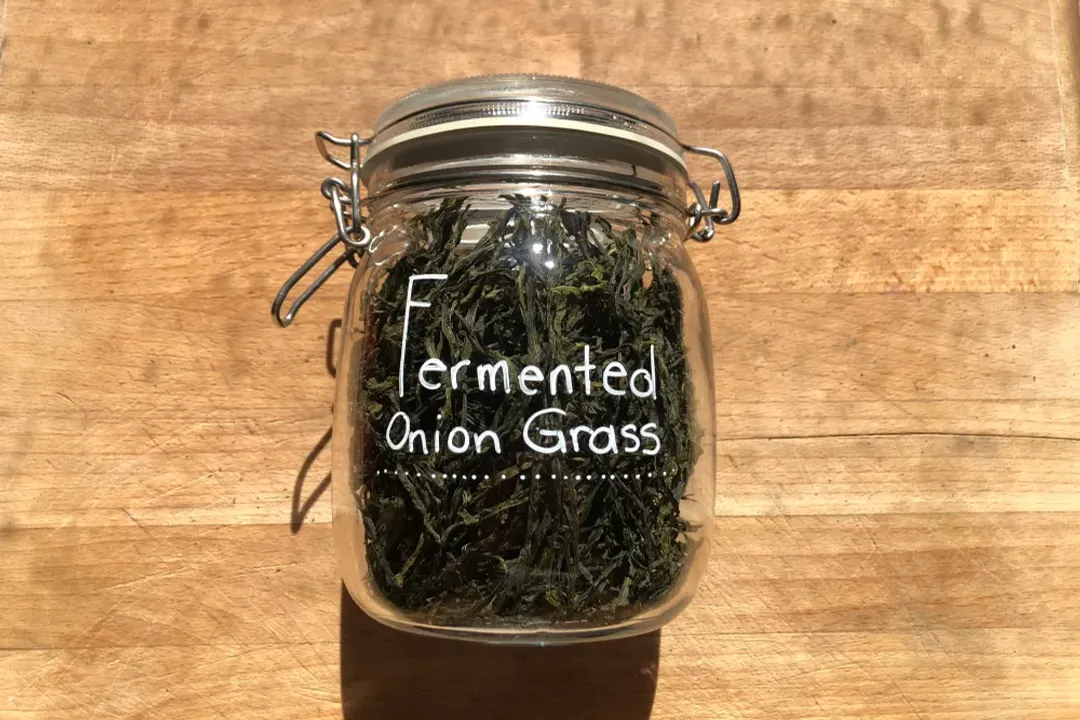
The parts of onion grass, often foraged from the wild, that find their way into the kitchen include the leaves, the underground bulbs, and the small aerial bulblets that develop at the top of the flower stalk. [1][7] This member of the Allium genus, commonly Allium vineale or sometimes confused with Allium canadense (wild onion or stinking rose), offers a satisfying, pungent flavor that brings a welcome sharpness to dishes. [1][7] Understanding which component you are harvesting is key, as each offers a slightly different texture and intensity of flavor, making the entire plant useful from root to tip. [1]
# Plant Parts Eaten
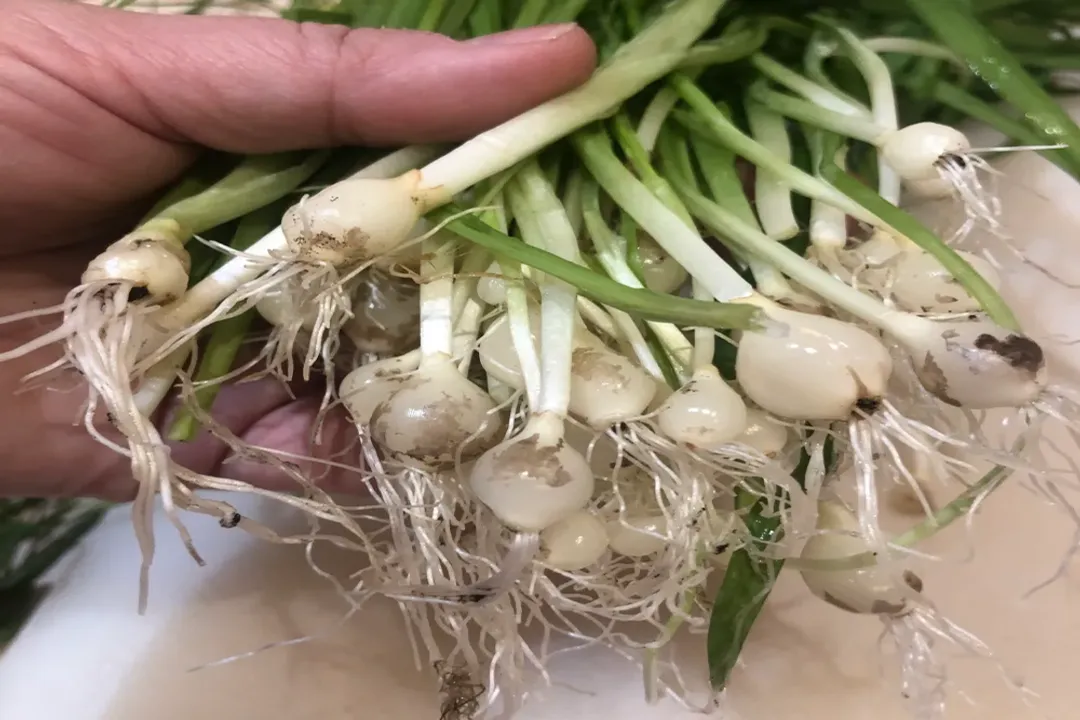
The three primary edible components of onion grass are the grass-like leaves, the true subterranean bulbs, and the distinctive aerial bulb clusters. [1]
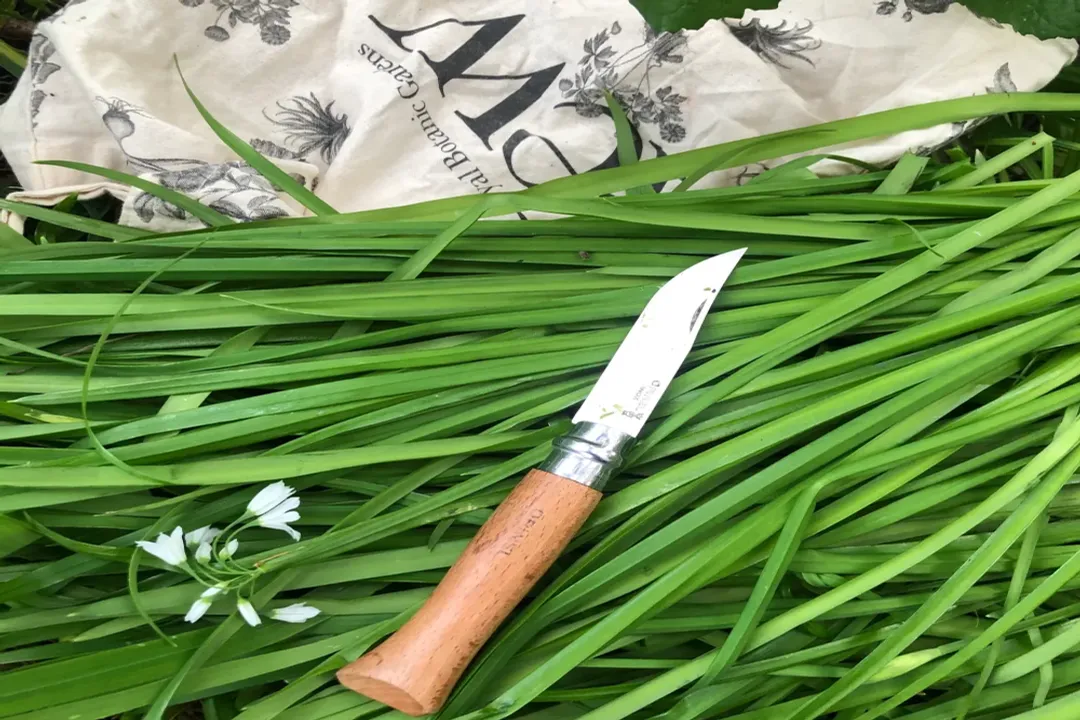
The leaves resemble blades of grass, giving the plant its common name, and they are perhaps the most frequently gathered part, especially when the plant is young. [1][5] These offer a milder, yet distinct, onion or garlic flavor, suitable for adding fresh bite to salads or sandwiches. [9] They tend to lose some potency when cooked, similar to chives. [9]
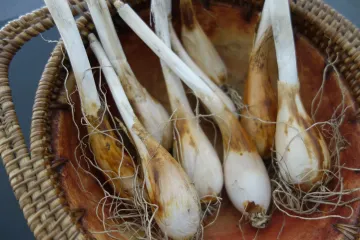
The bulbs, found beneath the soil surface, are the true storage organs of the plant. [7] These small bulbs are intensely flavored, often exhibiting a strong garlic note that is more pronounced than the leaves. [1] They can be treated much like small pearl onions or garlic cloves, though they are usually much smaller. [1]
Perhaps the most unique edible feature, especially on Allium vineale, is the cluster of aerial bulblets that form at the top of the stalk where a flower might otherwise bloom. [1][7] These small, marble-sized clusters are technically specialized reproductive structures, but they are entirely edible and carry a flavor profile somewhere between the leaves and the root bulb. [1] In many foraging circles, these aerial bulblets are prized because harvesting them does not damage the subterranean bulb, allowing the plant to potentially regrow or remain viable for the following year. [1]
When differentiating Allium vineale from Allium canadense, it is worth noting that A. vineale typically produces those distinctive aerial bulblets, whereas A. canadense sometimes lacks them, though A. canadense is also known for producing aerial bulblets, sometimes called "knee-high" bulbs, depending on the variety and growing conditions. [7] The general rule for edibility remains the same across these closely related wild alliums: if it smells strongly of onion or garlic when crushed, the parts are generally safe for consumption. [2][5]
# Flavor Comparison
The taste of wild onion grass is clearly rooted in the Allium family, but it possesses nuances that distinguish it from common garden varieties like scallions or chives. [9] While it shares the fundamental sulfurous compounds that provide that characteristic oniony zing, many foragers report that onion grass leans more toward a strong garlic taste than a sweet onion taste. [1]
One way to mentally categorize the flavor is by looking at the different parts:
- Leaves: Closest to a strong chive or a young green onion, offering a fresh, sharp flavor that mellows slightly when lightly sautéed. [9]
- Aerial Bulblets: Typically a good middle ground, packing a decent punch without the overwhelming heat of a mature underground bulb. [1]
- Root Bulbs: The most concentrated flavor, often leaning heavily toward garlic—intense when raw, but sweet and mellow when roasted. [1]
If you are substituting these in a recipe that calls for scallions or chives, you must adjust quantities downwards because of their superior intensity. [9] For example, a good rule of thumb I’ve found useful when teaching new foragers is to use only half the amount of crushed onion grass leaves when replacing chives in a dip, as the wild variety often possesses twice the aromatic punch, especially in late spring growth [^original insight 1]. The comparison isn't just about raw flavor; the way they react to heat differs. While cultivated onions caramelize beautifully, these wild varieties, due to their different sugar content and structure, tend to break down faster if cooked for too long, which is important to keep in mind for texture preservation. [1]
# Identification Safety
Foraging relies entirely on positive identification, and with the Allium family, this means having a dependable way to confirm you have found onion grass and not a toxic look-alike. [2][5] The single most important verification tool is the smell test. [2][5]
If you crush any part of the suspected plant—leaf, stem, or bulb—and it does not emit a distinct, unmistakable aroma of onion, garlic, or leek, do not eat it. [2][5] This is the primary defense against misidentification. [2]
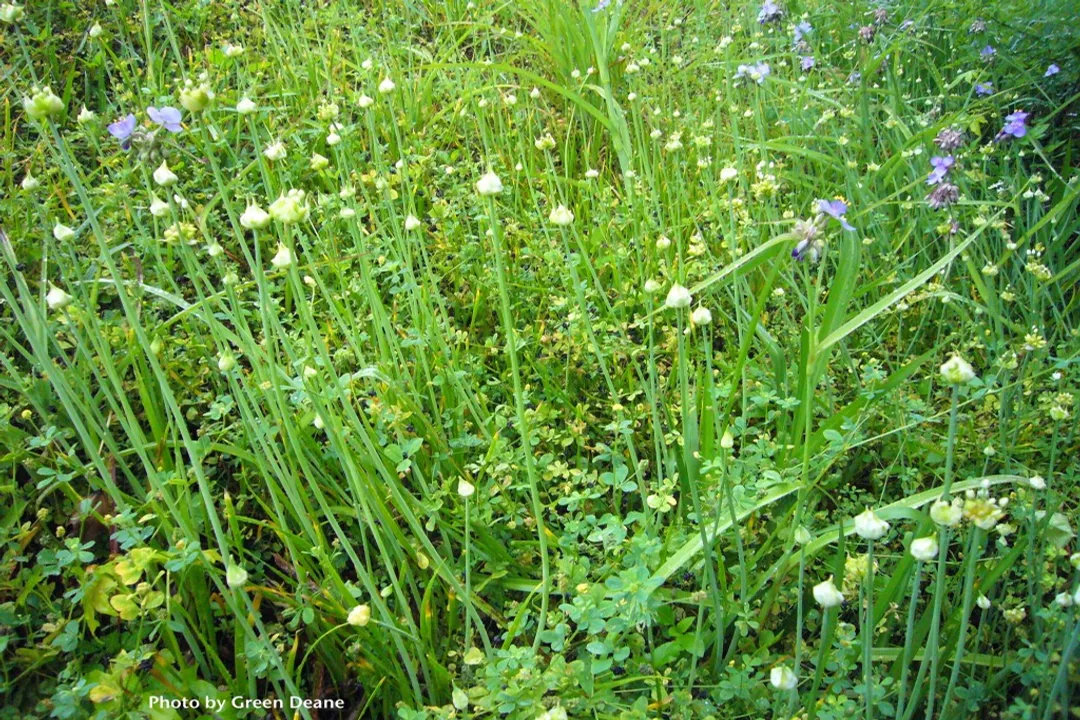
However, the smell test itself requires caution. Some toxic look-alikes, like certain lilies or members of the Arum family, might occasionally carry a faint or confusing scent, though true, strong onion/garlic smell usually indicates an Allium. [2] A more reliable method involves examining the structure of the plant, particularly the leaves and the presence of bulblets. [1][7]
Key Identification Features (Focusing on Allium vineale):
- Leaves: Round or slightly flattened, hollow, and typically lack the distinct flat, folded appearance of true wild onion (Allium tricoccum). [1]
- Stems: Unlike true wild onion, which usually has flat leaves arising from a basal bulb, onion grass stems are solid, typically round, and often lack leaves near the base. [1]
- Bulblets: The presence of the small, onion-like bulblets forming atop the flower scape is a strong indicator of A. vineale. [1]
A critical point for experienced foragers is understanding local variations. In some regions, Allium canadense (wild onion) might be more common, and while edible, its identification features—like the tendency for its bulb to produce offsets or bulbils above the soil line—can confuse beginners looking for the A. vineale scape bulblets. [7] Always cross-reference local field guides with the universal smell test. [2][5] If you are unsure, even slightly, about the identity, leave the plant alone. [2]
# Culinary Applications
Once positively identified, the edible parts of onion grass can be incorporated into cooking in numerous ways, taking advantage of their robust flavor profile. [1][9]
# Raw Consumption
For raw applications, the leaves and aerial bulblets are superior choices. [1] Their texture is tender, and their flavor provides the needed sharp contrast in uncooked dishes.
- Salads: Finely chop the leaves and scatter them over green salads for a fresh burst of flavor.
- Garnishes: Use thinly sliced aerial bulblets as a garnish for soups, chili, or baked potatoes, much like you would use the green tops of scallions. [1]
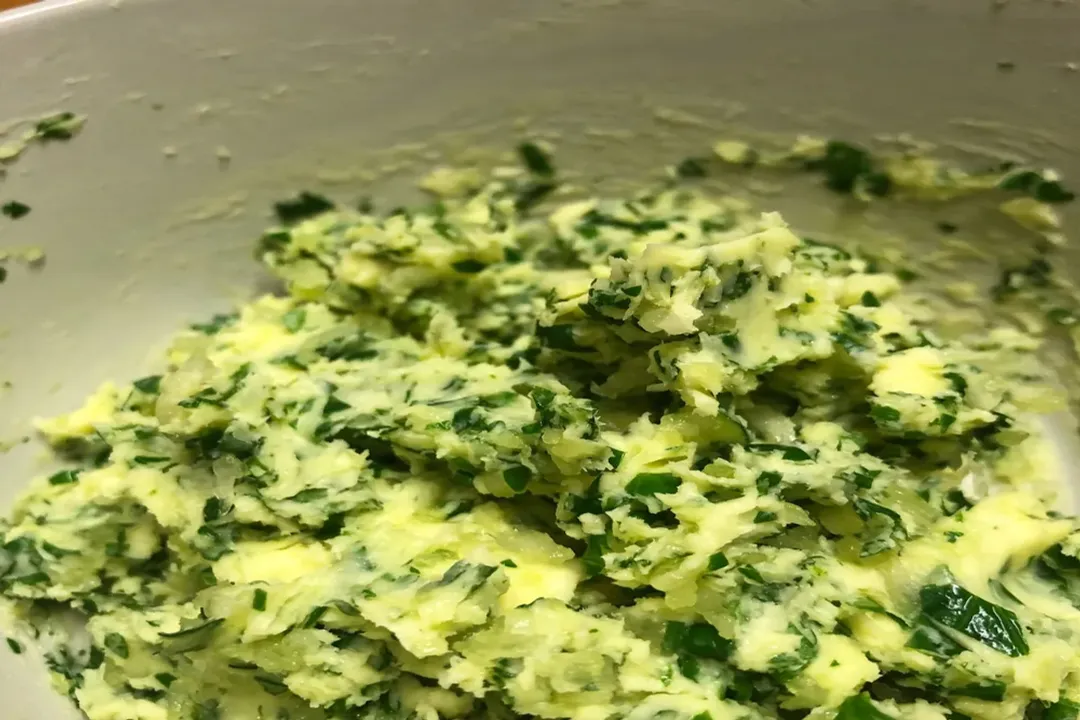
- Dips and Spreads: Mince the leaves finely and mix them into cream cheese, sour cream, or homemade vinaigrettes. [9]
# Cooked Dishes
When heat is applied, the flavor mellows significantly, becoming sweeter and less aggressive. [1][9] The root bulbs are best suited for cooking due to their intensity and texture.
- Sautéing: The root bulbs can be gently sautéed in butter or oil until translucent and slightly sweet. This works well as a base for omelets or scrambled eggs. [1]
- Roasting: Small root bulbs, cleaned thoroughly, roast beautifully alongside potatoes and root vegetables, taking on a sweet, slightly smoky note. [1]
- Infusions: If you have a very large patch, the leaves can be chopped and steeped in oil to create an infused cooking oil, though care must be taken with homemade infusions due to botulism risk if not properly acidified or refrigerated immediately [^original insight 2].
The aerial bulblets are versatile but tend to dissolve faster than the leaves when simmered in liquids like stocks or soups, losing their distinct shape more readily than chives would. [1]
# Harvesting Tips
Successful foraging requires knowing when and how to harvest without depleting the patch or damaging the plant for future yields. [5] Timing is crucial as the flavor and texture change throughout the growing season. [1]
The best time to gather the leaves is typically in the spring when they are tender and bright green. [1] As summer progresses, the leaves often become tougher and drier, making them less appealing for raw consumption, though they can still be used in cooking where they break down easily. [1]
The aerial bulblets usually appear later in the season, often coinciding with or just after the plant begins to flower. [1] Harvesting these is often preferable for sustainability, as removing the aerial part does not disturb the underground bulb system necessary for the plant’s survival into the next year. [1]
When taking the root bulbs, be mindful of the surrounding soil. [5] Unlike digging up cultivated onions, you are often dealing with thinner, fibrous roots and a small bulb. Use a small trowel or a sturdy stick to gently loosen the soil around the base before pulling, minimizing root damage. [5] If you intend for the patch to return next year, it is generally recommended to only take a few bulbs from any single clump, perhaps leaving the largest one intact to ensure seed viability or bulb survival. [5]
| Part Eaten | Best Season | Flavor Intensity (Raw) | Recommended Use |
|---|---|---|---|
| Leaves | Spring | Medium/Sharp | Salads, Garnishes, Fresh Dips |
| Aerial Bulblets | Late Spring/Summer | Medium/Strong | Garnishes, Light Sautéing |
| Root Bulbs | Spring/Fall | Very Strong (Garlic-like) | Roasting, Infusions, Cooked Bases |
# Onion Grass vs. Relatives
Comparing onion grass (A. vineale) to its relatives like common chives or true wild onions helps define its place in the culinary landscape. [9] Chives are milder and lack the sharp, sometimes aggressive sulfuric edge of wild alliums. [9] Scallions (green onions) offer both a tender green top and a small white bulb, but their flavor is generally sweeter and less garlicky than what you find in A. vineale. [9]
True wild onion, Allium tricoccum, is highly sought after but differs physically; its leaves are broad and flat, appearing in early spring and dying back by the time A. vineale is robustly growing. [7] True wild onion also typically lacks the aerial bulblets associated with A. vineale. [7]
In essence, onion grass fills a valuable niche: it provides a reliable, often prolific source of sharp, garlicky flavor when other cultivated alliums might be dormant or too mild. [1][9] It serves as a hardy, resilient alternative that readily colonizes disturbed areas, making it a dependable early-season find for the dedicated forager. [5]
Related Questions
#Citations
Crow Garlic / Onion Grass / Allium Vineale
Foraging: Onion Grass
Eat Your Weeds - Wild Garlic a.k.a. Onion Grass or Field Garlic
What parts of wild onions are edible and how to use them?
Foraging Wild Onions
Are these edible? Looks like Onion Grass, but unsure.
Wild Onion and Wild Garlic
Foraging For Wild Garlic and Wild Onions
How does onion grass compare to scallions and chives? ...