Why do I feel drunk after eating oysters?
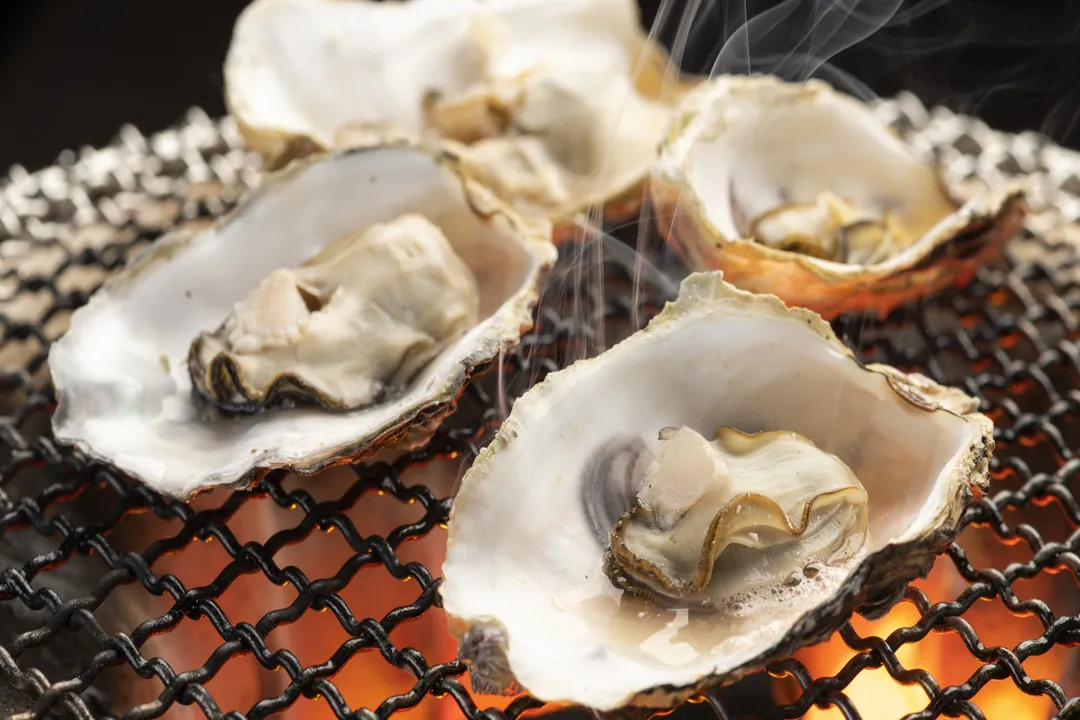
That strange, lightheaded feeling that sometimes washes over you after enjoying a platter of raw oysters—the one that feels almost like a mild buzz—is a surprisingly common anecdote among seafood lovers. It’s not just your imagination, and it’s often not the result of sneaking a flask of vodka alongside your shellfish. The sensation of feeling "tipsy" or experiencing a burst of euphoria after consuming raw oysters can be traced back to specific chemical reactions within the body, though it is critical to distinguish this perceived high from genuine, adverse physical reactions.
# Pleasure Chemical

The most frequently cited reason for this unique feeling of well-being is tied to the presence of certain compounds in oysters that interact directly with the brain's reward circuitry. Oysters are rich in specific amino acids, one of which is directly linked to the release of dopamine. Dopamine is the primary neurotransmitter associated with pleasure, motivation, and reward in the central nervous system.
When you consume oysters, this surge of dopamine floods the brain, creating a temporary state that can mimic the initial pleasant effects of alcohol or even other mood-altering substances. Some sources suggest that this effect is so potent that it triggers pathways similar to those activated by cocaine or nicotine, explaining the powerful craving or "addiction" people sometimes feel toward oysters, especially when paired with champagne. The immediate rush experienced after swallowing the oyster—often much faster than the onset of intoxication from drinking alcohol—is this chemical payoff hitting the brain. This swift neurological response is what many people interpret as feeling instantly lightheaded or delightfully buzzed.
# Mineral Theories
While the dopamine explanation focuses on neurotransmitters, another line of reasoning points toward the high mineral content found in these bivalves. Oysters are exceptionally rich sources of zinc, an essential trace mineral critical for numerous bodily functions, including immune health and hormone regulation.
Although the direct mechanism is less clearly defined than the dopamine release, some theories suggest that a sudden, significant intake of bioavailable zinc might cause a temporary shift in neurochemistry or blood flow that contributes to the sensation of euphoria or lightheadedness. It is worth noting that while zinc is vital, consuming it in excess rapidly through food is generally not expected to cause intoxication unless the individual has a pre-existing condition or is ingesting an unusually massive quantity. The speed and intensity described by many who feel "drunk" strongly favor the acute neurotransmitter effect over a slow mineral absorption process.

# Illness Confusion
It is absolutely necessary to differentiate the pleasant, fleeting "tipsy" feeling—caused by dopamine—from symptoms arising from foodborne illness or toxicity. Some adverse reactions to contaminated shellfish can produce symptoms that mimic intoxication, such as dizziness, lightheadedness, and confusion, but these are signs of poisoning, not pleasure.
One significant area of concern is Scombroid poisoning, which, although typically associated with improperly handled fish like tuna or mackerel, can occur with other seafood. This type of reaction is caused by high levels of histamine that develop when seafood decomposes or is mishandled. Symptoms of Scombroid poisoning often include flushing of the skin, headache, nausea, and dizziness. While dizziness and headache can feel like you are intoxicated, this state is driven by an inflammatory response to histamine, not a dopamine release.
Another severe, though less common, risk involves bacterial contamination, particularly from Vibrio species, which are naturally present in some oysters. While classic Vibrio infection usually manifests as severe gastrointestinal distress, other contaminants in shellfish can sometimes trigger neurological symptoms, occasionally including double vision or coordination issues, which might be broadly described by a layperson as feeling profoundly "off" or drunk. The key distinction here is that the dopamine effect is generally positive and fades quickly, whereas toxic or bacterial symptoms are negative, often worsening, and may include digestive upset or hives. If the feeling is accompanied by intense flushing or headache, it shifts from a culinary curiosity to a potential health concern.
If you notice that the mild "buzz" you feel is consistently followed by nausea or headache, it may be prudent to investigate the source of the oysters or consider thoroughly cooking them next time, as the underlying cause might be histamine buildup rather than celebratory neurochemistry.
# Consumption Context
The experience of feeling buzzed after oysters is often amplified or contextualized by what the oysters are eaten with. Raw oysters are classically paired with acidic elements like lemon juice, mignonette (vinegar-based sauce), or, most famously, dry sparkling wine like Champagne.
It is well established that consuming alcohol alongside certain foods can affect the perceived rate of intoxication. While one source specifically warns against pairing spirits with oysters due to flavor conflict, the general principle remains: combining any psychoactive effect, whether it’s dopamine release or the alcohol itself, can intensify the subjective feeling of inebriation. If you are eating oysters alongside drinks that contain alcohol, the perceived "buzz" from the oyster itself might simply be the alcohol acting faster, or the dopamine surge making the existing alcohol feel stronger than it is.
Consider this: Alcohol takes time to be fully absorbed and reach peak blood alcohol concentration. If you eat a dozen oysters quickly, the dopamine rush hits within minutes, perhaps making you feel the initial stages of a buzz immediately. If you then sip a glass of wine over the next half hour, the combined effect could certainly make you feel more intoxicated than if you had eaten the oysters in silence or eaten them after you finished your alcoholic beverage. The rapid initial chemical signal sets a psychological expectation that the subsequent alcohol consumption then confirms.

# Safety First
Given the dual nature of the oyster experience—the potential for pleasure versus the risk of illness—a few practices can help ensure you are enjoying the former and avoiding the latter.
The CDC recommends avoiding raw oysters if you have liver disease, diabetes, cancer, or a weakened immune system, as you are at a higher risk for severe Vibrio infection. For the general public, choosing reputable sources is paramount. Oysters harvested from warm waters during summer months carry a statistically higher risk of harboring Vibrio bacteria.
To mitigate risk related to histamine (Scombroid), the source must be handled correctly from harvest to plate. Oysters should be kept cold; high temperatures encourage the breakdown of proteins into histamine. If you suspect an issue based on the taste (sometimes described as peppery or metallic) or immediate post-consumption symptoms like flushing, immediate cessation of consumption is the safest bet.
In summary, the "drunkenness" from oysters is likely a genuine, if temporary, neurological event driven by dopamine release, which our brains interpret as euphoria or a slight high. However, because the symptoms of genuine shellfish toxicity—like dizziness or lightheadedness from histamine—can overlap with this feeling, one must always remain aware of the distinction between a pleasant chemical rush and a sign that the shellfish was compromised. Enjoying them fresh, raw, and appreciating the subtle science behind the taste can make the experience even richer.
Related Questions
#Citations
r/sushi on Reddit: Does anyone know the cause of euphoria felt by ...
Eating Raw Oysters Can Get You Tipsy - LivingSocial
Eating Raw Oysters Can Get You Tipsy - Groupon
Ocular Dysmetria and Gait Imbalance After Consumption of ...
Vibrio and Oysters - CDC
Why should you not drink spirits with oysters? - Quora
Science explains why you are addicted to oysters and champagne
Allergic and Toxic Reactions to Seafood
Scombroid Fish Poisoning - MN Dept. of Health