How do you eat pole beans?
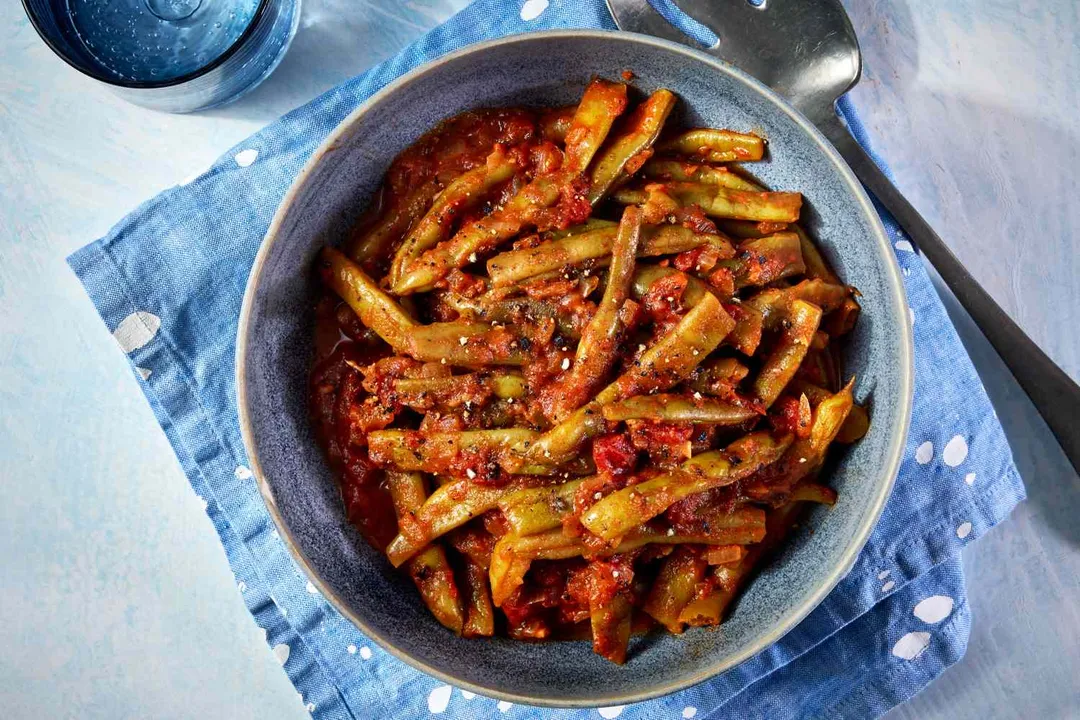
Pole beans offer a remarkable versatility in the kitchen, a quality that has cemented their place in gardens for generations, especially in regions like Appalachia. The simple question of how to eat them is best answered by considering their stage of maturity, as the preparation methods shift dramatically from the tender snap bean to the hard, dried legume ready for storage. Understanding these stages allows a gardener to maximize their harvest, ensuring that every bean, whether perfectly tender or slightly past its prime, finds a delicious purpose on the plate.
# Tender Snap Stage
When pole beans are young and tender, they are eaten much like any other green bean—the entire pod is consumed. This is the stage where the bean is at its most delicate, perfect for quick cooking methods that preserve its bright green color and crisp texture. Varieties like the popular ‘Kentucky Wonder’ are prized when harvested young for this very purpose. For the gardener, catching them at this point requires frequent picking, as they transition rapidly from perfect to slightly too mature for this preparation.
When eating them fresh off the vine at their peak, simple techniques reign supreme. A quick blanch followed by a sauté is a classic approach, which helps set the color and tenderize them just slightly without turning them mushy. These fresh beans are excellent additions to simple salads or as a straightforward side dish seasoned lightly with salt and pepper. They truly showcase the fresh, green essence of the vegetable before their internal seeds begin to swell significantly.
# Maturity Stages
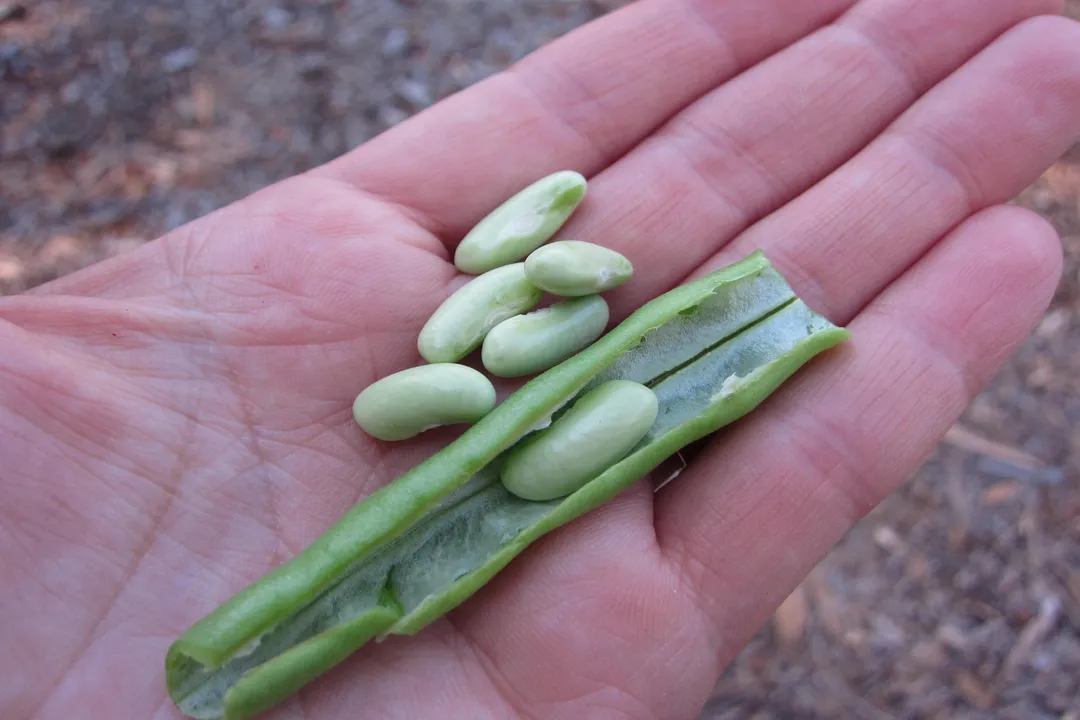
The beauty of pole beans lies in their multi-purpose nature. Unlike bush varieties that might be discarded once they pass the snap stage, pole beans offer subsequent opportunities for consumption as they mature on the vine. The progression moves from being eaten whole as a snap bean to being shelled for their seeds—the shell bean stage—and finally, to being left completely to dry—the dry bean stage.
A gardener might notice that some beans are developing tough strings or the pods are becoming too fibrous for enjoyable eating whole, but the internal seeds are still plump and somewhat soft. This is the shell bean stage. At this point, the pod is discarded, and the tender seeds inside are cooked, often boiled or steamed until tender. This preparation offers a different, creamier texture than the snap bean and serves as an excellent way to use beans that have simply grown too large or tough to eat pod-and-all.
The transition between stages is not always neat. A batch of beans might have a mix of perfect snaps and beans that are developing seeds. In these mixed batches, sorting is key. If you have a large harvest where many beans are over-matured, shifting your focus entirely to shelling or drying is the most productive route, rather than trying to force the tougher pods into a quick-sauté dish.
# Cooking Overgrown Pods
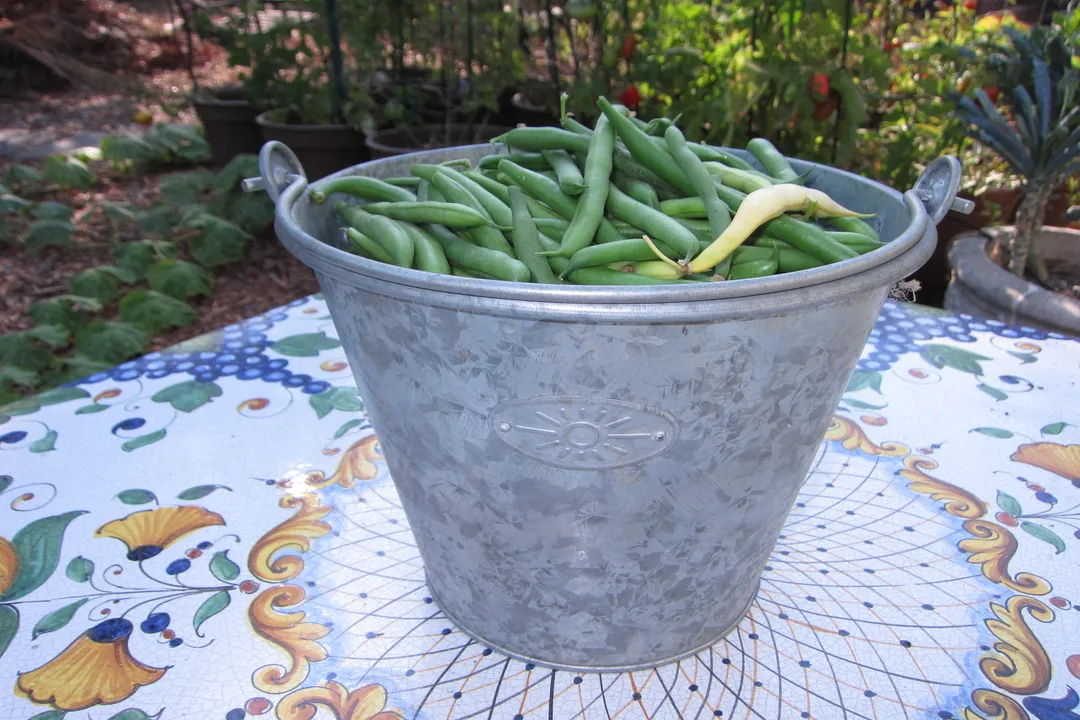
What happens when you forget to pick for a week or two, and the beans are stringy and the pods look gnarly? These "overgrown" green beans still have culinary potential, though they require different cooking approaches than their younger counterparts. The goal shifts from preserving crispness to breaking down the tougher cellulose structure of the mature pod.
One effective method involves slow cooking. A technique that treats these older beans almost like a braise works wonderfully, transforming their texture into something tender and deeply flavorful. This approach often pairs well with strong, savory elements like bacon, shallots, or garlic, which stand up to the extended cooking time needed. When preparing these beans, it is often necessary to remove the tough ends and strings first, if they haven't naturally withered away.
If you are finding the cooked texture of older, larger beans slightly less appealing than you’d like, consider adding a touch of acidity near the end of the cooking process, perhaps a squeeze of lemon juice or a splash of vinegar. This small addition can brighten the flavor profile considerably, especially when dealing with beans cooked for a long time. Furthermore, beans that have been cooked for an extended duration might sometimes exhibit a slight dullness in color due to prolonged heat exposure; incorporating an acid like lemon can help mitigate this, keeping the final product visually appealing alongside its soft texture.
The approach here is to accept that the texture will be soft—not crisp—and build a dish around that tenderness, rather than fighting it. For Appalachian cooks, utilizing the entire harvest, regardless of slight over-ripeness, is traditional, often employing long, slow cooking over wood fires that naturally suited tougher ingredients.
# Fully Dried Legumes
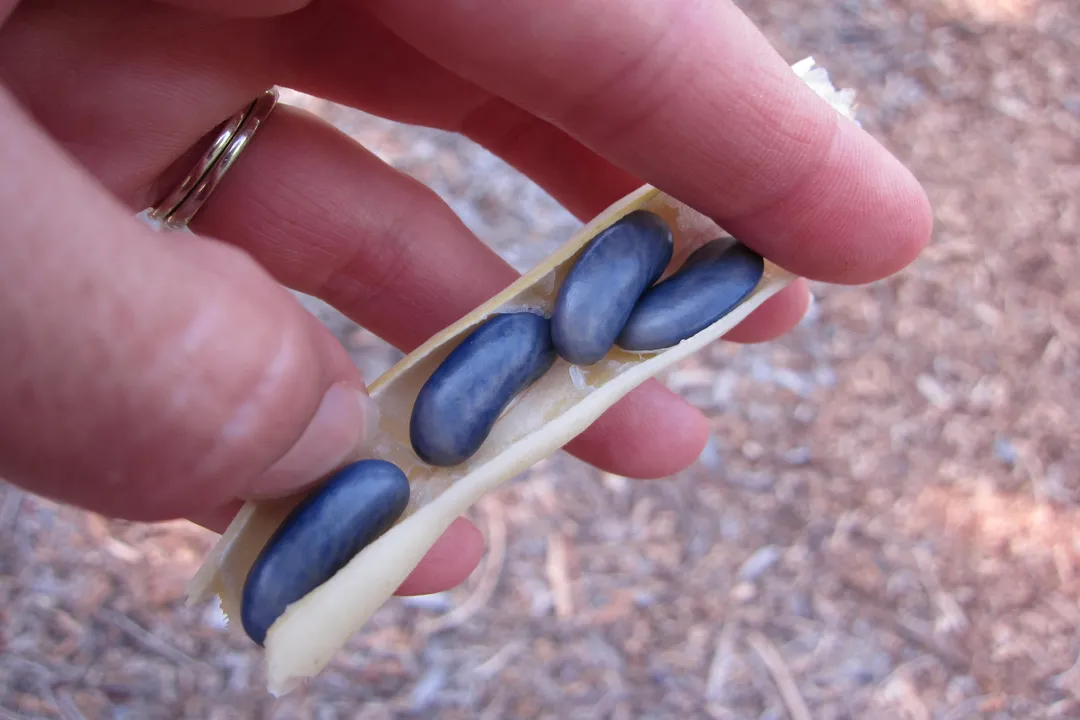
The final stage of the pole bean’s life cycle on the vine is the dry bean stage, where the entire plant is allowed to mature fully, the pods dry out, and the seeds inside become hard. This is where pole beans offer exceptional storage value. Varieties such as Rattlesnake beans are commonly left to dry in the garden or dried indoors after picking.
Once fully dry, these beans must be prepared differently than fresh or shell beans. The process usually begins with a long soak—often overnight—to rehydrate the hard seeds. After soaking, the cooking time is still substantial, but the soaking step is crucial for efficient cooking and digestibility.
Dried pole beans are incredibly versatile. They can be cooked simply until tender and served as a side dish, much like kidney beans or black beans. Beyond simple cooking, they are excellent candidates for transformation into other preparations. For instance, fully cooked and mashed dry beans can be made into flavorful refried beans, or they can form the hearty base of a chili or soup. Canning is also a popular preservation method for beans harvested at this mature stage, allowing for long-term pantry storage.
# Harvest Decisions Comparison
Deciding when to eat a pole bean involves weighing the desired texture against the effort required. This is a key consideration for any home gardener managing a productive vine.
| Harvest Stage | Primary Use | Texture Profile | Required Preparation |
|---|---|---|---|
| Snap/Green | Fresh eating, quick sides | Tender, crisp, succulent | Minimal trimming, quick blanch/steam |
| Shell Bean | Soups, purees, side dishes | Soft seeds, discarded pod | Podding/shelling required |
| Dry Bean | Long-term storage, chili, refried | Hard, requires rehydration | Soaking, extended cooking |
When you are faced with a bumper crop, you can easily dedicate one day's pick to immediate fresh eating (Snap), the next day’s slightly older pick to canning (Shell/Snap mix), and leave the rest on the vine for the winter pantry (Dry). This staggered approach is a major advantage of pole bean cultivation.
# Pre-Cooking Steps
Regardless of the stage you choose—snap, shell, or dry—the initial preparation involves handling the physical bean structure. For fresh snap beans, the most common preparatory step is stringing or topping and tailing. While many modern varieties are marketed as "stringless," older heirloom varieties, particularly those favored in traditional gardening, often develop a fibrous string running along the seam of the pod. This string needs to be pulled off, usually by snapping the stem end and pulling down the length of the bean. If the bean is very mature, the entire seam might need to be sliced open and the string removed manually.
For shell beans, the process involves stripping the pod open and popping the seeds out into a bowl. The empty pods are usually discarded, although in some niche applications, very young, soft pods might be added to slow-cooked dishes for textural variety, though this is less common than discarding them.
# Flavor Enhancements
Eating pole beans is about maximizing their inherent earthy sweetness with complementary flavors. Traditional Southern cooking often pairs them with smoked pork products to impart richness that complements the bean's earthiness. Cooking them slowly with bacon, lard, or smoked ham hocks is a time-honored method that deepens the flavor profile.
In dishes where the beans are soft—whether slow-sauteed or fully simmered—relying on aromatics is key. Shallots, onions, and garlic provide the aromatic backbone. Pairing these with a bit of browned butter or the rendered fat from bacon creates a coating that enhances the mouthfeel of the cooked vegetable.
For the dry beans, the preparation allows for much bolder seasoning. As they cook down in chili or soup, spices like cumin, oregano, or even a touch of smoky paprika can be introduced during the simmering phase, allowing the flavors to penetrate the rehydrated seeds deeply. When using dried beans, remember that their soaking water should generally be discarded before cooking to reduce digestive discomfort, though some cooks reserve a cup of the soaking liquid to add back in for extra starchiness if making a thick stew.
This flexibility—from a bright, crisp side dish in July to a hearty, spiced chili in January—makes understanding how to eat pole beans a central part of a productive gardening year. By honoring the bean at each stage of its development, gardeners ensure that virtually nothing goes to waste, transforming a single planting into numerous different meal experiences.
#Videos
Pole Beans Eat them Right off the Vine! - YouTube
Related Questions
#Citations
What do people use pole beans that have fully matured for? - Reddit
How do I eat and harvest pole beans? - Facebook
Pole Beans Eat them Right off the Vine! - YouTube
In Praise Of Pole Beans - Southern Living
What to do with Overgrown Green Beans - Gardenerd
Kentucky Wonder Pole Beans - Fresh Bites Daily
Beans, the Multi-Talented Vegetable - Community Seed Exchange
Slow-Sautéed Pole Beans with Shallots and Bacon — Not so Pretty ...
Pole Beans - Cooking - eGullet Forums