Which tastes better, bush beans or pole beans?

The enduring debate among home gardeners isn't really about which bean is better, but rather which one suits your garden space and harvesting style best. When you look at a bag of seeds labeled "bean," you are generally choosing between two main architectures: the compact bush bean and the climbing pole bean. [1][5] While the growing habits are distinctly different, the ultimate question for many is whether those differences translate to a superior culinary experience.
# Structure and Space
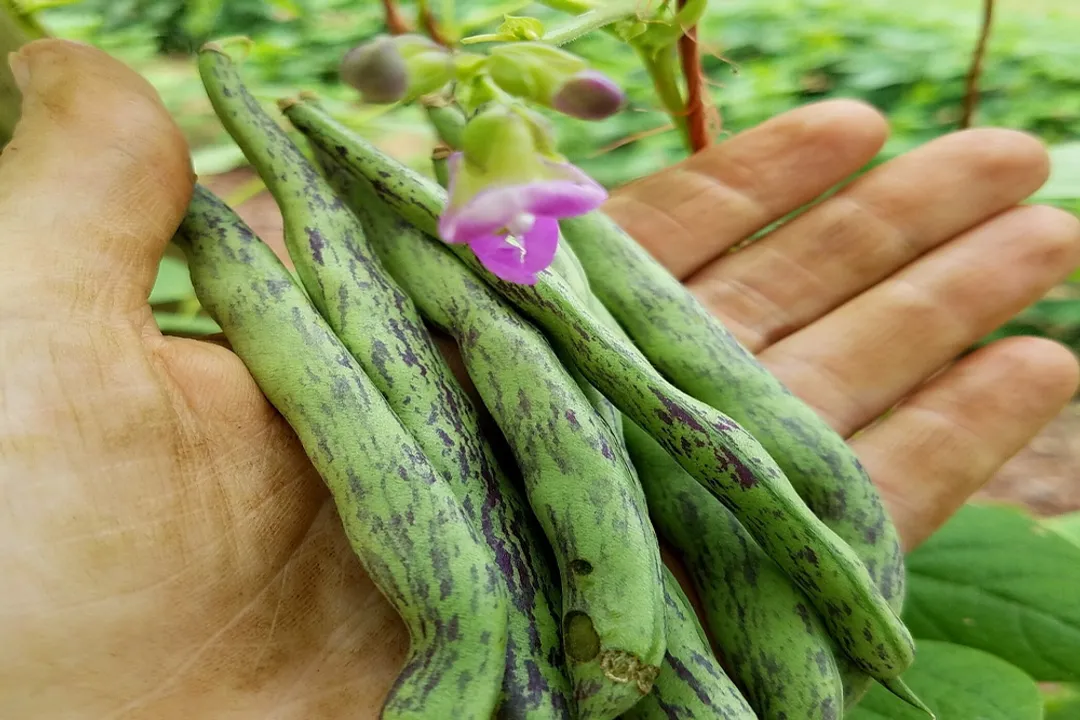
The primary, undeniable difference between these two bean types lies in how they grow. Bush beans are bred to grow as a self-supporting, compact plant, typically reaching about one to two feet in height. [1][5] This makes them an excellent choice for small gardens, containers, or raised beds where vertical support is impractical or simply not desired. [1] Their structure tends to be bushy and contained. [5]
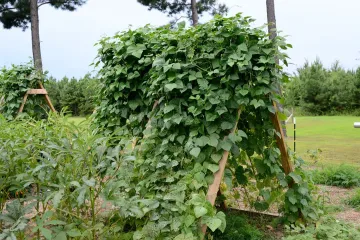
Pole beans, on the other hand, are natural climbers. [1] They produce long vines that need something sturdy to cling to—a trellis, a tall stake, a fence, or even a teepee made of poles. [5][7] While this necessitates extra planning for support structures, it allows them to grow vertically, sometimes reaching heights of six to ten feet or more. [1] This vertical growth pattern means that, pound for pound, pole beans often require less ground space than a sprawling bush bean patch. [1] One gardener noted that once the pole beans get going, they cover their structure quickly, which can also help shade out weeds growing underneath. [2]
For those with limited square footage but ample vertical space, the pole bean is the clear spatial winner. If you're gardening in a small container or have no interest in setting up supports, the bush bean is the immediate, low-maintenance solution. [1]
# Harvest Timing
The way these beans mature profoundly impacts the gardening experience and the continuity of your fresh supply. Bush beans are known for their concentrated harvest period. [1] They tend to mature all at once, meaning you might have a massive flush of beans ready for picking over a short period, perhaps one to two weeks. [1][9] This is wonderful if you plan on doing a big batch of canning, freezing, or perhaps making pickled green beans, but it can mean a glut of produce that is hard to manage if you only want fresh beans daily. [1]
Pole beans offer a completely different rhythm. Because they continue to grow and produce flowers over a longer season, they provide a steady, continuous harvest. [1][9] Instead of one big pick, you can usually stroll out to the patch every day or two from mid-summer until the first hard frost and pick what you need for dinner. [2] This sustained production often leads to a higher overall yield from a single planting over the entire season, even if their initial production isn't as simultaneous as the bush variety. [1]
# The Flavor Conundrum
This is where the conversation usually gets muddied, because the real answer often disappoints those looking for a definitive victor. When gardeners discuss whether pole beans taste better than bush beans, the consensus leans heavily toward the idea that the variety matters far more than the growth habit. [3][6] Both bush and pole beans come in many different cultivars—Phaseolus vulgaris is the species for both—and the genetic lineage dictates the flavor profile, texture, and string development. [7]
For example, you could have a remarkably flavorful bush bean variety that outshines a bland pole bean variety, and vice versa. [3] Some enthusiasts claim that pole beans have a slightly richer or more "true" bean flavor, perhaps attributing this to their longer development time or perhaps simply preferring the texture of the specific heirloom pole varieties they grew up with. [3][6] Other gardeners simply state that they have found superior flavor in the bush types they have trialed. [6]
If we look at specific types, like French beans (haricots verts), both bush and pole versions exist, and experienced gardeners suggest that flavor differences are negligible when comparing like-for-like types across the growth habits. [7] The texture might vary slightly, with some perceiving pole beans as slightly more tender or less watery, but this is often attributed to picking them at their peak freshness, which is easier with a continuous-harvest pole bean. [3] A Master Gardener pointed out that regardless of type, picking beans when they are young and tender prevents them from developing tough strings and makes them taste sweeter. [5]
Here is an interesting perspective to consider: If you live in an area with intense summer heat (Zone 8b and higher, for instance), the extended, slower production of the pole bean might mean the beans mature during slightly cooler stretches compared to a bush bean that rushes to finish before the worst heat hits. This subtle difference in temperature during pod development, rather than the bean's DNA, could influence the final sugars and flavor compounds, making the pole bean taste better in that specific microclimate. [4]
# Yield and Persistence
When assessing which bean is "better," yield must enter the equation. Bush beans offer a quick, large reward early in the season. If you want beans right after the last frost threat passes, bush varieties are usually ready first. [1] However, they often stop producing once the plant has completed its main reproductive cycle or if summer heat becomes too oppressive. [1]
Pole beans, due to their perennial-like growth habit throughout the summer, often produce a greater total yield from the same amount of soil area over the course of the entire growing season. [1] Since they are vining plants, they are excellent at maximizing vertical space, allowing a single 4x4 foot raised bed to potentially yield as many beans as a much larger, sprawling bush bean patch. [2]
To illustrate the production cycle difference, consider this hypothetical scenario for a garden planted in early June:
| Feature | Bush Bean (e.g., 'Provider') | Pole Bean (e.g., 'Kentucky Wonder') |
|---|---|---|
| First Harvest | Mid-July | Late July/Early August |
| Peak Harvest Window | 2 Weeks | 6-10 Weeks (Continuous) |
| Total Seasonal Yield | Moderate to High (Concentrated) | High (Sustained) |
| Space Efficiency | High ground space use | High vertical space use |
| Support Required | None | Essential (Trellis/Pole) |
| Preserving Strategy | Batch canning/freezing | Daily fresh eating/mid-season freezing |
This table highlights that the higher total yield often attributed to pole beans comes from their persistence, not necessarily a higher yield per picking event. [1]

# Managing the Garden Crop
Choosing correctly involves looking at your available time and garden layout. If you travel frequently during the peak summer months, a bush bean harvest might pass you by entirely, leaving you with overripe, tough pods. [9] In this case, the continuous production of a pole bean, which you can pick intermittently upon your return, might be less risky. [2]
Conversely, if you are a beginner or simply prefer a tidy garden row without the visual clutter or effort of stringing up supports, bush beans are undeniably simpler to manage. [5] There is less initial setup cost and labor involved. [1]
For those keen on getting the absolute best flavor, regardless of the growth habit you choose, one practical tip emerges: succession planting for bush beans. Since bush beans finish quickly, planting a new, short row every three weeks during the early summer can mimic the continuous harvest of a pole bean, giving you fresh beans all season long while still benefiting from their quicker maturity. [9] This technique requires more initial planting effort but might satisfy the craving for both fresh beans and an easy-to-manage plant structure.
# Heirloom Appeal and Texture
Many of the most celebrated, richly flavored bean varieties are heirlooms, and often, these celebrated types are pole beans. [4] When people extol the virtue of a pole bean's taste, they may subconsciously be praising the flavor profile of a classic heirloom like 'Kentucky Wonder' or 'Rattlesnake' beans, rather than the growth habit itself. [3] These older varieties have been selected over generations for flavor and robustness, traits that may not have been prioritized in modern, high-yield bush hybrids bred for mechanical harvesting efficiency.
The physical structure of the bean pod also plays into perceived taste. Pole bean vines, being taller, might experience slightly less soil splash-back onto the lower pods, potentially keeping them cleaner and perhaps slightly less prone to certain soil-borne blemishes that can affect the taste or appearance of the first pickings from a bush bean sprawling on the ground. [7]
Ultimately, the experience is personal. If you find a bush bean variety whose flavor you adore, stick with it, perhaps adopting succession planting to extend the season. [9] If you value the steady supply and the tradition associated with climbing varieties, pole beans offer that reliable, lengthy bounty. [2] Neither is inherently superior in taste; they simply offer different trade-offs in gardening effort, space management, and harvest schedule. [1][6]
#Videos
Pole beans vs. Bush beans. Which is the best for you? - YouTube
Related Questions
#Citations
The Great Debate! Choosing Between Bush Beans vs Pole Beans
Pro's and con's: climbing beans and bush beans. - Reddit
Do pole beans taste better than bush beans? - Houzz
Which is best, bush beans or pole beans? - Facebook
What's the difference between pole and bush beans? - Fulton Sun
What Do You Prefer, Bush Beans or Pole Beans? | TheEasyGarden
French beans (Green beans): Dwarf v. Climbing
Pole beans vs. Bush beans. Which is the best for you? - YouTube
What Kind of Green Beans Should You Grow?