Does skate fish taste like scallops?
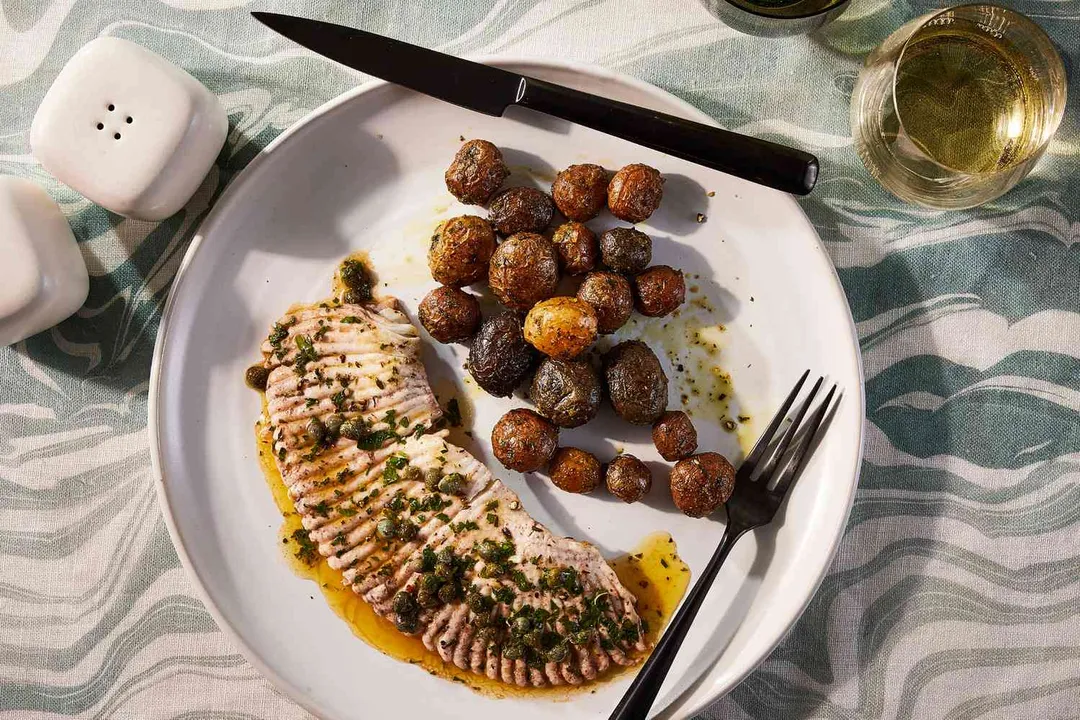
The notion that skate fish tastes like scallops is a frequent culinary comparison, often arising when diners encounter properly prepared skate wing on a menu. This parallel is generally drawn due to the white, delicate flesh and mild sweetness of the ray meat, which can certainly mimic the initial impression of a sea scallop, particularly when pan-seared or sautéed. [1][5] However, while the similarity is enough to cause confusion or serve as an excellent substitute, they remain distinct creatures with key differences in structure and final mouthfeel. [5]
# Flesh Structure
Skate, being a cartilaginous fish related to sharks, is structurally quite different from true scallops, which are bivalve mollusks. [5] The edible portion of the skate is the wing, which contains a network of cartilage instead of a rigid bone structure. [5] When cooked, this unique anatomy dictates how the meat behaves.
The defining characteristic that separates skate from a scallop after cooking is its texture. Scallops, being pure muscle, tend to be dense yet tender, offering a relatively uniform bite that might flake slightly depending on the size and doneness. [5] Skate meat, conversely, separates into distinct, thin fibers or "rays" when cooked through. [5][8] This separation is intrinsic to the way the connective tissues break down. If you are expecting the solid, almost buttery puck of a large sea scallop, skate will surprise you by falling apart into neat, delicate strands. [1][5] The texture is often described as tender and almost flaky, but always fibrous. [5]
Editor's Observation on Texture: For diners accustomed only to eating large, dry-packed sea scallops, the fibrous nature of skate wing can be startlingly different. Think of the difference between pulling apart slow-cooked pulled pork (skate fibers) versus cutting into a firm steak (scallop). This textural variance is arguably the most immediate indicator that you are not eating an actual scallop, even if the primary flavor notes align.
# Flavor Profile
Both skate and scallops share a baseline flavor profile that is appealingly mild and slightly sweet, which contributes significantly to the comparison. [4][5] They are not intensely "fishy" tasting when fresh, making them good entry points for those hesitant about stronger seafood flavors. [9]
A high-quality sea scallop possesses a unique, naturally occurring sweetness, often enhanced by the brine they are sometimes packed in. [6] Skate's sweetness is present but is often described as milder or less pronounced than that of a premium scallop. [1] Some experienced eaters suggest that skate carries a fainter mineral or earthy undertone that differentiates it from the pure, clean sweetness of a scallop. [1]
The preparation method plays a massive role in masking or highlighting these subtle differences. When skate wing is briefly pan-fried in butter until just opaque, the mild flavor and texture similarity are at their peak. [8] However, if the skate is prepared using stronger methods, like smoking—a preparation sometimes used on the wings [7]—the resulting flavor profile moves far away from the delicate scallop and takes on rich, savory, and smoky notes. [7]
# Preparation and Perception
The frequent association between the two also stems from culinary history and substitution tactics. [6] In some markets or establishments, particularly where true scallops might be scarce or expensive, skate wing has historically been used as a direct, cost-effective substitute. [7] This practice reinforces the idea that they are interchangeable, at least flavor-wise. [6]
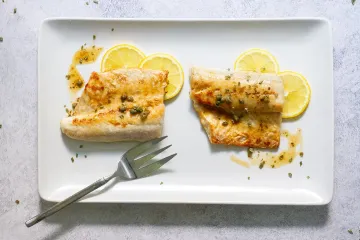
Skate wing is classically prepared by being browned in butter, often with capers and lemon, known as raie au beurre noisette. [8] This rich, acidic, and fatty preparation tends to standardize the flavor across many dishes, boiling down the nuances to a simple profile of "mild white fish" that easily registers as "like scallop" to the casual diner. [8]
In contrast, scallops have specific cooking windows where they achieve that perfect golden sear without becoming rubbery, a process requiring high heat and precision. [6] While skate is also delicate, its fibrous nature provides a bit more forgiveness against slight overcooking compared to the way a scallop muscle will seize up and become tough. [8]
# Cooking Tips for Mimicry
If the goal is to achieve the closest possible sensory experience to a scallop when preparing skate wing, attention to detail is essential:
- Portion Size: Cut the skate wing flesh into small, uniform medallions or squares. This minimizes the obvious fibrous separation when plated. [5]
- Moisture Control: Ensure the skate is very dry before cooking. Patting it thoroughly with paper towels removes surface moisture that would cause steaming instead of searing, which is crucial for developing the scallop-like crust. [8]
- Temperature Management: Cook quickly over medium-high heat. The flesh cooks relatively fast, often needing only a few minutes per side to achieve tenderness without becoming too stringy. [5]
Analysis of Market Dynamics: It is interesting to note that while skate is often compared to scallops, it is generally less expensive per pound in many regions where it is readily available, such as parts of Europe. [4] This price discrepancy further solidifies its role as an accessible alternative rather than a direct, equal replacement in the high-end seafood market, even if the taste profile aligns closely when cooked simply. The market perception often dictates that the true value lies in recognizing skate as skate for its unique, delicate fiber structure, rather than trying to mask it entirely as a scallop. [5]
# Defining the Difference
Ultimately, while the flavor comparison holds water for quick assessments—both are mild, slightly sweet, white-fleshed ocean proteins—the textural experience is the true separator. A diner expecting the dense, uniform mouthfeel of a scallop who receives skate will immediately recognize the difference upon chewing, as the flesh yields along its natural fibers. [5] If the diner prefers a more delicate, almost shreddable texture in their white seafood, skate might even be preferred over a standard scallop preparation. The key takeaway is recognizing that the comparison is built on a foundation of mild flavor and tenderness, but the anatomy ensures they never taste exactly the same. [1][5]
#Videos
We Are Going To See What it REALLY Tastes Like! - YouTube
Related Questions
#Citations
What does skate taste like? : r/Cooking - Reddit
We Are Going To See What it REALLY Tastes Like! - YouTube
Skate fish caught yesterday, similar to scallops - Facebook
Skate - Santa Monica Seafood
Skate Wing Fish | Taste, Smell, Texture & How to Cook
Scallop myth? - Factual Questions - Straight Dope Message Board
Skate used for scallops | Smoking Meat Forums
How to Cook Skate Wing - Food & Wine
Skate Fish - Local Foods